
There's a quiet generational divide playing out in how people date, communicate, and stay committed to each other. Gen X, now mostly in their late forties to early sixties, came of age without smartphones dictating the rhythm of romance. Gen Z grew up with dating apps and group chats as the default, so some of the habits their older counterparts still swear by can look like relics from another era entirely.
None of this means either generation is doing it wrong. It just means the rulebook changed somewhere along the way, and nobody handed out a copy to everyone at the same time.
1. Calling instead of texting to make plans

1. Calling instead of texting to make plans (Image Credits: Pexels)
Gen X still tends to pick up the phone when something actually needs to get sorted out, whether that’s confirming a dinner reservation or checking in during a rough week. It feels efficient to them, a way to avoid the back-and-forth of typing and waiting for replies that might not come for hours. Many grew up when phone calls were the only real-time option besides showing up in person, so the habit stuck.
For Gen Z, an unexpected phone call can trigger genuine anxiety before they even answer. Research on communication preferences has repeatedly shown younger generations favor text-based channels because they allow time to craft a response and reduce the pressure of live conversation. A call from a partner with no warning text first can read as urgent or even alarming rather than casual.
2. Waiting a few days before responding
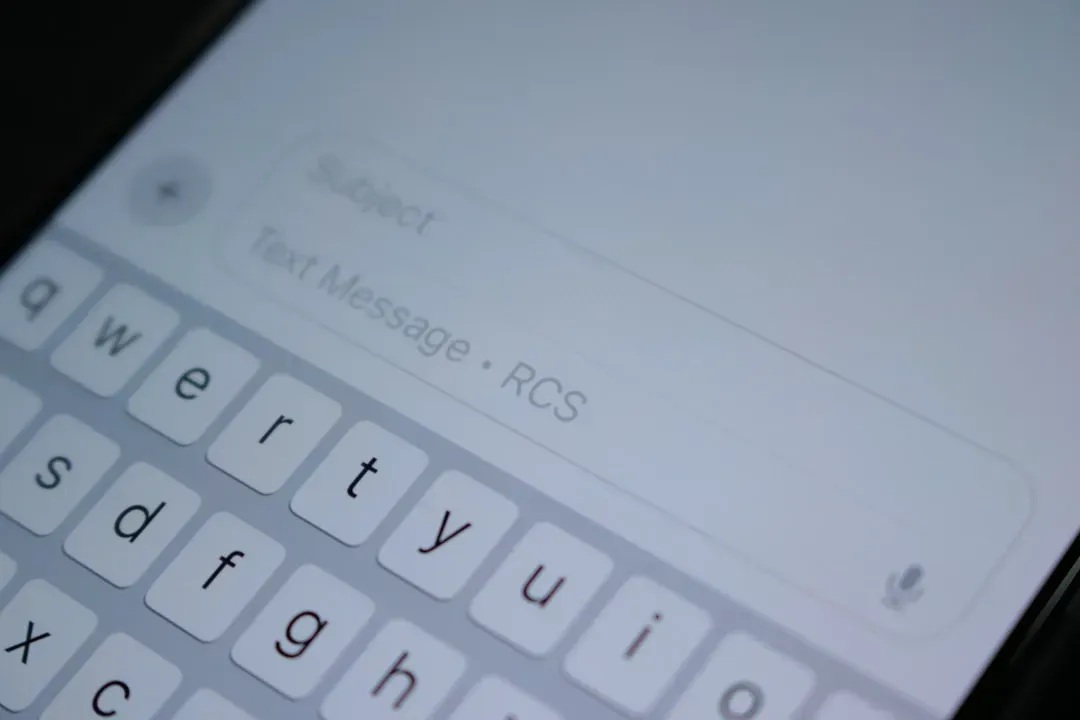
2. Waiting a few days before responding (Image Credits: Unsplash)
Older daters often built a personal rule around not seeming too eager, a holdover from dating advice that circulated heavily in the 1990s and early 2000s. Letting a message sit for a day or two was framed as maintaining dignity or not appearing desperate. Some Gen X individuals still apply this logic even in established relationships, spacing out replies out of habit rather than actual disinterest.
Gen Z largely operates on the assumption that responsiveness signals respect and interest, not weakness. Delayed replies are more likely to be read as a sign someone has lost interest or is playing games, according to dating culture commentary from outlets covering modern courtship norms. The deliberate pause that once seemed strategic now often just creates confusion or hurt feelings.
3. Keeping some finances separate as a default

3. Keeping some finances separate as a default (Image Credits: Pexels)
Many Gen X couples, even in long marriages, maintain individual bank accounts alongside a shared household account, treating full financial merging as something that happens gradually if at all. This reflects both the era’s emphasis on personal independence and, in some cases, lessons learned from watching divorce rates climb through the 1980s and 1990s. It’s less about distrust and more about maintaining a sense of autonomy within the partnership.
Financial transparency surveys of younger adults suggest Gen Z tends to view combined finances earlier as a marker of genuine commitment and partnership. Keeping money separate can be interpreted as holding back or not being fully invested in the relationship. The instinct to protect personal financial identity, so natural to Gen X, sometimes reads to Gen Z as a lack of trust.
4. Avoiding public displays of affection online

4. Avoiding public displays of affection online (Image Credits: Pexels)
Plenty of Gen X couples keep their relationships almost entirely offline, sharing little beyond an occasional anniversary post if that. This generation came into adulthood before social media existed, so private life staying private was simply the norm, not a statement. For them, a relationship’s strength has nothing to do with how visible it is on a feed.
Gen Z, having grown up documenting nearly everything, can interpret this online silence as something being wrong or hidden. Social media behavior research has linked public relationship visibility to perceived commitment among younger users, sometimes called the “relationship goals” effect. The absence of posts doesn’t register as normal to a generation that treats sharing as a form of validation and record-keeping.
5. Not discussing mental health openly with a partner

5. Not discussing mental health openly with a partner (Image Credits: Unsplash)
Older Gen Xers were often raised in households where emotional struggles were handled quietly, if they were addressed at all, and that pattern can carry into adult relationships. Many still prefer to work through anxiety, stress, or low moods privately rather than making them a regular topic of conversation with a partner. It’s not necessarily avoidance so much as a different definition of what counts as sharing.
Gen Z has grown up amid a cultural shift toward openness about mental health, with surveys from organizations like the American Psychological Association showing younger generations are significantly more likely to discuss therapy, anxiety, and emotional needs openly. A partner who doesn’t verbalize what they’re feeling can seem distant or even dishonest by comparison. The mismatch isn’t about caring less, it’s about very different comfort levels with vulnerability as a communication tool.
6. Expecting exclusivity to be assumed rather than stated

6. Expecting exclusivity to be assumed rather than stated (Image Credits: Pexels)
A notable number of Gen X relationships moved from casual dating to exclusive without an explicit conversation, based on frequency of contact and behavior alone. If you were seeing someone regularly and things felt serious, exclusivity was often just understood. Naming it outright could even feel unnecessary or slightly awkward to some in this generation.
Gen Z dating culture, shaped heavily by app-based dating where multiple conversations often happen simultaneously, treats the “define the relationship” talk as a near-essential step. Leaving exclusivity unspoken creates real ambiguity in a dating landscape where people frequently talk to several potential partners at once. What feels like common sense to Gen X can feel like a gap that invites misunderstanding to Gen Z.
7. Sticking with landline-era habits like writing physical cards

7. Sticking with landline-era habits like writing physical cards (Image Credits: Unsplash)
Handwritten cards and letters remain a meaningful gesture for many Gen X partners, used for anniversaries, birthdays, or simply to say something thoughtful. This habit stems from a time when physical mail carried more emotional weight because it was often the only tangible way to express something outside of a phone call. The effort involved in writing something by hand was, and still is, part of the appeal for them.
Gen Z, having rarely relied on physical mail for anything beyond packages, sometimes doesn’t know quite how to interpret a handwritten card, even when they appreciate the sentiment. Digital-first communication has become so dominant that a paper note can feel almost ceremonial or unusual rather than standard practice. It’s rarely seen as a bad thing, just an unfamiliar one that takes some adjusting to.
8. Resolving conflict by taking space before talking

8. Resolving conflict by taking space before talking (Image Credits: Pexels)
A long-standing pattern among Gen X couples involves stepping away from an argument to cool off, sometimes for hours or even a full day, before revisiting the issue. This reflects an older conflict-resolution style that prioritizes calm, considered conversation over immediate resolution. For many in this generation, distance is viewed as protective rather than avoidant.
Gen Z relationship norms, influenced by therapy-informed language that has spread widely through social media, tend to favor addressing conflict in the moment or shortly after it arises. Extended silence during a disagreement can be misread as stonewalling, a term that has become common in younger relationship vocabulary through discussions of attachment styles. What one generation sees as a pause for perspective, the other can experience as being shut out.
Both generations are ultimately working from the same goal, which is building relationships that feel secure and honest. The habits differ because the tools, cultural context, and even the language around emotional life have shifted dramatically in a relatively short span of time. Recognizing where these habits come from, rather than assuming bad intent, tends to close the gap faster than any app or article ever could.