
Every generation writes its own rulebook for love and partnership, and the gap between how Boomers and Millennials approach relationships has become one of those quietly persistent friction points at family dinners. It’s not that either side is wrong, exactly. It’s that the assumptions baked into midcentury courtship simply don’t match how people in their 30s and 40s are building lives together today.
What follows are nine specific expectations that older generations often carry into conversations about marriage, gender roles, and commitment, paired with why so many Millennials are politely declining to play along.
1. Getting married before moving in together

1. Getting married before moving in together (Image Credits: Unsplash)
For many Boomers, cohabitation before marriage was either taboo or at least a hurried, temporary arrangement on the way to a wedding. Millennials have flipped that script entirely, treating living together as a practical trial run rather than a scandal. Data from the Pew Research Center shows that a majority of Americans who have ever been married also lived with their partner first, a pattern that has become the norm rather than the exception.
This isn’t rebellion for its own sake. It reflects a generation that watched divorce rates climb throughout their childhoods and decided that shared bills, shared chores, and shared morning routines are worth testing before signing a marriage certificate. Financial caution plays a role too, since untangling a shared lease is a lot simpler than untangling a legal marriage.
2. Getting married by a certain age
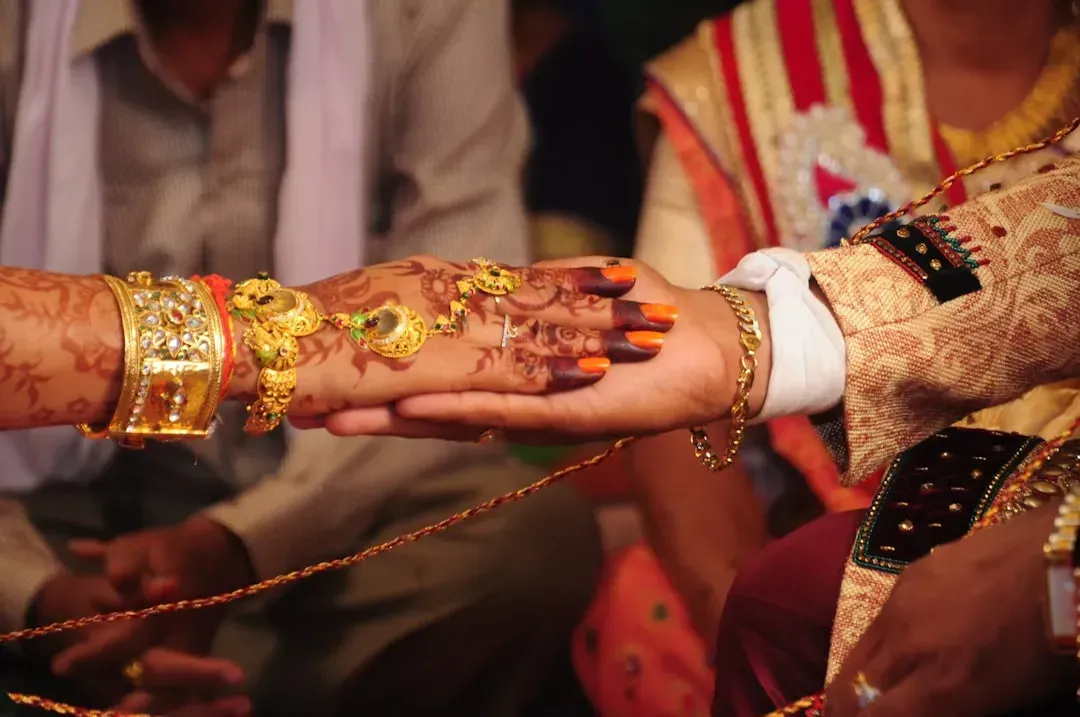
2. Getting married by a certain age (Image Credits: Unsplash)
The old expectation that you’d be settled down by your early twenties has quietly dissolved. According to Census Bureau data, the median age at first marriage in the United States has climbed steadily, landing around 30 for men and 28 for women in recent years, a sharp rise from the mid-twenties norm of the Boomer generation.
Millennials aren’t avoiding marriage entirely; they’re just refusing to rush it to satisfy a calendar. Career stability, education debt, and simply wanting to know a partner deeply before committing legally all factor into the delay. The pressure from parents to “just find someone” tends to land flat when it’s not paired with any urgency on the Millennial side.
3. Splitting finances strictly along gender lines

3. Splitting finances strictly along gender lines (Image Credits: Pexels)
The idea that the man handles the mortgage and big purchases while the woman manages groceries and household budgets doesn’t hold much appeal for a generation raised on dual incomes and financial literacy podcasts. Many Millennial couples favor joint accounts, shared spreadsheets, or proportional contributions based on actual income rather than gender.
This shift is partly economic necessity. With two incomes often required just to afford rent or a mortgage in most metro areas, treating one partner’s earnings as “extra” money doesn’t make practical sense anymore. Millennials tend to see financial partnership as a negotiated, transparent system rather than an inherited script.
4. Staying in a marriage "for the kids"

4. Staying in a marriage "for the kids" (Image Credits: Gallery Image)
Boomers often grew up with a cultural message that divorce was a last resort, even in unhappy or strained marriages, largely for the sake of appearances or perceived stability for children. Millennials, many of whom experienced their own parents’ difficult or unhappy marriages firsthand, are far less willing to accept that logic.
Therapy-informed language around modeling healthy relationships has become mainstream, and Millennials are more likely to view an amicable separation as healthier for children than a household simmering with unresolved conflict. This isn’t a dismissal of commitment. It’s a different definition of what commitment is actually protecting.
5. Taking the husband's last name automatically
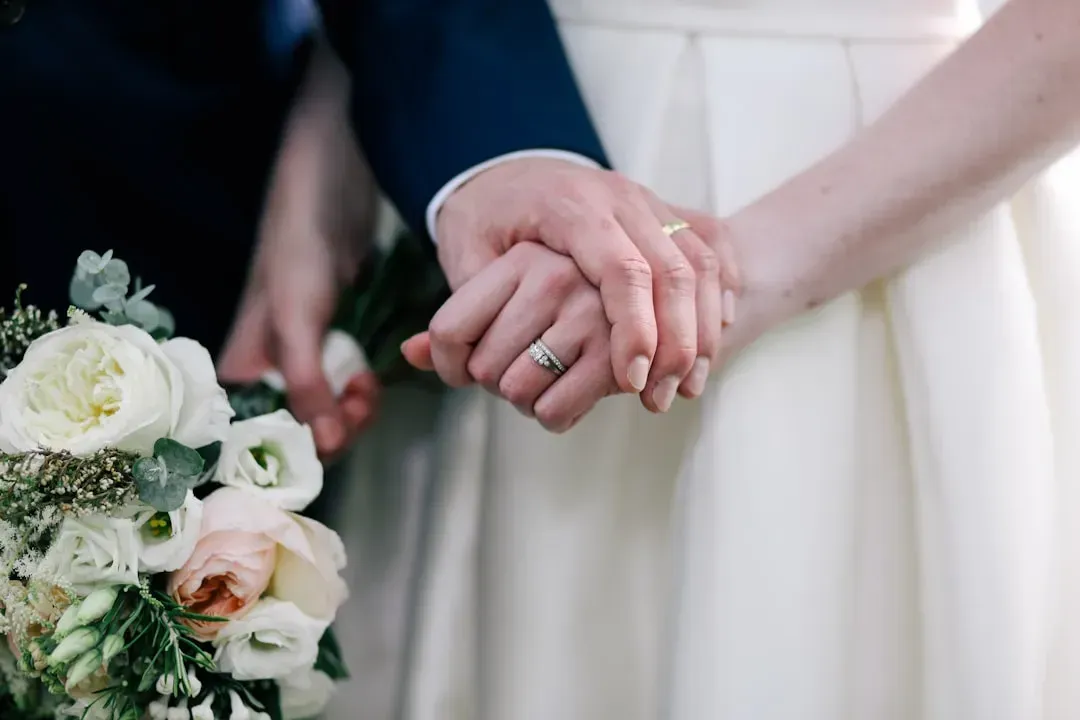
5. Taking the husband's last name automatically (Image Credits: Unsplash)
Changing your surname upon marriage was close to universal for Boomer brides, treated as an unquestioned formality rather than a decision. Surveys on the topic show a meaningful portion of Millennial women choosing to keep their birth name, hyphenate, or explore alternative arrangements altogether.
The reasoning varies from professional identity concerns to simple personal preference, but the common thread is that it’s treated as a choice rather than an obligation. Some couples even discuss the man taking the woman’s name or both partners adopting a new shared name, options that would have been unusual to even mention a generation earlier.
6. Deferring to traditional gender roles at home

6. Deferring to traditional gender roles at home (Image Credits: Pexels)
The expectation that household labor and childcare fall primarily to women, regardless of employment status, remains a sticking point between generations. Millennial households, particularly those where both partners work full time, are far more likely to explicitly divide chores, childcare, and mental load rather than assume it defaults to one person.
This has become a frequent topic of conversation online and in therapy circles, often framed around the concept of equitable partnership rather than fixed roles. Boomers raised with a clearer division of labor sometimes read this negotiation as conflict, when for Millennials it’s simply how modern partnerships function.
7. Prioritizing marriage over personal or career goals

7. Prioritizing marriage over personal or career goals (Image Credits: Unsplash)
Older generations often viewed marriage as a milestone that organized the rest of adult life around it, sometimes at the expense of individual ambitions, especially for women. Millennials tend to approach relationships as one important piece of a fuller identity that also includes career, friendships, hobbies, and personal growth.
This isn’t a rejection of partnership so much as a refusal to let it eclipse everything else. Many Millennials have watched relatives lose their sense of self inside a marriage and are actively trying to avoid repeating that pattern in their own relationships.
8. Avoiding difficult conversations to "keep the peace"

8. Avoiding difficult conversations to "keep the peace" (Image Credits: Pexels)
A generational habit of sidestepping conflict, particularly around emotions, sex, or dissatisfaction, was common among Boomer couples who often prized stability over open confrontation. Millennials, shaped by increased access to therapy and relationship coaching, tend to place a much higher value on direct communication, even when it’s uncomfortable.
Concepts like attachment styles, love languages, and active listening have become part of everyday relationship vocabulary for many Millennials in a way that simply wasn’t as widespread a generation ago. Where Boomers might see this as oversharing or unnecessary drama, Millennials often see it as basic relationship maintenance.
9. Accepting unequal retirement or long-term financial planning roles

9. Accepting unequal retirement or long-term financial planning roles (Image Credits: Unsplash)
In many Boomer households, one partner, often the husband, handled long-term financial planning and retirement decisions while the other had limited visibility into the family’s full financial picture. Millennial couples are far more likely to insist both partners understand and participate in decisions about savings, investments, and retirement accounts.
This shift ties back to broader financial anxieties this generation faces, including student debt and a housing market that has made traditional milestones harder to reach. Full financial transparency between partners has become less of a nice-to-do and more of a baseline expectation for a healthy, equal partnership.
These generational differences aren’t really about who’s right. They’re a reflection of two very different economic and cultural environments shaping what people expect from love, partnership, and commitment. What Boomers see as tradition, Millennials often see as outdated assumptions worth questioning, and that gap will likely keep showing up at holiday tables for years to come.