
Dating in the 1950s came with a rulebook nobody wrote down but everyone somehow knew. Phone calls happened at set hours, dates were planned days in advance, and showing genuine interest wasn’t considered “too much.” Somewhere between swiping culture and instant messaging, a few of those old habits got lost, and honestly, dating might be better off bringing some of them back.
None of this means returning to outdated gender roles or the stricter social expectations of that era. It’s more about borrowing the parts that made courtship feel intentional rather than exhausting. Here are nine habits from that decade worth revisiting.
1. Asking someone out in person or by phone call

1. Asking someone out in person or by phone call (Image Credits: Unsplash)
In the 1950s, asking someone on a date meant actually speaking to them, either face to face or over a landline call that required real nerve to make. There was no hiding behind a text message or a casual “wyd” DM. The directness forced clarity: you either wanted to see the person or you didn’t, and there was little room for ambiguous half-invitations.
That kind of clarity is largely missing from modern dating apps, where vague texting can drag on for weeks without an actual date materializing. A quick phone call or a clear in-person ask cuts through the guesswork immediately. It also signals effort, which, even now, tends to leave a stronger impression than a low-stakes text.
2. Planning the date days in advance
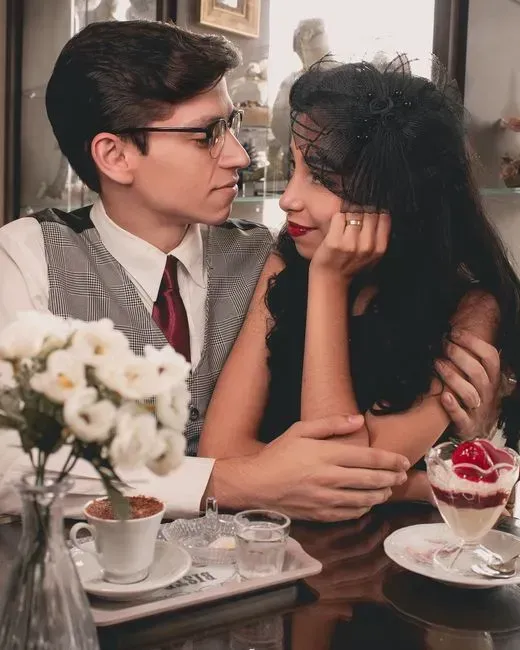
2. Planning the date days in advance (Image Credits: Pexels)
Spontaneity has its charm, but in the 1950s, dates were typically arranged several days ahead of time, giving both people something to look forward to. This wasn’t just about logistics. It reflected a mindset where seeing someone was treated as an event worth anticipating rather than a last-minute filler for a free evening.
Modern dating often suffers from the opposite problem, with same-day “u up?” messages replacing actual planning. Reviving the habit of setting a date early in the week, even for something simple like coffee, adds a sense of intention that’s easy to lose in a culture of instant availability. It also gives both people time to actually get excited about it.
3. Dressing up, even for casual outings
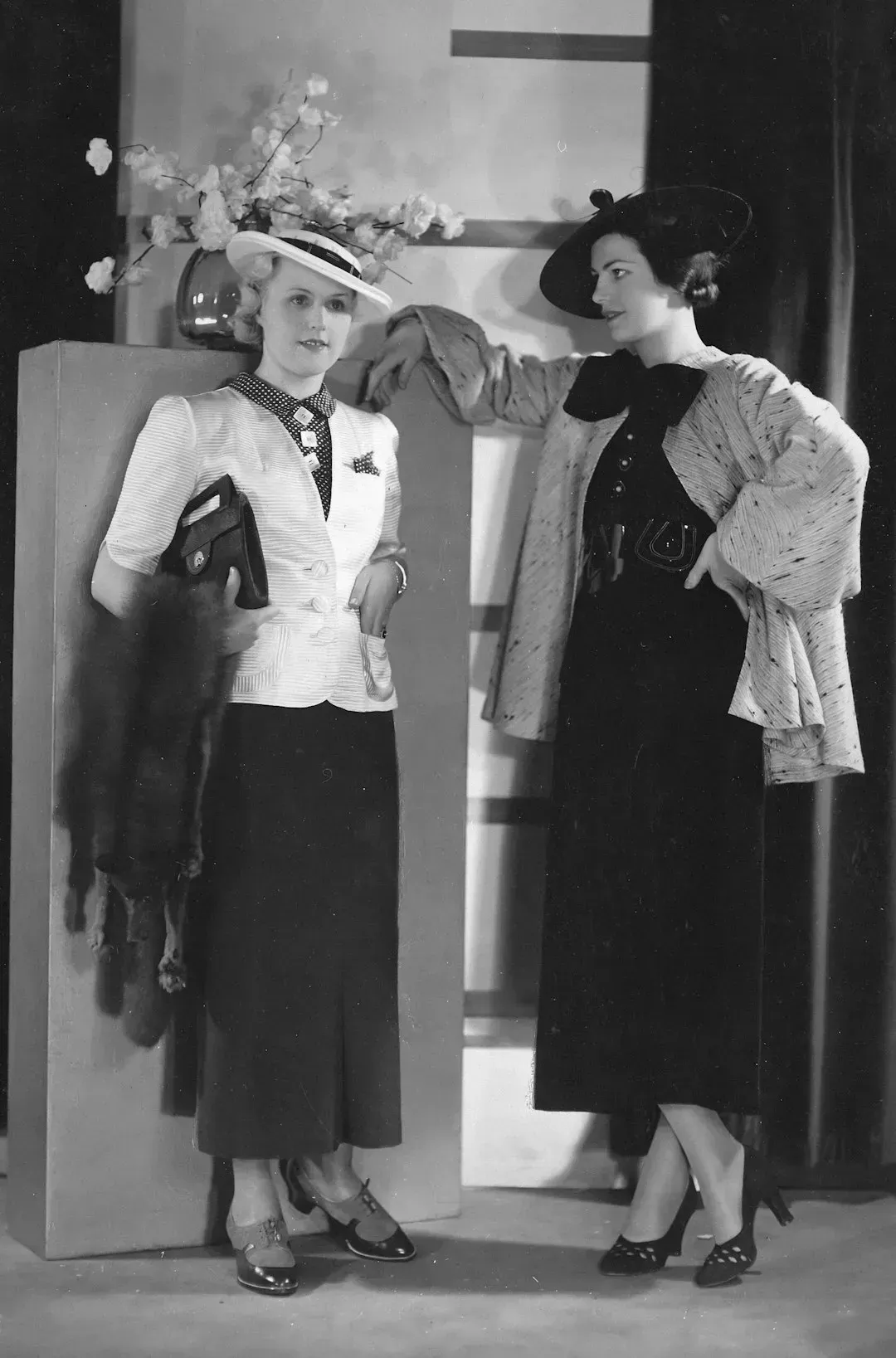
3. Dressing up, even for casual outings (Image Credits: Unsplash)
Even a trip to a diner or a local dance in the 1950s usually meant putting in a bit of effort with appearance. It wasn’t about vanity so much as respect, both for the other person’s time and for the occasion itself. Dressing with care signaled that the date mattered enough to prepare for.
Today’s casual dress norms aren’t inherently wrong, but there’s something to be said for treating a date as slightly different from a regular errand. A little extra effort, whether it’s a nicer shirt or actually doing your hair, still communicates that you value the person you’re meeting. It costs nothing and tends to set a more attentive tone for the evening.
4. Meeting the family early on

4. Meeting the family early on (Image Credits: Pexels)
Introducing a date to parents or close family relatively early was common practice in the 1950s, partly because communities were smaller and partly because relationships were viewed as heading toward something serious fairly quickly. It wasn’t seen as a huge milestone loaded with pressure. It was simply part of getting to know someone fully.
Modern dating tends to delay this step for months, sometimes out of caution, sometimes out of fear of moving too fast. Yet meeting family early can actually clarify compatibility faster, since it reveals context about someone’s upbringing and values. There’s real value in not treating that step like a huge relationship milestone, but rather a normal part of getting to know someone.
5. Writing letters or notes between dates
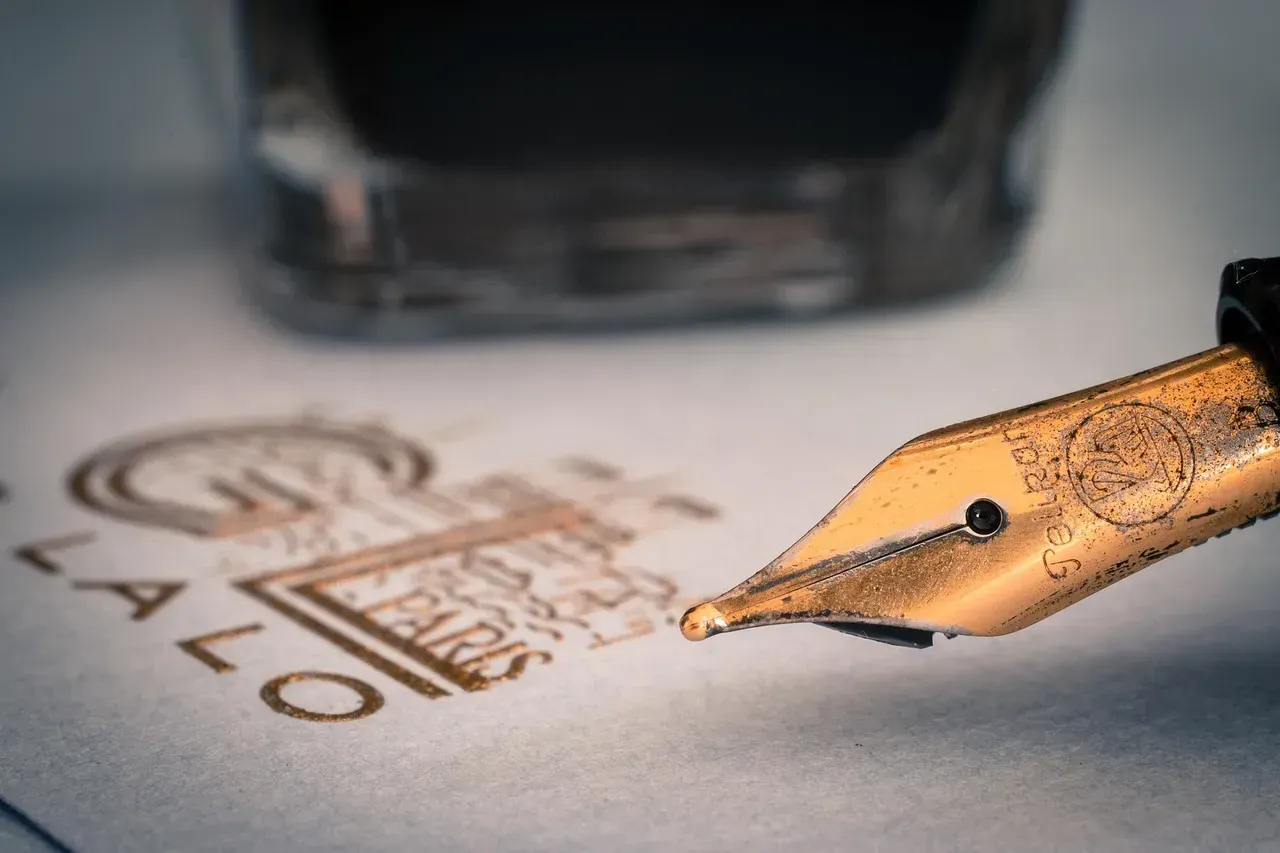
5. Writing letters or notes between dates (Image Credits: Pixabay)
Letter writing wasn’t unusual in the 1950s, especially for couples separated by distance, military service, or simply busy schedules. A handwritten note took time and thought, which made it feel more meaningful than a passing comment ever could. It gave people a tangible way to express feelings without the pressure of saying them out loud.
While full letters might feel excessive now, a short handwritten note or even a thoughtful, non-generic text can recreate that same sense of care. It’s a small gesture, but in an age of quick emojis and one-word replies, it stands out. Slowing down enough to write something intentional says more than a hundred rushed messages.
6. Being upfront about intentions

6. Being upfront about intentions (Image Credits: Pexels)
Courtship in the 1950s generally involved stating intentions early, whether someone was looking for something casual or something serious. Ambiguity wasn’t considered charming; it was considered confusing. People were expected to communicate what they wanted fairly directly, even if that conversation felt a little blunt.
Modern dating culture often avoids this kind of directness, leading to the now-common frustration of unclear expectations and mismatched timelines. Bringing back some of that straightforwardness, without being harsh about it, could save people a lot of wasted time and emotional guesswork. Clarity, even when it’s uncomfortable, tends to be kinder in the long run than silence.
7. Going on dates without constant phone checking
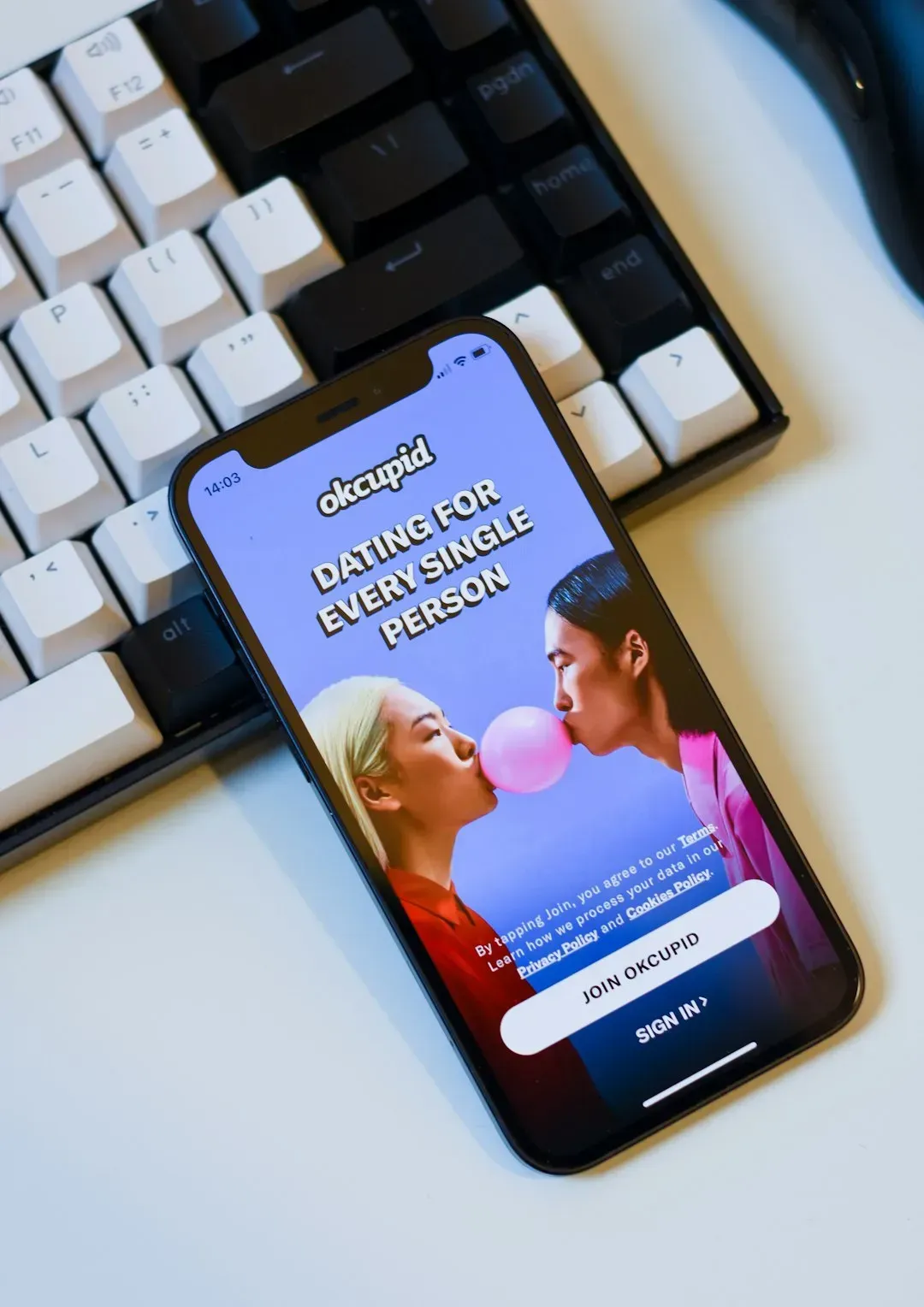
7. Going on dates without constant phone checking (Image Credits: Unsplash)
Obviously, phones didn’t exist in their current form in the 1950s, so dates naturally involved full attention on the other person. Conversations weren’t interrupted by notifications, and there was no urge to check social media mid-meal. That undivided attention created space for real connection to actually happen.
Recreating that today doesn’t require giving up technology altogether, just setting it aside during the date itself. Studies on phone use and relationship satisfaction consistently link frequent phone checking during shared time to lower feelings of connection and attentiveness between partners. Simply putting the phone away for an hour or two can make a noticeable difference in how present a date actually feels.
8. Taking things slow physically
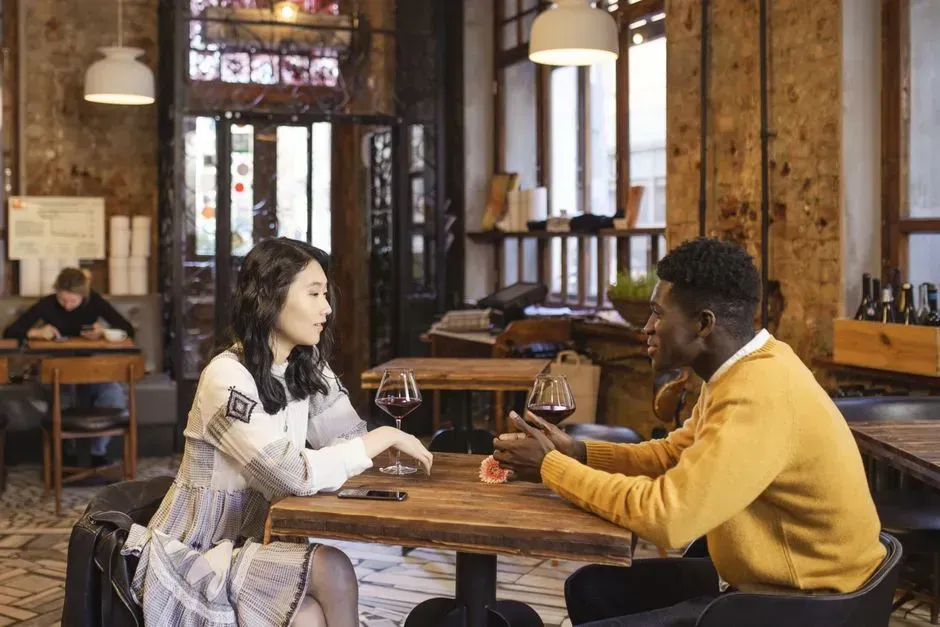
8. Taking things slow physically (Image Credits: Pexels)
The pacing of physical intimacy in 1950s dating culture was, for better or worse, much slower than today’s norms, often stretching over multiple dates before anything beyond holding hands occurred. This wasn’t purely about morality; it also gave emotional connection more room to develop before physical closeness took over. The relationship’s foundation was built on conversation and shared time first.
There’s a reasonable middle ground between rigid restriction and moving too fast too soon. Slowing the physical pace slightly, even now, can allow both people to genuinely evaluate compatibility rather than letting attraction alone drive the relationship’s early direction. It’s less about rules and more about giving things time to actually develop naturally.
9. Ending the night with a genuine thank-you
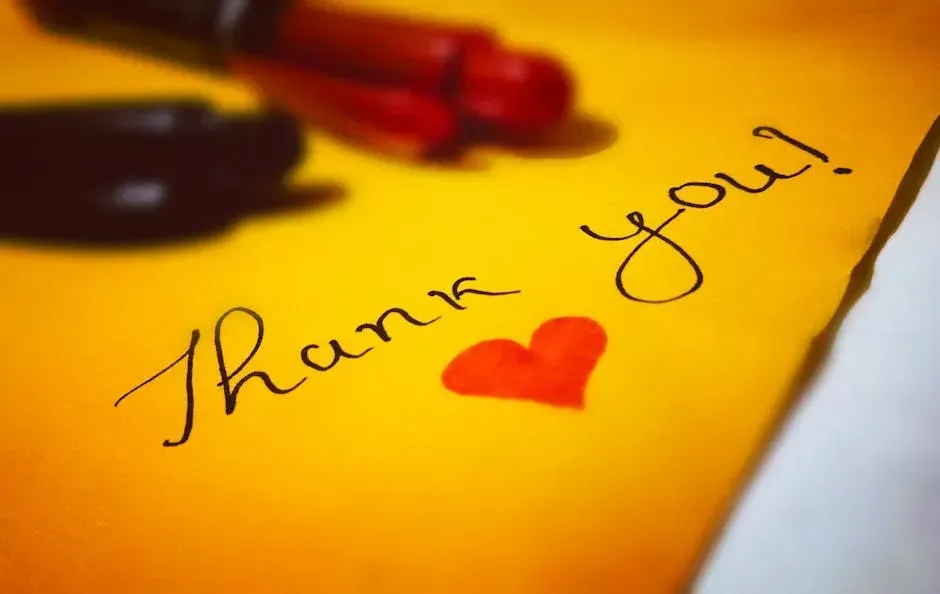
9. Ending the night with a genuine thank-you (Image Credits: Pexels)
A polite, sincere thank-you at the end of a date was standard etiquette in the 1950s, regardless of how the date actually went. It wasn’t a throwaway comment; it reflected basic appreciation for someone’s time and effort. Even dates that didn’t lead anywhere further still ended on a respectful note.
Modern dating occasionally skips this small courtesy, especially when a date doesn’t go particularly well or ends abruptly through ghosting. Simply saying thank you, even in a short text afterward, costs nothing and leaves things on a decent note. It’s a small habit, but one that reflects basic respect, which never really goes out of style.
None of these habits require abandoning modern conveniences or reverting to outdated social expectations. They’re really about intention, attentiveness, and a bit more effort in a dating culture that often rewards the opposite. Borrowing even a few of these small rituals could make dating today feel a little less transactional and a lot more genuine.