
There’s a quiet gap between a meal cooked at home and one served in a good restaurant. The ingredients are often similar, the recipes are sometimes identical, and yet something feels different when the plate arrives at the table. That difference isn’t magic, and it’s not always about expensive equipment.
Most of the techniques separating professional cooks from home cooks are surprisingly practical. They’re habits and small decisions that happen long before a dish reaches the plate. Here are eight of them.
1. Salting in Layers, Not at the End

1. Salting in Layers, Not at the End (Image Credits: Unsplash)
If you wait until the end to add salt, your food will taste salty instead of seasoned. Professional cooks salt as they go. When they’re sweating onions, a small pinch goes in early. They season meat before cooking it and add another small pinch after deglazing. By the end of the cooking time, this builds a set of layered flavors that make food taste noticeably more complex.
This approach isn’t about using more salt overall. It’s about timing. Salt introduced at different stages interacts with ingredients differently, pulling out moisture, building fond on the pan, and deepening the natural flavor of each component as it cooks.
2. Finishing Sauces with Cold Butter
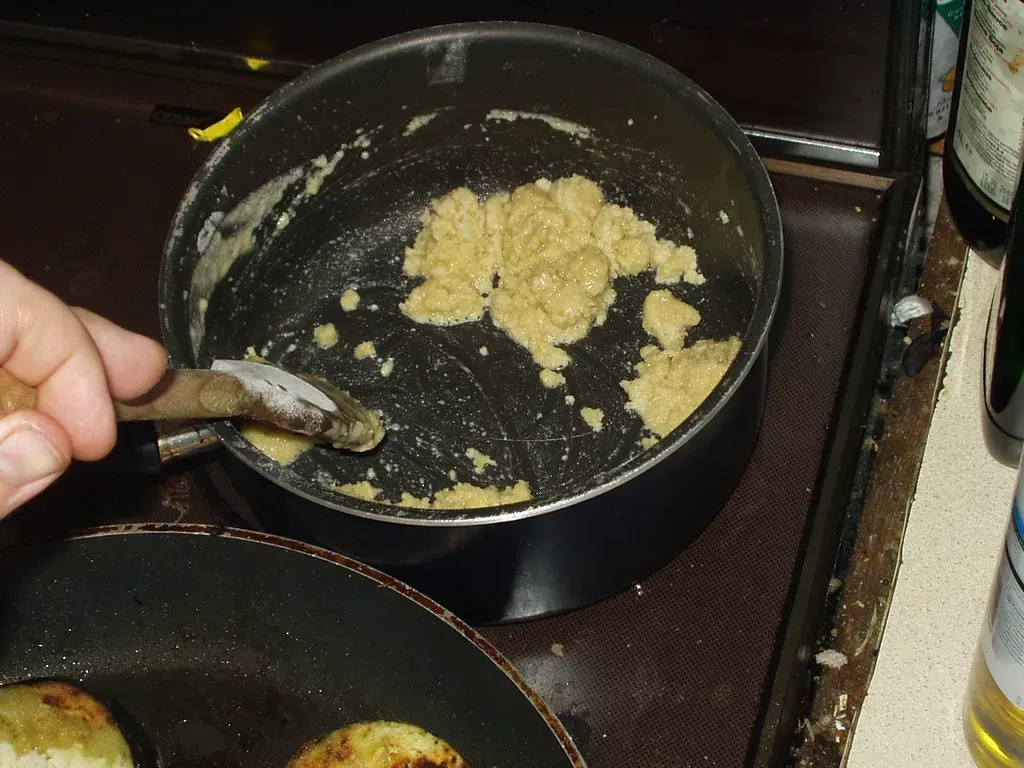
2. Finishing Sauces with Cold Butter (rjw1, Flickr, <a href="https://creativecommons.org/licenses/by-sa/2.0/" target="_blank" rel="noopener">CC BY-SA 2.0</a>)
When finishing a pan sauce, professional cooks add small cubes of chilled butter to the hot sauce and slowly swirl it in. This technique, called mounting, gives the sauce a velvety texture and glossy shine and helps mellow out strong flavors like vinegar, wine, or garlic that might otherwise be too aggressive.
Known in classical French cooking as “monter au beurre,” this technique gives sauces a glossy appearance and a rich, smooth texture. Swirling butter into a sauce off the heat thickens it slightly and adds a luxurious mouthfeel. It works best with pan sauces and is a simple way to elevate dishes to restaurant quality. The sauce should not return to a boil after the butter is incorporated.
3. Drying Proteins Before Searing
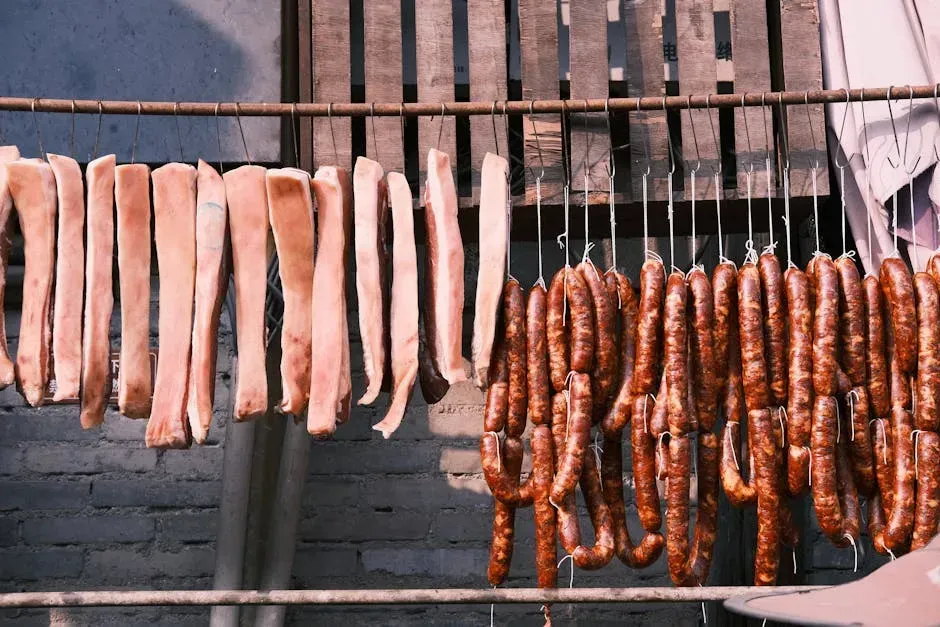
3. Drying Proteins Before Searing (Image Credits: Pexels)
Every line cook knows that the only way to get a deep sear is to dry your proteins. A quick pat with paper towels ensures your sear is dark, crisp, and flavorful. Surface moisture is the enemy of a proper crust. When a wet piece of meat hits a hot pan, steam forms before browning can begin, and you lose that caramelized exterior entirely.
The same logic applies to fish, scallops, and even firm vegetables like eggplant or zucchini. A dry surface doesn’t just improve color, it concentrates flavor. It’s one of those steps that takes about ten seconds and makes a visible difference every single time.
4. Using a Screaming-Hot Pan
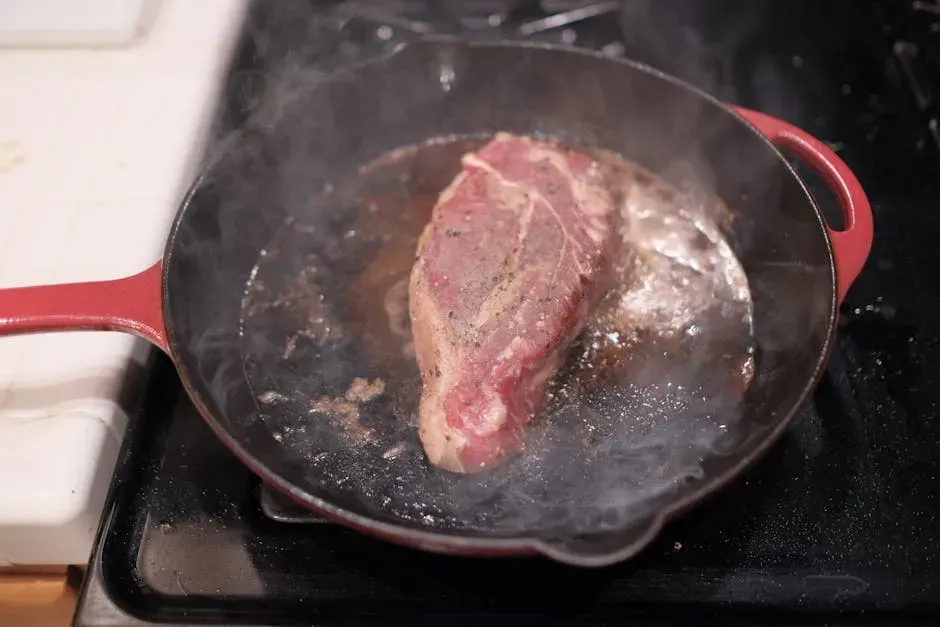
4. Using a Screaming-Hot Pan (Image Credits: Pexels)
Part of the reason restaurant food tastes so good is because professional cooks use screaming-hot pans. It’s the best way to get a beautiful sear on a steak or caramelize vegetables before finishing them in the oven. Many restaurants store their pans in a hot oven during service so they’re piping-hot when needed. On top of how much stronger restaurant burners are, this creates an intensity of heat that most consumer ranges can’t match, but there are ways to get close.
Burners in a professional kitchen are far hotter than the ones in a home kitchen. One practical way to mimic that level of heat is by letting your pans heat up while you’re prepping the rest of your ingredients. Five extra minutes of preheating costs nothing and makes a real difference on the crust of a piece of chicken or a steak.
5. Finishing Pasta Directly in the Sauce
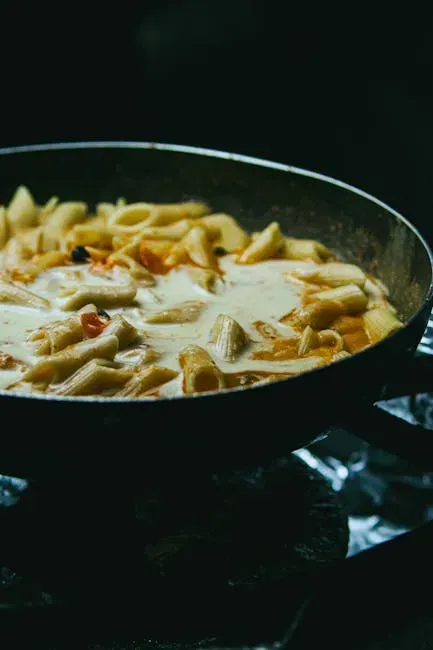
5. Finishing Pasta Directly in the Sauce (Image Credits: Pexels)
If you’ve ever wondered why pasta at a good Italian restaurant seems more indulgent than the version you make at home, the answer is pasta water. When you cook pasta, starch stays behind in the water after straining. Most restaurants finish their noodles by adding a small ladleful of that starchy water to the pan, which helps bridge the gap between pasta and sauce.
To get the best, restaurant-worthy pasta, you should finish cooking it directly in the sauce. This technique gives the noodles a chance to absorb more flavor so the dish comes together as one, rather than simply being an assembly of separate ingredients. It sounds like a small tweak, but the textural difference is noticeable even on something as simple as cacio e pepe or a basic tomato sauce.
6. Blooming Spices Before Adding Them
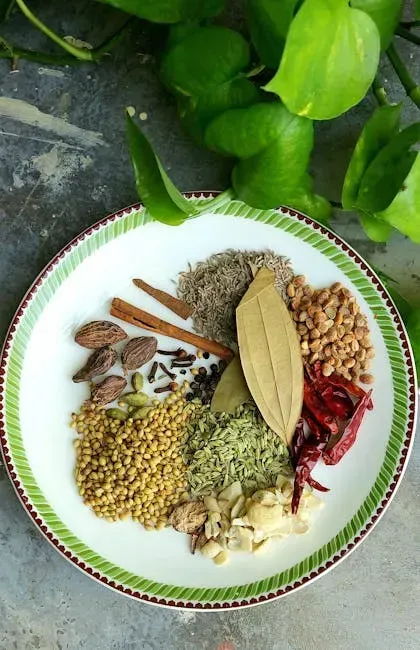
6. Blooming Spices Before Adding Them (Image Credits: Pexels)
Dried spices are a pantry essential, but adding them at the end of cooking often does a disservice to your food. They can turn out dry and chalky if you don’t activate their essential oils and aromatic compounds. The fix is to let spices bloom by toasting whole spices in a dry pan before grinding them, or by adding ground spices after sweating onions in oil, about a minute before deglazing the pan.
Heat unlocks volatile flavor compounds in dried spices that simply don’t release when added to a wet, already-simmering dish. This is why a curry made by a practiced cook tastes so different from a rushed weeknight version. The spices in both dishes might be identical. The timing is not.
7. Practicing Mise en Place Before You Cook
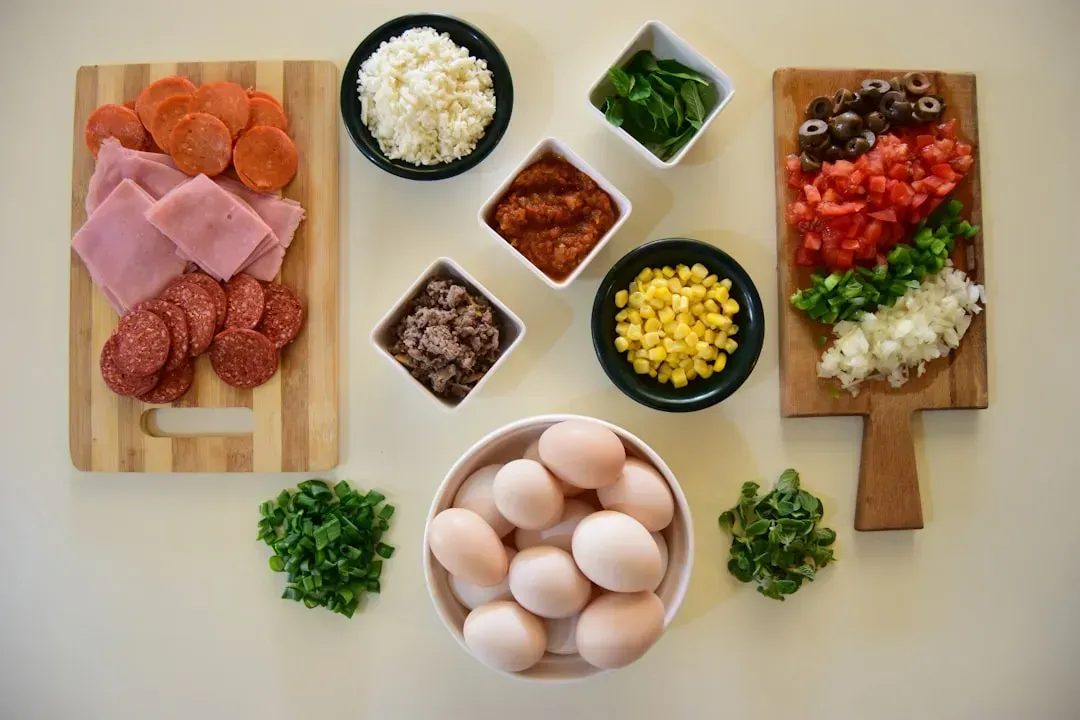
7. Practicing Mise en Place Before You Cook (Image Credits: Unsplash)
Perhaps the most foundational thing taught in culinary school is mise en place, a French term meaning “everything in its place.” It’s considered the best way to stay calm in a professional kitchen. Professional cooks spend time chopping meats, vegetables, and herbs so everything is ready to add to the pan when needed.
This is the foundational rule of any professional kitchen. Before you turn on the stove, every ingredient must be prepped: vegetables chopped, spices measured, sauces mixed, and starches ready. By preparing everything upfront, you eliminate the frantic rush of chopping an onion while something else burns, and you can focus entirely on the cooking technique rather than scrambling for ingredients.
8. Adding a Splash of Acid at the End
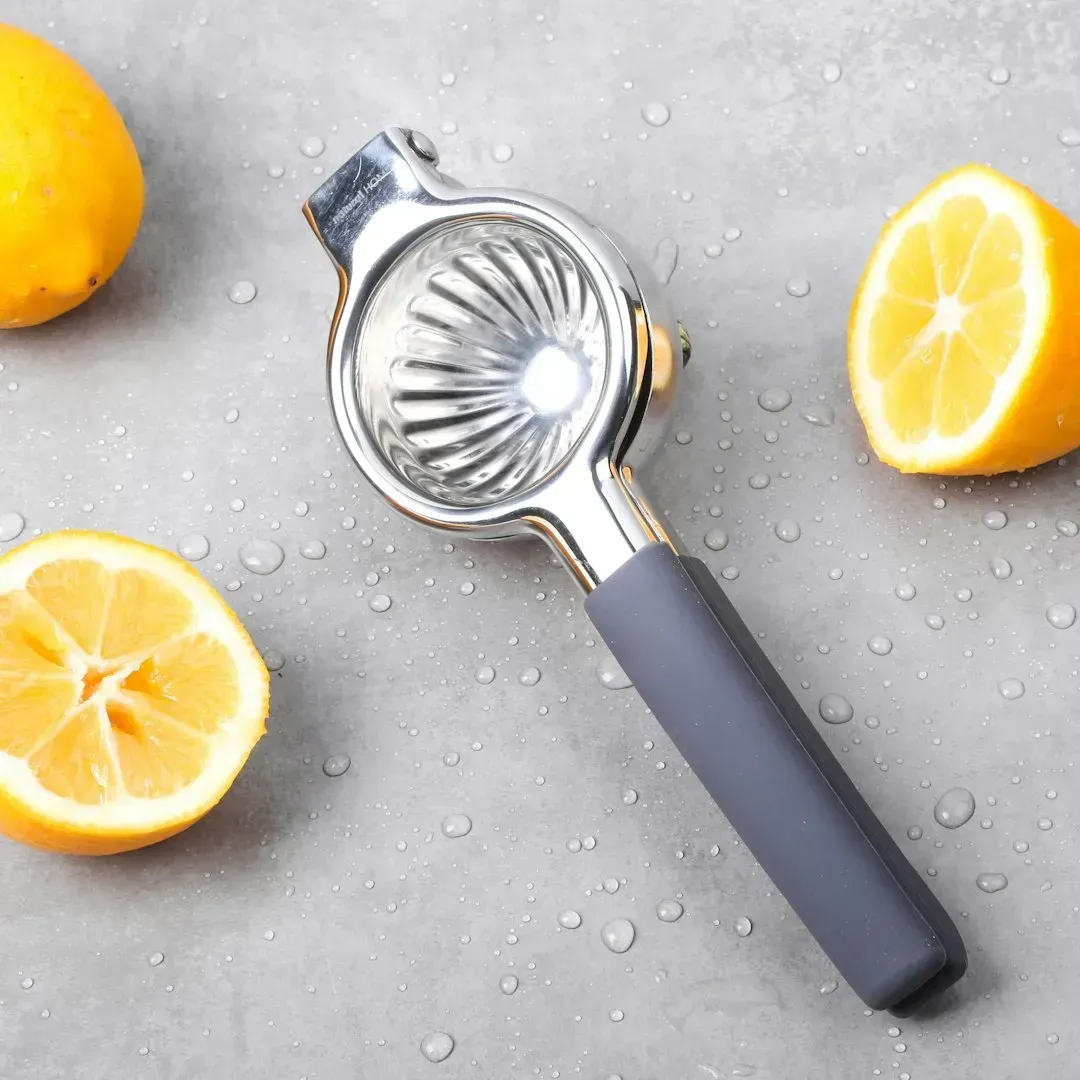
8. Adding a Splash of Acid at the End (Image Credits: Unsplash)
Acidity brightens up any dish and makes flavors pop. Chefs use a splash of vinegar, citrus juice, or fermented elements like sumac or pickled onions to add dimension. A smoky eggplant dish, for instance, pairs with tahini but a squeeze of lemon at the end enhances the balance of richness and sharpness.
Before serving, the professional habit is to taste the dish and consider whether a final touch of acid could enhance the flavors. A few drops of lemon juice or a small pour of good vinegar at the very end of cooking can lift a dish that tastes flat and make it feel finished. It’s one of the most underused tools in a home cook’s arsenal, and it costs almost nothing to try.
None of these tricks require special equipment or unusual ingredients. Most of them are just small shifts in timing, temperature, and attention. A pan held a little longer before anything goes in, a pat of butter swirled off the heat, a squeeze of citrus right before the bowl hits the table. Individually they’re minor. Together, they’re exactly what makes a meal memorable.