
There’s a persistent assumption in the meat world that price equals flavor. Pay more, eat better. Spend less, settle. It’s an idea the grocery store layout quietly reinforces every time you walk past the filet mignon and head for the budget section. Most people never question it.
The truth is a little more interesting. Chefs and butchers have long known that some of the most flavorful cuts on the entire animal come from sections most shoppers overlook completely. A few of these cuts have been sitting in plain view at the butcher counter for decades, quietly outperforming steaks that cost two or three times as much. Here are seven of them, backed by what professionals actually say.
1. Flat Iron Steak
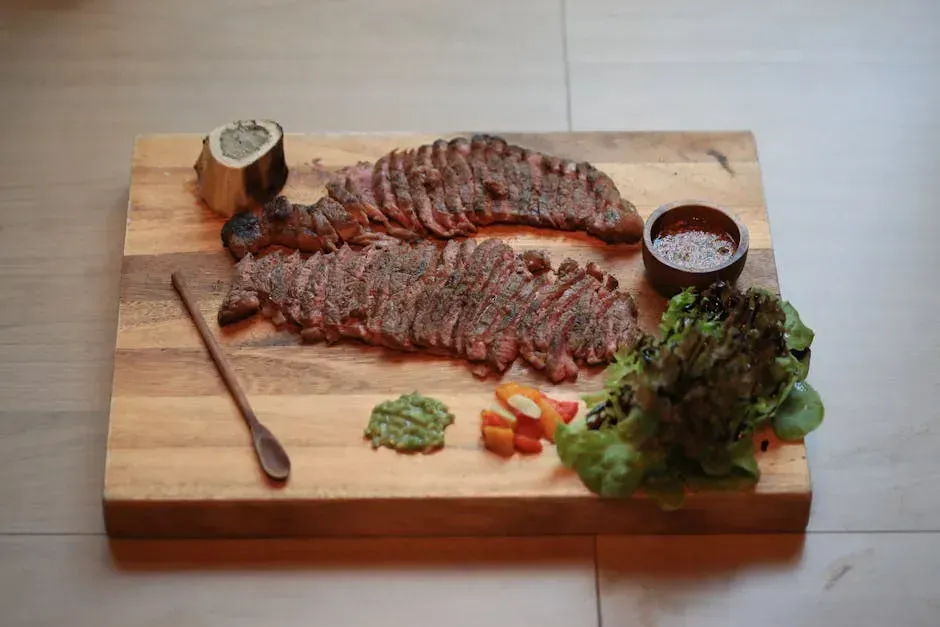
1. Flat Iron Steak (Image Credits: Pexels)
Also known as the top blade steak, the flat iron has become the first of the newer value cuts to achieve serious commercial success, outselling T-bones and porterhouses in many markets. For tenderness, meat scientists rank it second only to filet mignon. That’s a remarkable position for a cut that comes from the chuck, a part of the shoulder usually associated with tough roasts and slow braises.
Cut from the shoulder’s top blade, the flat iron comes from the chuck primal but surprises with its rich marbling. When cooked right, the fat melts through the meat, keeping it tender and flavorful. It’s extremely tender, well-marbled, and flavorful, and it’s great for grilling. A quick, high-heat sear and a rest before slicing is really all it needs.
2. Hanger Steak
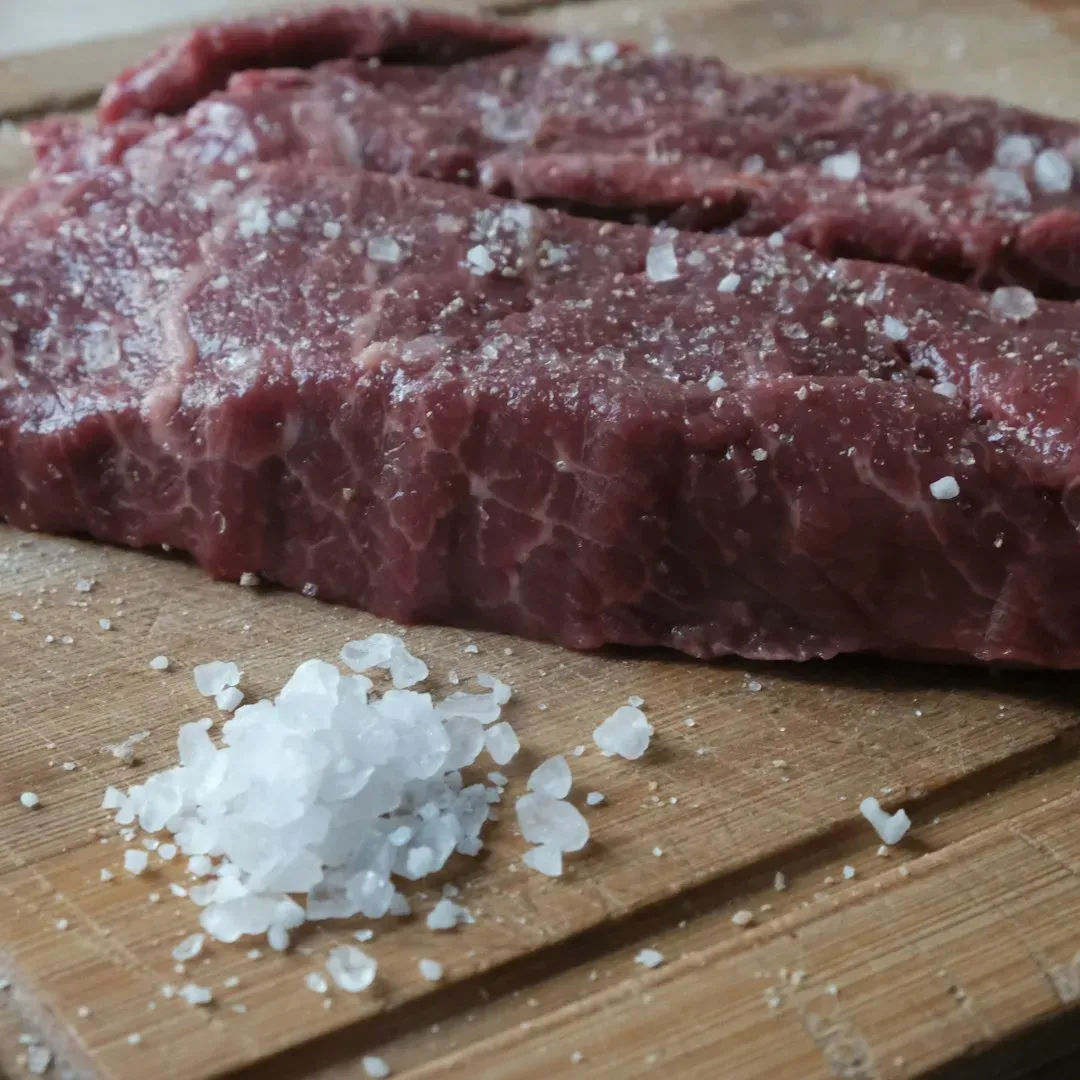
2. Hanger Steak (Image Credits: Unsplash)
A hanger steak, also known as butcher’s steak or hanging tenderloin, is a cut of beef prized for its flavor. Most chefs say it has the flavor of a ribeye and the tenderness of a filet. There is only one hanger steak per animal. A 1,200-pound animal that yields 800 pounds of beef has just one hanger steak of about 16 to 32 ounces, making it a rare gem.
Many butchers consider hanger steak to be one of the most tender cuts, featuring deep intramuscular fat, or marbling, that, once prepared, provides a rich flavor that’s undeniably juicy. Brian Smith, Co-owner of The Butchery in California, puts it simply: “Hanger steak loves the grill; sear it hard and fast.” Slice it against the grain and it practically melts.
3. Chuck Eye Steak
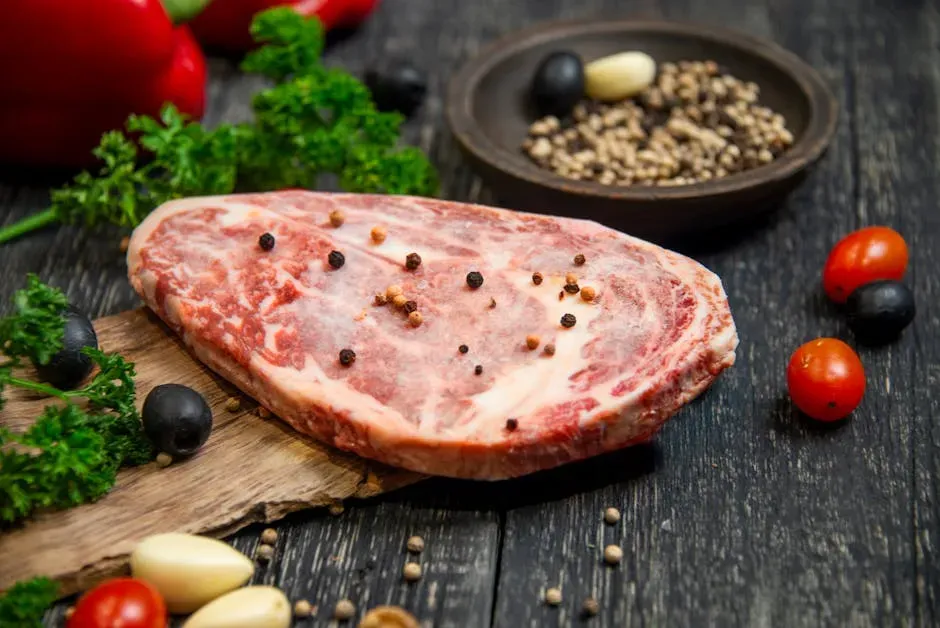
3. Chuck Eye Steak (Image Credits: Pexels)
The chuck eye is sometimes called the “poor man’s ribeye,” and it lives up to its name. Cut from the same section, it has plenty of marbling and buttery beef flavor for about half the cost. This cut comes from the fifth rib of the cow, between the chuck and ribeye, and is rich in flavor, balanced similarly to the ribeye, but costs less.
There are only two per cow, so these might be a little tougher to find in the store. They are a bit tougher than ribeyes because they come from the fifth rib, but they are still tender enough to be seared quickly on high heat. Since these steaks tend to be on the thicker side, you can achieve a nicely charred crust without overcooking them. Worth calling ahead to your butcher for.
4. Denver Steak
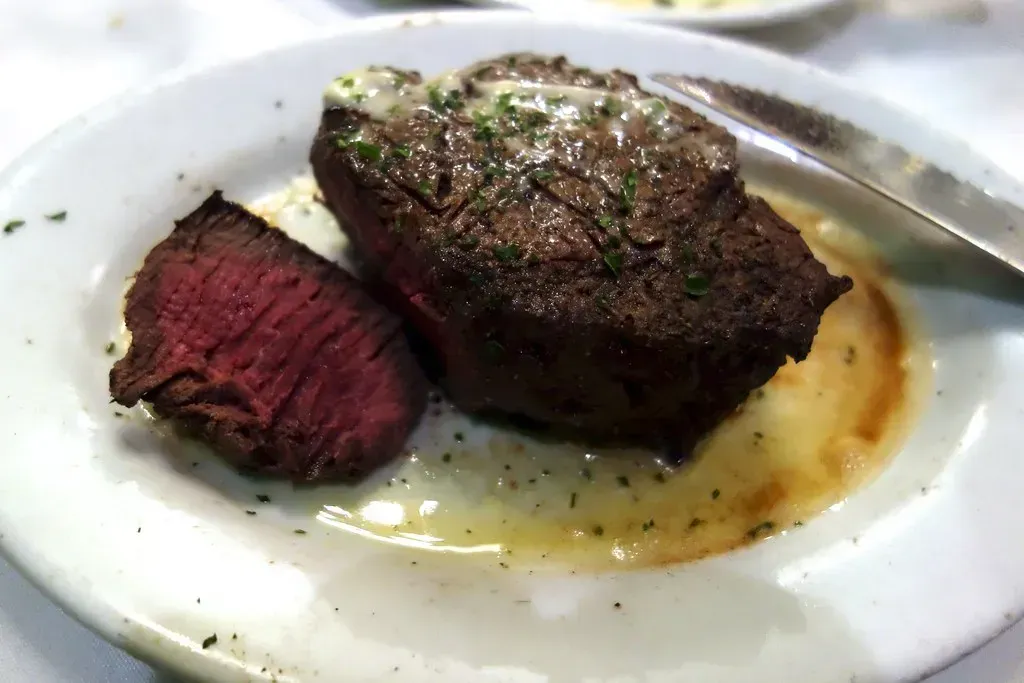
4. Denver Steak (pelican, Flickr, <a href="https://creativecommons.org/licenses/by-sa/2.0/" target="_blank" rel="noopener">CC BY-SA 2.0</a>)
The Denver steak was discovered in 2008 following a research project funded by the Cattlemen’s Beef Board. The goal was to identify new, tender cuts within the chuck primal, a section of the cow traditionally known for tough, slow-cook roasts. It has since been ranked as the fourth most tender muscle in the entire animal, trailing only the tenderloin, the flat iron, and the ribeye cap.
Denver steak is a well-marbled steak cut from the chuck underblade. It tastes as beefy as a chuck roast, as tender as a filet mignon, and as juicy as a ribeye. Removing this muscle takes a deft hand and a skilled butcher, so you might encounter a blank stare if you ask for it at a restaurant or grocery store. A specialty butcher is your best bet, and it’s well worth the detour.
5. Picanha (Sirloin Cap)
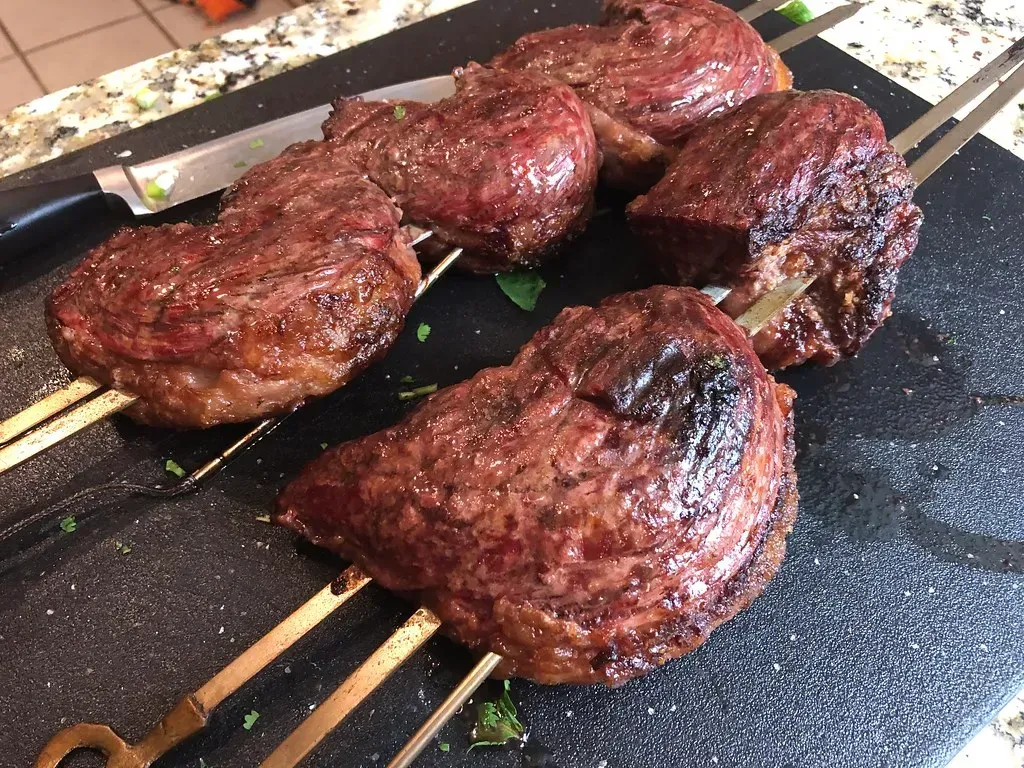
5. Picanha (Sirloin Cap) (Wesley Fryer, Flickr, <a href="https://creativecommons.org/licenses/by/2.0/" target="_blank" rel="noopener">CC BY 2.0</a>)
Picanha is a favorite in Brazilian steakhouses for good reason. It’s tender like filet, rich like ribeye, and far more affordable at about half the price. Cut from the top of the rump, this triangular steak features a thick fat cap that bastes the meat as it cooks, locking in moisture and adding deep, rich beef flavor.
Picanha is juicy and full of character, making it a popular choice for grilling. The fat cap is a goldmine of flavor. While it sizzles with the beef, it liquefies, infusing the muscle fibers with even more tenderness. As one expert notes, “What’s wonderful is the fat cap melts and bastes the meat as it cooks.” Whatever you do, don’t trim it before grilling.
6. Bavette (Flap Steak)
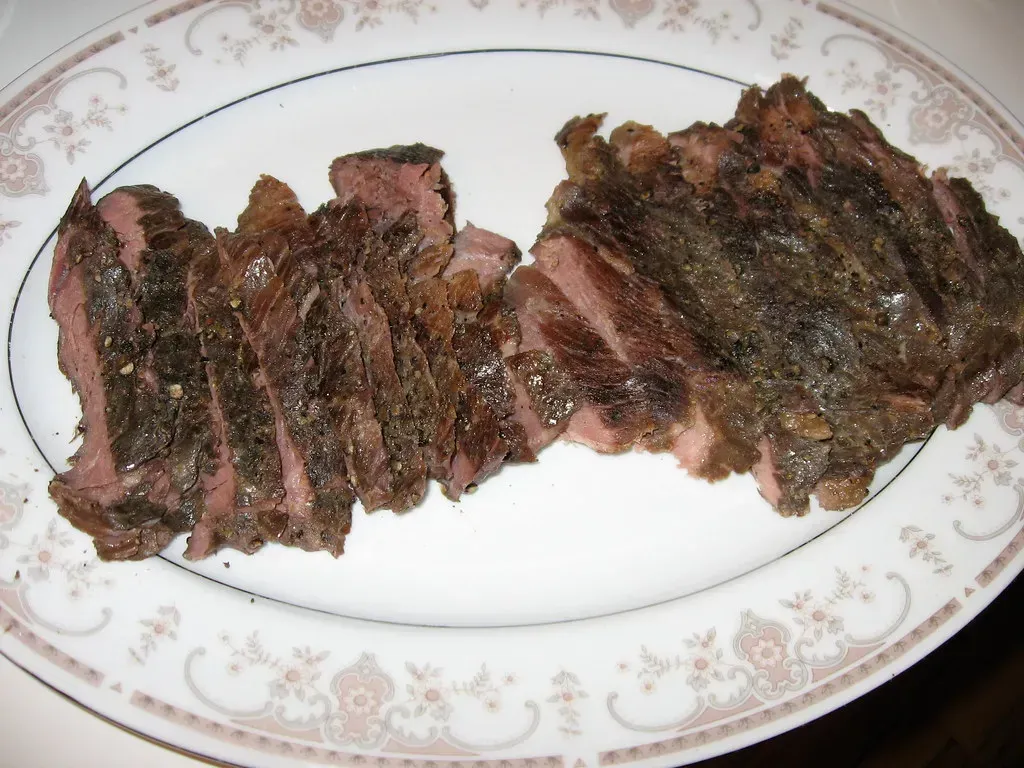
6. Bavette (Flap Steak) (arnold | inuyaki, Flickr, <a href="https://creativecommons.org/licenses/by/2.0/" target="_blank" rel="noopener">CC BY 2.0</a>)
The term Bavette steak comes from France. Here in the United States, it’s called flap steak or sirloin flap. It’s another type of flank or skirt steak that is under-used. A relatively unknown cut of meat, it is thicker and meatier than the flank, has a rich beefy flavor, and is quite tender if cooked properly.
One expert praises the Bavette for its “outstanding cost-to-flavor ratio.” True believers can expect the cut to be mouthwatering and prone to the moistest, juiciest sensibility. The recommendation is to sear the steak whole before carving, and to cut against the grain, because super-tender beef and proper technique go hand-in-hand. The name “flap steak” on supermarket labels doesn’t do it any favors, but don’t let that put you off.
7. Teres Major (Petite Tender)
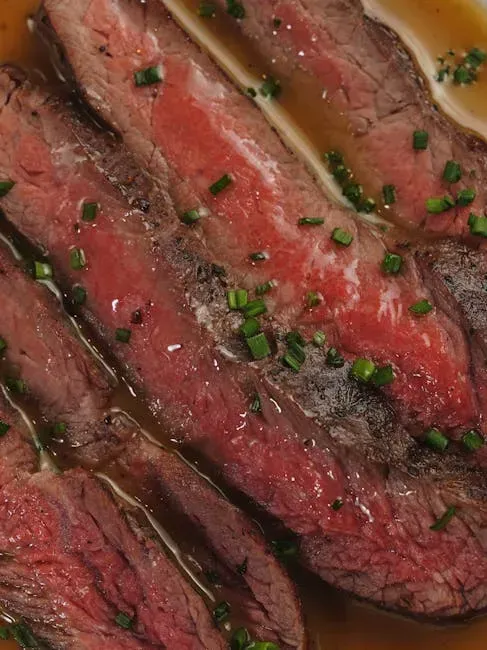
7. Teres Major (Petite Tender) (Image Credits: Pexels)
Also known as the teres major, the petite tender is one of the most overlooked value cuts in the meat case. It’s shaped like a small tenderloin and comes from the chuck, but it stays remarkably tender because the muscle sees little use. At around $7.30 per pound, it delivers filet mignon-style tenderness for roughly half the price.
The shoulder petite tender is a hidden gem in the shoulder clod. Weighing around three quarters to one pound, it resembles nothing so much as a small beef tenderloin. It can be smoke-roasted whole or sliced into medallions like filets mignon. The shoulder petite tender has more flavor than its pricey counterpart. You won’t find it sold at a lot of places because it’s small and requires a considerable amount of work to separate. It’s also not very plentiful on the cow, so butchers and meat plants don’t get much payoff for the added effort. That obscurity is exactly what keeps it affordable.
The pattern across all seven cuts is the same: muscles that either see very little movement, or are simply harder for butchers to isolate efficiently, tend to punch well above their weight when it comes to flavor. Inexpensive meat, cheap meat, value cuts, lesser-used and lesser-known cuts of meat can make magnificent meals, if they are cooked in the appropriate manner. Knowing which cuts to ask for, and how to cook them, is really the only advantage you need.