
Most people have a habit of ignoring the small stuff: loose change in a coat pocket, crumpled dollar bills at the bottom of a bag, a few old coins rattling around in a junk drawer. That casual indifference is understandable. Most of it really is worth exactly what it says on the face. But not all of it.
The world of numismatics, the study and collection of currency and coins, is full of genuine surprises. Some are hiding in plain sight, in ordinary wallets and forgotten piggy banks. A close look at what you already own might be worth your time.
The 2013 Series $1 Bill Error That Collectors Are Hunting Right Now
The 2013 Series $1 Bill Error That Collectors Are Hunting Right Now (Image Credits: Unsplash)
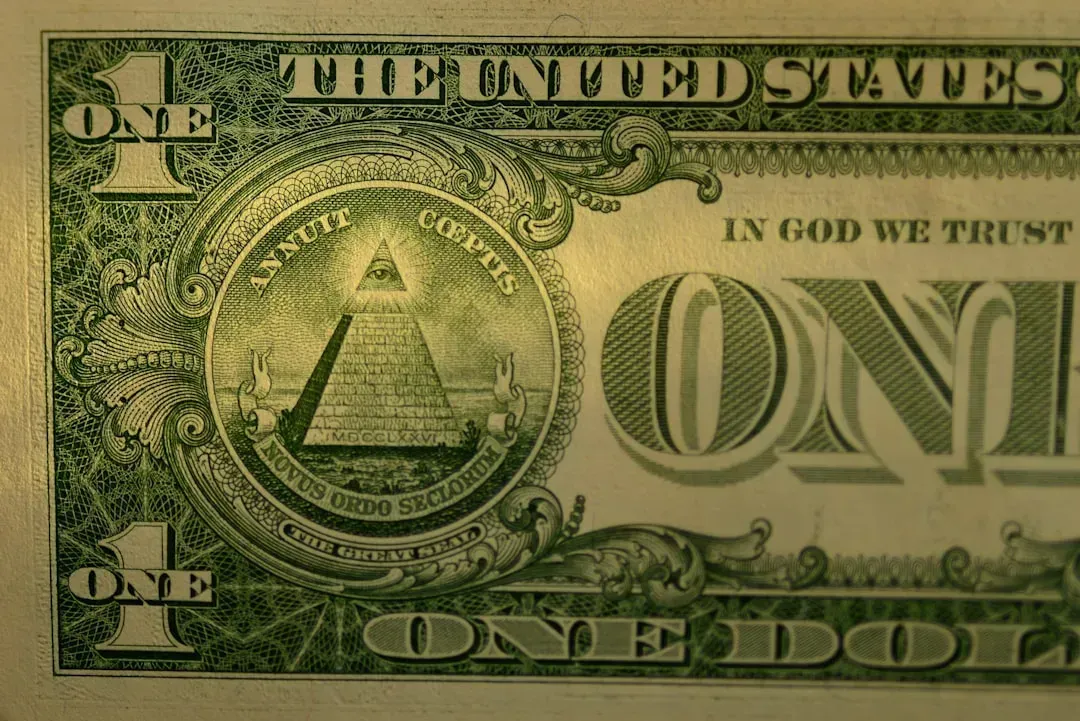
In 2014, the Bureau of Engraving and Printing made a rare printing error that resulted in millions of $1 bills with duplicate serial numbers entering into circulation. The problem was straightforward: every bill is supposed to carry a unique identifier, and this batch didn’t. A total of 6.4 million banknotes were printed with the error in 2014 and 2016, with one batch issued by the Federal Reserve in New York and a second from Washington D.C.
What makes these bills valuable is the pairing. The challenge for collectors is finding matching pairs of these bills. Although millions were issued, only 37 pairs have been discovered so far. Depending on the condition, these pairs can sell for at least $20,000. Mint-graded notes might fetch as much as $150,000 at auction. Dollar bills that could be worth thousands have three indicators: the series date near Washington’s photograph should read “Series 2013,” the bill must have a “B” Federal Reserve Seal above the serial number, and the serial number must end with a star and fall between B00000001 and B00250000 or B03200001 and B09600000.
Silver Certificates: Old Paper Money That Still Has Real Value
Silver Certificates: Old Paper Money That Still Has Real Value (kevin dooley, Flickr, <a href="https://creativecommons.org/licenses/by/2.0/" target="_blank" rel="noopener">CC BY 2.0</a>)
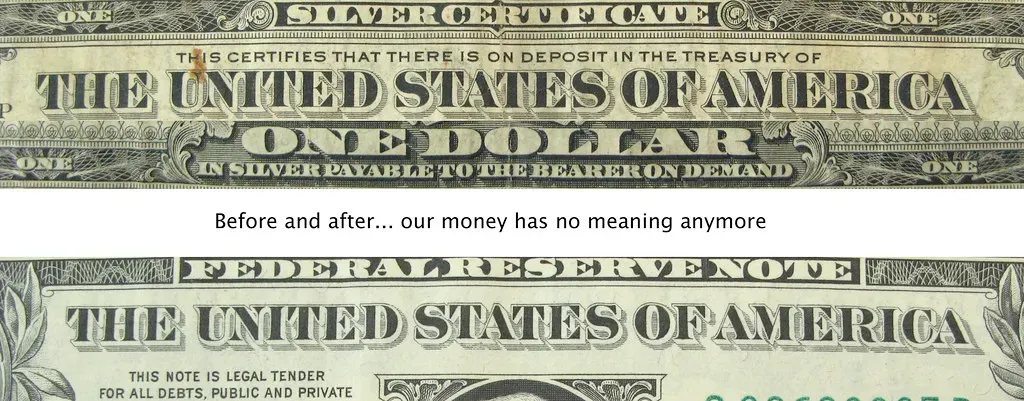
A silver certificate is a U.S. paper note that the federal government issued from 1878 to 1964. At the time it was printed, the bill was a claim check on a specific amount of physical silver held by the Treasury. You could walk into a bank, hand over a $1 silver certificate, and walk out with a silver dollar coin or an equivalent amount of silver bullion. Those days are long gone, but the notes themselves still carry real collector value.
Common 1935 and 1957 series notes are usually valued slightly above face value. However, rare notes, especially those with star serial numbers, fancy patterns, or error prints, may command high prices at auction. The most common certificates are currently valued at either their face value or just a little higher. However, the rarer bills can quickly reach a value of $1,000 or more. One exceptional example sold at Heritage Auctions for close to $100,000, a testament to how dramatically rarity and condition can combine to drive prices up.
The 1943 Copper Penny: A WWII Mistake Worth a Fortune

The 1943 Copper Penny: A WWII Mistake Worth a Fortune (Image Credits: Pexels)
The 1943 Copper Penny stands as one of the most valuable rare coins, fascinating coin collectors due to a notable production error. During World War II, the U.S. Mint transitioned to steel for the penny to conserve copper, essential for the war effort. Despite this, approximately 40 pennies were mistakenly struck using copper blanks, resulting in their rarity. The simple accident of leftover copper blanks slipping through the production line created one of the most storied coins in American history.
Key spotting tips include a magnet test: genuine 1943 steel cents are magnetic, while a copper 1943 penny will not stick to a magnet. Weight check: a steel cent weighs 2.7 grams, while a copper cent weighs about 3.1 grams. The 1943 Copper Penny was once found by a schoolboy in a lunchbox and later sold for over $1.7 million. That kind of discovery is unlikely but not impossible, which is precisely why every 1943 penny you find is worth testing.
The 1955 Doubled Die Penny: Doubling That Pays Off

The 1955 Doubled Die Penny: Doubling That Pays Off (Image Credits: Pexels)
In 1955, one of the working obverse dies at the Philadelphia Mint was misaligned on the second blow from the working hub, resulting in a doubled image. This most noticeably affected the date and inscriptions. It is estimated that 40,000 of these coins were minted, all during one night shift at the Philadelphia Mint. Roughly 20,000 to 24,000 of the pennies were introduced into circulation. The 1955 doubled die is one of the most famous die varieties in U.S. coinage.
One of the most popular double die Lincoln penny examples is the 1955 DDO. The doubling on the obverse inscriptions, particularly “LIBERTY” and “IN GOD WE TRUST,” is unmistakable, visible even without magnification. In uncirculated condition, this double die obverse wheat penny can fetch between $10,000 and $125,000, depending on grade and eye appeal. In 2024, a pocket-change 1955 doubled die in almost uncirculated condition sold for $4,560 at auction. Even worn examples can still bring solid returns from the right buyer.
Fancy Serial Numbers: When Your Ordinary Bill Is Anything But
Fancy Serial Numbers: When Your Ordinary Bill Is Anything But (Image Credits: Unsplash)
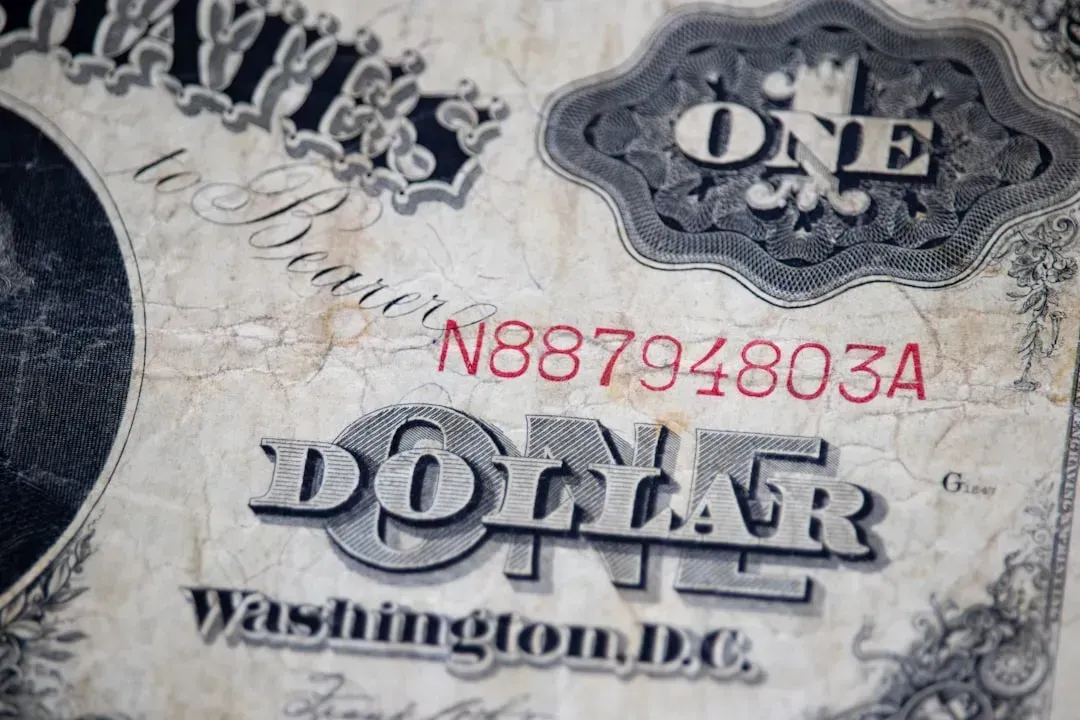
You can tell if your dollar bills are worth money by checking the bill’s serial number. Low, high, repeating, solid, consecutive, doubles, and stars in serial numbers are a few details to look out for when determining if your dollar bills are more valuable than their face value. Condition matters too, but it’s the serial number that is really driving collector interest in modern currency.
Only about one out of every 11 million notes is a solid, and they can be worth $500 or more. Some super-rare ones have been listed on eBay for thousands of dollars. Because these notes are so rare, people also collect near-solids, where only one digit differs, like 55555575. These will usually bring in less money than a solid, but you’re more likely to find one. A radar serial number reads the same backwards and forwards, like a palindrome, for example 06288260. A good condition, uncirculated $1 radar could sell for about $25 or even more than $100.
The 1913 Liberty Head Nickel: One of the Rarest Coins in Existence
The 1913 Liberty Head Nickel: One of the Rarest Coins in Existence (Image Credits: Pexels)
The 1913 Liberty Head Nickel is one of the most valuable rare coins globally. Only five examples exist, making it a highly coveted item for any coin collector. Despite not being officially authorized, these nickels were clandestinely minted, contributing to their unique status and immense value. Their unauthorized origin adds a layer of intrigue that has kept them at the center of numismatic conversation for over a century.
These coins showcase the design by Charles E. Barber, who famously minted the Liberty Head Nickel from 1883 to 1912. Their unexpected appearance in 1913 added intrigue and historical importance, increasing their appeal to collectors. With only five specimens known to exist, the chances of one turning up in a coin jar are essentially zero. Still, the story of this coin is a useful reminder of just how dramatically unauthorized or accidental production can create lasting value.
Silver Certificate Star Notes: Small Symbol, Big Difference
Silver Certificate Star Notes: Small Symbol, Big Difference (Image Credits: Pexels)
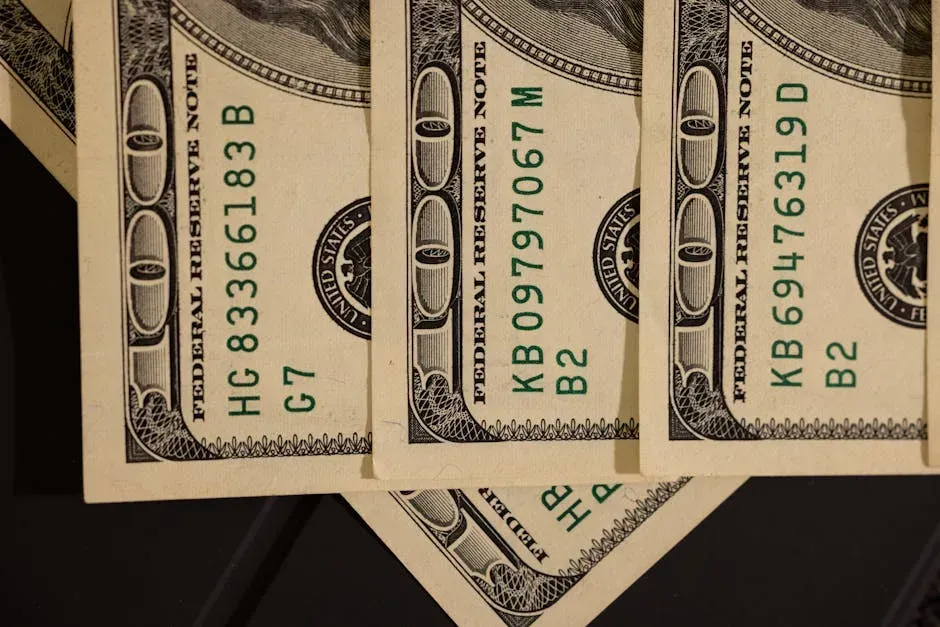
Star notes are special replacement banknotes issued by the Federal Reserve when defects are discovered during the regular printing process. These notes are identified by a star symbol at the end of their serial numbers. Because they are printed in far smaller quantities than standard runs, they tend to attract collector interest almost automatically.
The Bureau of Engraving and Printing prints star notes as replacements for sheets damaged during production, and they are issued in much smaller quantities than regular notes. Star notes from any series before 1957 carry particular collector interest. Star notes, misprints, and bills with low serial numbers tend to command higher premiums. Earlier series, especially those from the late 1800s or the well-regarded 1896 Educational Series, are more likely to see increased demand and higher resale prices.
The 1933 Saint-Gaudens Double Eagle: The Most Valuable U.S. Coin Ever Sold
The 1933 Saint-Gaudens Double Eagle: The Most Valuable U.S. Coin Ever Sold (Image Credits: Rawpixel)
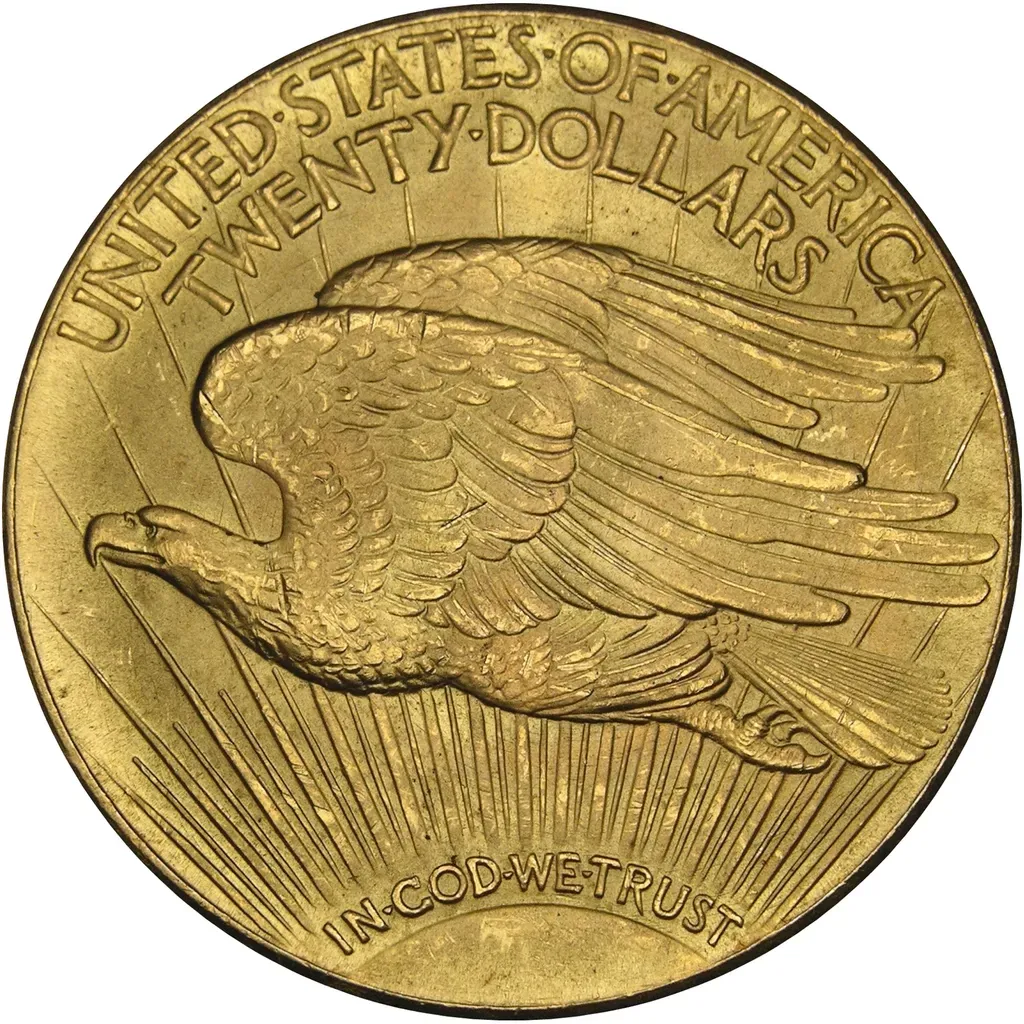
The 1933 Saint-Gaudens Double Eagle captivates the numismatic world due to its unmatched rarity and astronomical value. Valued at approximately $22 million, this coin is the most valuable U.S. coin ever sold at auction. During the tumultuous transition from the gold standard to fiat currency in 1933, the U.S. government melted most of these coins into gold bars. Designed by Augustus Saint-Gaudens, this coin was minted from 1907 to 1933, with the 1933 version never officially entering circulation.
The law took effect in spring 1933 and required the melting of the entire existing production of those coins. The government spared only two examples for the Smithsonian Collection, but it turns out about a dozen escaped the United States Mint. Only one is legally obtainable for private ownership. The gap between what this coin represents historically and what it commands financially is a defining example of why numismatics continues to attract serious money.
The 1794 Flowing Hair Silver Dollar: The Beginning of American Currency
The 1794 Flowing Hair Silver Dollar: The Beginning of American Currency (Image Credits: By 1795DollarObverse.jpg: Dave Baker, www.valuable-coin-stories.com
derivative work: Sreejith K (talk), <a href="https://commons.wikimedia.org/w/index.php?curid=15108431" target="_blank" rel="noopener">Public domain</a>)
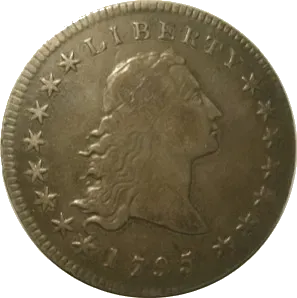
The 1794 Flowing Hair Silver Dollar may sit atop the rankings of the most expensive coin ever sold, at least for now. Some experts believe it was the first silver dollar struck by the U.S. Mint. The front features a profile of Lady Liberty with flowing hair, while the reverse shows an American eagle. Fewer than 1,800 of these coins were ever produced, and one expert puts the number of remaining coins at between 120 and 130.
Coins like this one are not going to appear in your pocket change, but they occasionally surface in estate collections that have sat untouched for decades. Many of the valuable coins on this level are not likely to be hiding in your attic since they are tremendously rare, but not all of them are super expensive. Some more recent examples from the 20th century may be relatively affordable and are more likely to be tucked away somewhere quiet or in a safe deposit box. If you’ve inherited a coin collection without really examining it, it’s worth the time to have a professional take a look.
How to Get Your Bills and Coins Properly Valued
How to Get Your Bills and Coins Properly Valued (Image Credits: Pexels)
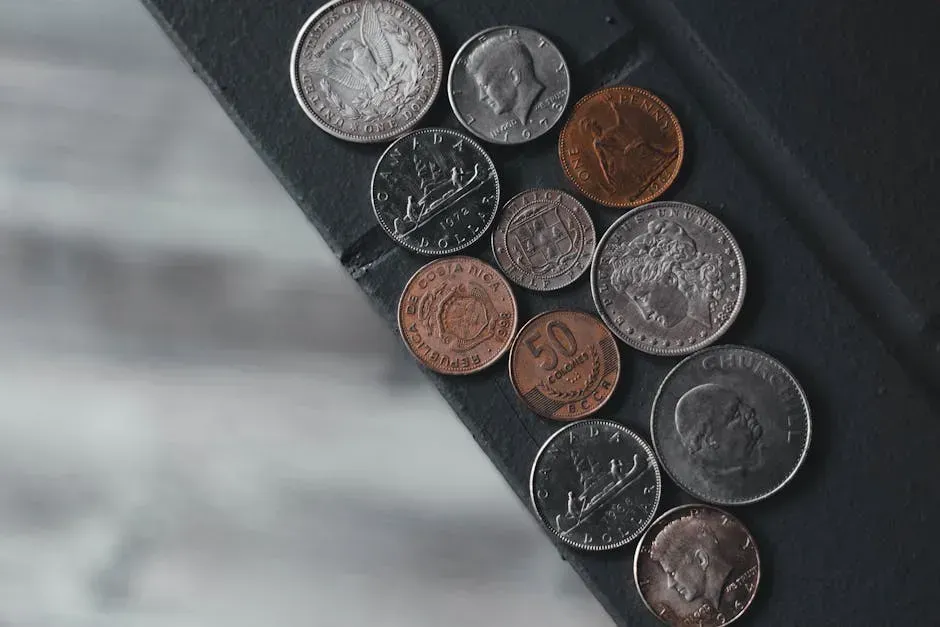
Twenty-eight of the top 30 highest auction prices for coins sold during 2024 were achieved with coins graded by the Professional Coin Grading Service. It continues a longtime trend of the rarest and most valuable coins being encapsulated by PCGS. Third-party grading is broadly considered the most reliable path to accurate valuation and stronger sale prices. PCGS and NGC will authenticate and assign a grade, sealing the coin in a protective holder. Certified coins almost always bring higher sale prices because collectors trust the accuracy and authenticity of the grade.
Online databases, auction sites, and collector sites are useful first steps. Sites such as Heritage Auctions, PCGS Currency, and eBay will provide you with an estimate of what similar bills are selling for. Whatever you do, resist the urge to clean a coin before getting it assessed. Cleaning almost always reduces collector value, sometimes dramatically. The original surface, even if it looks worn to you, is exactly what experienced buyers want to see.