
There’s a particular kind of silence that settles in when a family stops inviting you to things. Nobody announces it. No one sends a text explaining the change. It just happens, one skipped holiday and one missed birthday party at a time, until you realize the pattern has been there for months.
Recognizing these moments early can save a lot of confusion and hurt feelings later. Below are eight common signals that suggest the invitations have slowed down, along with what usually sits behind each one.
1. The group chat goes quiet around you specifically

1. The group chat goes quiet around you specifically (Image Credits: Pexels)
Family group chats tend to buzz constantly with photos, memes, and planning chatter. When someone notices that the chat still lights up for others but conversations seem to pause or shift right after they respond, that’s worth paying attention to. Sometimes it’s timing, but a repeated pattern suggests people are coordinating elsewhere.
This often happens when a smaller, more active planning thread has formed without a person’s knowledge. It’s rarely intentional cruelty. More often it reflects who happens to be geographically closer or who responds fastest when logistics need sorting out.
2. Invitations arrive later than everyone else's
2. Invitations arrive later than everyone else's (Image Credits: Pexels)
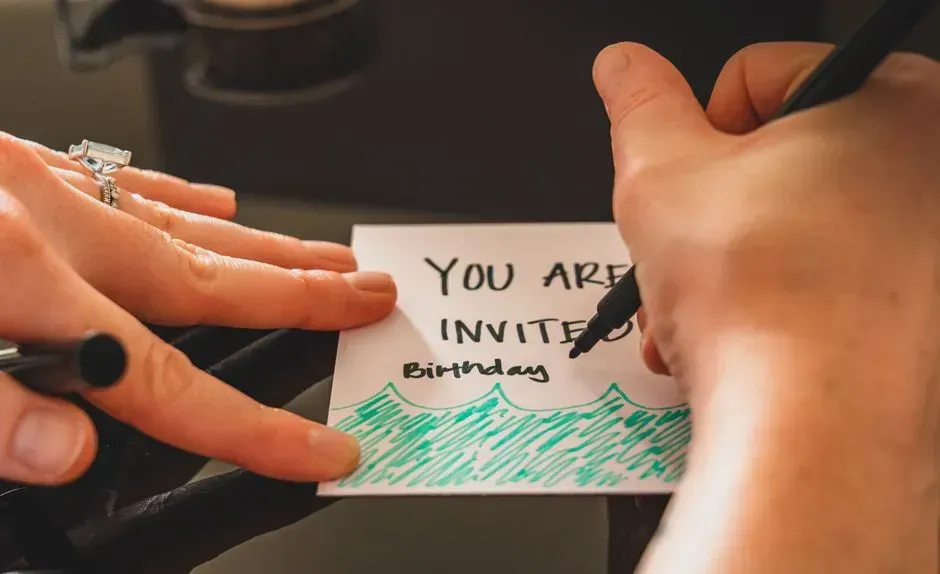
There’s a difference between being told about a gathering three weeks out versus getting a text two days before, almost as an afterthought. When the timing gap becomes consistent, it usually signals that person wasn’t part of the original planning conversation. They were added later, sometimes as a courtesy rather than a genuine expectation of attendance.
Late invitations also tend to arrive without details that early invitees already have, like what to bring or what time things actually start. That gap in information is often a byproduct of being on the outer edge of the planning circle rather than the center of it.
3. Smaller sub-gatherings start happening without a mention

3. Smaller sub-gatherings start happening without a mention (Image Credits: Pexels)
Family life increasingly happens in smaller clusters rather than one big yearly reunion. A sibling might mention, almost in passing, that they had lunch with the cousins last weekend, or that the aunts got together for someone’s birthday. These smaller meetups aren’t necessarily an intentional exclusion, but they do reveal where the current social center of gravity sits.
Over time, these smaller gatherings can become the primary way a family stays connected, while the big formal invite lists shrink or stop being sent altogether. Someone who used to be included in every layer of family life might now only hear about the biggest events, if that.
4. RSVPs are assumed rather than requested

4. RSVPs are assumed rather than requested (Image Credits: Pexels)
When a host stops asking whether someone is coming and instead just mentions the event as something happening, that’s a subtle shift. It suggests the host has already mentally filed that person as likely not attending, so a formal RSVP request feels unnecessary. This is different from an active decline; it’s more of a quiet recalibration of expectations.
This pattern tends to develop after a person has missed several gatherings in a row, even for legitimate reasons like distance, work schedules, or family responsibilities. Hosts often stop extending pointed invitations once they’ve absorbed a pattern of absence, even if that absence was never meant as a statement.
5. Photos and recaps appear online before any invite ever did

5. Photos and recaps appear online before any invite ever did (Image Credits: Pexels)
Social media has changed how people find out about family events. It’s now fairly common to first learn a gathering happened by seeing photos posted afterward rather than through direct communication beforehand. When this becomes the primary way someone hears about family events, it’s a clear sign they’ve drifted out of the direct planning loop.
This isn’t always about deliberate exclusion. Many family hosts simply forget to individually notify everyone and rely on social posts to spread the word informally. Still, learning about a cousin’s birthday party through an Instagram story rather than a text carries a different emotional weight.
6. Communication becomes one-directional

6. Communication becomes one-directional (Image Credits: Pixabay)
A gathering invite drying up rarely happens in isolation. It often coincides with a broader pattern where messages, calls, or check-ins start flowing mostly in one direction. Someone might notice they’re the one initiating birthday wishes, holiday texts, or casual catch-ups, while responses trail off or never really include reciprocal outreach.
This imbalance can build gradually and go unnoticed until someone actually tallies up who reached out last. When invitations to gatherings stop alongside this broader communication drop-off, it usually points to a wider shift in how connected that person still feels to the group, rather than one isolated snub.
7. Excuses shift from specific to vague

7. Excuses shift from specific to vague (Image Credits: Pexels)
Early on, a missed invite might come with a clear, specific reason: a work trip, a sick kid, a scheduling conflict that’s easy to verify. Over time, if invitations quietly become less frequent, the excuses tied to related conversations often become vaguer too, things like being busy or not being sure of plans yet. This shift in specificity is often unconscious but telling.
Vague language gives people room to avoid confrontation without lying outright. It’s a soft way of managing expectations without having to explain the deeper why behind reduced contact.
8. Nobody follows up when an invite is missed

8. Nobody follows up when an invite is missed (Image Credits: Unsplash)
When someone can’t make it to a family event, a natural next step is often a follow-up, a text asking if they’re free next time, or a call checking in on why they couldn’t attend. When that follow-up stops happening, it suggests the gathering has become less of a two-way relationship and more of a passive courtesy extended out of habit.
This lack of follow-up is often the clearest marker that an invite pattern has genuinely dried up, rather than simply gone through a temporary lull. Genuine ongoing relationships tend to include some form of check-in when plans don’t work out, even if it’s brief.
Family dynamics shift gradually, shaped by distance, life stages, and the everyday logistics of who happens to be nearby when plans come together. Noticing these signs doesn’t have to mean assigning blame. It can simply be useful information, a way of understanding where things currently stand and deciding what, if anything, to do about it.