
Dinner tables reveal more about a child's development than most parents realize. What looks like ordinary mealtime behavior, from how a kid holds a fork to whether they chat about their day, actually offers a quiet window into emotional growth, social skills, and family bonds. Child psychologists and family therapists have spent years studying these small moments, and their findings suggest that a handful of dinner habits carry real weight.
1. They ask questions about other people's day

1. They ask questions about other people's day (Image Credits: Pexels)
When a child turns the conversation toward a parent or sibling and genuinely wants to know how their day went, it signals an emerging sense of empathy and social awareness. Researchers who study family communication patterns have long noted that children who practice this kind of reciprocal exchange at home tend to carry those same skills into friendships and classroom settings. It is a small habit, but it reflects a child learning that conversation is a two way street rather than a stage for their own updates.
Family therapists often point out that this behavior does not appear out of nowhere. It usually mirrors what a child sees modeled by adults at the table. A parent who regularly asks a child thoughtful follow up questions is essentially teaching, without ever announcing a lesson, that curiosity about others is valued in that household.
2. They help set or clear the table without being asked
2. They help set or clear the table without being asked (Image Credits: Unsplash)
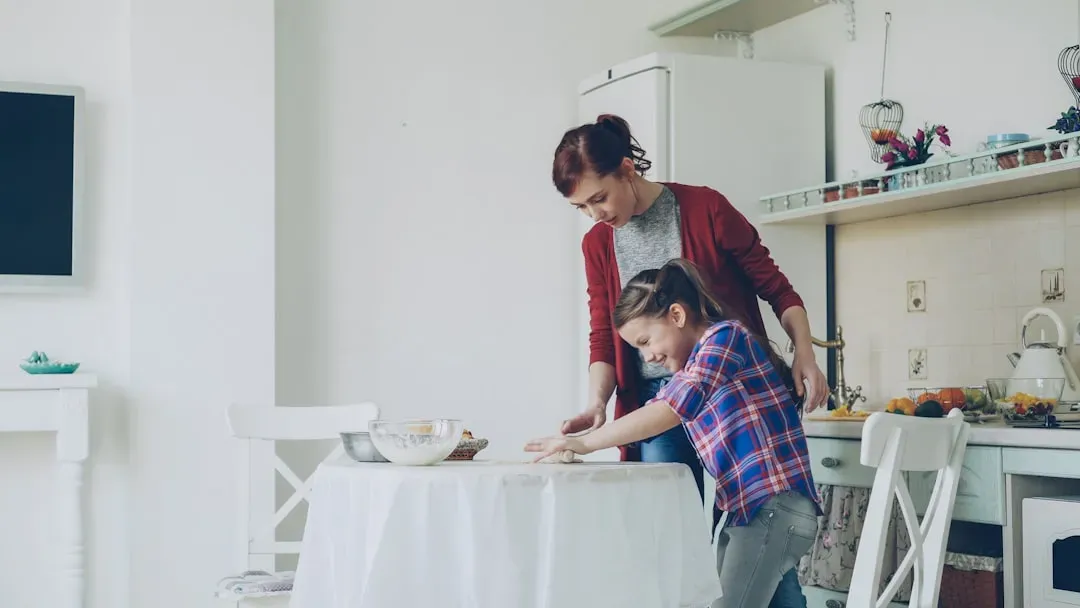
A child who spontaneously grabs plates or napkins before or after a meal is displaying more than good manners. Developmental experts describe this as an early sign of intrinsic motivation and household responsibility, traits that research on child development has linked to stronger self regulation later in life. It suggests the child has internalized the idea that contributing to shared spaces is simply part of belonging to a family.
This kind of voluntary participation tends to grow when children are given small, age appropriate tasks early and are thanked rather than over praised for them. Overpraising can sometimes make chores feel transactional, while a simple acknowledgment reinforces the behavior as normal and expected. Over time, this builds a quiet sense of competence that shows up well beyond the kitchen.
3. They try new foods, even reluctantly
3. They try new foods, even reluctantly (Image Credits: Pexels)
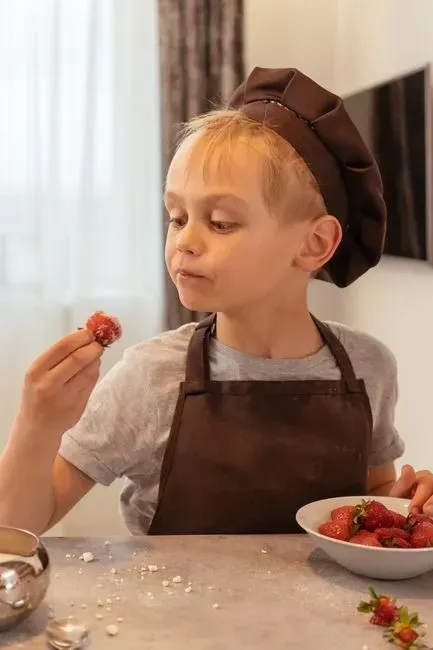
Pediatric nutrition specialists frequently note that willingness to at least taste something unfamiliar, even with a hesitant face, is a meaningful marker of flexibility and trust. Food researchers have found that children often need repeated, low pressure exposures to a new item before they accept it, sometimes a dozen tries or more. A single hesitant bite is not rejection, it is often the early stage of acceptance forming.
Parents who avoid turning mealtime into a battle over vegetables or unfamiliar dishes tend to see more of this exploratory behavior over time. Pressure and bribery, according to feeding specialists, frequently backfire and make children more resistant. A relaxed table environment, by contrast, gives kids the emotional safety to experiment with taste in their own time.
4. They talk about their feelings, good or bad
4. They talk about their feelings, good or bad (Image Credits: Pexels)
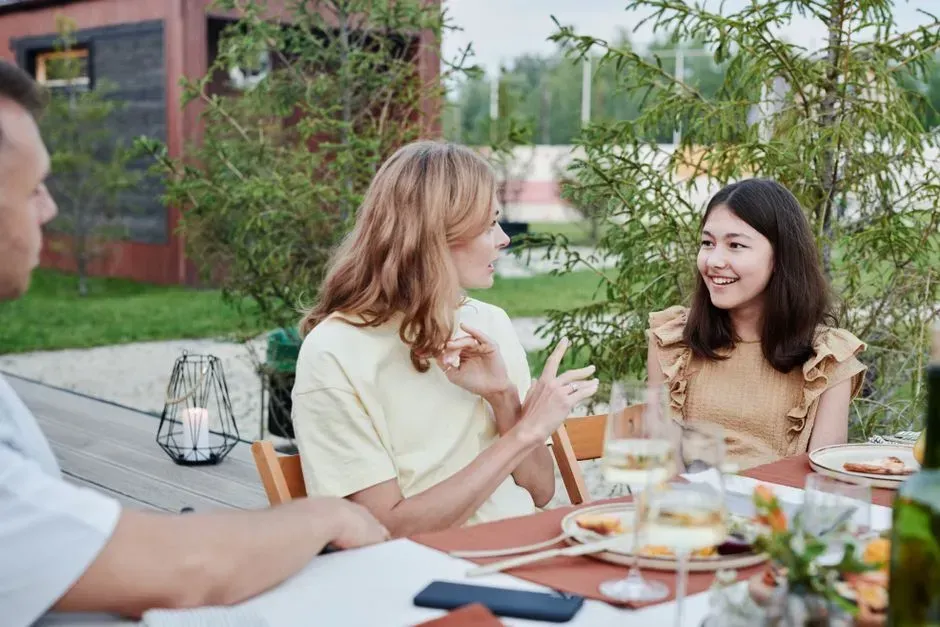
When a child mentions feeling frustrated about a friend or excited about a school project during dinner, it shows they view the table as a safe emotional outlet. Child psychologists studying family mealtime research have consistently found that regular family dinners are associated with better emotional expression and lower rates of anxiety and depression symptoms in children and teens. The dinner table, in this sense, functions as an informal but powerful check in point.
This openness rarely happens if children sense judgment or rushed responses when they share something vulnerable. Family therapists recommend that parents resist the urge to immediately problem solve and instead simply listen first. That small shift, listening before advising, is often what keeps kids willing to talk again the next night.
5. They ask permission before leaving the table
5. They ask permission before leaving the table (Image Credits: Unsplash)
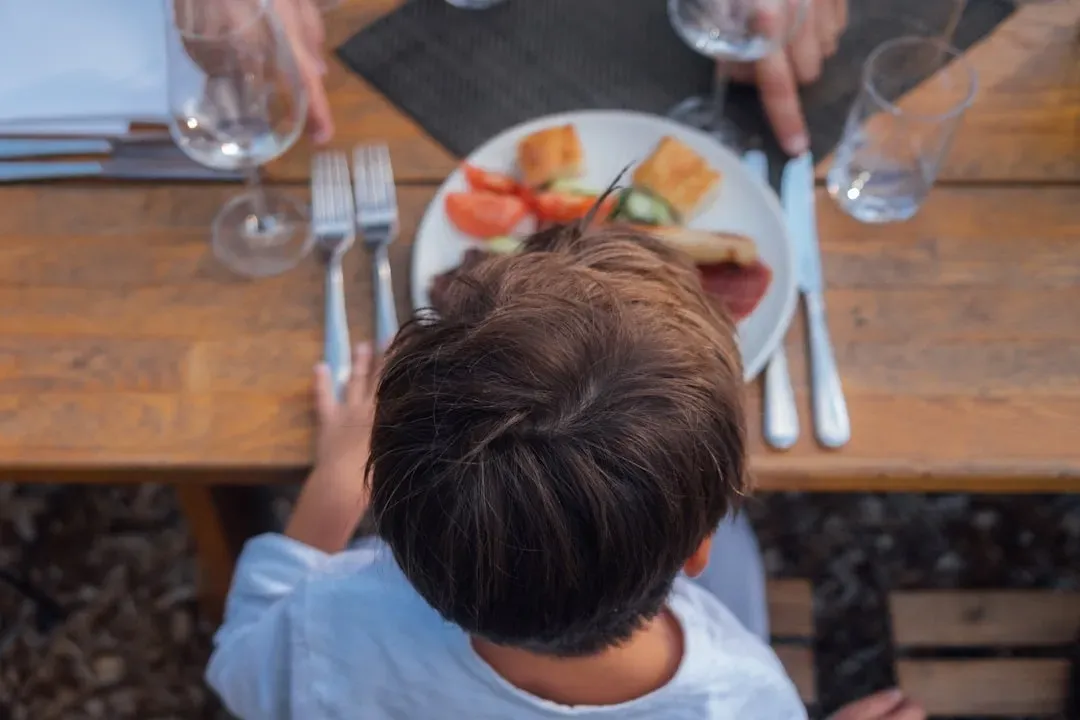
A child who asks whether they can be excused, rather than just wandering off, is demonstrating an understanding of shared social rituals and respect for others’ time. Etiquette and child development specialists describe this as an early form of social contract awareness, the recognition that a meal is a collective activity with an unspoken beginning and end for everyone involved. It is a small courtesy, but it reflects growing consideration for the people around them.
This habit usually forms through consistent, gentle reinforcement rather than strict rule enforcement. Children who are reminded calmly and repeatedly, rather than scolded, tend to adopt the behavior naturally within a matter of months. It becomes less about obedience and more about genuine awareness of others sharing the space.
6. They notice when someone else needs something
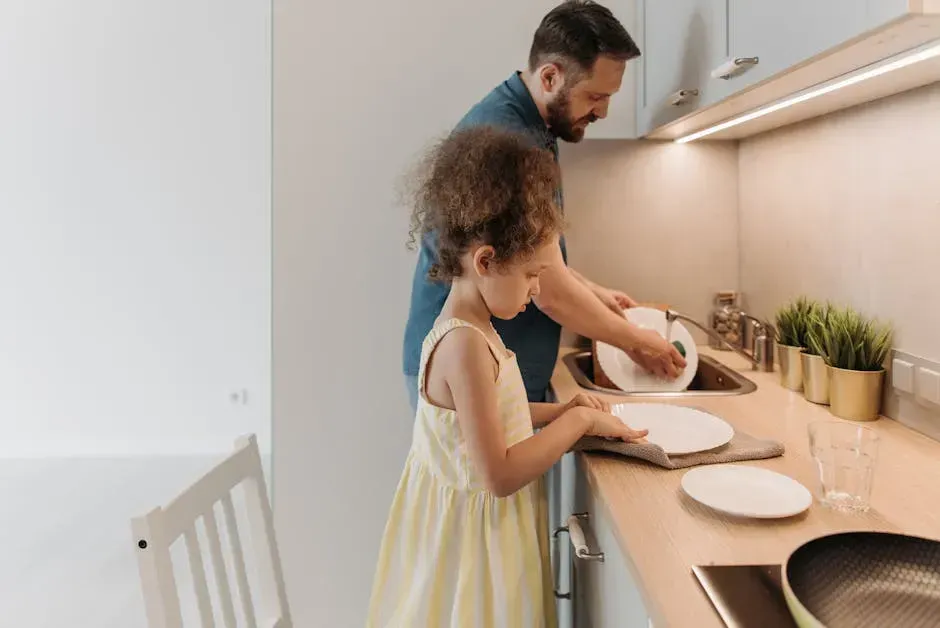
6. They notice when someone else needs something (Image Credits: Pexels)
If a child passes the water pitcher before being asked or notices a sibling has run out of napkins, that observational habit points to developing empathy and attentiveness. Psychologists who study prosocial behavior in children note that these small acts of noticing are often stronger indicators of empathy than more obvious gestures like sharing toys, because they require unprompted awareness rather than a direct request. It is a subtle skill, but one that tends to carry into how a child treats classmates and friends.
This attentiveness often develops faster in households where parents narrate their own noticing out loud, saying things like mentioning that someone looks like they need more water. Children absorb this kind of modeling remarkably quickly. Within a household that talks through small considerate acts, kids tend to start mirroring them without prompting.
7. They laugh and joke during the meal
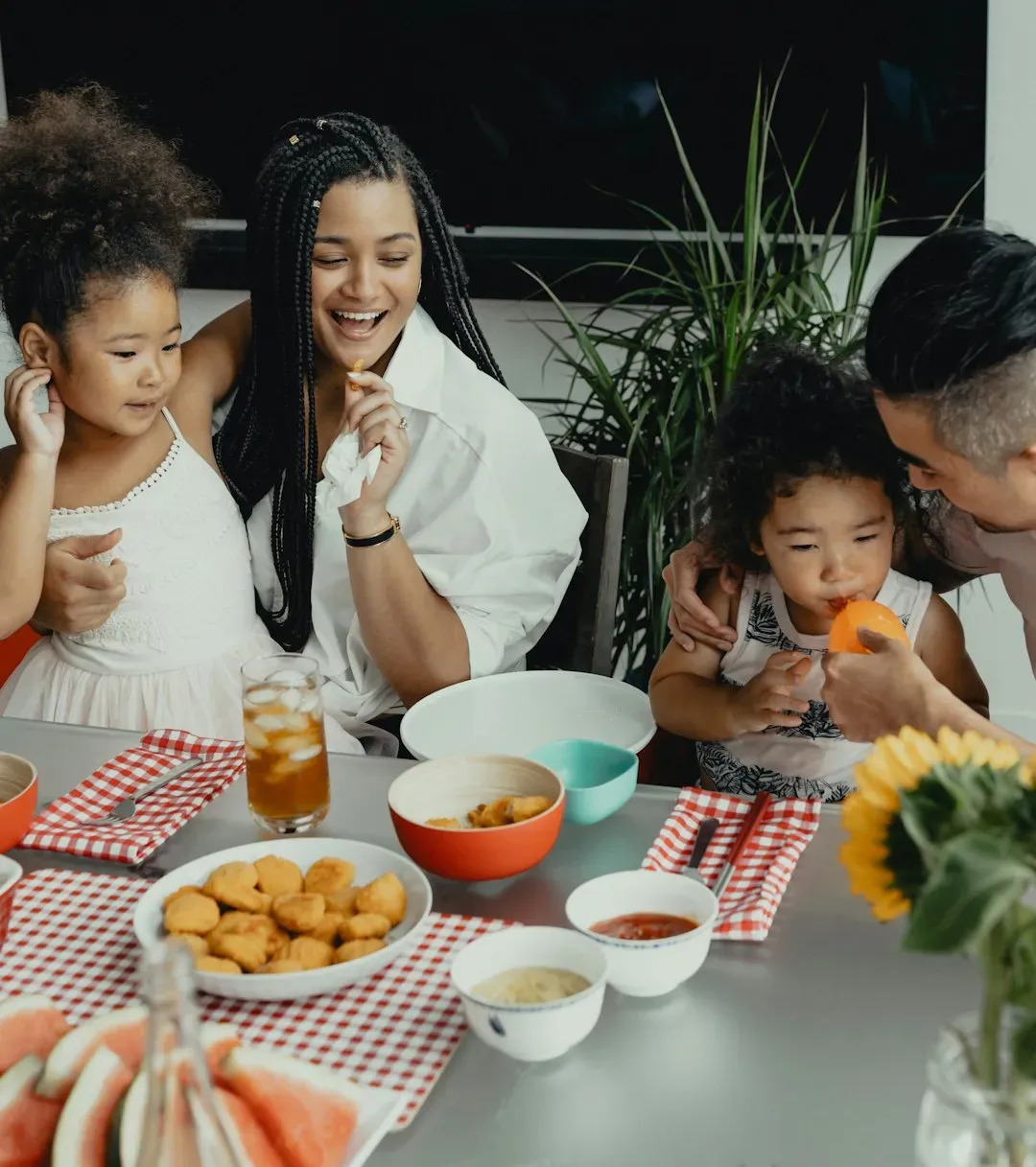
7. They laugh and joke during the meal (Image Credits: Unsplash)
Humor at the dinner table might seem like simple fun, but family researchers view it as a sign of emotional comfort and secure attachment. Studies on family mealtime dynamics have found that shared laughter during meals correlates with children reporting stronger feelings of closeness and belonging within their family unit. A child who feels free to be silly or make a joke usually feels safe enough to be authentically themselves in that environment.
This kind of lightness is not something that can be forced, but it does tend to flourish when parents themselves relax and are not overly focused on manners or screen free rules during every single meal. A little flexibility, paired with genuine attention, often creates the exact atmosphere where humor and warmth show up naturally. Experts generally agree that the goal is not a perfectly behaved dinner, but a connected one.
Taken together, these seven behaviors are less about table manners and more about what they reveal underneath. Parents who pay attention to these small daily patterns often gain a clearer picture of their child’s emotional growth than any single conversation could provide.