
Honesty is something almost every person claims to value in a relationship. Yet the gap between what people say and what they actually share with their partners is, in many cases, surprisingly wide. Research consistently finds that secrecy in close relationships is not the exception – it’s remarkably common.
Research shows nearly 60 percent of people admit to keeping secrets from their partner. The reasons range from fear of conflict to deep-seated shame, and the things being hidden span everything from spending habits to long-buried trauma. Some of these secrets feel minor, even harmless. Others quietly erode the trust that relationships depend on.
Financial Secrets and Hidden Debt

Financial Secrets and Hidden Debt (Image Credits: Pexels)
Money is one of the most reliably uncomfortable topics in any relationship. It touches on control, identity, and self-worth in ways few other subjects can. According to Fidelity Investments' 2024 Couples and Money study, nearly 25 percent of couples identify money as their greatest relationship challenge. That tension often pushes one or both partners toward secrecy rather than an honest conversation.
Overspending is the most common financial secret, with roughly one in three people spending more money than their partner would find acceptable. Almost one in ten Americans in committed relationships are keeping major sources of debt, expenses, or income secret from their partner. More than two in five U.S. adults believe keeping financial secrets is at least as bad as physical infidelity. The weight of those numbers is hard to ignore.
Details About Past Relationships
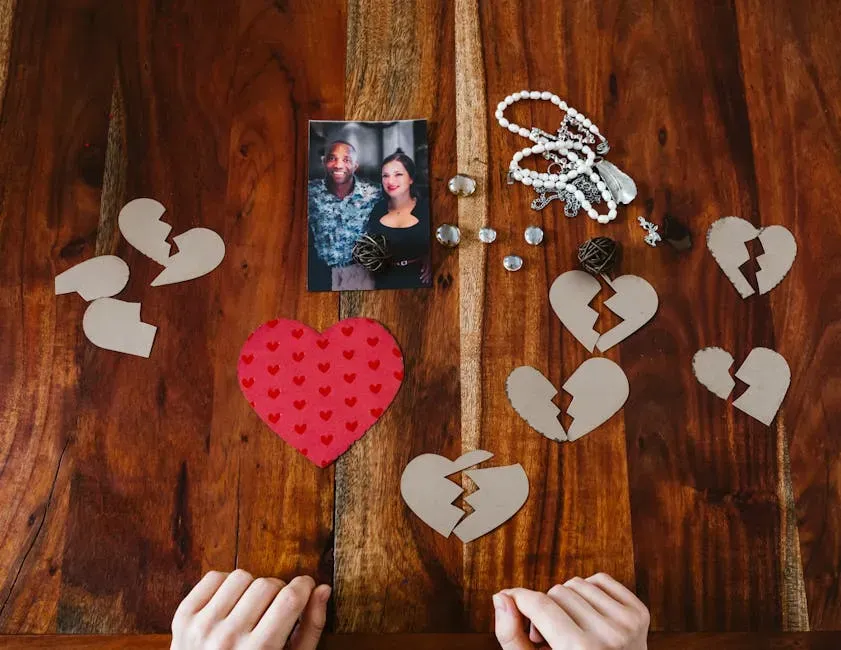
Details About Past Relationships (Image Credits: Pexels)
Most people carry something from a previous relationship into their next one, whether it's a scar, a pattern, or simply a history they'd rather leave behind. The most common secrets people keep include details about past relationships, cited by roughly one in four people who admitted to concealing something from a partner. The motivations vary, but reluctance to be judged or to cause unnecessary hurt are among the most frequent.
Trauma shapes how people connect, and many choose silence to avoid reliving painful memories. Some hide past abuse, bullying, or rejection tied to earlier experiences. Sharing these experiences can feel overwhelming, so some keep them buried. The silence might feel protective at first. Over time, though, it creates emotional distance.
Mental Health Struggles

Mental Health Struggles (Image Credits: Pixabay)
Hiding a mental health condition from a partner is far more common than most people realize. The stigma attached to depression, anxiety, and other conditions gives people a powerful reason to stay quiet. Mental illness can affect many aspects of life, including intimate relationships, and some individuals experience hesitancy or fear of disclosure to their partner due to the continued stigma surrounding mental illness.
The person with a mental illness may feel shame, embarrassment, or guilt about their condition and may try to hide their symptoms or fail to seek the help they need. Research found that people with mental health issues were more likely to get a divorce, and a key reason is that many people feel shame about their mental illness and try to hide it. That pattern of concealment tends to compound the problem rather than contain it.
Spending Habits and Secret Purchases

Spending Habits and Secret Purchases (Image Credits: Pexels)
Not every financial secret involves serious debt. Many people hide smaller, more everyday purchases – a splurge on clothes, a sneaky takeaway order, a subscription the other person doesn't know about. Research found that nearly nine in ten couples surveyed could recall a recent secret behavior of this kind, with the types of behavior hidden from partners being pretty ordinary, such as buying things online, eating fast food, or secretly eating meat when following a vegetarian diet.
Interestingly, the consequences aren't always negative. Research in the Journal of Consumer Psychology suggests that experiencing guilt from keeping a consumer behavior secret can lead individuals to want to do something positive for the relationship. Still, while some secrets may feel harmless, others can quietly erode the trust and communication every relationship depends on, and left unchecked, secret-keeping can create a cycle that damages not just the partnership but emotional health.
Past Trauma

Past Trauma (Image Credits: Unsplash)
Unresolved trauma from childhood or previous experiences is one of the things people most consistently withhold . Shame plays a major role in that decision. Shame makes people hide important parts of themselves from their partner and can lead them to put up a "wall" or mask their insecurities by attacking others or overcompensating.
Research points out that childhood trauma, encompassing physical, emotional, and sexual abuse, as well as neglect and exposure to domestic violence, is a critical risk factor that can disrupt healthy psychological development. This disruption may manifest in both individual mental health issues and the markedly decreased quality of interpersonal relationships throughout adulthood. A partner may sense that something is off without ever being told what it is. Major trauma from the past can affect thoughts, feelings, and actions in a current romantic relationship, with negative beliefs and painful emotions stemming from trauma getting in the way of close connection.
Addictions or Substance Use

Addictions or Substance Use (Image Credits: Pexels)
Addiction is one of the more serious things people conceal from the people closest to them. The combination of shame and fear of abandonment creates a near-constant pressure to keep it hidden. Addiction is often kept secret because of shame and fear of rejection, with some partners hiding alcohol, drug, or gambling problems because they believe their loved one will leave if the truth is revealed.
Warning signs that a partner may be hiding an addiction include sudden, extreme changes in behavior, health, finances, relationships, or reliability. Recognizing these signs early creates a chance for compassion, honest conversations, and seeking support before the hidden problem damages the relationship further. The concealment itself often accelerates the damage more than the addiction would on its own.
True Feelings and Emotional Needs

True Feelings and Emotional Needs (Image Credits: Pexels)
People are often more comfortable hiding how they feel than admitting it out loud, especially when they fear their emotions will be seen as too much, too needy, or simply unwelcome. According to studies, feeling embarrassed, humiliated, or afraid to break down the harmony is one of the main reasons why people hide distressing information . That instinct to protect the peace can become its own kind of problem.
Unspoken truth creates an emotional gap between partners, and secrecy can erode the sense of "we" in a relationship and replace it with doubt about whether the connection is still real or authentic. Insecurity often leads people to hide their true feelings or struggles from a partner, worrying about appearing weak, needy, or unlovable. What starts as self-protection can quietly become emotional distance neither person fully understands.
Things They've Done That Would Upset Their Partner

Things They've Done That Would Upset Their Partner (Image Credits: Pexels)
This is one of the broadest categories of relationship secrecy, covering anything from a petty lie to a serious betrayal that was never confessed. Roughly one in five people in relationships admitted to hiding something they knew their partner would be upset about. The motivation is usually avoiding conflict, but the result is rarely peace – just a postponed reckoning.
One third of those who kept information hidden from their partner did so for over a year, and nearly half still had private details they hadn't shared. Although the majority felt guilty about keeping things hidden, fewer than half were planning to reveal their secrets to their partner. When someone has a secret, it's natural to repeatedly think about it, and studies show that secrets consume a significant amount of mental space. The mental toll of maintaining that silence is rarely worth whatever conflict it was meant to prevent.
What runs through all eight of these patterns is a shared undercurrent of fear – fear of judgment, of rejection, of losing something that feels fragile. Secrets can take a serious toll on the health of a relationship and usually come to light at some point, and when they do, trust is shattered. The things people hide most carefully are often the very things that, once shared, could bring two people meaningfully closer.