
Cheese has earned a complicated reputation over the decades, bouncing between “guilty pleasure” and “surprising superfood” depending on which study made the headlines that week. The reality is more nuanced. Some people are concerned that cheese is high in fat, sodium, and calories. However, cheese can also be a good source of protein, calcium, and several other nutrients. The challenge is that not all varieties deliver the same return on those calories.
A 2023 review of studies called cheese “nutrient-dense” and found it has “neutral to moderate benefits for human health.” Still, there’s a meaningful spread between the most and least nutritious options on the shelf. This ranking uses protein density, calcium content, sodium load, fat profile, and overall micronutrient value as the primary lenses, moving from the clearest nutritional wins down to the weakest performers.
1. Cottage Cheese – The Undisputed Nutritional Champion
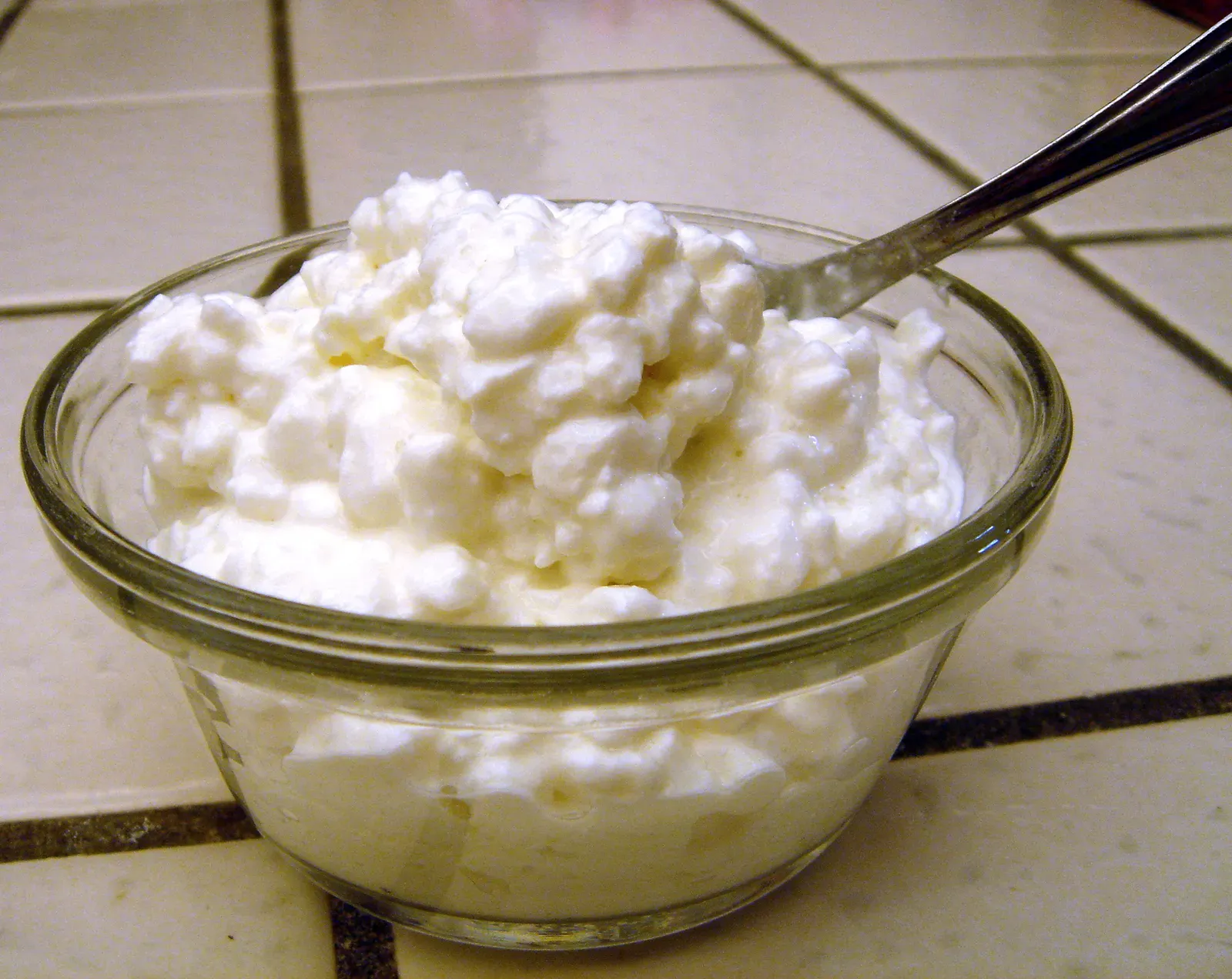
1. Cottage Cheese – The Undisputed Nutritional Champion (Image Credits: I created this work entirely by myself., <a href="https://commons.wikimedia.org/w/index.php?curid=6808204" target="_blank" rel="noopener">CC BY-SA 3.0</a>)
Cottage cheese is the best cheese for health, determined by its micronutrient density and macronutrient profile. It is a low-sodium cheese and a low-calorie cheese, making it the best choice for weight loss. The numbers are hard to argue with: a serving of cottage cheese will pack a healthy dose of protein, and it’s typically lower in calories, with roughly half a cup coming in at about 110 calories.
Cottage cheese is high in phosphorus, which aids in bone health, and it contains all nine amino acids. A standard half-cup serving provides excellent nutrition, with 12 grams of protein and 125 milligrams of calcium. Some cottage cheeses also contain probiotics. The combination of complete protein, low saturated fat, and versatility across both sweet and savory dishes is genuinely rare in the dairy aisle.
2. Ricotta – Underrated Protein and Whey Benefits
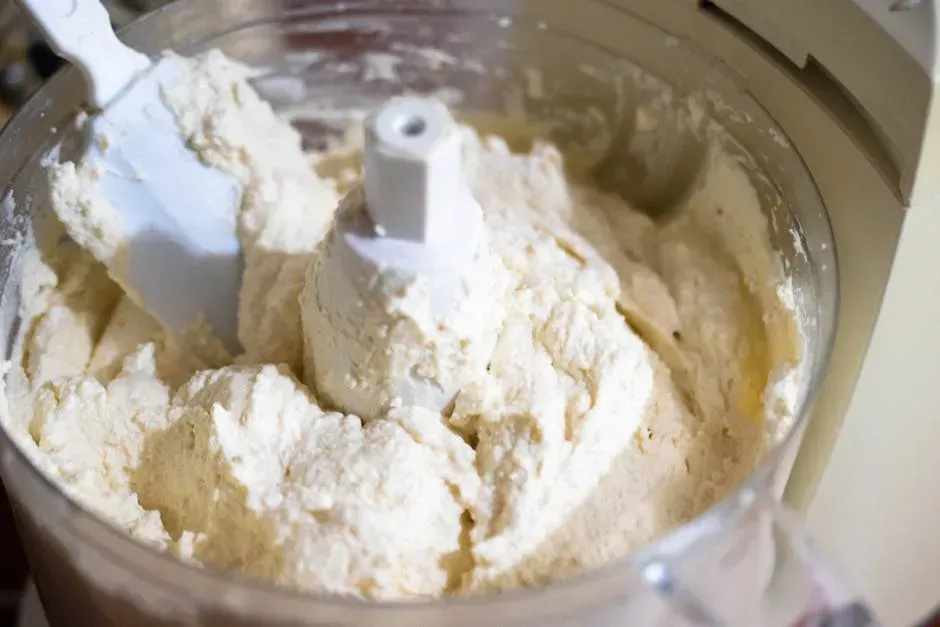
2. Ricotta – Underrated Protein and Whey Benefits (Image Credits: Pexels)
Ricotta is an Italian curd cheese made from whey left over from the production of other cheese. Compared to most cheeses, ricotta is a healthier choice because it contains less salt and fat, at around 8 percent fat, of which 5 percent is saturated. That relatively light fat profile, combined with genuine nutritional density, puts it firmly in the upper tier.
The whey in creamy ricotta boasts amino acids, which are the building blocks of all proteins in your body. Whey is also good for building muscle, lowering blood pressure, and reducing cholesterol. Ricotta is higher in calories than cottage cheese, at about 180 calories for half a cup, but is loaded with calcium. It’s the kind of cheese that earns its calorie count.
3. Parmesan – Small Portions, Enormous Nutrition
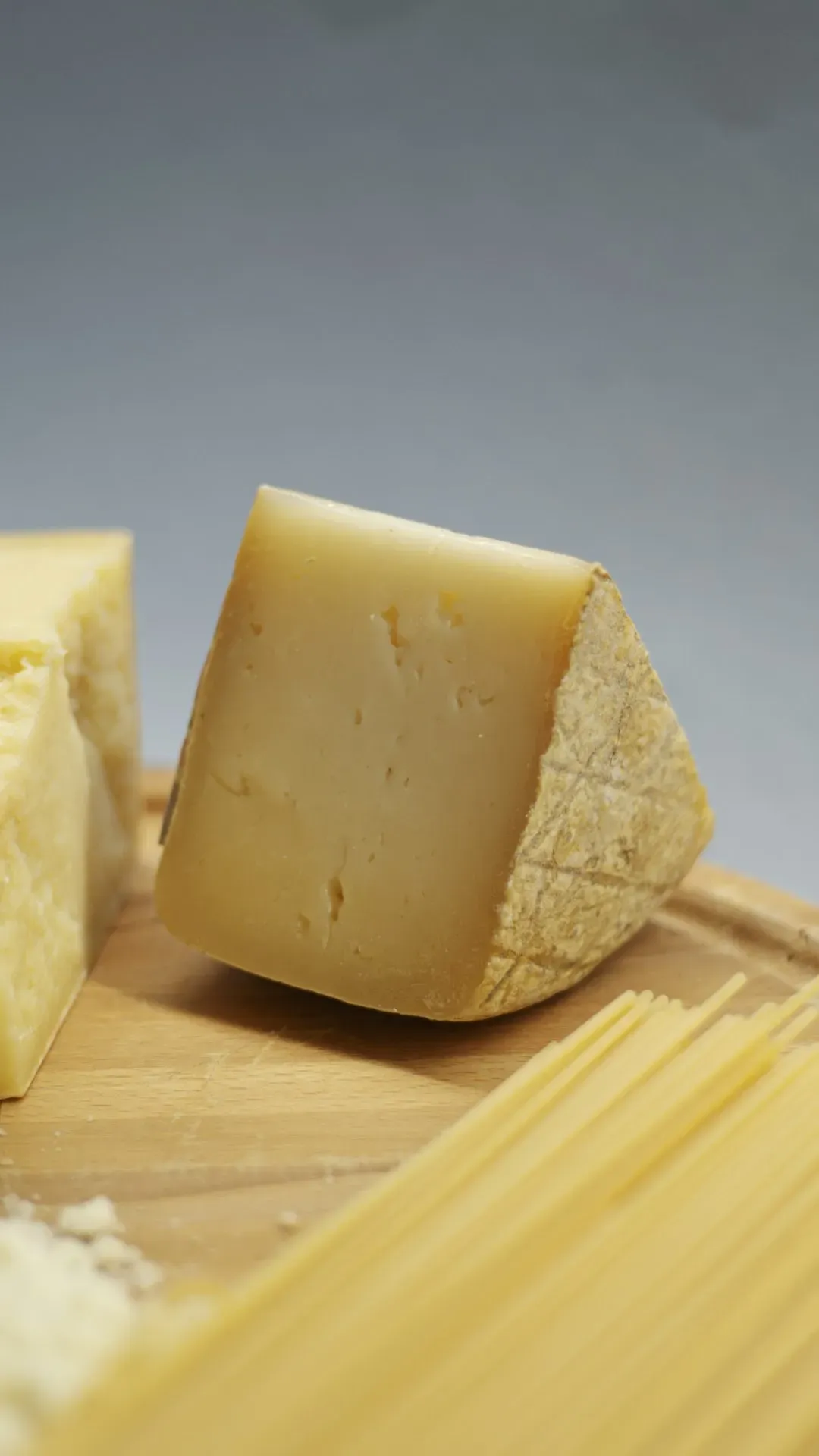
3. Parmesan – Small Portions, Enormous Nutrition (Image Credits: Unsplash)
Parmesan (Parmigiano-Reggiano) is widely considered the gold standard for dental protection and bone health. This hard, granular cheese is packed with nutrients that actively support the structural integrity of your teeth and skeleton. The way most people use it, grated sparingly over pasta or salads, turns out to be a nutritionally smart habit rather than restraint.
Of the cheeses commonly compared, Parmesan has the greatest protein content by weight, with an impressive 35.75 grams of protein for every 100 grams of cheese. Some of the main nutritional benefits are that it’s high in protein and rich in calcium and phosphorus, which are good for bone strength. Parmesan is also low in lactose compared to some other cheeses, and most people who are lactose-sensitive can tolerate it. The sodium is notable, so portion awareness still matters.
4. Mozzarella – The Low-Sodium, Probiotic-Friendly Option
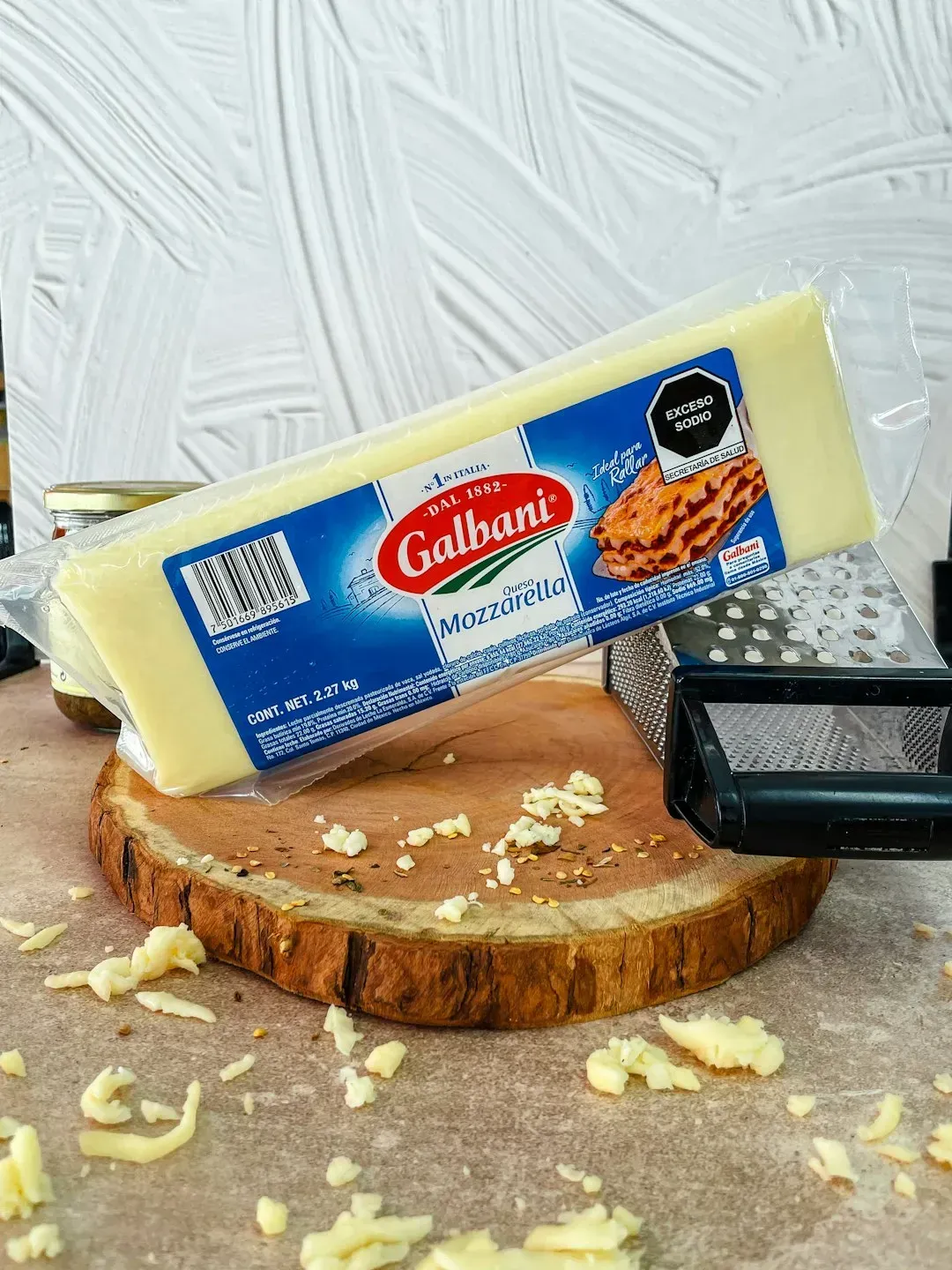
4. Mozzarella – The Low-Sodium, Probiotic-Friendly Option (Image Credits: Unsplash)
Mozzarella is lower in sodium and calories than most other cheeses. That alone sets it apart from a significant portion of the field. If you’re a cheese lover but also want to be mindful of your calorie and fat intake, mozzarella is a good option. It’s slightly lower in both fat and calories than other cheeses. Mozzarella cheese also tends to be lower in sodium.
Mozzarella contains bacteria that act as probiotics, including strains of Lactobacillus casei and Lactobacillus fermentum. Research in humans suggests these probiotics may improve gut health and regularity, promote immune function, and reduce inflammation. Nonfat mozzarella yields the most calcium per calorie out of many commonly compared cheeses. Just 100 grams of nonfat mozzarella contains an impressive 961 milligrams of bone-fortifying calcium. It’s the rare everyday cheese that rewards you on multiple fronts.
5. Swiss and Gruyère – High Protein, Surprisingly Low Sodium

5. Swiss and Gruyère – High Protein, Surprisingly Low Sodium (Image Credits: Gallery Image)
Swiss cheese is high in protein and calcium, which support muscle maintenance and bone strength. Its mild flavor and lower sodium content make it a good choice for those watching their salt intake. Swiss cheese is also lower in fat than many other cheeses, fitting well into a balanced, protein-rich diet without significantly increasing calorie consumption.
While Gruyère contains a moderate amount of fat and cholesterol, the overall balance of fats makes it a valuable addition to a well-rounded diet. Additionally, Gruyère is a significant source of high-quality protein and dietary calcium. High-fat fermented dairy foods like Gruyère are some of the best dietary sources of vitamin K2. Dairy products from cows raised on grass are particularly high in this important vitamin. Both Swiss varieties deliver genuine nutritional depth within reasonable calorie limits.
6. Goat Cheese – Easier to Digest, Gentler on the Gut

6. Goat Cheese – Easier to Digest, Gentler on the Gut (Image Credits: Pexels)
Easier to digest than cow products, goat cheese can be a great alternative for people who are intolerant to cow’s milk. It’s often easier to digest than cheese made from cow’s milk because it has different proteins that don’t irritate your digestive system. It also has a higher percentage of medium-chain fatty acids, which your body absorbs quickly instead of storing, the way it does with other types of fats.
Goat cheese is low in calories, fat, and has less sodium than feta. Depending on how it’s processed, goat cheese can also pack probiotics, which are microorganisms that can aid digestion. Its concentrated flavor means a small amount goes a long way, which naturally keeps portion sizes in check. That’s worth something in practice, even if it doesn’t show up directly in a nutrition label.
7. Feta – Strong Flavor, Serious Calcium, High Salt
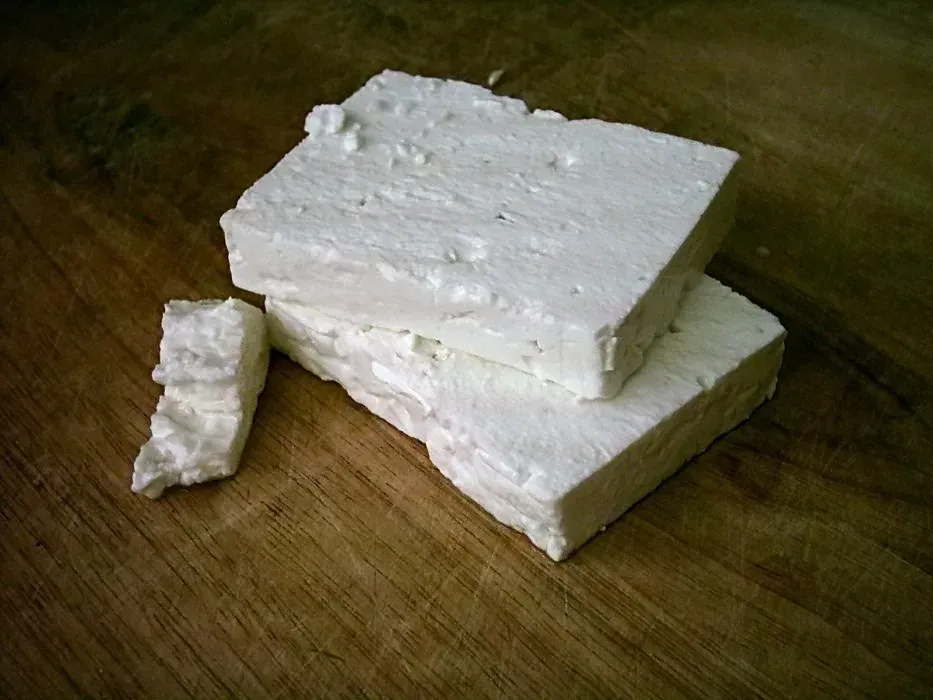
7. Feta – Strong Flavor, Serious Calcium, High Salt (Image Credits: <a href="https://commons.wikimedia.org/w/index.php?curid=50780" target="_blank" rel="noopener">CC BY-SA 3.0</a>)
Feta is a soft, salty white cheese originally from Greece. It’s typically made from sheep’s or goat’s milk. Sheep’s milk gives feta a tangy and sharp taste, while goat’s milk feta is milder. While all cheese is a good source of calcium, feta is particularly high in calcium, with 493 milligrams per 100 grams of cheese.
Feta is typically lower in calories than other cheeses, but because it’s often packaged in brine to preserve freshness, it can be high in sodium. While high in sodium, feta tends to be one of the lowest in calories. Plus, with its strong flavor, you often use less of it than other cheeses. It’s a nutritionally solid choice, but the salt load is a real constraint for anyone managing blood pressure.
8. Cheddar – Good Nutrition With a Fat Caveat
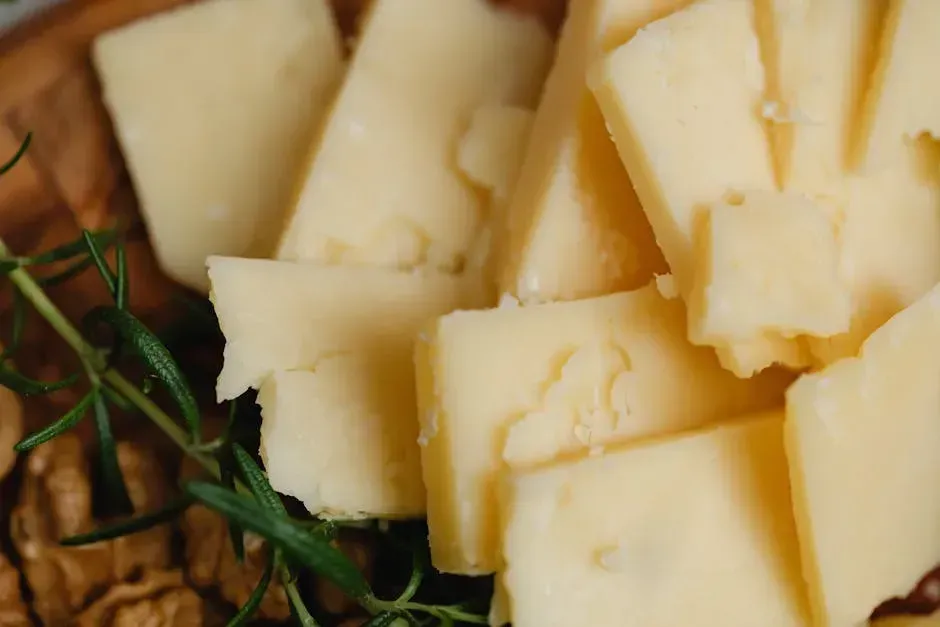
8. Cheddar – Good Nutrition With a Fat Caveat (Image Credits: Pexels)
In addition to being rich in protein and calcium, cheddar is a source of vitamin K2, which is important for heart and bone health. It helps prevent calcium from accumulating in the walls of the arteries and veins. Aged cheddar serves as an excellent option for heart health and managing diabetes. Its complex flavor profile means a little goes a long way, and its nutritional makeup supports stable energy levels.
Standard cheddar contains about 35 percent fat, of which 22 percent is saturated. That’s a significant number, and it keeps cheddar in the middle-to-lower tier despite its genuine vitamin and mineral strengths. The half-fat version contains about half as much fat as the standard variety, making it a good switch. On average it contains 16 percent fat, of which 10 percent is saturated. If you eat cheddar regularly, the reduced-fat version is worth considering.
9. Blue Cheese – Calcium-Rich but Calorie-Dense
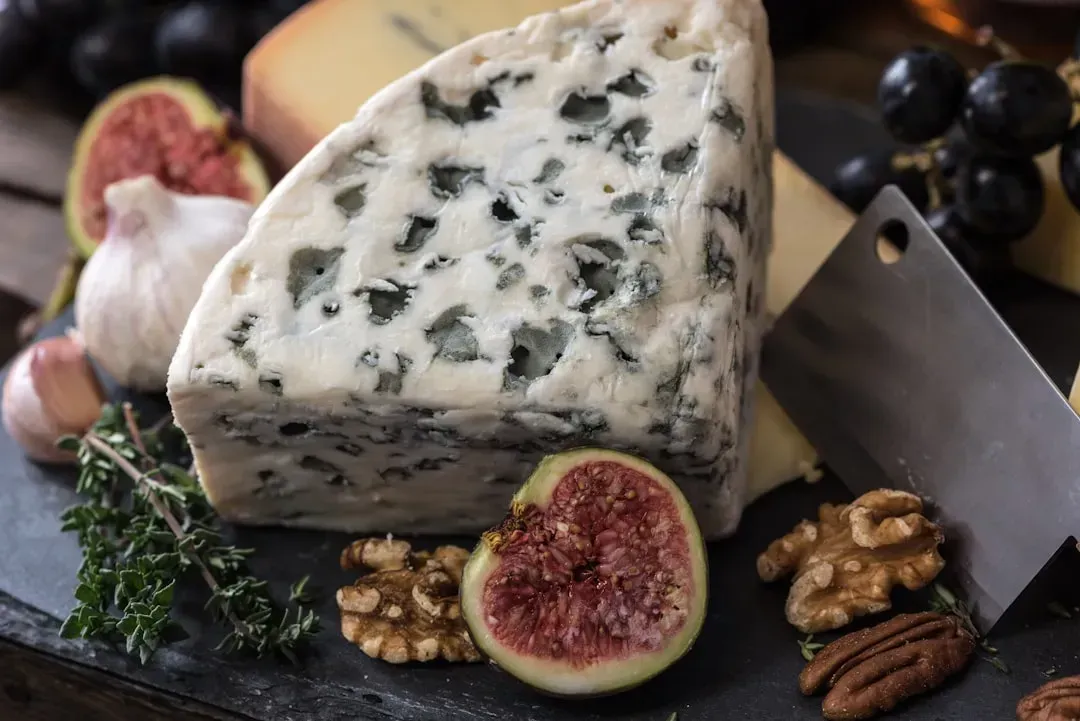
9. Blue Cheese – Calcium-Rich but Calorie-Dense (Image Credits: Unsplash)
Blue cheese, which has been ripened with cultures of the mold Penicillium, includes varieties such as Stilton and Gorgonzola. It can be considered soft or hard depending on how it’s processed, and falls somewhere in the middle of the pack in terms of health. The calcium story is compelling: this tangy treat is a solid source of calcium, with just one ounce delivering around 15 percent of your daily recommended value.
Blue cheese is high in calories, total and saturated fat, yet it is also one of the highest in calcium. Since blue cheese is high in calcium, a nutrient necessary for optimal bone health, adding it to your diet may help prevent bone-related health issues. However, if you are on a low-sodium diet, you may want to avoid this cheese. Its intense flavor does tend to keep portions naturally small, which is genuinely the best way to approach it nutritionally.
10. Brie and Camembert – Decent Vitamins, High in Fat

10. Brie and Camembert – Decent Vitamins, High in Fat (Image Credits: Unsplash)
Bloomy, mold-ripened varieties of cheese tend to have a firm rind and creamy interior, as they ripen from the outside in. Soft cheeses such as Camembert, Brie, and triple-crème fall into the “less healthy” category because of their saturated fat content. Brie contains about 27.68 grams, while Camembert provides around 24.26 grams of fat per 100 grams.
The vitamin content of Brie is relatively rich, with more Vitamin E, Vitamin D, Vitamin B1, Vitamin B12, and Vitamin K than Camembert. Camembert, on the other hand, contains more Vitamin B3, Vitamin B5, and Vitamin A. Triple Crème Brie can be loaded with up to 40 grams of fat per 100 grams, so reading labels here matters more than with most other varieties. Both are enjoyable cheeses – they’re just better treated as occasional indulgences than daily staples.
11. Cream Cheese – The Nutritional Weak Link
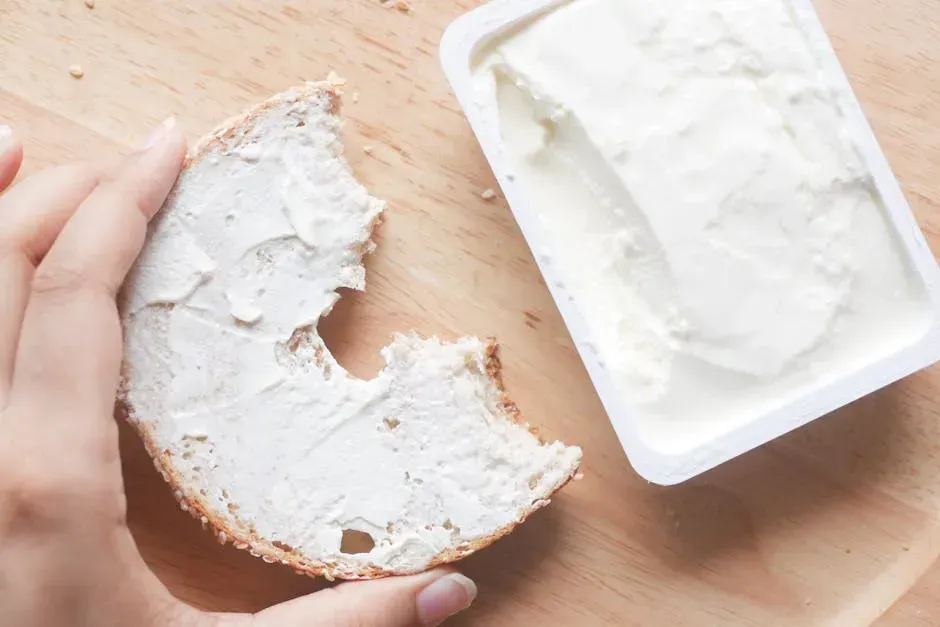
11. Cream Cheese – The Nutritional Weak Link (Image Credits: Pexels)
Cream cheese is very low in protein and relatively high in fat, with only about two grams of protein per ounce. To meet requirements set by the United States government, it must be at least 33 percent fat. For context, protein varies from minimal at cream cheese with about 2 grams per ounce, to moderate in cheeses like Brie, Feta, and Mozzarella at 4 to 6 grams per ounce, and high in Parmesan and Swiss at 7 to 14 grams per ounce.
Cream cheese offers little in the way of calcium or meaningful micronutrients relative to its calorie count. It’s essentially a fat delivery mechanism with a mild dairy flavor. If you can’t resist it, whipped cream cheese tends to have less fat and fewer calories than its non-whipped counterpart. Used as a thin spread rather than a generous layer, it fits into a balanced diet without much damage – but it simply can’t compete on nutritional value with virtually any other cheese on this list.
12. Processed Cheese – Worth Avoiding for Nutritional Reasons
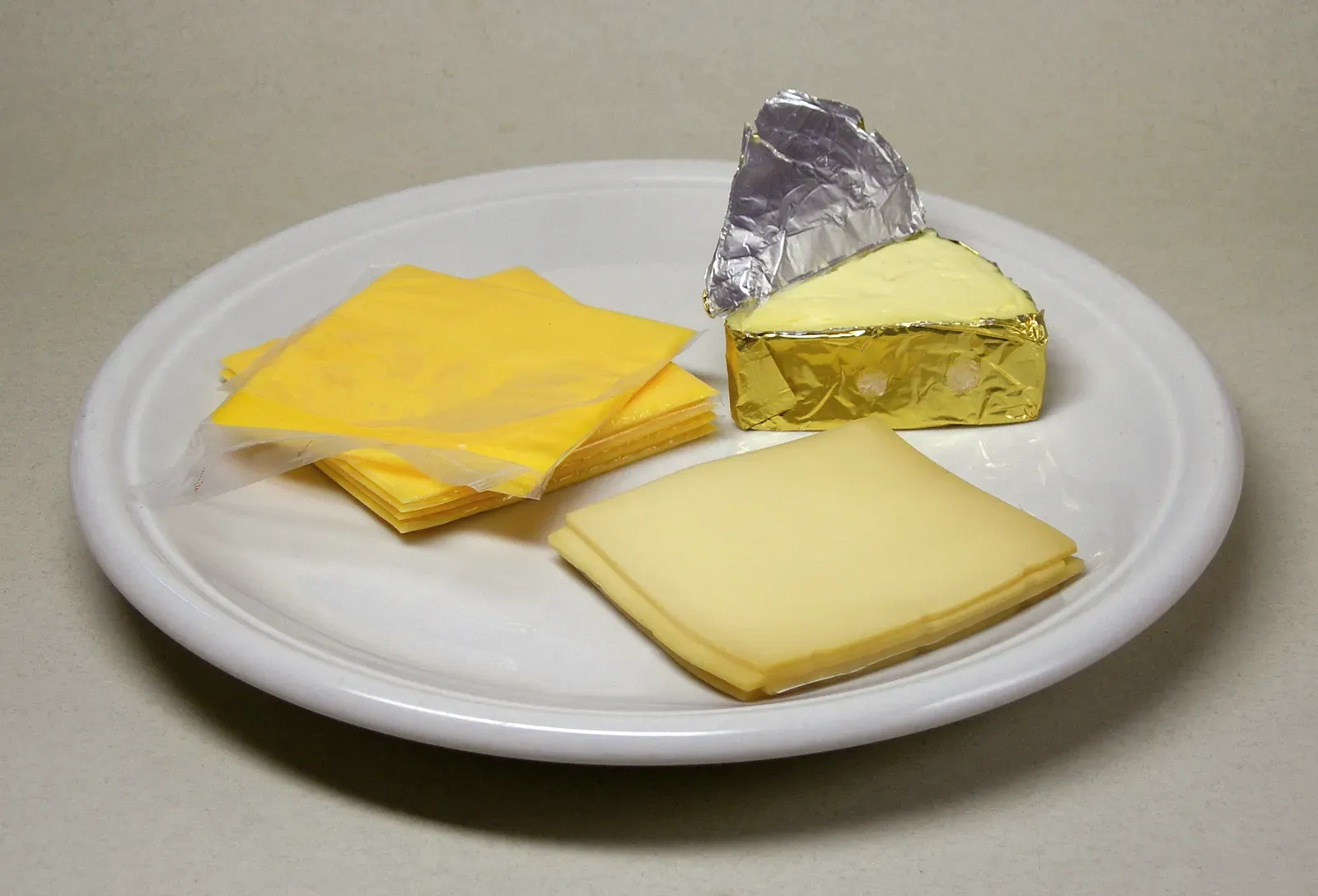
12. Processed Cheese – Worth Avoiding for Nutritional Reasons (Image Credits: By Rainer Z …, <a href="https://commons.wikimedia.org/w/index.php?curid=4290902" target="_blank" rel="noopener">CC BY-SA 3.0</a>)
In the camp of cheeses better avoided completely, you can include processed types such as American cheese singles, Velveeta, spray can varieties, or shredded cheeses in plastic bags. These products shouldn’t even be considered real cheese, as they have been manipulated, engineered, and pumped with preservatives. The engineering that gives them shelf stability and melt behavior strips away or dilutes many of the nutrients that make natural cheese worth eating.
Higher cheese intake is linked to a reduced likelihood of developing sleep apnea, a 2024 study found. Cheese is a rich source of essential nutrients, which “could influence metabolic and cardiovascular health.” That finding applies to real, natural cheese – not to processed cheese products, which trade nutritional integrity for convenience and extended shelf life. If eaten in moderation, quality cheeses can be enjoyed as part of a healthy, whole-food, plant-focused diet. Processed varieties rarely qualify as quality by that measure.