
There's a quiet confidence that shows up in people who've been through a marriage, a divorce, a few heartbreaks, and maybe a long stretch of solo living. By the time someone reaches their sixties and decides to date again, they've usually stopped playing games they don't want to play. That shift in mindset is exactly what makes dating after 60 look so different from dating in your twenties or thirties, and it's worth paying attention to no matter your age.
What's striking is how much data now backs up what used to be considered anecdotal wisdom. Older daters are more selective, more direct, and far less willing to waste time than younger singles often assume. Here are nine things people over 60 seem to understand about dating that younger singles might want to start taking seriously.
1. Companionship beats chemistry, and they say so out loud
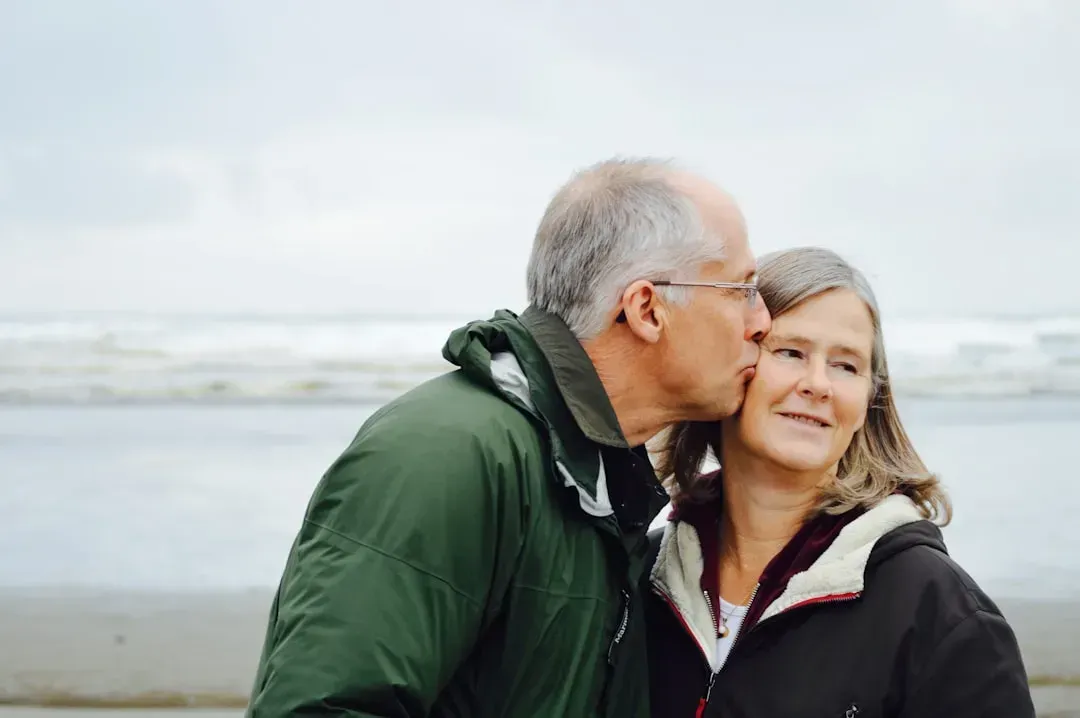
1. Companionship beats chemistry, and they say so out loud (Image Credits: Unsplash)
Ask an older single why they’re dating and the answer usually isn’t about butterflies. Roughly 76 percent of adults 50 and older who are dating cite companionship as their primary motivation, according to AARP’s 2024 survey. Physical attraction still matters to plenty of people, but it’s rarely the deciding factor anymore.
Only about 12 percent name physical intimacy as their top reason for dating, though 64 percent say it remains important to them. That’s a meaningful distinction. Older daters have learned that a relationship built only on spark tends to fizzle, while one built on genuine partnership tends to last through the boring Tuesdays too.
2. They already know their non-negotiables
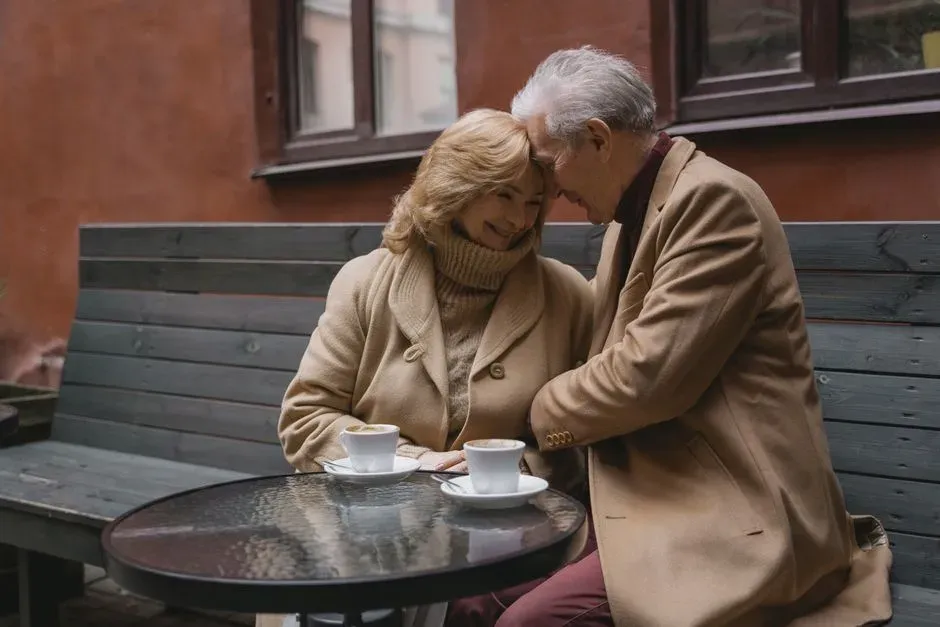
2. They already know their non-negotiables (Image Credits: Pexels)
Younger daters often figure out their dealbreakers through trial and error, sometimes years into a relationship. People over 60 tend to walk in already knowing exactly what they won’t tolerate, because they’ve usually lived through the consequences of ignoring red flags once before.
Dating professionals who work with this age group often point to this clarity as the single biggest difference between older and younger clients. A widower in his sixties, for example, once realized through counseling that mutual respect was his primary priority, which led to him developing a fulfilling relationship after years of doubt. That kind of self-knowledge tends to save everyone a lot of wasted months.
3. They spot scammers faster than most people expect

3. They spot scammers faster than most people expect (Image Credits: Unsplash)
Older adults get targeted by romance scammers constantly, and the numbers reflect just how common the problem has become. Nearly half of online daters ages 50 and older encounter scammers, and about 45 percent experience unwanted behaviors like explicit messages or persistent contact after they’ve declined interest. That exposure has forced many of them to develop sharper instincts.
The financial stakes make this even more serious. The FBI’s 2024 Internet Crime Report noted that adults over 60 suffered the most severe financial losses of any age group, totaling nearly 5 billion dollars in internet crime losses that year. People who’ve dated online for a while learn to slow down, verify details, and refuse to send money to someone they haven’t met in person, a habit plenty of younger daters could stand to adopt.
4. Sex is still very much on the table
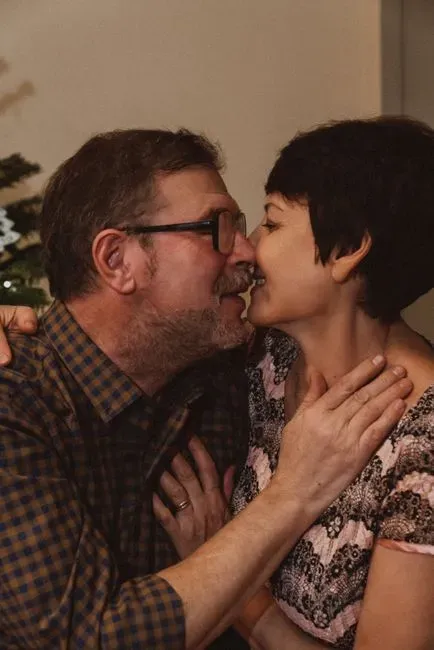
4. Sex is still very much on the table (Image Credits: Pexels)
There’s a persistent assumption that intimacy fades away after a certain age. The research says otherwise. About 70 percent of adults aged 50 to 69 and 40 percent of adults aged 70 and older are sexually active, according to AARP’s 2024 data.
What matters more than age, apparently, is simply having someone to be intimate with. The single biggest predictor of sexual activity in older adulthood is having a partner, not age, health, or income. Recent trend reporting has echoed this, noting that 85 percent of singles ages 45 to 65 and older report strong interest in an active, healthy sex life. Older daters simply aren’t shy about admitting that this part of a relationship still matters to them.
5. Marriage isn't the automatic goal anymore

5. Marriage isn't the automatic goal anymore (Image Credits: Pexels)
A growing number of older singles are choosing partnership without paperwork. Some older adults consider cohabitation rather than remarriage, preferring to live together without legal ties, reflecting lessons learned from previous marriages. The reasoning is often practical: blending finances, estates, and family obligations late in life can get complicated fast.
This preference even has a name now among dating researchers. Those over 60 increasingly prefer what’s being called L.T.R.M., or Long-Term Relationship, Marriage-Free. Pew data backs up how widespread this has become, with live-in partnerships among adults 50 and older tripling from 2007 to 2022 as many older adults choose to live together rather than remarry.
6. They've stopped chasing drama
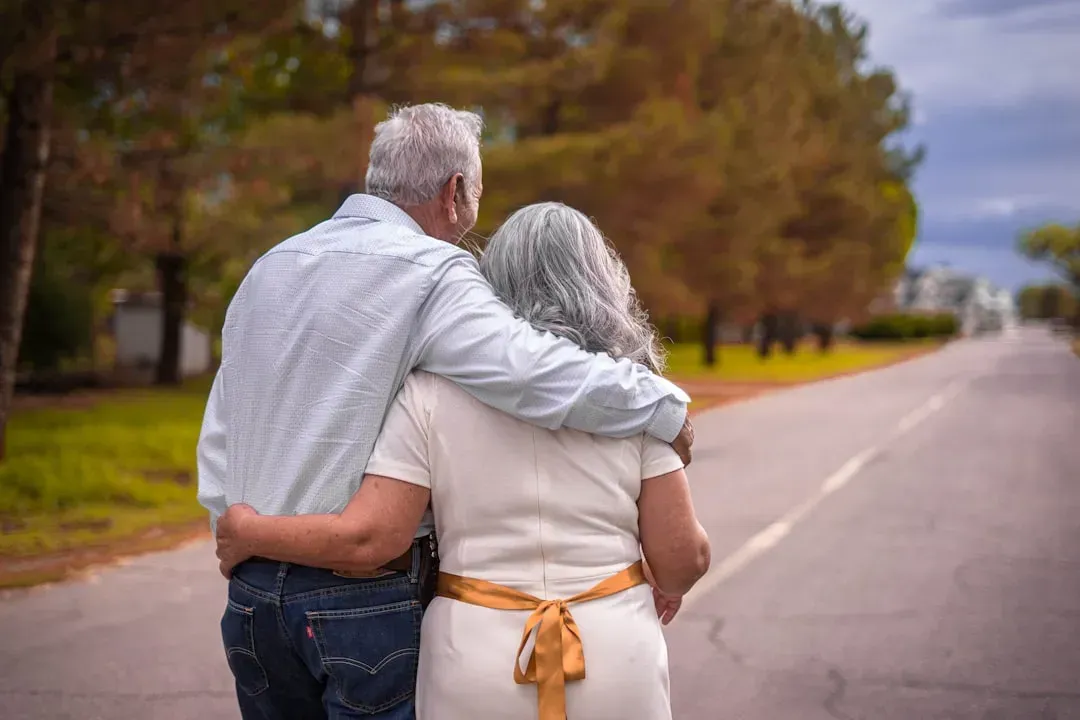
6. They've stopped chasing drama (Image Credits: Unsplash)
People who’ve lived through decades of relationships tend to lose patience for chaos dressed up as passion. Recent dating trend analysis has described this shift plainly, noting that drama is out and repair is in, with self-aware singles in high demand who are no longer settling for chaos disguised as chemistry.
This isn’t about avoiding conflict entirely. It’s about wanting a partner who can actually talk through a disagreement instead of turning every disagreement into a performance. Older daters have usually already lived through the version of dating where drama felt exciting, and most of them are done with it.
7. Not everyone wants to remarry, and that's not sad
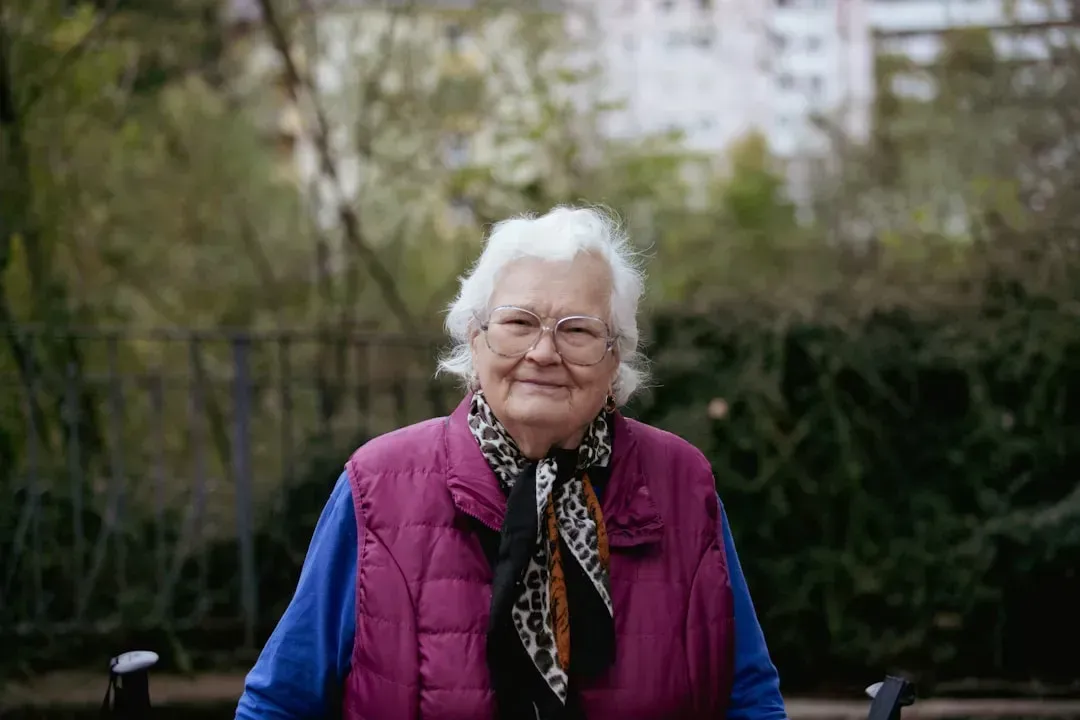
7. Not everyone wants to remarry, and that's not sad (Image Credits: Unsplash)
There’s a real gender gap in who wants to walk down the aisle again. Only about 18 percent of widowed women aged 65 and older remarry, compared to 50 percent of widowed men in the same age group, according to Pew research from 2024. That gap says less about desirability and more about what women in particular have learned to value in their later years.
Many older women simply prefer their independence at this stage. About 60 percent of widowed or divorced women aged 50 and older say they have no interest in remarrying, compared to 35 percent of widowed or divorced men. Choosing not to remarry isn’t a failure to find love. For a lot of older women, it’s a deliberate decision made from experience rather than loneliness.
8. They know exactly which platforms are worth their time

8. They know exactly which platforms are worth their time (Image Credits: Unsplash)
Older daters don’t waste time on apps built for a different generation’s dating style. Tinder is the most popular dating app across all ages and is used by 59 percent of online daters under 50, but that figure plummets to 19 percent among online daters over 50, and just 1 percent among survey respondents over 70. Instead, they gravitate toward platforms actually designed around their needs.
The pattern shows up clearly in usage data. For adults ages 50 to 64, Plenty of Fish and Match rank highest, with 39 percent reporting use of each, while among adults 65 and older, Match leads at 60 percent, followed by eHarmony at 36 percent. Interest in serious commitment shows up here too, since among adults 65 and older, 50 percent seek only a serious relationship, the highest share of any age group.
9. Loneliness doesn't scare them the way it scares younger singles

9. Loneliness doesn't scare them the way it scares younger singles (Image Credits: Unsplash)
A lot of people assume aging alone is the great fear driving older singles back into dating. The data tells a more nuanced story. As of 2022, 36 percent of people aged 65 and older report being single, a figure only exceeded by adults aged 18 to 29, and many of these older singles report not actively looking for a committed romantic relationship.
Isolation is a genuine health concern researchers take seriously, and 37 percent of older adults report feeling a lack of companionship, up from 34 percent before the pandemic. Still, plenty of older singles have made peace with solitude rather than treating it as something to escape at any cost. That comfort with being alone, ironically, tends to make them far more selective and far less desperate once they do decide to date.