
Most people don’t overhaul their diet all at once, and honestly, they don’t need to. The meals you already cook at home are often just a few small decisions away from being meaningfully better for you. Swapping one ingredient for another – something with a similar role in a recipe but a stronger nutritional profile – is one of the most practical ways to eat well without feeling like you’re giving anything up.
The more practical approach is simpler: keep making the foods you like, and swap in better ingredients where it makes sense. You don’t need to overhaul your entire kitchen – a few strategic substitutions can meaningfully improve your nutrition without changing how your food tastes. Here are nine of the most effective swaps you can start using today.
1. Cauliflower Rice Instead of White Rice

1. Cauliflower Rice Instead of White Rice (Image Credits: Unsplash)
A cup of cooked white rice contains around 200 calories and 45 grams of carbohydrates, while cauliflower rice has only about 25 calories and 5 grams of carbohydrates per cup. That's a dramatic difference for what is essentially the same role on the plate. The texture is close enough that most people barely notice when it's seasoned well.
Cauliflower is also rich in several vitamins and minerals, including vitamins C and K, folate, and fiber. The fiber content is beneficial for digestive health and helps maintain a feeling of fullness, which can aid in weight management. Cauliflower rice is the better choice if you're following a low-carb plan or interested in reducing energy without having to go for a tiny portion that might leave you hungry.
2. Greek Yogurt Instead of Sour Cream

2. Greek Yogurt Instead of Sour Cream (Image Credits: Unsplash)
Plain Greek yogurt has the same tangy flavor and creamy texture as sour cream, but with dramatically better nutrition: about 15 to 20 grams of protein per cup versus 5 grams, and roughly half the calories if you use non-fat. It works anywhere sour cream does – tacos, baked potatoes, dips, and even certain baked goods.
Greek yogurt has live and active cultures, which are probiotics that help support a healthy gut. Half a cup of plain, fat-free Greek yogurt contains 11 grams of protein. That's a substantial nutritional upgrade from something that would otherwise add very little beyond richness and fat.
3. Olive Oil Instead of Butter

3. Olive Oil Instead of Butter (Image Credits: Unsplash)
Olive oil is more nutritious than butter because it has the kinds of fats that are good for your heart health, your immune system, blood sugar control, and more. Butter has a higher amount of saturated fats – about 7.29 grams per tablespoon – which, when consumed excessively, may raise cardiovascular risks. The type of fat matters more than the calorie count alone.
Studies reveal that consuming just half a tablespoon of olive oil daily is linked to a 19% lower risk of death from heart disease and other causes. Extra virgin olive oil is especially rich in monounsaturated fats, mainly oleic acid, and antioxidants like vitamin E and polyphenols, making it one of the best fats for your health. For sautéing vegetables or making salad dressings, it's a natural fit.
4. Lentils Instead of Ground Meat

4. Lentils Instead of Ground Meat (Image Credits: Unsplash)
Cooked lentils have a texture similar to ground beef and absorb seasonings just as well. They work in tacos, pasta sauce, sloppy joes, and shepherd's pie. One cup of cooked lentils delivers 18 grams of protein and 15 grams of fiber – more fiber than most people eat in an entire day.
Going completely meatless isn't required to get the benefits. You don't have to go fully meatless; try a 50/50 blend with ground beef or turkey to start. This approach quietly reduces saturated fat and calories while keeping the familiar texture of the original dish intact.
5. Whole Grain Bread Instead of White Bread
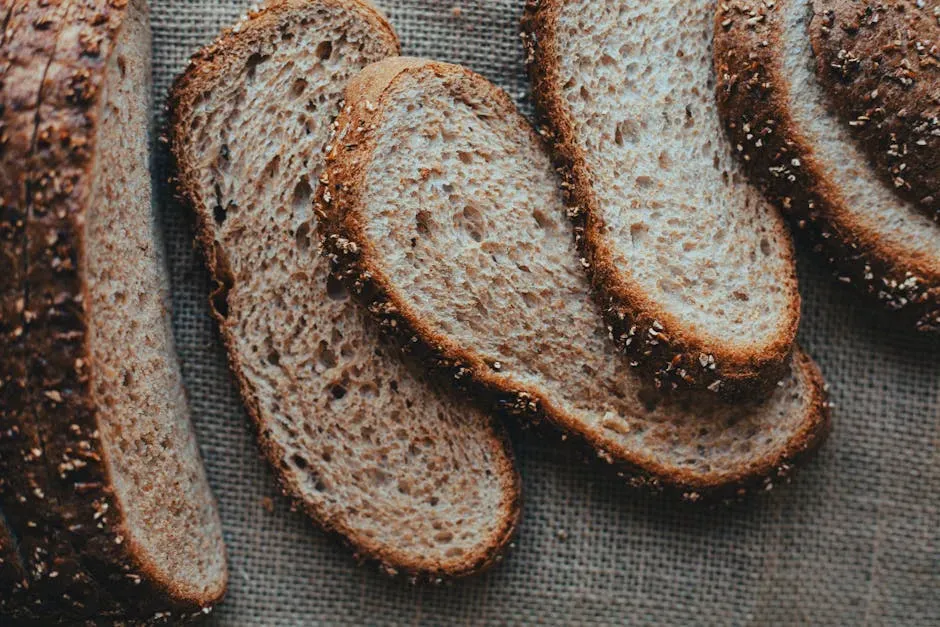
5. Whole Grain Bread Instead of White Bread (Image Credits: Pexels)
Wheat grains are typically milled to separate the starchy endosperm from the nutrient-rich bran and germ, producing fine white flour. Milling significantly reduces fiber, B vitamins, minerals, and phytochemicals compared to whole grains, since these nutrients are concentrated in the outer layers and the germ.
Eating whole grains appears to reduce the risk of heart disease, type 2 diabetes, obesity, and stroke. Previous studies have shown that consumption of wholegrain breads may also help with weight control and promote a healthier gut microbiota. Breads with coarsely milled grains or intact kernels may also slow digestion and absorption, contributing to satiety.
6. Unsweetened Applesauce Instead of Sugar in Baking

6. Unsweetened Applesauce Instead of Sugar in Baking (Image Credits: Pexels)
This is one of the most effective baking swaps because applesauce does double duty – it reduces calories while adding moisture. Replace half the sugar in muffins, quick breads, or pancakes with unsweetened applesauce. The ratio: use three-quarters cup of applesauce for every cup of sugar you're replacing, and reduce other liquids in the recipe by about a quarter cup.
The result is a noticeably lighter baked good that still tastes sweet and satisfying. Applesauce also adds a very mild flavor that tends to disappear into the background, making it a reliable and versatile option. It works particularly well in banana bread, oat muffins, and pancake batters where the texture is already soft.
7. Chickpea or Lentil Pasta Instead of Regular White Pasta
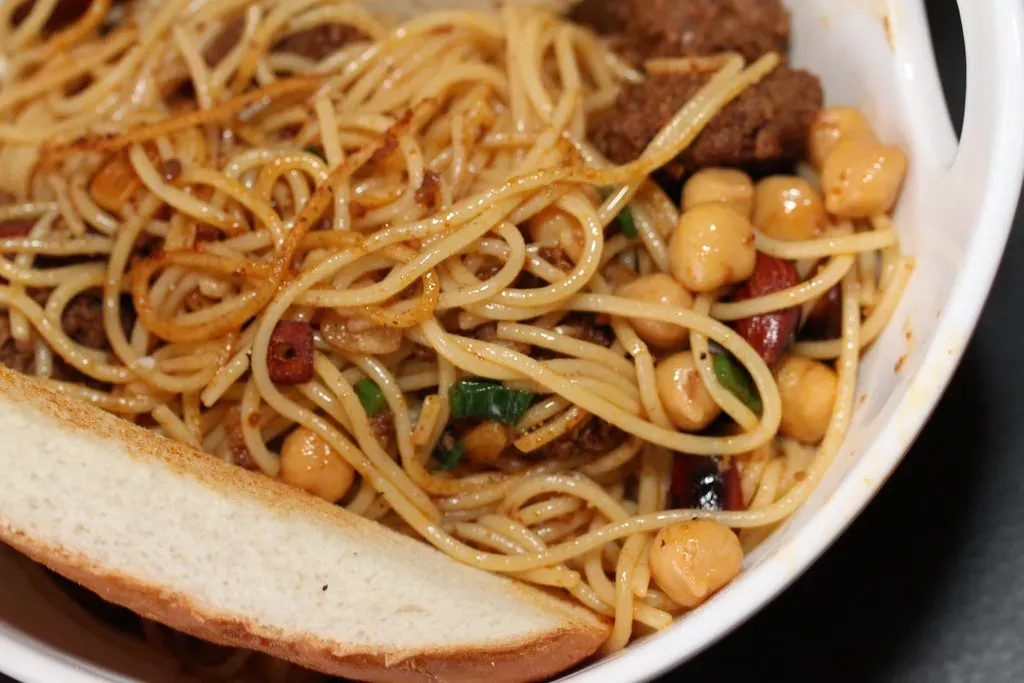
7. Chickpea or Lentil Pasta Instead of Regular White Pasta (TheHungryDudes, Flickr, <a href="https://creativecommons.org/licenses/by/2.0/" target="_blank" rel="noopener">CC BY 2.0</a>)
You don't need to get rid of pasta, just rethink it. Swapping your regular pasta night for high protein and high fiber pasta means you are more likely to be satisfied from a meal due to better stabilized blood sugar levels, which result in less cravings and overeating over time.
Legume-based pastas have improved significantly in texture over the past few years and now hold up well when cooked properly. Pair it with a yummy sauce, some veggies, or a lean protein for a healthy weeknight meal. The protein and fiber content of chickpea or lentil pasta makes it a genuinely different product from refined white pasta, not just a marketing label.
8. Whole Grain Sprouted Bread Instead of Standard Sliced White

8. Whole Grain Sprouted Bread Instead of Standard Sliced White (tvol, Flickr, <a href="https://creativecommons.org/licenses/by/2.0/" target="_blank" rel="noopener">CC BY 2.0</a>)
Standard white bread has little nutritional value, as it's low in fiber, protein, vitamins, and minerals. Swapping it with more nutritious options can improve your health. Try a whole grain, sprouted bread like Ezekiel bread. Sprouted breads go a step further than standard whole grain loaves by breaking down some of the starches before baking.
The sourdough fermentation process can affect the nutritional profile of bread, making some vitamins and minerals more available for our bodies to absorb. Long-fermented and sprouted breads tend to have a lower glycemic response and more bioavailable nutrients than even standard whole wheat options. The flavor is also noticeably richer, which makes the switch easier to stick with.
9. Vegetable-Based Snacks Instead of Processed Chips

9. Vegetable-Based Snacks Instead of Processed Chips (Sylvia Currie, Flickr, <a href="https://creativecommons.org/licenses/by-sa/2.0/" target="_blank" rel="noopener">CC BY-SA 2.0</a>)
Instead of chips, crackers, trail mix, or low-calorie munchies, swap for a different crunch. Apple slices, carrots, snap peas, bell peppers, grape tomatoes, or celery make munching – and crunching – more nutritious. Give your crunchy snacks an added boost with spreads like hummus, guacamole, low-fat cheese, or peanut butter.
With their salty taste and crunchy texture, chips are a satisfying snack. However, most store-bought potato chips are usually highly processed, meaning they're full of added ingredients that aren't good for you, such as sugars and food dyes. Fresh vegetables provide the same physical satisfaction – the crunch, the volume, the something-to-reach-for quality – while delivering fiber, water, and actual micronutrients instead.
None of these swaps require a dramatic lifestyle change. Most of them work within the recipes and routines you already have. The nutritional difference between white rice and cauliflower rice, or between butter and olive oil, adds up over weeks and months in ways that are genuinely measurable. Starting with even one or two of these changes is enough to notice a difference – in how your meals feel, how long they keep you full, and how your body responds over time.