
Most of us have stood in front of a microwave at 7pm, loading in last night’s leftovers without a second thought. It feels efficient, even responsible. Yet food safety researchers and nutrition experts have consistently flagged a specific group of foods where reheating doesn’t just ruin the flavor – it can actively work against your health.
The risks range from bacterial toxins that survive high heat to chemical compounds that form during the reheating process itself. Some of these foods are everyday staples that millions of people reheat without realizing the potential consequences. Here’s what science actually says about the nine worst offenders.
1. Rice

1. Rice (Image Credits: Unsplash)
Reheating rice can be dangerous if not done correctly, as it can harbor Bacillus cereus, a bacteria that can cause food poisoning. When cooked rice is left at room temperature for too long, these bacteria can multiply, leading to toxins that aren't destroyed by heat. That last point is crucial – the toxins, not just the bacteria, are the real problem here.
Reheated rice can cause food poisoning no matter how carefully you reheat your leftovers. In fact, this leftover is so concerning that the symptoms that can follow eating it have gained the name "reheated rice syndrome." The safest approach is to cool and refrigerate rice within an hour of cooking, and eat it within a single day.
2. Chicken
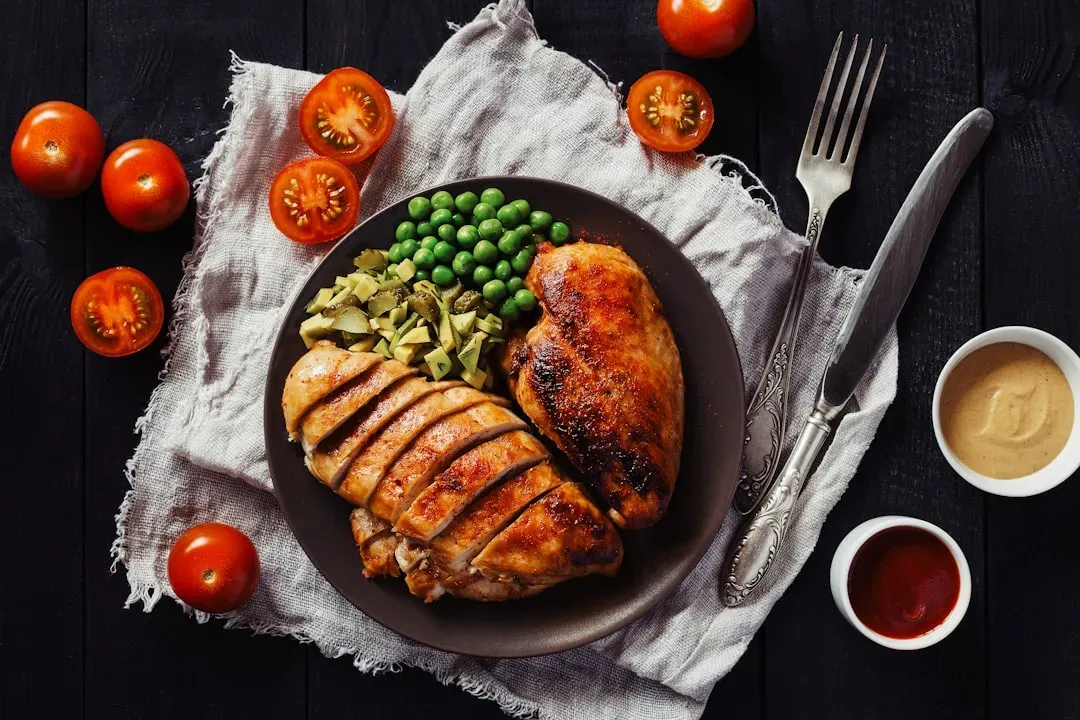
2. Chicken (Image Credits: Unsplash)
Chicken contains dense protein structures that, when cooled and reheated incorrectly, become perfect breeding grounds for Salmonella and other bacteria. The danger zone between 40°F and 140°F is where these pathogens thrive on your poultry. Uneven reheating is where most people go wrong – cold spots in the microwave can easily leave pockets of the meat below safe temperatures.
Chicken has a high protein content that changes its structure when reheated, making it harder to digest. If not reheated evenly, bacteria like Salmonella can survive, potentially causing foodborne illness. If you must reheat chicken, ensure it's heated to an internal temperature of at least 165°F (74°C) to kill any bacteria. Many experts simply recommend eating leftover chicken cold in salads rather than putting it back in the microwave.
3. Eggs

3. Eggs (Image Credits: Unsplash)
Eggs shouldn't be reheated under any circumstances, according to food safety experts. They're enjoyed globally for their convenience and health benefits, but leftover eggs should not be reheated – doing so leads to the proteins being oxidised, which could lead to the presence of cancer-causing agents in the food. That's a significant concern for something people routinely batch-cook at the start of a week.
Reheating eggs can lead to the production of toxic compounds, including hydrogen sulfide, which gives off a foul odor. Additionally, reheating eggs can cause them to become rubbery and unappetizing. It's best to consume eggs immediately after cooking or store them properly in the refrigerator and avoid reheating them. Scrambling a fresh batch takes only minutes and is always the safer option.
4. Spinach
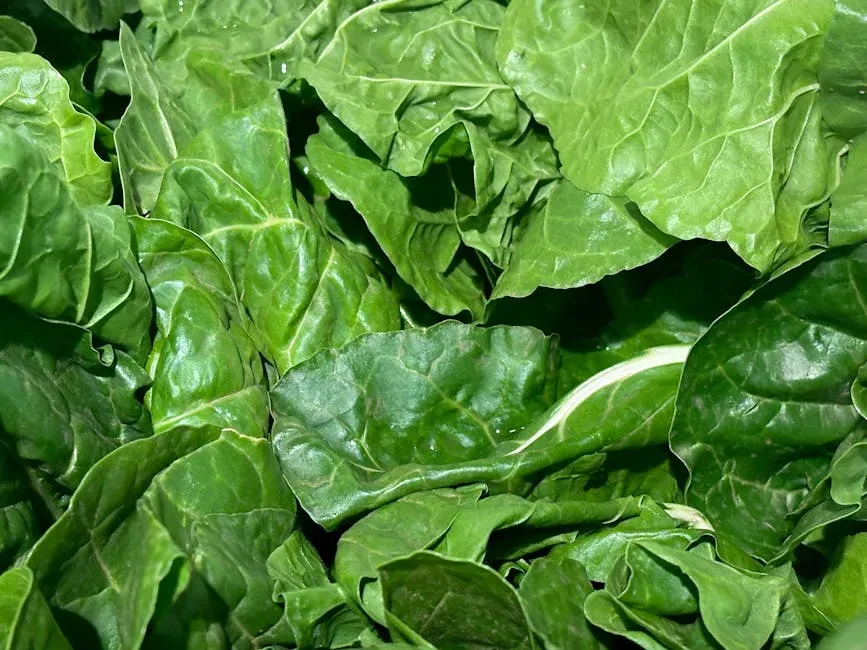
4. Spinach (Image Credits: Pexels)
Fresh spinach contains high levels of nitrates which, when reheated, convert to nitrites and potentially harmful nitrosamines – compounds linked to cancer risks. The transformation happens when spinach is exposed to heat multiple times or left sitting at room temperature too long. The concern is especially high for infants and individuals with compromised immune systems.
Spinach, like other leafy greens, can become contaminated with nitrates, which can turn into harmful nitrites when reheated. These nitrites can be potentially carcinogenic, especially when spinach is reheated multiple times. For optimal health, it's best to eat spinach fresh or consume it cold if stored properly. If you've cooked a spinach dish and stored it well, reheating it once at a sufficient temperature is generally tolerated – but reheating it a second time is where the risk sharply increases.
5. Mushrooms
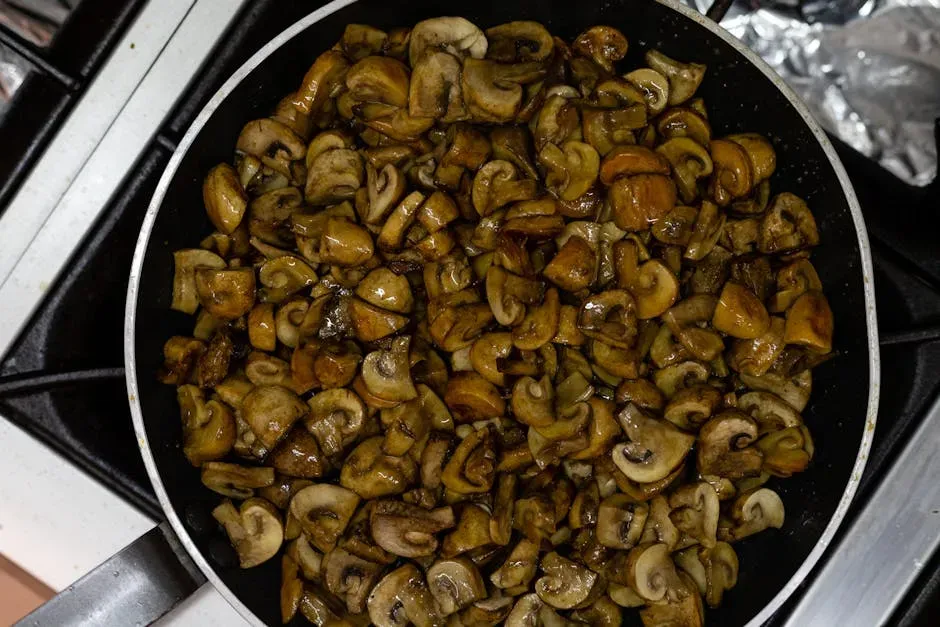
5. Mushrooms (Image Credits: Pexels)
Reheating mushrooms can not only make them soggy, but also make them lose important proteins and nutrients. Similarly to eggs, when proteins are oxidised, they can become carcinogenic. You may also experience stomach ache or other digestive issues if mushrooms are left at room temperature. The protein breakdown issue is the distinguishing factor with mushrooms – it's not purely about bacterial risk.
Mushrooms are rich in proteins and minerals but are highly perishable. Reheating mushrooms can lead to the breakdown of their proteins, producing compounds that may upset your stomach or cause food poisoning. Improper storage increases the risk of bacterial growth. Store cooked mushrooms in the refrigerator and consume them cold or freshly prepared. It's one of the foods that's genuinely best enjoyed right after cooking.
6. Potatoes

6. Potatoes (Image Credits: Pexels)
When a potato is wrapped in foil, it creates a warm, moist, low-oxygen environment, which is exactly the type of condition that Clostridium botulinum bacteria thrive in. While baking or roasting kills most bacteria, botulism spores are remarkably hardy and can survive normal cooking temperatures. The real danger arises if foil-wrapped potatoes are left to cool slowly at room temperature – those heat-resistant spores can then germinate and produce botulinum toxin, one of the most potent foodborne toxins known.
Potatoes are a staple in many dishes, but reheating them can lead to the production of toxic compounds. These compounds are naturally present in potatoes and can increase to harmful levels when potatoes are cooked and cooled improperly. Reheating potatoes at high temperatures, especially using a microwave, can exacerbate this issue, potentially causing digestive discomfort or even poisoning. The safest rule is simple: remove any foil immediately after cooking and refrigerate within two hours.
7. Seafood and Fish

7. Seafood and Fish (Image Credits: Unsplash)
Fish is a lean protein that's best consumed fresh and not reheated. Reheating fish can alter its flavor, texture, and nutrient composition. Some types of fish can release histamines, which can cause allergic reactions or food poisoning. This histamine risk is often overlooked, and it can affect people who wouldn't normally consider themselves allergic to fish at all.
You are going to want to eat seafood within 24 hours after cooking, or you could experience unpleasant symptoms such as diarrhea and vomiting. When reheated, the proteins in fish and shellfish degrade, leading to a loss of flavour and texture. Additionally, histamines can form during reheating, which can cause food poisoning symptoms such as nausea and vomiting. If you have leftover fish, eating it cold is almost always the better call.
8. Beets
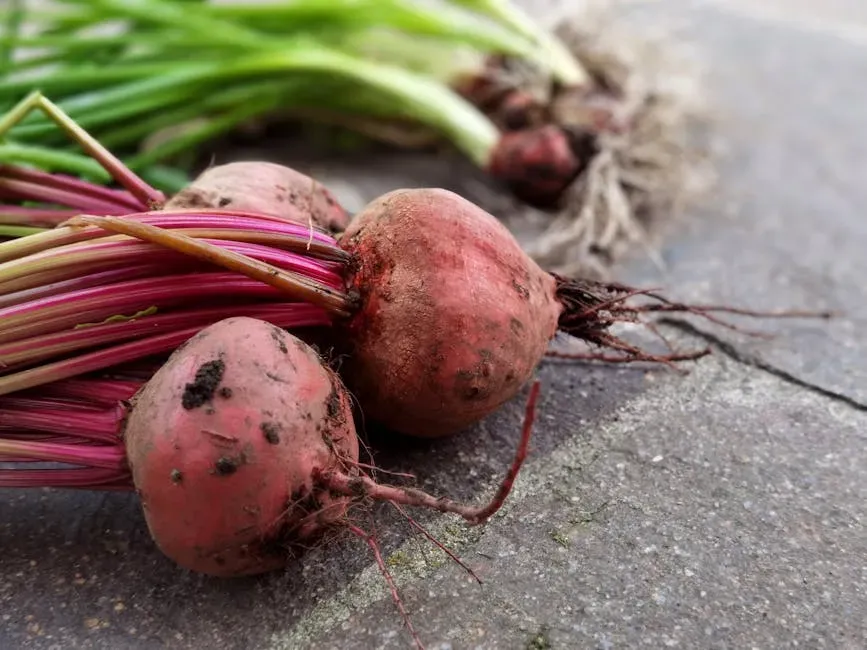
8. Beets (Image Credits: Pexels)
Beets are another vegetable that should not be reheated. Like spinach and celery, they are high in nitrates, which convert into harmful nitrites when reheated. The same chemical conversion that happens to spinach holds true for reheating nitrate-rich beets and turnips. The vibrant color and earthy sweetness of beets are also diminished considerably when they go through a second round of heat.
Reheating beetroot can lead to the release of carcinogenic compounds, which may alter DNA in cells and contribute to cancer and other serious illnesses. If reheating meals containing beetroot is unavoidable, it's advisable to remove the beetroot from the dish before warming it up. Pickled beets or cold beet salads are a practical and actually delicious way to use leftovers without triggering these risks.
9. Cooking Oils Used for Frying
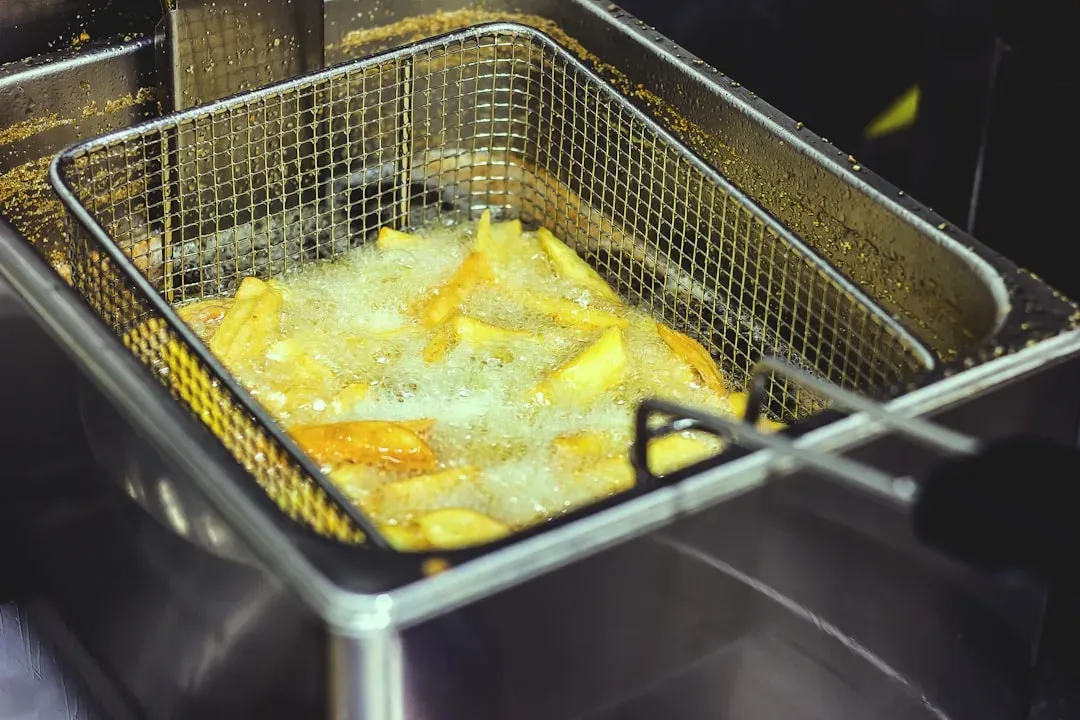
9. Cooking Oils Used for Frying (Image Credits: Unsplash)
When oils are heated beyond their smoke point (around 375°F), they produce harmful toxins that can increase LDL (bad cholesterol) and the risk of heart disease. A recent study found that the toxin 4-hydroxy-trans-2-nonenal (HNE) forms when common restaurant oils, such as canola, corn, soybean and sunflower, are reheated. HNE has been connected to a higher risk of heart disease, stroke, Parkinson's disease and cancer.
When you heat oil to deep fry something, it destabilizes the structure of the oil and breaks it down. If heated to over 375°F, it accumulates a toxic substance called HNE that raises levels of bad LDL cholesterol. This in turn raises the risk of heart disease and stroke, among other things. Oils with a low smoke point – such as walnut, flaxseed, and hazelnut – are especially vulnerable and should never be reused after cooking.
The common thread running through all nine of these foods is that the heat we apply to "make them safe" often can't undo what happens at the chemical or bacterial level when these foods sit, cool, and get heated a second time. Proper storage helps in several cases, but for a few of them, the safest habit is simply cooking only what you'll eat. The kitchen doesn't always reward cutting corners, and with this particular list, it pays to know exactly where those corners are.