
Money habits rarely make for good dinner conversation. People will happily talk about a new car or a vacation, but the quiet routines that actually build financial comfort tend to stay private. Maybe it’s because these habits sound boring, or maybe because admitting to them feels like bragging in reverse.
Either way, the patterns are consistent enough across research and financial advising that they’re worth pulling into the open. None of them involve luck or a windfall. They’re mostly small, repeated choices that compound over years.
1. They track spending without obsessing over it

1. They track spending without obsessing over it (Image Credits: Unsplash)
Financially comfortable people usually know, within a reasonable margin, where their money goes each month. This doesn't mean spreadsheets color coded to the penny. It often just means a quick monthly check in, sometimes through a banking app, sometimes through a simple notebook habit that's stuck around since their twenties.
The point isn't perfection, it's awareness. Studies on financial behavior consistently link regular expense tracking to lower financial anxiety and better long term savings outcomes, even when the tracking itself is loose and imperfect.
2. They avoid lifestyle inflation as income grows

2. They avoid lifestyle inflation as income grows (Image Credits: Pexels)
When a raise comes through, the instinct for many people is to upgrade something, a car, an apartment, a wardrobe. Financially comfortable people tend to resist that pull, at least partially, funneling a chunk of new income into savings or investments before it becomes part of the baseline lifestyle.
This habit is quiet because it looks like nothing is happening. There's no new purchase to show off, just a growing account balance that nobody else sees. Financial planners often point to lifestyle inflation as one of the biggest silent threats to long term wealth building, precisely because it feels harmless in the moment.
3. They negotiate more than people assume

3. They negotiate more than people assume (Image Credits: Pexels)
Salary negotiations, insurance premiums, service contracts, even medical bills, comfortable savers tend to ask questions and push back more often than average. It's not aggressive haggling, it's more of a habitual "is this the best you can do" mentality applied quietly and consistently.
Surveys on salary negotiation have repeatedly shown that people who negotiate their starting pay end up significantly ahead over a career compared to those who accept the first offer. The compounding effect of that first negotiated raise, repeated at every job change, adds up in ways that are easy to underestimate.
4. They keep a boring emergency fund

4. They keep a boring emergency fund (Image Credits: Pexels)
An emergency fund sitting in a plain savings account earning modest interest isn't exciting. It's also one of the most reliable predictors of financial stability, since it means a car repair or medical bill doesn't turn into high interest debt.
this fund because there's nothing interesting to say about money that just sits there, untouched, for years. Yet that idle cushion is often what separates a stressful month from a manageable one when something unexpected happens.
5. They read the fine print on fees

5. They read the fine print on fees (Image Credits: Pexels)
Investment fees, bank account maintenance charges, subscription renewals, these small percentages and flat rates rarely get attention from most people. Comfortable savers tend to actually read the documents, or at least skim for the numbers that matter, before signing up for anything recurring.
A seemingly small annual fee difference on an investment account, say one percent versus a fraction of a percent, can amount to tens of thousands of dollars in lost growth over several decades due to compounding. This kind of fee awareness rarely comes up in casual conversation, but it quietly protects long term returns.
6. They automate savings before spending
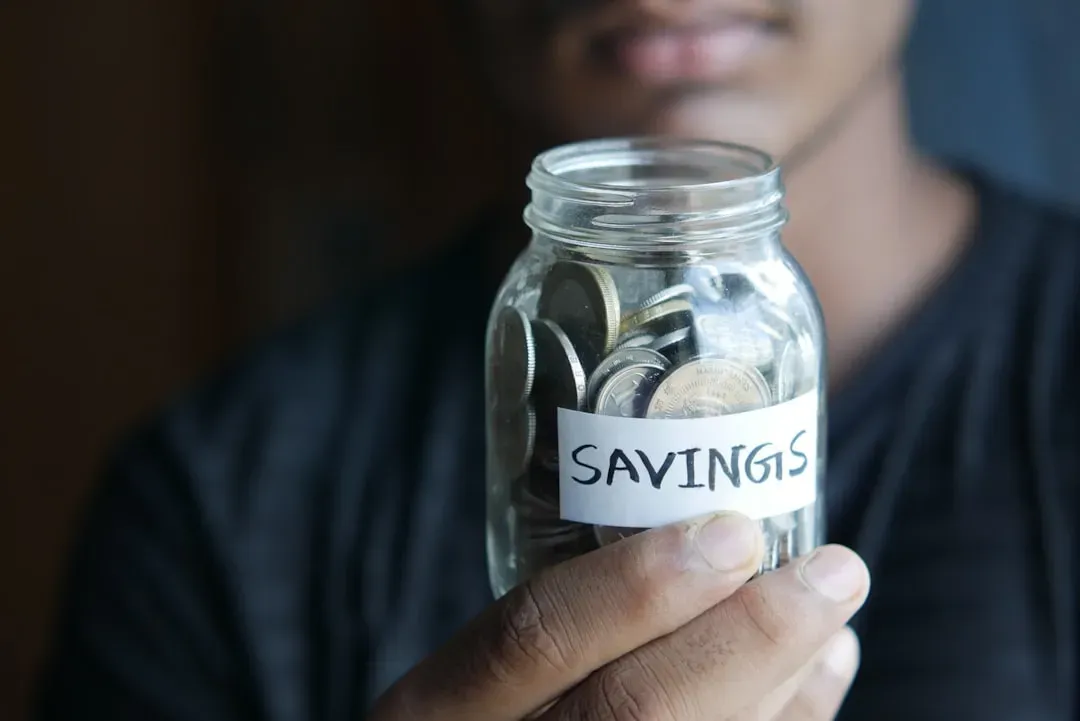
6. They automate savings before spending (Image Credits: Unsplash)
Rather than saving whatever is left at the end of the month, financially comfortable people often set up automatic transfers the moment income arrives. This "pay yourself first" approach removes the temptation to spend first and save later, which for most people never actually happens.
Behavioral finance research has long shown that automation reduces the mental friction involved in saving, making it far more consistent than manual effort. It's not a glamorous habit, but automated transfers quietly build wealth in the background without requiring willpower every month.
7. They avoid discussing net worth casually

7. They avoid discussing net worth casually (Image Credits: Pexels)
It might seem counterintuitive, but people who are actually doing well financially tend to talk about it less, not more. Bragging about account balances or investment returns is often more common among people trying to project success than those who've quietly built it.
This reticence isn't secrecy for its own sake. It reflects a broader pattern where financial comfort is treated as a private matter, similar to health details, rather than a topic for casual conversation or social media.
8. They plan for taxes year round, not just in April

8. They plan for taxes year round, not just in April (Image Credits: Unsplash)
Waiting until tax season to think about taxes is common, but financially comfortable people often make small adjustments throughout the year, adjusting withholding, timing charitable donations, or contributing to tax advantaged retirement accounts before deadlines sneak up. This ongoing attention prevents surprises and often reduces the total tax burden compared to last minute scrambling.
It's a habit that rarely comes up socially because tax planning sounds tedious, even to people who do it well. Still, contributing consistently to accounts like a 401k or IRA throughout the year, rather than in a rushed lump sum, tends to produce better outcomes both for tax purposes and for long term investment growth.
9. They treat debt payoff as a strategic decision, not an emotional one

9. They treat debt payoff as a strategic decision, not an emotional one (Image Credits: Unsplash)
Comfortable savers tend to approach debt with a calculator rather than a gut feeling, prioritizing higher interest debt first regardless of which balance feels more urgent emotionally. This method, often called the avalanche approach, minimizes total interest paid over time compared to paying off smaller balances first for a psychological win.
They also tend to avoid carrying credit card balances when possible, since average credit card interest rates have remained elevated, often exceeding twenty percent annually in recent years. Treating debt payoff as a numbers problem rather than an emotional one is unglamorous, but it consistently produces better financial outcomes over time.
None of these habits are secret formulas or clever tricks. They're mostly patient, repetitive choices that don't generate much conversation because there's nothing dramatic to report. That may be exactly why they work.