
Every generation rewrites what it means to take care of yourself, and the gap between Gen Z and Baby Boomers on this particular topic has never felt wider. What one group treats as essential maintenance, the other reads as avoidance, entitlement, or worse, plain laziness. It’s a friction point that shows up in workplaces, family dinners, and comment sections in equal measure.
According to developmental psychologist Professor Rebecca Bigler at the University of Texas at Austin, these kinds of generational judgments are a predictable feature of social life. Her research shows that such labels act as mental shortcuts when people try to make sense of rapid cultural change. That context matters when looking at the nine habits below, each of which Gen Z treats as non-negotiable, and each of which makes plenty of Boomers roll their eyes.
1. Bed Rotting as a Recovery Ritual

1. Bed Rotting as a Recovery Ritual (Image Credits: Pixabay)
The trend known as “bed rotting” has exploded across Gen Z’s corner of the internet, with millions of posts romanticizing lying in bed all day as a form of self-care. For most of this generation, an unscheduled Saturday spent horizontal with snacks and a streaming queue isn’t a failure of productivity. It’s a deliberate reset after a week of overstimulation.
According to McKinsey data, roughly 55 percent of Gen Z have tried social media-driven habits like bed rotting, with about one in four reporting it as a way to cope with stress and burnout. Gen Z watched older generations glorify busyness and grind culture, but many have also seen the toll that lifestyle takes. For them, bed rotting can represent a psychological protest: a refusal to equate self-worth with productivity. Boomers, raised on the idea that rest is earned through labor, tend to see this very differently.
2. Attending Therapy as Routine Maintenance

2. Attending Therapy as Routine Maintenance (Image Credits: Unsplash)
Gen Z views therapy as a regular part of self-care, not just something reserved for crises. Online therapy platforms have made mental health care more accessible, helping normalize seeking professional support. To this generation, scheduling a therapy session carries roughly the same weight as booking a dental check-up. It’s maintenance, not emergency intervention.
Gen Z is 37 percent more likely to attend therapy than older generations, and about 57 percent plan to seek therapy at some point. Baby Boomers, by contrast, were raised in an era characterized by significant stigma surrounding mental health, where seeking help was widely perceived as a sign of weakness or inadequacy. The generational distance between those two realities is enormous, and it shapes nearly every other habit on this list.
3. Setting Firm After-Hours Communication Boundaries

3. Setting Firm After-Hours Communication Boundaries (Image Credits: Pexels)
Experts and studies consistently identify work-life balance as the defining difference between Gen Z and previous generations. They embody the “work to live, not live to work” philosophy, refusing to work overtime, creating clear boundaries, and insisting that how they work makes sense. Not responding to a Slack message at 9 p.m. isn’t rudeness to Gen Z. It’s the boundary holding.
Gen Z is setting boundaries early because they watched older generations learn hard lessons about overwork. The National Institutes of Health has connected workplace stress and poor work-life balance to serious health issues including heart disease and depression. Older generations often equated work ethic with endurance, believing the honor of simply having a job should be enough motivation. That value system, deeply ingrained in Boomer culture, makes Gen Z’s hard stop at the end of the workday look suspiciously like indifference.
4. Taking Dedicated Mental Health Days

4. Taking Dedicated Mental Health Days (Image Credits: Unsplash)
Gen Z treats mental health like physical health: legitimate and worth protecting. There’s no hiding under a vague “sick day” excuse. They’re open about needing time to reset, recharge, or simply decompress without the weight of the world pressing down on them. The transparency itself is part of the point.
A Milkround report found that roughly 62 percent of Gen Z took a dedicated mental health day in the past year. Deloitte’s 2025 survey found that about three-quarters of Gen Z workers said they needed time off due to stress, yet fewer than half actually took it, citing career anxiety, financial pressure, and workplace stigma. The gap between knowing they need the break and actually taking it reveals that even within this generation, the old pressures haven’t fully dissolved.
5. Deliberate Digital Detoxing and Screen Limits
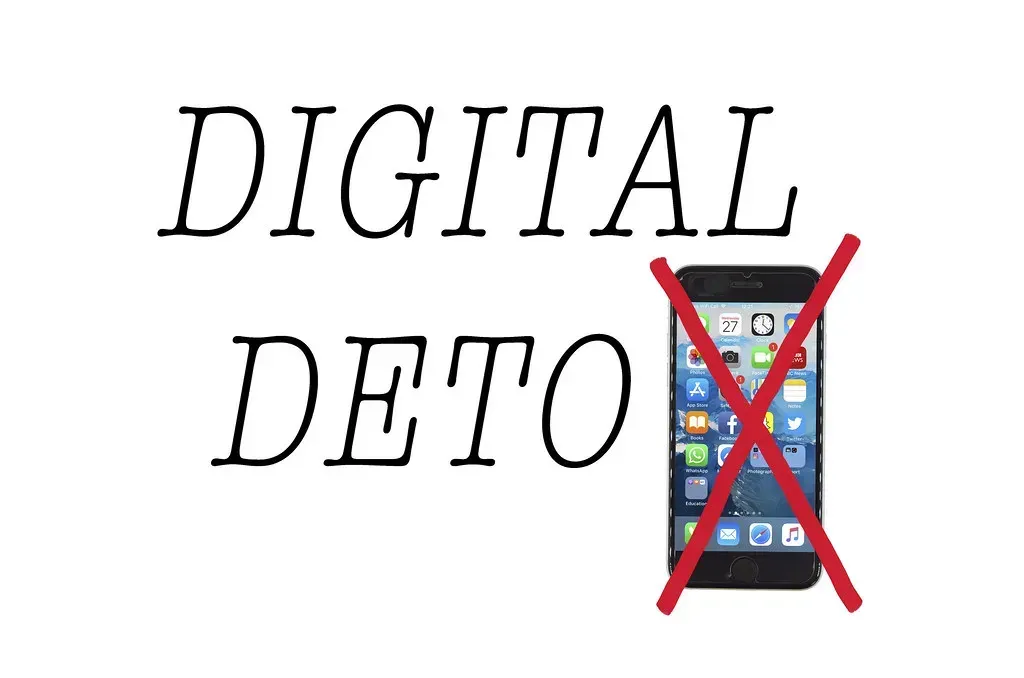
5. Deliberate Digital Detoxing and Screen Limits (forthwithlife, Flickr, <a href="https://creativecommons.org/licenses/by/2.0/" target="_blank" rel="noopener">CC BY 2.0</a>)
While social media is a significant part of Gen Z’s lifestyle, they’re also well aware of its negative effects. Many practice digital detoxing: limiting screen time, taking social media breaks, and unfollowing accounts that negatively affect their mental health. Boomers, who often see scrolling itself as the lazy act, find it somewhat ironic that Gen Z needs to intentionally schedule breaks from their phones. Yet the reasoning is grounded in real data.
Research shows that a one-week social media detox reduced anxiety symptoms by about 16 percent, depression by nearly 25 percent, and insomnia by over 14 percent in young adults. A survey found that roughly 45 percent of Gen Z are actively reducing screen time specifically to improve their well-being. Deliberately stepping away from a device may look passive from the outside, but the intention behind it is anything but.
6. Protecting Their Social Energy and Saying No to Plans

6. Protecting Their Social Energy and Saying No to Plans (Image Credits: Pexels)
For previous generations, setting social boundaries often felt awkward, confrontational, or even selfish. For Gen Z, boundaries are a non-negotiable lifestyle choice: a marker of self-respect, mental wellness, and social intelligence. Canceling plans because your social battery is empty is not a flake move in Gen Z culture. It’s considered honest and, frankly, responsible.
According to the 2024 Deloitte Gen Z and Millennial Survey, roughly 40 percent of Gen Zers report feeling stressed all or most of the time. Removing obligatory social events from the calendar is one way they cut unnecessary anxiety, protecting their mental energy from being quietly drained. This mindset reflects a broader shift from a people-pleasing culture to a self-respecting one, where emotional labor is recognized as real work rather than invisible obligation.
7. Prioritizing Sleep Hygiene Over Early Hustle

7. Prioritizing Sleep Hygiene Over Early Hustle (Image Credits: Gallery Image)
Understanding the importance of rest, Gen Z values quality sleep and follows deliberate routines designed to promote better sleep patterns. Where Boomers often wore early mornings as a badge of hustle, Gen Z treats a proper wind-down routine, no screens before bed, consistent sleep times, and adequate hours of rest, as foundational. Not optional.
Limiting screen time before bed, for instance, helps regulate circadian rhythms, leading to more restful and rejuvenating sleep. Gen Z logs an average of over six hours on their phones alone each day, which is the highest of any generation, while health experts recommend no more than two hours of recreational screen time per day overall. The emphasis on sleep hygiene is, at least in part, a corrective response to that reality. Boomers who rose at dawn and prided themselves on needing little sleep rarely see it that way.
8. Quiet Quitting: Doing Exactly What the Job Requires

8. Quiet Quitting: Doing Exactly What the Job Requires (Image Credits: Unsplash)
A study defines quiet quitting as people refraining from doing more work than they were contractually obligated to do. Gen Z frames this not as shirking but as maintaining a fair exchange: they deliver what was agreed, nothing more. Boomers, who built careers on going above and beyond as a matter of pride, often read this as a fundamental failure of character.
Burnout and quiet quitting are warning signs of a generation losing purpose in a fast-paced system. Gen Z is not lazy; they are seeking meaning. While Boomers lived through their own setbacks and global tensions, they didn’t grow up with nearly as many resources to express their feelings. Gen Z has normalized therapy, openly expressing emotions, and prioritizing mental health in ways previous generations simply couldn’t access. Quiet quitting, for many in this generation, is an act of self-preservation dressed up as a professional stance.
9. "Treat Culture": Small Daily Rewards as Emotional Upkeep

9. "Treat Culture": Small Daily Rewards as Emotional Upkeep (Image Credits: Pexels)
Many Gen Zers frequently indulge in what’s been called “treat culture,” rewarding themselves with small purchases like snacks or conveniences as a form of self-care, coping, and positive reinforcement. A coffee on the way to work, a small online order after a rough week, a takeout night when energy is low. These aren’t seen as indulgences so much as micro-doses of comfort in a stressful world.
Part of treat culture goes back to the basic psychological concept of positive reinforcement. When you do something positive or are trying to reinforce habits, earning a treat can help cement that behavior. For younger generations, treat culture also serves as a coping mechanism and a form of resistance to societal pressures and stressors. Despite limited disposable income, about 57 percent of Gen Z buy themselves a small treat at least once a week, according to a Bank of America report. Boomers who built identities around delayed gratification and saving every dollar tend to see this habit as fiscal irresponsibility. Gen Z tends to see it as staying sane.
The disagreement between these generations runs deeper than any single habit. When older workers frame Gen Z’s boundaries as entitlement rather than healthy self-preservation, they don’t have to question whether they should have had better boundaries themselves. When the younger generation is transparent about mental health, it confronts those who suffered in silence for decades. What looks like laziness from one angle often looks like hard-won self-knowledge from another. The habits themselves aren’t the point. The real question is what gets to count as discipline, and who decides.