
Most people still treat a phone call from someone claiming to be their bank as inherently trustworthy. The voice sounds professional, the caller ID matches, and the language feels official. That sense of legitimacy is precisely what fraudsters are counting on.
Fraud continues to surge across the U.S., with consumers reporting losses of over $12.5 billion to fraud in 2024, a 25% increase from the previous year, according to the Federal Trade Commission. Bank impersonation scams are among the most common and effective fraud schemes that criminals use. Knowing the specific phrases that signal danger is one of the most practical defenses you have. Below are eight of the most common ones to watch for.
1. "Your Account Has Been Compromised – You Need to Act Right Now"

1. "Your Account Has Been Compromised – You Need to Act Right Now" (Image Credits: Unsplash)
Scammers are masters of psychological and emotional manipulation. They use fear tactics and try to rush you along to overwhelm your critical thinking skills. Disorientation is a deliberate part of the design. The phrase “act right now” is a textbook opener because it triggers panic before you’ve had a moment to think clearly.
Modern criminals use psychological tricks to push people into making snap decisions. They create a sense of panic, perhaps by claiming your account has been compromised or your funds are frozen. This manufactured urgency triggers a fight-or-flight response, leading people to act before thinking. A real bank representative will give you time to verify independently. If they won’t, stop the conversation.
2. "We Need to Move Your Money to a Safe Account"

2. "We Need to Move Your Money to a Safe Account" (Image Credits: Unsplash)
Scammers may try to convince you that your account has been compromised and that you need to move your money into a different account to protect it. Unfortunately, that other account is one the fraudster controls. This is one of the most financially devastating scripts in use today, and victims often don’t realize what happened until the money is gone.
Scammers impersonate banks and claim your account is at risk. Reputable banks will never ask you to move money to resolve fraud. This type of scam is particularly costly for the victim, because banks are not required to refund money lost to fraud if you authorized the transaction. That last detail matters enormously. Once you approve the transfer, you’re largely on your own.
3. "Don't Tell Anyone About This – It's Part of an Investigation"

3. "Don't Tell Anyone About This – It's Part of an Investigation" (Image Credits: Unsplash)
Scammers want to isolate you from people you know and trust. Never agree to keep a secret, especially if you’re scared and worried. Always tell a family member or friend you trust, as they care and can help. The secrecy instruction is one of the clearest red flags in any scam playbook.
Fraudsters do not want their victims in contact with any person or organization that could interfere and slow down or stop their scam. Scammers want to move fast, confuse and overwhelm their victims with threats, information, and immediacy, so anyone who would make their target stop and start focusing on rational questions is a threat to them. If someone is telling you to keep quiet, that’s the moment to speak up loudly to someone you trust.
4. "Just Tell the Teller It's for a Family Member Overseas"
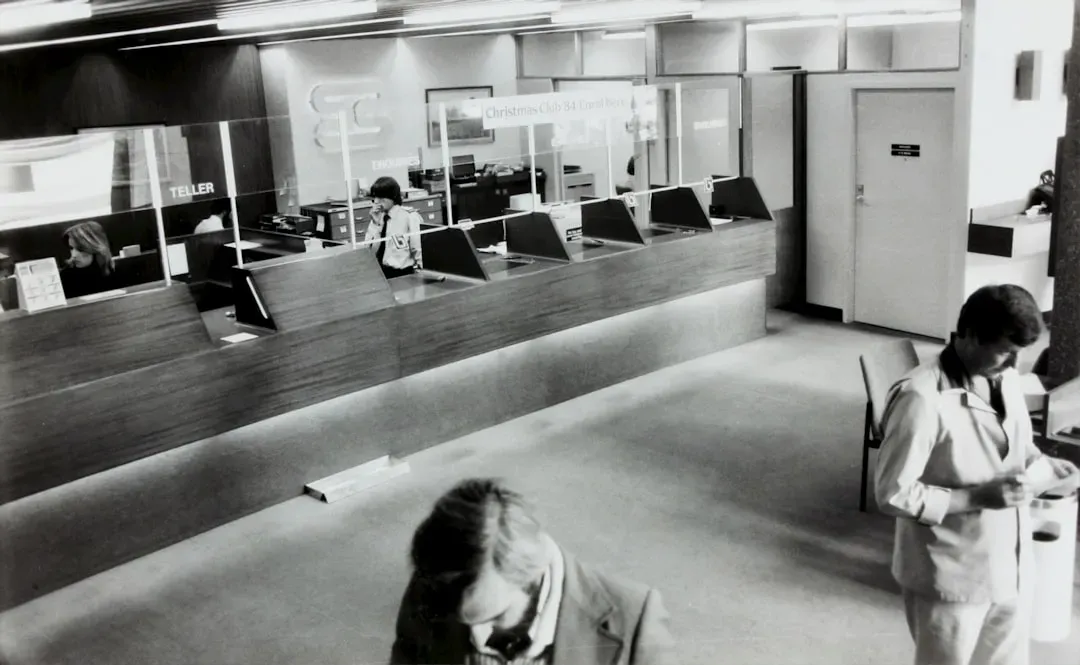
4. "Just Tell the Teller It's for a Family Member Overseas" (Image Credits: Unsplash)
Some frauds involve scammers talking their target into sending money. To get access to your money with as little intervention as possible, scammers will sometimes instruct you not to tell branch staff why you are withdrawing or sending money. Scammers will sometimes even provide you with a phony cover story to tell the branch employee, such as that the money is for a family member overseas.
Phrases like “only say what I tell you to say” are a scam. The minute someone tells you to lie to anyone, including bank tellers or investment brokers, stop. It’s a scam. It’s important to always be honest with branch staff, as they are the first line of defense in helping to protect your money. Bank tellers are trained to spot irregular withdrawal behavior, but only if you’re honest with them.
5. "We'll Need to Verify Your PIN, Password, or One-Time Code"

5. "We'll Need to Verify Your PIN, Password, or One-Time Code" (Image Credits: Pexels)
In a bank impersonation scam, scammers pretend to be from a bank and request your personal information, like Social Security numbers, credit card or debit card numbers, or your bank account passwords. Asking for a one-time verification code is a particularly sneaky variation, since it sounds technical and routine but is anything but.
Your bank will never ask for your bank account numbers, PIN, password, or a one-time verification code to verify a transaction or secure your account. A bank colleague will never call you and ask for those codes. If you get such a call, it’s a scammer attempting to gain access to your account. Never share any verification codes over the phone. This rule has no exceptions, regardless of how convincing the caller sounds.
6. "I'm Transferring You to Our Fraud Department Supervisor"

6. "I'm Transferring You to Our Fraud Department Supervisor" (Image Credits: Pexels)
A scam can often become more believable if more than one voice is involved. The fraudster who initially calls may tell you they need to transfer you to a higher-ranking official or a different department, giving the appearance of a professional workplace. Suddenly hearing a second “senior” voice on the line can feel oddly reassuring, which is exactly the intended effect.
Typically, a scammer on the phone will try to alarm the people being targeted, saying that they must take immediate action to protect their accounts from being emptied. The staged transfer to a “supervisor” is used to reinforce that urgency at a more senior-sounding level. In reality, you may be speaking to the same person or a partner in the same fraud operation. Hang up and call your bank’s official number directly.
7. "You Can Pay With Gift Cards or a Wire Transfer to Protect Your Funds"

7. "You Can Pay With Gift Cards or a Wire Transfer to Protect Your Funds" (Image Credits: Pexels)
Asking you to wire money, send cryptocurrency, send money by courier, send money over a payment app, or put money on a prepaid card or gift card and send it to them, or give them the card numbers, is a classic warning sign of a scam. The specificity of the payment method is itself a red flag, because legitimate banks simply don’t work this way.
Scammers love gift cards because the money moves instantly, anonymously, and, once spent, can be nearly impossible to recover. When swindlers commit fraud, they’re looking for three things: speed, stealth, and certainty. Card issuers aren’t legally required to refund balances, and many won’t, especially if the funds were already spent. This weak consumer protection makes gift card fraud a low-risk, high-reward crime for criminals.
8. "Don't Hang Up – Stay on the Line While You Do This"

8. "Don't Hang Up – Stay on the Line While You Do This" (Image Credits: Unsplash)
The phrase “don’t hang up” is a scam. If someone wants to keep you on the phone while you go withdraw or transfer money, buy gift cards, or anything else they’re asking you to do, that’s a scammer. Keeping you tethered to the call is a control tactic, one that prevents you from pausing, talking to someone else, or changing your mind.
The scammer, who might even try to keep you on the phone, will tell you to lie so the bank won’t stop your transfer. Do not lie to avoid the bank’s security department. Even if there were some legitimate issues with your account, there are virtually no circumstances under which a real bank representative would pressure you to do anything immediately, especially transfer funds. The moment someone insists you stay on the line, that insistence itself is your clearest signal to hang up.
The common thread running through all eight of these phrases is pressure: pressure to act fast, stay quiet, trust the caller, and hand over something valuable before you’ve had a chance to think. Real bank employees don’t operate that way. The safest move is always to hang up and call your bank using the phone number on your statement or on the bank’s official website, because banks will never ask you to provide your login credentials, PIN, or access codes. That one habit is harder to exploit than any scam script ever written.