
Every generation seems to have a list of things the one before it finds baffling. Ask a boomer what irritates them about how millennials run a household, and you'll likely hear about phones at dinner, shoes left on, or texting instead of calling. These aren't just random pet peeves. They reflect a real shift in what counts as polite, efficient, or even necessary in daily life.
What one generation sees as common courtesy, another sometimes reads as carelessness or coldness. Below are nine habits that have become second nature in many millennial households, yet still raise eyebrows among older relatives who grew up with a different rulebook.
1. Keeping shoes on indoors
1. Keeping shoes on indoors (Image Credits: Pexels)
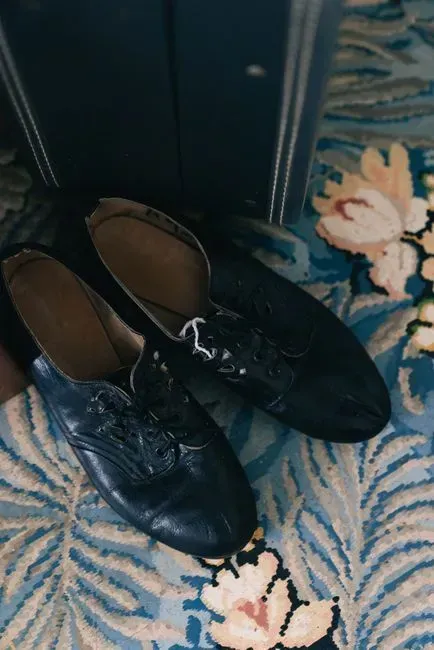
Walking through the front door without stopping to remove shoes has become standard in a lot of millennial homes, especially in apartments or houses without a dedicated entryway. The logic tends to be practical: convenience, cold floors, or simply not thinking about it until a guest points it out. Many boomers grew up with strict shoes-off rules meant to protect carpets and floors that took years to save up for.
To an older generation, shoes indoors can look like a lack of respect for the home itself, especially someone else’s home. Millennials, meanwhile, often treat it as a non-issue unless a host specifically asks. The disconnect isn’t really about hygiene or cleanliness; it’s about whose unspoken rules get to define good manners.
2. Texting instead of calling
2. Texting instead of calling (Image Credits: Pexels)
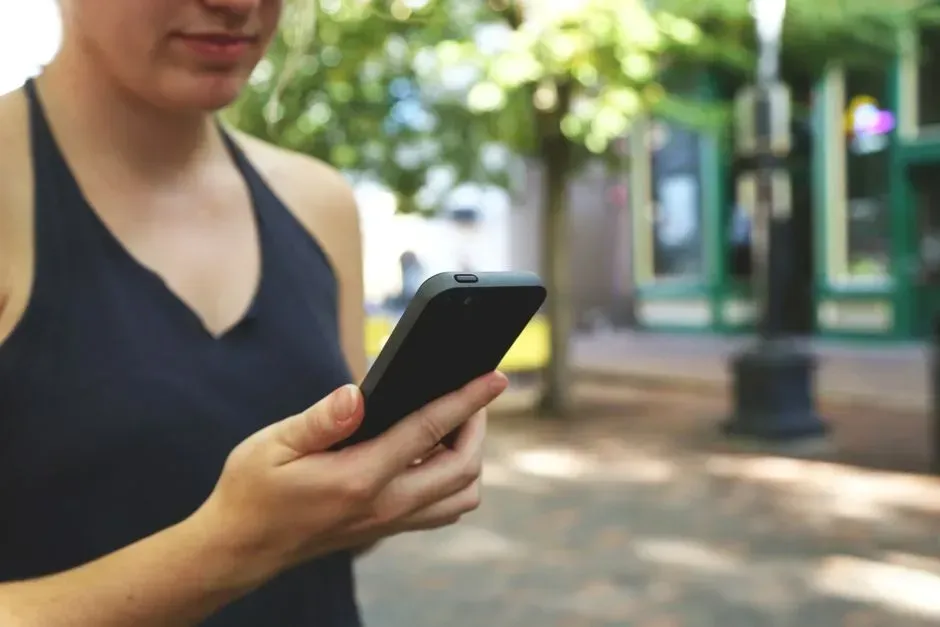
For many millennials, a phone call feels like an imposition unless it’s scheduled or urgent. Texting lets people respond on their own time, which fits neatly into busy, overlapping schedules. This shift has been documented repeatedly in communication research showing younger adults strongly favor text-based communication over voice calls for everyday matters.
Boomers often see an unanswered call followed by a text as a small snub, since a phone call was traditionally treated as the more personal, respectful option. To them, texting can feel like avoidance dressed up as efficiency. Millennials would argue it’s the opposite: a way to respect someone’s time by not forcing an interruption.
3. Answering the door in pajamas or loungewear
3. Answering the door in pajamas or loungewear (Image Credits: Unsplash)
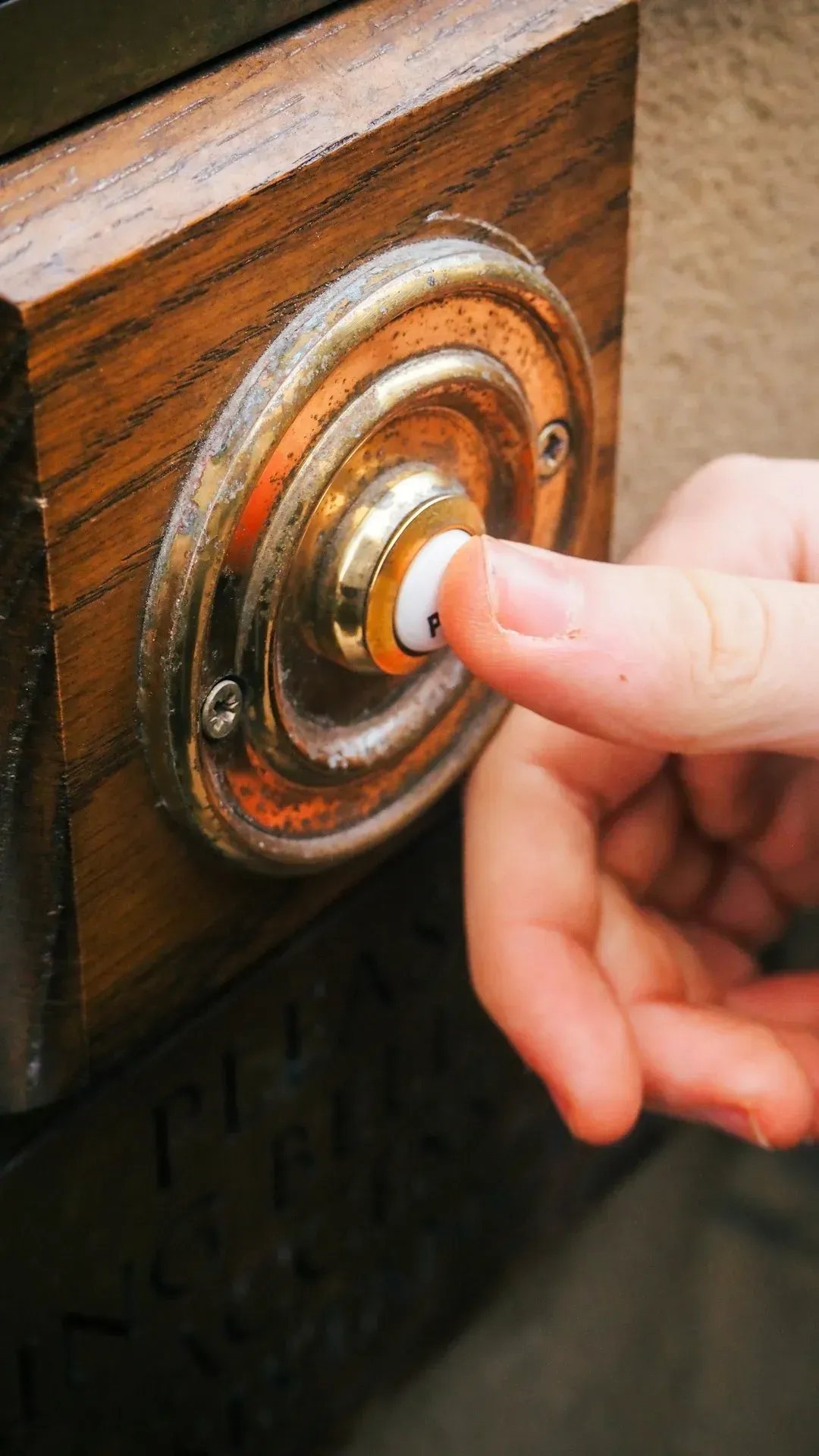
Answering a knock at the door without changing out of sweatpants or a robe is common practice in many younger households, particularly with the rise of frequent deliveries. Getting “dressed for company” simply isn’t a reflex the way it once was, partly because unscheduled visitors are rarer now than they used to be. Most interactions at the door last seconds, not hours, so the incentive to dress up has faded.
Older generations often grew up in a culture where looking presentable for anyone at the door, even a delivery person, was basic etiquette. To them, opening the door in pajamas signals a lack of effort or self-respect. Millennials generally see it as a non-event, since the exchange is brief and impersonal anyway.
4. Skipping the landline and caller etiquette that came with it

4. Skipping the landline and caller etiquette that came with it (Image Credits: Pexels)
Landlines came with an entire set of unwritten rules: answering promptly, identifying yourself, not tying up the line too long. Most millennial households have no landline at all, and the etiquette that surrounded it has essentially disappeared along with the technology. Mobile phones changed the rhythm of communication so thoroughly that many of those old rules no longer apply.
Boomers who grew up with shared family phones sometimes see the absence of that structure as a broader breakdown in phone manners generally. Letting calls go to voicemail, screening numbers, or simply not answering unknown callers can feel dismissive to someone raised to always pick up. For millennials, it’s just filtering out spam and unwanted calls in an era when robocalls are constant.
5. Using phones at the dinner table
5. Using phones at the dinner table (Image Credits: Unsplash)
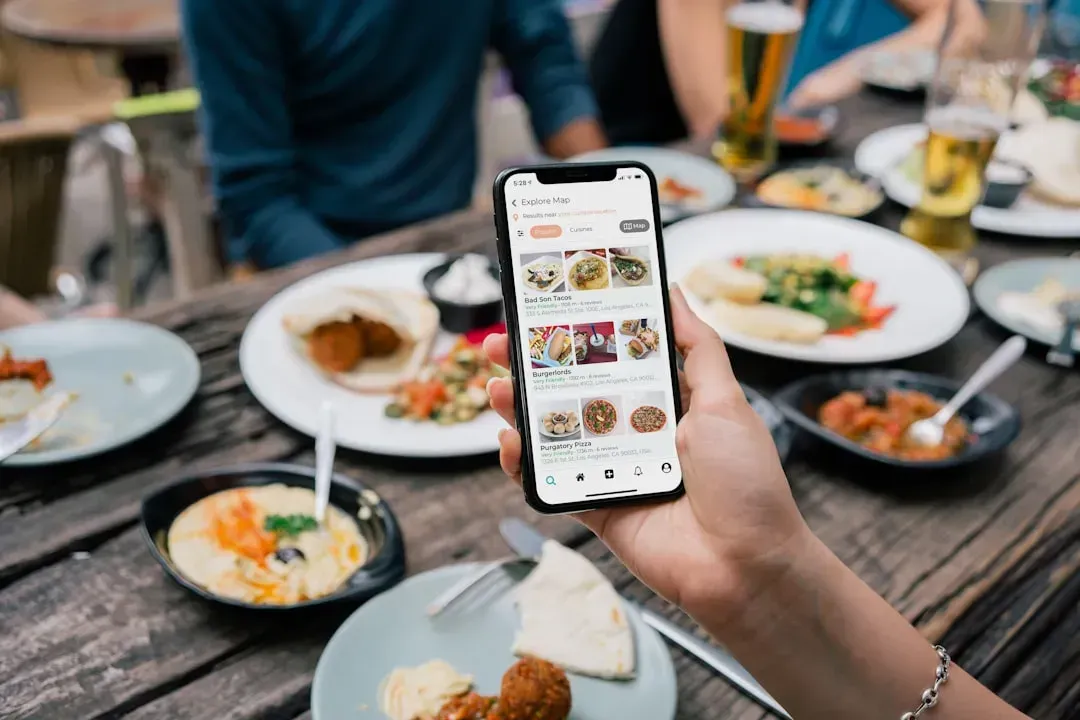
Checking a phone during a meal, even briefly, is common in many millennial households, whether it’s glancing at a notification or looking something up mid-conversation. It’s rarely meant as rudeness; often it’s just habit, since phones function as clocks, notepads, and reference tools all at once. Many younger adults don’t view brief phone use at the table as a break in conversation the way older generations do.
For boomers, the dinner table has long been treated as sacred, undistracted time reserved for the people physically present. A phone appearing at the table, even face-down, can register as a signal that the conversation isn’t fully valued. It’s one of the more visible generational flashpoints precisely because it happens in such a small, shared space.
6. Skipping formal thank-you notes for handwritten ones
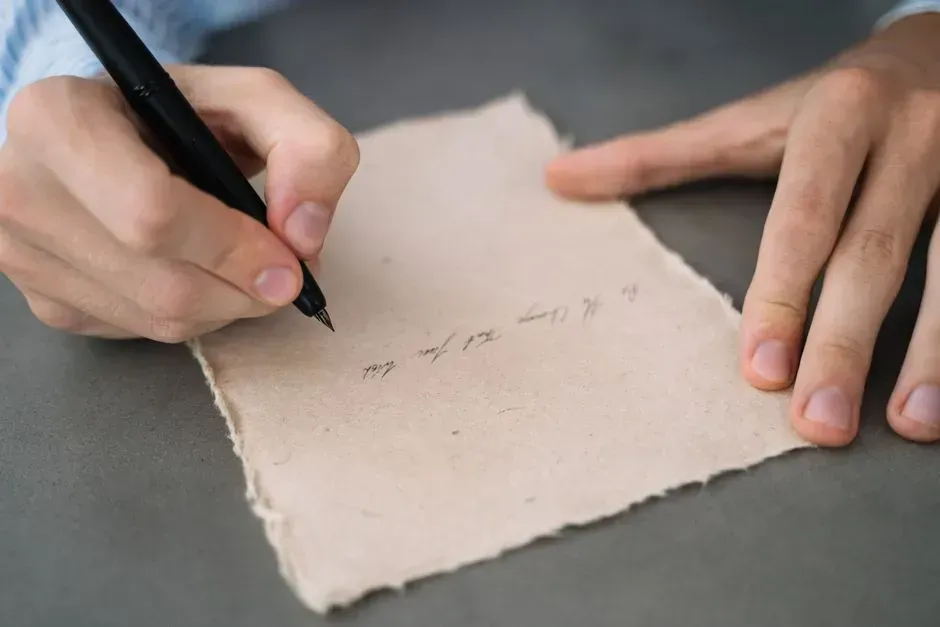
6. Skipping formal thank-you notes for handwritten ones (Image Credits: Pexels)
A text, a quick call, or a message through an app has largely replaced the handwritten thank-you note in many millennial households, especially for smaller gifts or casual favors. The gratitude is genuine, but the format has shifted toward speed and convenience over formality. For most millennials, a heartfelt text sent the same day feels more sincere than a card that arrives a week later.
Boomers often learned that a handwritten note was the only acceptable way to express real thanks, particularly for gifts, dinners, or favors from family. Skipping that step can feel like skipping the gesture altogether, even if a message was sent. It’s less about the words used and more about the ritual that used to accompany them.
7. Not RSVPing the traditional way, or not RSVPing at all
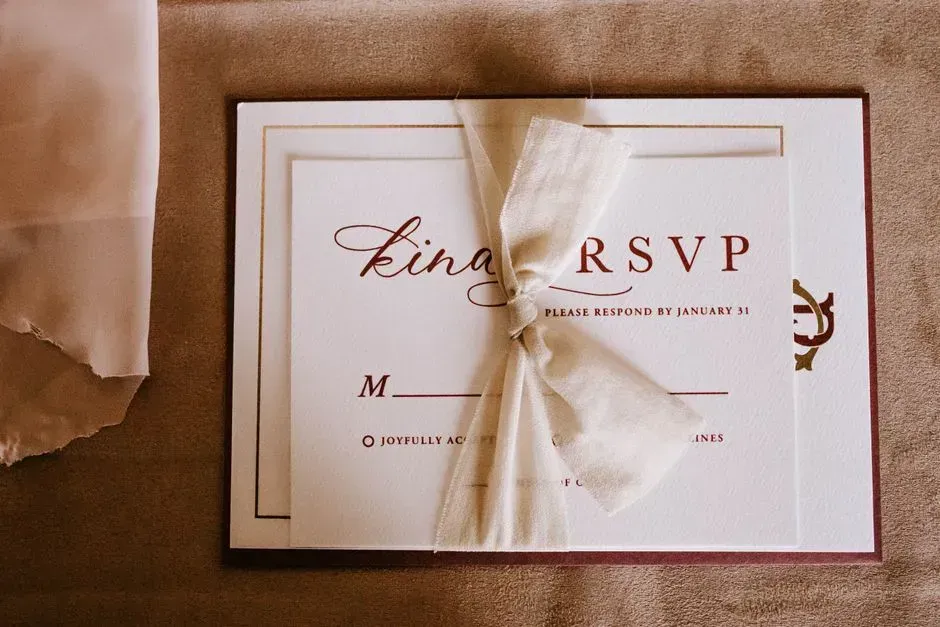
7. Not RSVPing the traditional way, or not RSVPing at all (Image Credits: Pexels)
Digital invitations and event apps have made RSVPing more casual, and sometimes optional in practice, among younger hosts and guests. A “maybe” left unanswered, a late response, or a passive nod through a group chat is often treated as close enough. Millennials frequently plan around flexible attendance, adjusting food and seating as headcounts firm up closer to the actual event.
For boomers, an RSVP was a firm commitment, and not responding by a deadline was considered a clear breach of etiquette. Hosts planned meals and seating around exact numbers, so vague responses created real logistical problems. The looser approach many millennials take can look less like flexibility and more like a lack of consideration for the host’s effort.
8. Splitting bills evenly instead of by what each person ordered
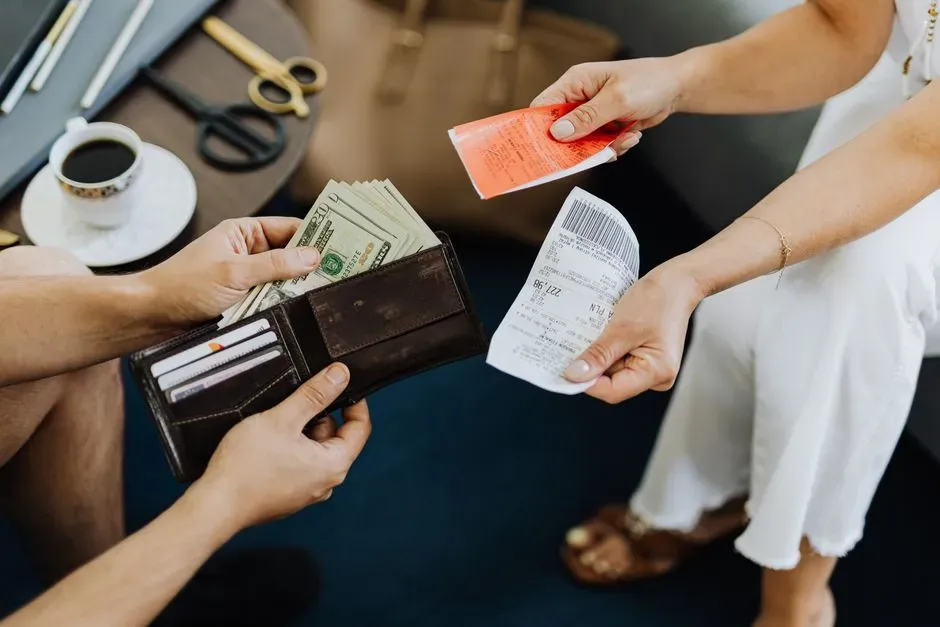
8. Splitting bills evenly instead of by what each person ordered (Image Credits: Pexels)
Splitting a restaurant bill evenly among everyone at the table, regardless of who ordered the steak and who ordered a salad, has become a common shortcut in many millennial friend groups. Apps that divide totals automatically have made this even easier, turning what used to require math into a few taps. The goal is speed and simplicity, not precision down to the last appetizer.
Older generations often expected bills to be itemized, with each person paying for exactly what they ordered, especially in larger groups. To them, even splitting can feel unfair to whoever ordered less, and mildly presumptuous besides. Millennials tend to view it as a reasonable trade-off, favoring convenience over exact fairness in casual settings.
9. Working from the couch or bed instead of a defined workspace

9. Working from the couch or bed instead of a defined workspace (Image Credits: Unsplash)
Remote and hybrid work has normalized laptops on couches, kitchen counters, and even beds for many millennials, a shift accelerated dramatically since 2020 and still common in 2026 as flexible work arrangements persist across many industries. The boundary between “workspace” and “living space” has blurred considerably compared to previous generations. For many younger workers, comfort and flexibility matter more than a dedicated office setup.
Boomers who spent careers commuting to a formal office often see this blending of work and living space as a sign of poor discipline or a lack of professionalism. To them, a proper workspace, separate from where you relax or sleep, was simply part of taking a job seriously. Millennials generally counter that output matters more than location, especially when the work itself gets done well regardless of the setting.
None of these habits are really about right or wrong. They’re snapshots of how technology, economics, and daily rhythms have reshaped what feels normal inside a home. What one generation reads as a small act of disrespect, another sees as simply adapting to a faster, more flexible way of living.