
Something has shifted in how people order dinner. It is not a boycott, and there is no viral hashtag driving it. It is quieter than that, a slow drift away from once-reliable names toward whatever feels fresher, cheaper, or more consistent.
Restaurant loyalty data backs up the feeling. In the company’s 2026 Phygital Index Report, 45% of consumers surveyed said their favorite restaurant has changed in the last year, a significant increase over 2025 when one-third of diners said the same thing. Americans are not eating out less, exactly. They are still spending about as much eating outside of the home as ever, though they have largely changed where. Here are eleven chains that keep showing up in that shuffle, and why.
1. Benihana
1. Benihana (Image Credits: Unsplash)
Benihana built its reputation on tableside theater and hibachi flair, but that image has taken a hit since a change in ownership. Ever since it was acquired by One Group in 2024, the chain has seen an escalating wave of criticism from both diners and its own staff. The complaints are not old grievances resurfacing either. Customers report that the chain’s experience no longer feels like it used to, with horrible service, including not taking food allergies seriously, and others describe uneven cooking, long waits despite reservations, and dining rooms that feel less cared for than they once were.
Staff frustration seems to be part of the equation too. Employees have also publicly voiced dissatisfaction, citing concerns about management changes, staffing shortages, and increased pressure to hit service quotas, and when staff morale drops, the impacts eventually show up on the plate. For a brand built around a premium, entertaining experience, that is a tough thing to hide from paying guests.
2. Wendy's
2. Wendy's (JeepersMedia, Flickr, <a href="https://creativecommons.org/licenses/by/2.0/" target="_blank" rel="noopener">CC BY 2.0</a>)
Wendy’s has spent decades selling itself as the fast-food chain that tried a little harder. Wendy’s has long positioned itself as the “premium” fast-food burger chain, with fresh beef, a distinct square-patty identity, and nostalgic staples like Frostys and baked potatoes. That reputation is being tested now in ways it has not faced before. 2026 is shaping up to be one of the most unstable years in the company’s history, with a large wave of closings starting in late 2025 affecting hundreds of locations.
Fewer locations often means thinner staffing at the ones that remain open. Diners who still visit their local Wendy’s have started noticing slower service and less consistent food, a common side effect when a chain is trimming its footprint under financial pressure. The nostalgia is still there, but the follow-through has gotten shakier.
3. KFC
3. KFC (JeepersMedia, Flickr, <a href="https://creativecommons.org/licenses/by/2.0/" target="_blank" rel="noopener">CC BY 2.0</a>)
KFC used to be the undisputed name in fried chicken, but that crown has slipped in recent years. Competitors like Chick-fil-A and Bojangles have had a stellar few years, while KFC has been plagued by quality issues, with sales declining by a massive 5% in the second quarter, continuing a downward trend that saw a similar 5% decrease at the end of 2024. Executives have tried to spin things around with mixed results. Top executives at Yum Brands have noted that it’s operating in rocky circumstances, and the chain’s “Kentucky Fried Comeback” promotion didn’t quite go to plan.
The everyday complaints tend to focus on the food itself. Customers sometimes complain that the chicken tastes overly greasy, fatty, or heavily reliant on seasoning to mask a lack of actual chicken flavor, and the mashed potatoes in particular receive criticism for tasting powdered or artificial. When frying quality and side dishes both draw regular complaints, it is easy to see why loyal customers start looking elsewhere.
4. Subway
4. Subway (Image Credits: Unsplash)
Subway once felt like the default answer to “what’s for lunch,” but that default status has eroded. What was once an American sandwich shop staple now seems to be falling off the radar, as many customers say they are straying from Subway due to the declining quality of ingredients used in its sandwiches. The complaints tend to center on flavor and freshness rather than any single dramatic failure. Some people are reporting that too often it seems like the chain’s meats, cheeses, and veggies lack any flavor at all, while others say the bread leaves a lot to be desired, claiming it’s dry, crumbly, and not very appetizing.
Ingredient authenticity has also dogged the brand. Subway has been proven not to serve exactly what it has advertised, with its meats not being 100% real. Combine that history with newer complaints about staleness and flavor, and it is not hard to understand why some longtime regulars have wandered toward newer sandwich concepts instead.
5. Long John Silver's
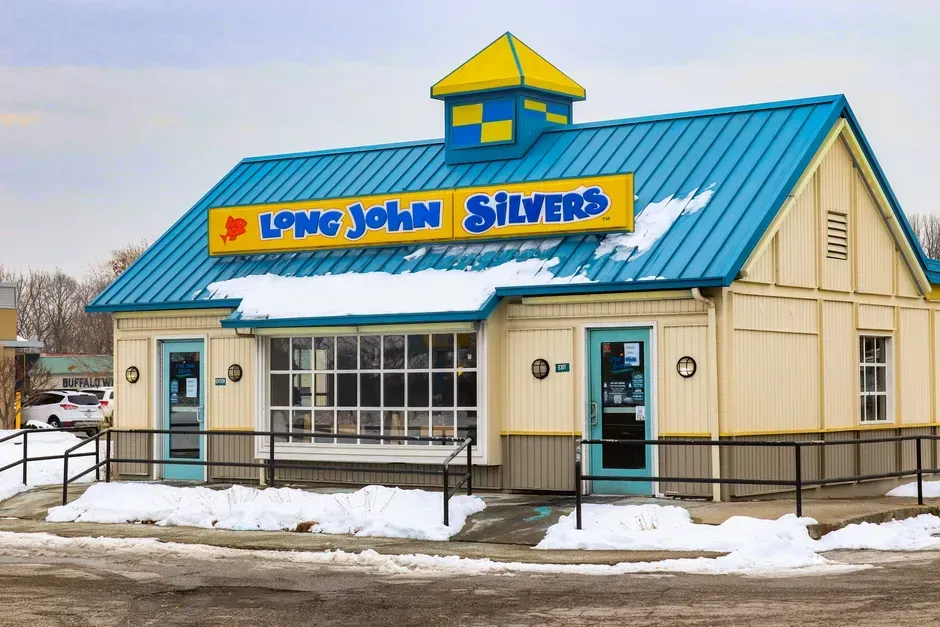
5. Long John Silver's (Image Credits: Pexels)
Long John Silver’s carved out a narrow lane decades ago, and that lane has gotten harder to defend. The chain has always served a very specific niche of deep-fried seafood at fast-food prices, but its identity has not aged well, and recent customer sentiment suggests that its issues run deeper than nostalgia. Seafood is a category where freshness matters more than almost anything else on a fast-food menu. When seafood is involved, freshness and quality are everything, and these reviews prove that many feel the chain simply is not delivering.
The specific complaints are pretty consistent across review platforms. Fast-food seafood is always a gamble, but when customers say a chain’s items taste freezer-burned or overly oily, that is a red flag. For a chain whose entire appeal rests on fried fish and shrimp done well, that kind of feedback strikes right at the core of the business.
6. Applebee's
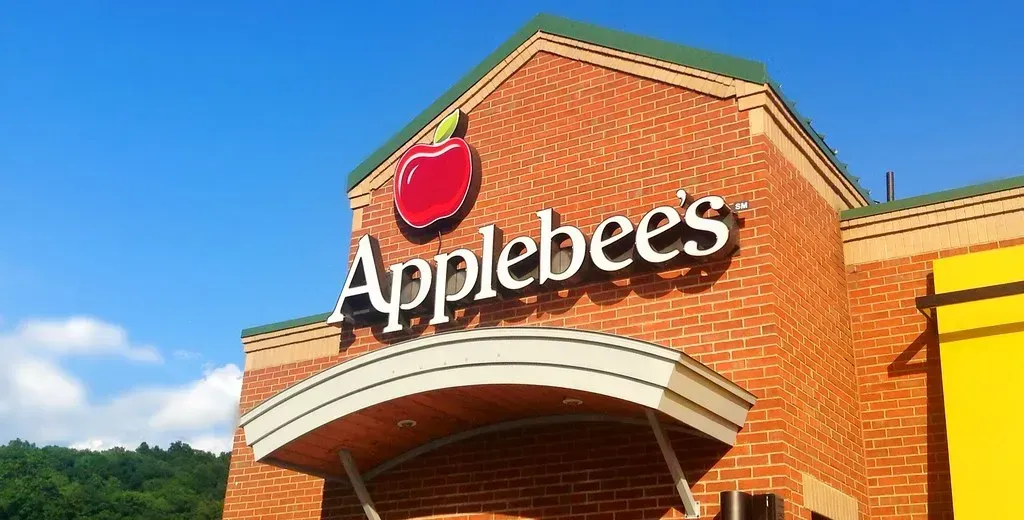
6. Applebee's (JeepersMedia, Flickr, <a href="https://creativecommons.org/licenses/by/2.0/" target="_blank" rel="noopener">CC BY 2.0</a>)
Applebee’s still pulls in crowds for happy hour and seasonal drink promotions, but the food itself is a harder sell these days. While kitchen shortcuts are not unique to Applebee’s, they contribute to an experience that feels less polished than it once did, and although the chain still draws crowds for seasonal promotions and drink specials, those deals can’t fully mask the growing dissatisfaction with its core menu. The chain has not collapsed by any means, but its identity has shifted.
What used to feel like a sit-down dinner option now reads more like a convenience stop. Applebee’s is not the worst chain in America, but it is becoming increasingly associated with convenience rather than quality, and for diners seeking fresh, made-to-order meals, 2026 might be the year to opt for a local grill or casual dining spot instead. That is a meaningful demotion for a brand that used to market itself as neighborhood comfort food done right.
7. Golden Corral
![7. Golden Corral (Image Credits: [1], <a href="https://commons.wikimedia.org/w/index.php?curid=82330675" target="_blank" rel="noopener">Public domain</a>)](https://nvmwebsites-budwg5g9avh3epea.z03.azurefd.net/onpoint/1d9da981ba6cbfafed0af8c5788eb887.webp)
7. Golden Corral (Image Credits: [1], <a href="https://commons.wikimedia.org/w/index.php?curid=82330675" target="_blank" rel="noopener">Public domain</a>)
Buffet chains live or die by consistency, and that is exactly where Golden Corral has drawn the most criticism lately. Golden Corral’s business model depends on variety, freshness, and volume, but when corners are cut, whether due to staffing challenges or cost pressures, the entire experience suffers. A buffet is unforgiving in this way. There is no single dish to save the visit if the trays running low or sitting too long become the norm.
Labor shortages hit buffet-style restaurants harder than most, since keeping dozens of stations stocked and rotating requires steady staffing. When a location cannot keep pace, guests notice quickly, and word travels fast among families who used to treat Golden Corral as a reliable weekend outing. The value proposition only works if the food behind it holds up, and that has become less certain lately.
8. Chipotle
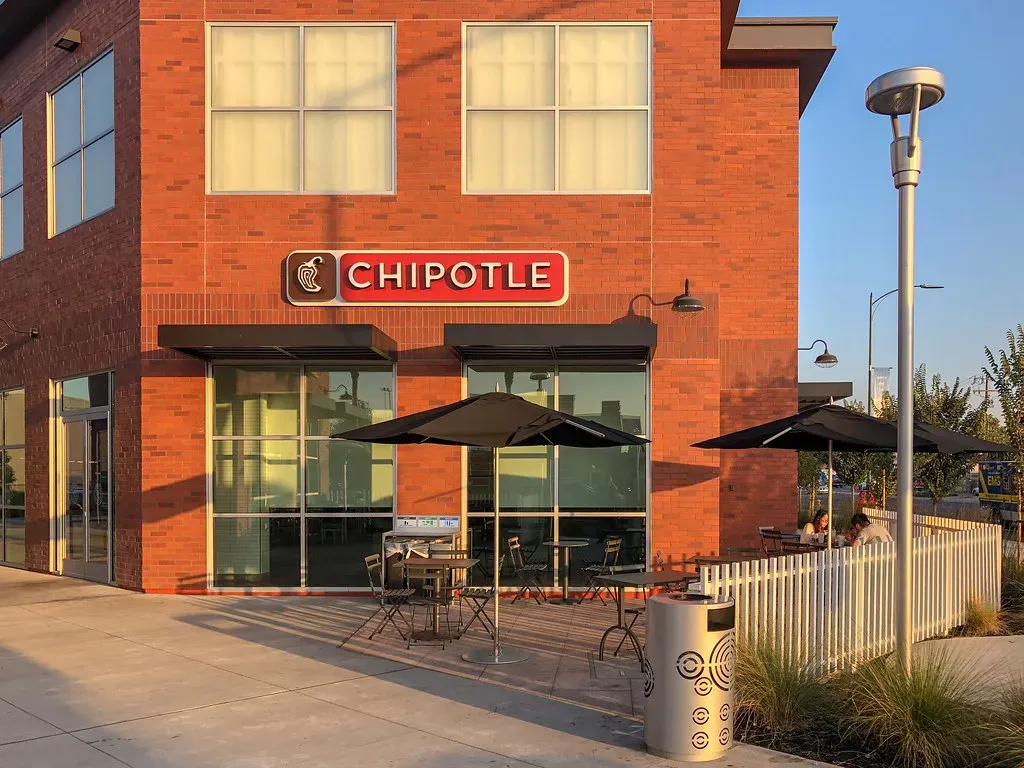
8. Chipotle (willbuckner, Flickr, <a href="https://creativecommons.org/licenses/by/2.0/" target="_blank" rel="noopener">CC BY 2.0</a>)
Chipotle spent years building a reputation for fresh, ethically sourced fast food, and 2025 tested that reputation in a real way. Like many fast-casual chains, Chipotle is facing criticism from guests for declining value and quality, with many customers accusing the restaurant of shrinkflation, and the chain had its worst year ever in 2025, with same-store sales declining for the first time since going public two decades ago. Leadership has been candid about the shift in customer behavior. Chipotle’s Chief Executive Scott Boatwright said guests are placing heightened focus on value and quality and pulling back on overall restaurant spending, and noted that since 60% of Chipotle’s core customers make more than $100,000 per year, the company is focusing on that demographic rather than planning big price cuts.
The traffic numbers tell their own story. A fading customer following reflects a general displeasure among once-loyal fans, and traffic in major markets has fallen 12%, which is not surprising given that the average visit now costs $14 or more. That price point, paired with smaller portions in some markets, has left even devoted fans feeling like the math no longer adds up.
9. Sonic
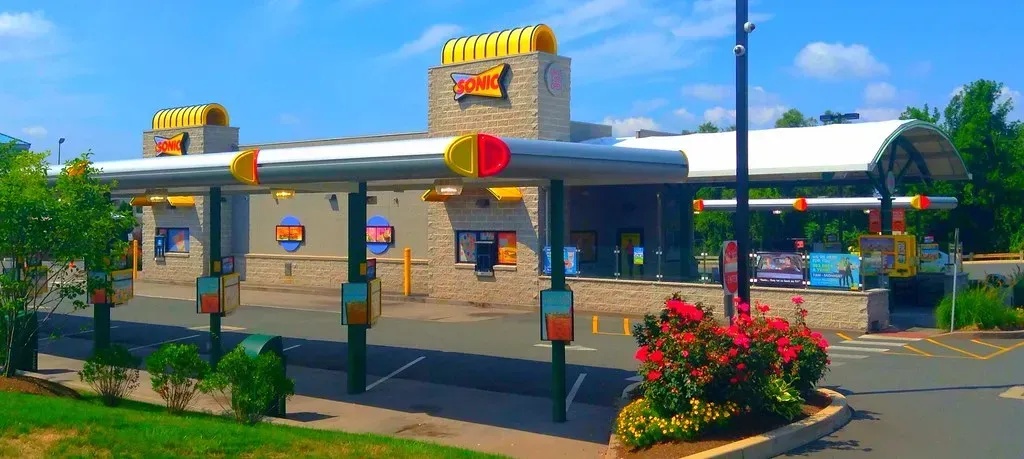
9. Sonic (JeepersMedia, Flickr, <a href="https://creativecommons.org/licenses/by/2.0/" target="_blank" rel="noopener">CC BY 2.0</a>)
Sonic’s drive-in nostalgia has not been enough to offset a rough stretch of customer satisfaction scores. The chain scored a disappointing 73 in 2025 on the American Customer Satisfaction Index, falling well short of the 79 point average for quick-service restaurants, and that figure has fallen considerably from last year’s score of 76. Independent review sites paint an even bleaker picture. Over on Trustpilot, Sonic’s reputation takes an even harder hit with a dismal 1.5-star rating.
The specific complaints tend to repeat themselves across cities. Customers report dealing with rude staff, shakes that arrive runny instead of thick, and an ordering system and app that is often not working, with getting orders wrong appearing to be a regular occurrence and even worse complaints about undercooked food. When a satisfaction score and a review platform both point in the same direction, it is a fair sign that the problems are not isolated to one bad location.
10. Starbucks
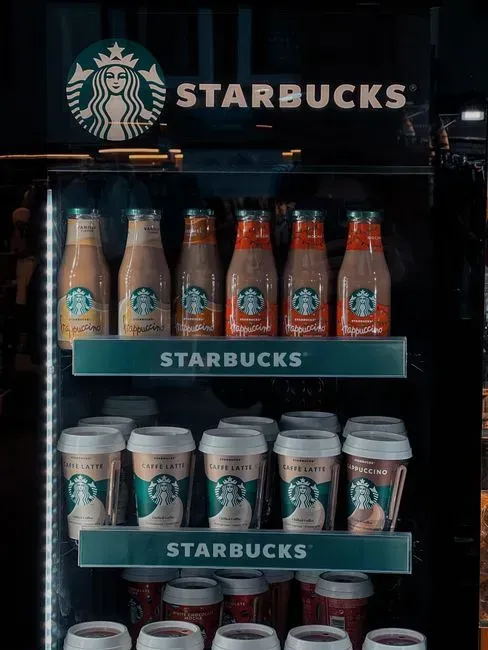
10. Starbucks (Image Credits: Pexels)
Starbucks is not struggling in the way a fast-food chain with falling sales struggles. It is losing ground to competitors who have figured out what regulars actually want. Competition has also ramped up, with independent cafes, drive-thru chains, and newer concepts stealing diehard Starbucks sippers left and right.
Leadership knows this, and change is underway. New CEO Brian Niccol is attempting a cultural reset, bringing back handwritten cups, streamlining the menu, and renovating stores in the hope they’ll become third places, but these changes take time, and money, and customers whose patience is already stretched thin may not be willing to stick around to navigate the growing pains. For a brand built on ritual and routine, asking customers to wait out a slow turnaround is a genuine gamble.
11. Noodles & Company
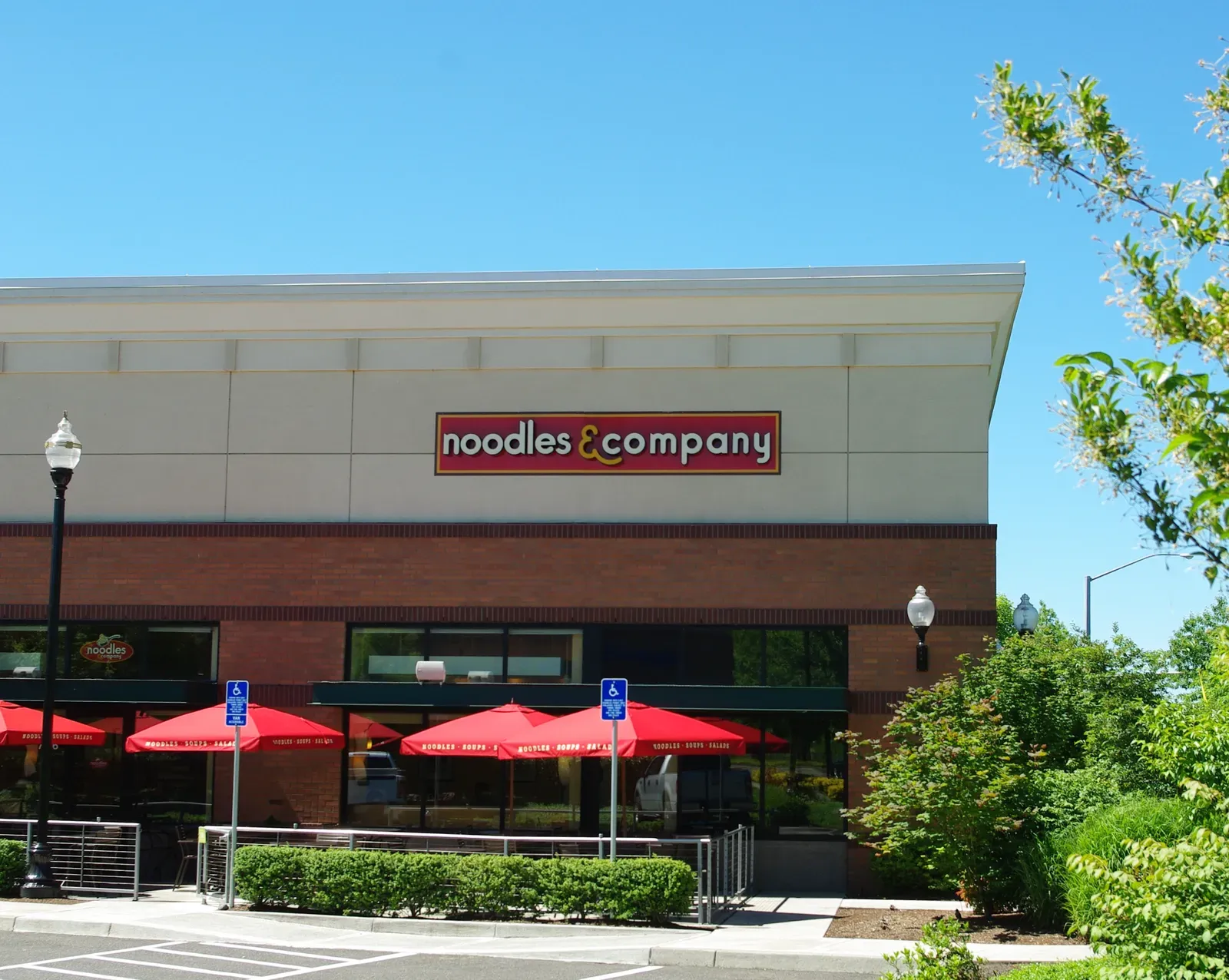
11. Noodles & Company (Image Credits: By M.O. Stevens, <a href="https://commons.wikimedia.org/w/index.php?curid=26987698" target="_blank" rel="noopener">CC BY-SA 3.0</a>)
Noodles & Company has spent the past couple of years trying to convince diners it is still worth the trip. The pasta-inspired chain has been struggling to convince customers it still brings strong value to the table, and company leadership has scrambled to regroup, resulting in plans to close locations through 2026 after already shutting down dozens of underperforming stores. Raising prices has helped the balance sheet in the short term, but it has not solved the underlying problem.
Traffic keeps sliding even as revenue ticks up on paper. Some revenue gains have come from raising menu prices, but customer traffic has undeniably declined, meaning higher prices may be helping the books short-term while customers are still turning away. Layer on top of that some serious corporate uncertainty. Uncertainty only mounts as leadership changes and a possible sale of the company come into play, with the board openly exploring refinancing or selling part or all of the business. When a company starts weighing options like that, it usually means the current approach is not working the way it should.
None of these chains are vanishing overnight, and a bad review cycle does not automatically mean a permanent decline. Still, the pattern across all eleven is consistent: rising prices paired with shrinking portions, inconsistent service, or ingredients that no longer taste the way customers remember. Whether any of them manage a real turnaround in the months ahead will depend less on marketing and more on whether the food and service on any given night actually match what is promised on the menu.