
Most people don’t look at a grill brush or a bedside rail and think “lawsuit.” These are ordinary objects, the kind you pick up at a hardware store or order online without a second thought. Yet safety regulators and product liability attorneys are raising alarms with increasing urgency, pointing to a striking pattern: common household items are ending up at the center of injury claims, recalls, and federal enforcement actions at a pace not seen in years.
In 2025, consumer product recalls reached an unprecedented level, with regulators reporting more than 350 recalls, the highest number in over a decade. More injuries were linked to unsafe products in 2024 than in any of the previous seven years, with a total of 869 injuries connected to products recalled during the year, according to a U.S. PIRG Education Fund analysis of CPSC data. The items below aren’t obscure industrial machines. They’re sitting in kitchens, bedrooms, and backyards across the country right now.
1. Wire-Bristle Grill Brushes

1. Wire-Bristle Grill Brushes (Image Credits: Pexels)
In early 2026, the U.S. Consumer Product Safety Commission and two of America’s most recognized grill brands announced sweeping recalls of wire-bristle grill brushes. Weber recalled over 3.2 million wire-bristle grill brushes in February 2026, and Nexgrill followed with a recall of over 10.2 million brushes in March 2026, nearly all sold at Home Depot and online. The reason is alarming: tiny metal bristles can detach from the brush head, stick to grill grates or food, and then be unknowingly swallowed by anyone who eats a meal cooked on that grill.
Between 2002 and 2014, an estimated 1,698 emergency room visits in the U.S. involved wire grill brush bristle ingestion. Between 2015 and 2023, that number rose to an estimated 3,739 reported injuries, more than doubling in roughly a decade. The legal landscape around wire grill brush injuries has shifted dramatically in early 2026, with new lawsuits filed against major manufacturers. On March 31, 2026, two consumers filed a federal class action lawsuit against Weber-Stephen Products LLC in Illinois federal court. Together, the Weber and Nexgrill recalls cover more than 13 million grill brushes, making this one of the most significant kitchen product liability situations in recent years.
2. Portable Space Heaters
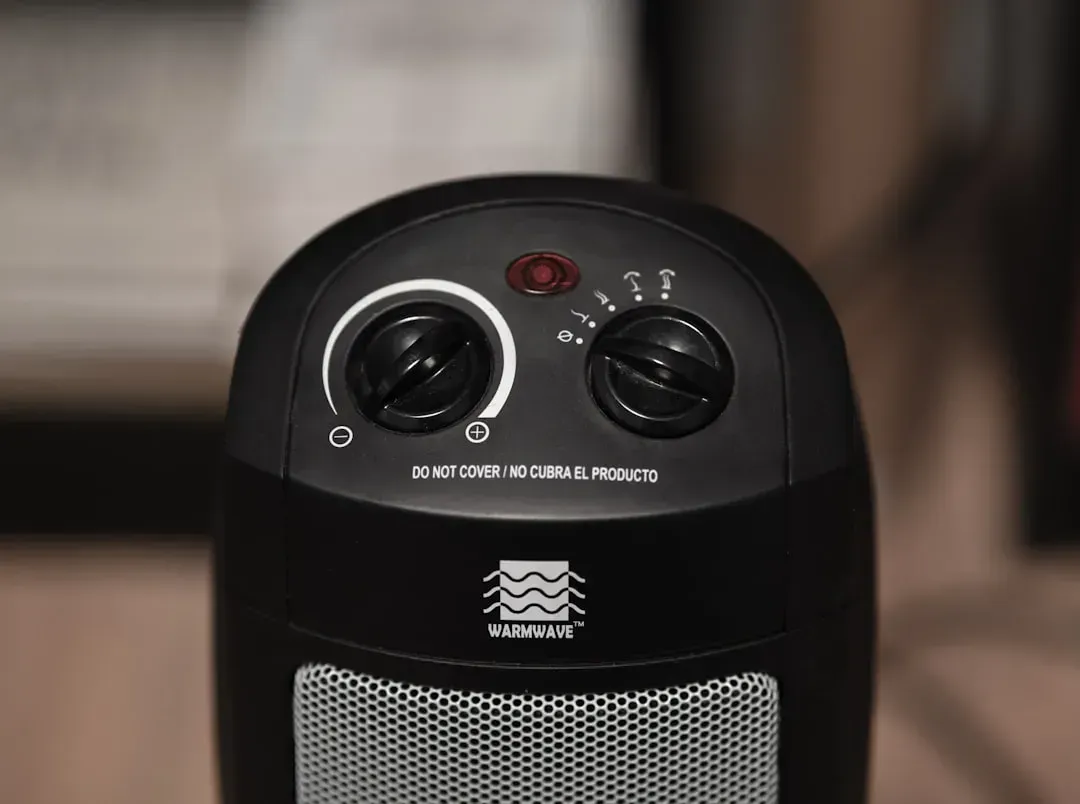
2. Portable Space Heaters (Image Credits: Unsplash)
According to experts with the Harvard University Environmental Health and Safety group, portable space heaters are responsible for around 25,000 house fires a year, as well as 6,000 injuries, of which an estimated 300 are fatal. Several popular kitchen and household appliances were recalled in 2024 due to fire risks, with faulty wiring in products like air fryers and space heaters leading to overheating and, in some cases, house fires. The pattern repeats year after year, making space heaters one of the most litigated product categories in personal injury law.
The problem that seems to unite recalled heater models is one of temperature control. The units allegedly overheat, which in turn can cause the housing of the unit itself to melt and combust. The CPSC specifically warns consumers to always plug electric space heaters directly into a wall outlet and never into an extension cord or power strip, to prevent overloading and causing a fire. When a manufacturer’s defective thermostat or safety shutoff causes that fire, regardless of user precautions, product liability law places responsibility squarely on the maker.
3. Pressure Cookers and Multi-Cookers
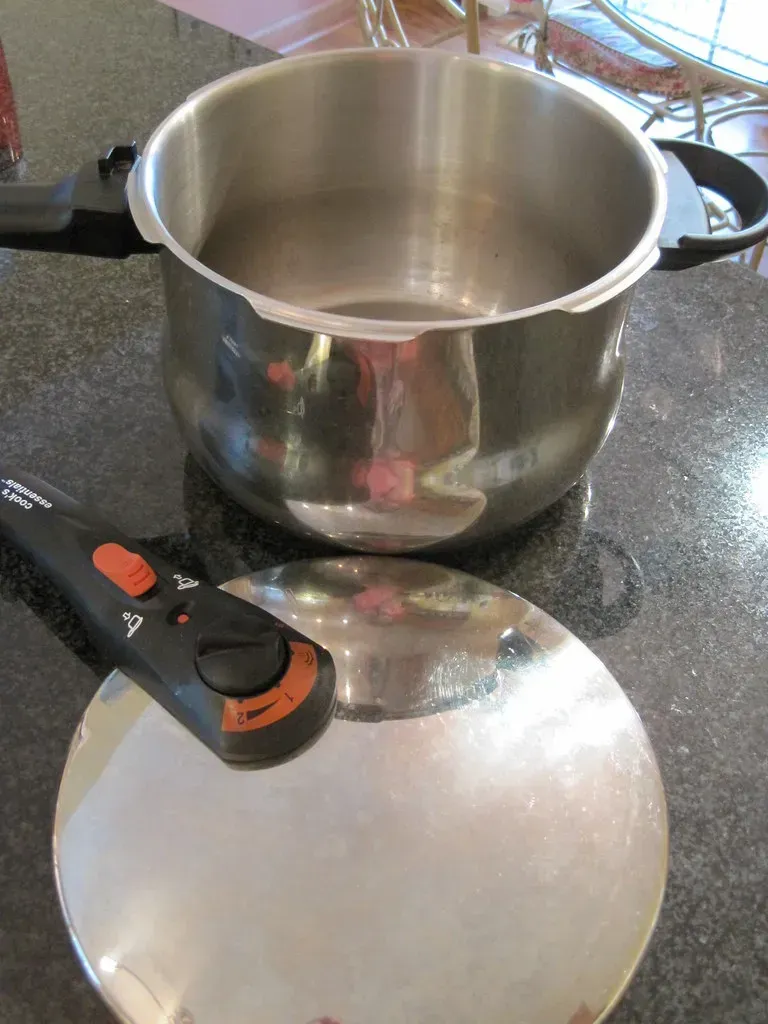
3. Pressure Cookers and Multi-Cookers (aMichiganMom, Flickr, <a href="https://creativecommons.org/licenses/by/2.0/" target="_blank" rel="noopener">CC BY 2.0</a>)
Nearly 2 million SharkNinja Foodi pressure cookers were recalled after more than 100 reported burn injuries. These appliances combine pressure cooking and air-frying functions, and defects in safety mechanisms led to the unexpected release of hot contents. Pressure cooker burns can be severe, requiring extensive medical care. SharkNinja recalled nearly 1.85 million Foodi pressure cookers when lids opened during use, releasing hot food and liquid.
Among consumer products, thermal hazards including fires, burns, and heat-related explosions remain the most common causes of recalls in the U.S. Fire hazards are cited in over a fifth of all recalls, followed by burns and heat-related explosions. These risks are especially prevalent in kitchen appliances like stoves, air fryers, and pressure cookers. For injured consumers, recalls do not compensate injured consumers for medical care, lost wages, or other losses, and injuries caused by product defects may give rise to product liability claims where consumers seek financial recovery from manufacturers, distributors, or retailers.
4. Unstable Dressers and Tall Furniture

4. Unstable Dressers and Tall Furniture (Image Credits: Unsplash)
Recalled dressers are unstable if they are not anchored to the wall, posing tip-over and entrapment hazards that can result in serious injuries or death to children. The dressers violate the mandatory standard as required by the STURDY Act. The STURDY Act, legislation long championed by Consumer Reports to prevent deaths and injuries caused by furniture tip-overs, is now law. Yet despite that mandate, multiple dresser models have continued reaching consumers without meeting the standard.
Across 2025 and 2026, the CPSC issued a wave of recalls targeting multi-drawer dressers sold through major online platforms, citing violations of mandatory clothing storage unit standards. The recalled dressers are unstable if not anchored to the wall, posing serious tip-over and entrapment hazards that can result in injuries or death to children, and they violate the mandatory standard as required by the STURDY Act. For families who purchase furniture online without ever seeing it assembled in a showroom, the risk can be invisible until something goes wrong.
5. Adult Portable Bed Rails
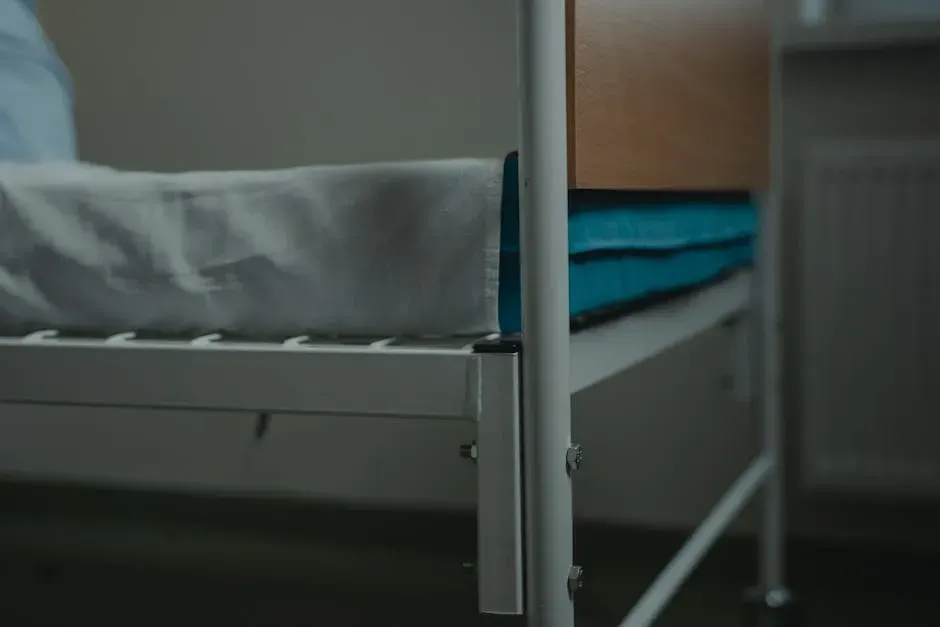
5. Adult Portable Bed Rails (Image Credits: Pexels)
Adult portable bed rails were the subject of multiple recalls, including products sold under the MPINOI and Vive Health brands. The MPINOI adult portable bed rails were recalled because consumers can become trapped within the bed rail or between the bed rail and the mattress, which poses a serious risk of entrapment or death by asphyxiation. The Vive Health bed rails have been recalled for the same issue, and the CPSC has reported that two deaths have been associated with the product.
When the recalled bed rails are attached to a bed, users can become entrapped within the bed rail or between the bed rail and the side of the mattress, posing a serious entrapment hazard and risk of death by asphyxiation. These products are frequently purchased for elderly users or people with limited mobility, groups who may be least able to free themselves in an entrapment situation. The gap between intended safety benefit and actual physical risk has drawn serious regulatory attention throughout 2025 and into 2026.
6. Power Strips and Overloaded Electrical Accessories
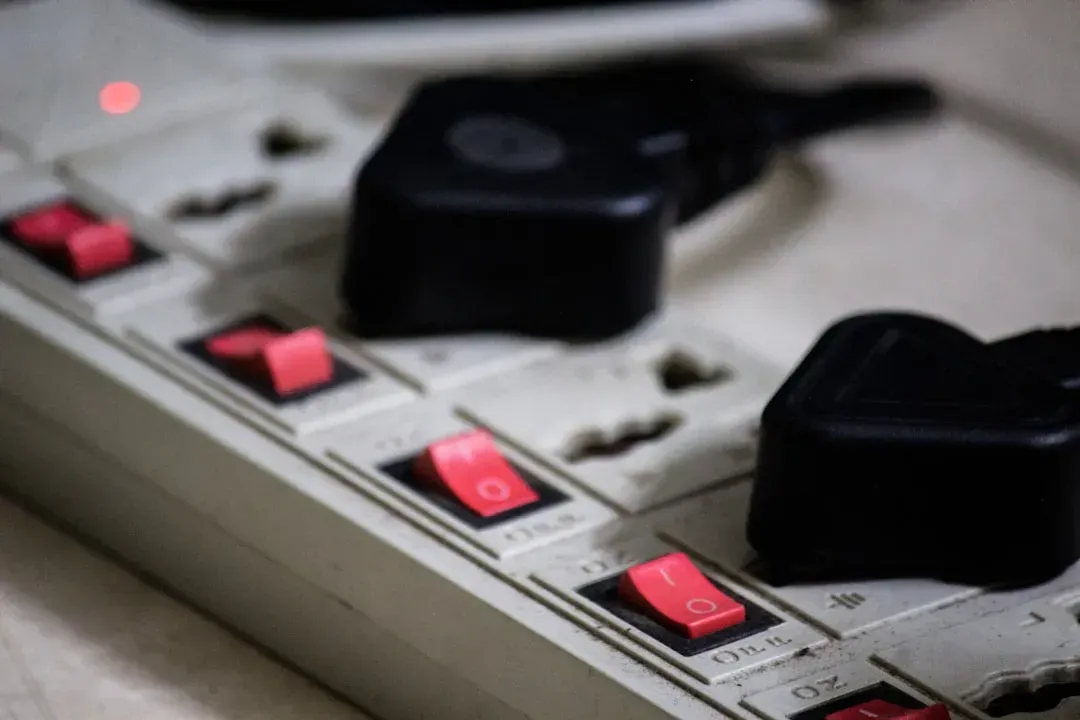
6. Power Strips and Overloaded Electrical Accessories (Image Credits: Unsplash)
A recall targets CCCEI-brand power strips sold by Middle Way Electronics. According to the CPSC, the power strips can overheat and spark if overloaded. The defect creates a risk of fire, smoke inhalation, and burns. About 5,543 units were sold on Amazon from April 2024 through January 2026, typically priced between $23 and $30, and the company received two reports of the power strips sparking and melting.
Power strips occupy a particularly tricky legal space. Users are often blamed for overloading them, but when a manufacturing defect causes sparking or melting during ordinary use, the legal calculus shifts. Under strict liability, consumers only need to prove that a product was defective and directly caused harm. The CPSC issued 63 product warnings in 2024, up from 38 in 2023, and the total for 2024 was more than the previous nine years combined. Electrical accessories have been a recurring subject of those warnings.
7. Stainless Steel Insulated Water Bottles

7. Stainless Steel Insulated Water Bottles (Image Credits: Pexels)
About 850,000 water bottles were recalled after reports that the lid could violently eject, striking users in the face and in some cases causing permanent vision loss. The CPSC said the lid on Ozark Trail 64-ounce stainless steel insulated water bottles can suddenly force open, posing serious impact and laceration hazards. This recall involved bottles sold exclusively at Walmart, meaning millions of households potentially had one sitting on a countertop or in a car cup holder.
The legal exposure for injuries like permanent eye damage is significant, and cases involving permanent disability tend to result in the highest damages awarded under product liability law. Products spanning everyday items like water bottles and coolers to more complex electronics and home appliances were removed from the market following reports of injuries, defects, and safety risks that violated federal safety standards, and for individuals and families affected, the emotional, physical, and financial consequences can be long-lasting. A water bottle is one of the last objects most consumers would associate with a serious injury lawsuit.
8. BowFlex and Home Exercise Equipment
8. BowFlex and Home Exercise Equipment (Image Credits: Pexels)
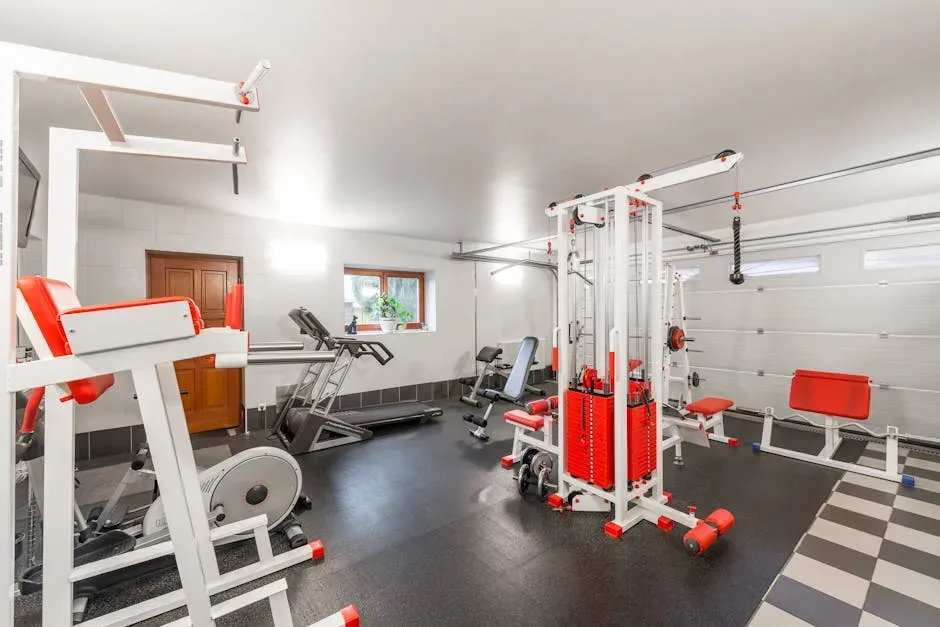
The year’s largest recall involved 3.8 million BowFlex adjustable dumbbells that broke apart during use. Weight plates detached from handles in 337 reported incidents, causing 111 injuries including concussions, abrasions, broken toes, and contusions. Sold through major retailers like Best Buy, Amazon, and Dick’s Sporting Goods, these products turned home workouts into trips to the ER.
Resistance bands that snap under normal use, weight benches that collapse, and exercise bikes with pedals that break off mid-workout represent serious hazards, and many victims consult product liability attorneys after these incidents. Home fitness equipment sits in a category where consumers assume some personal risk, but that assumption doesn’t cover manufacturing defects. The surge in recalls reflects a growing concern about design flaws, manufacturing defects, and safety oversights that left consumers exposed to significant harm.
9. Coin and Button Battery Products
9. Coin and Button Battery Products (Image Credits: Unsplash)
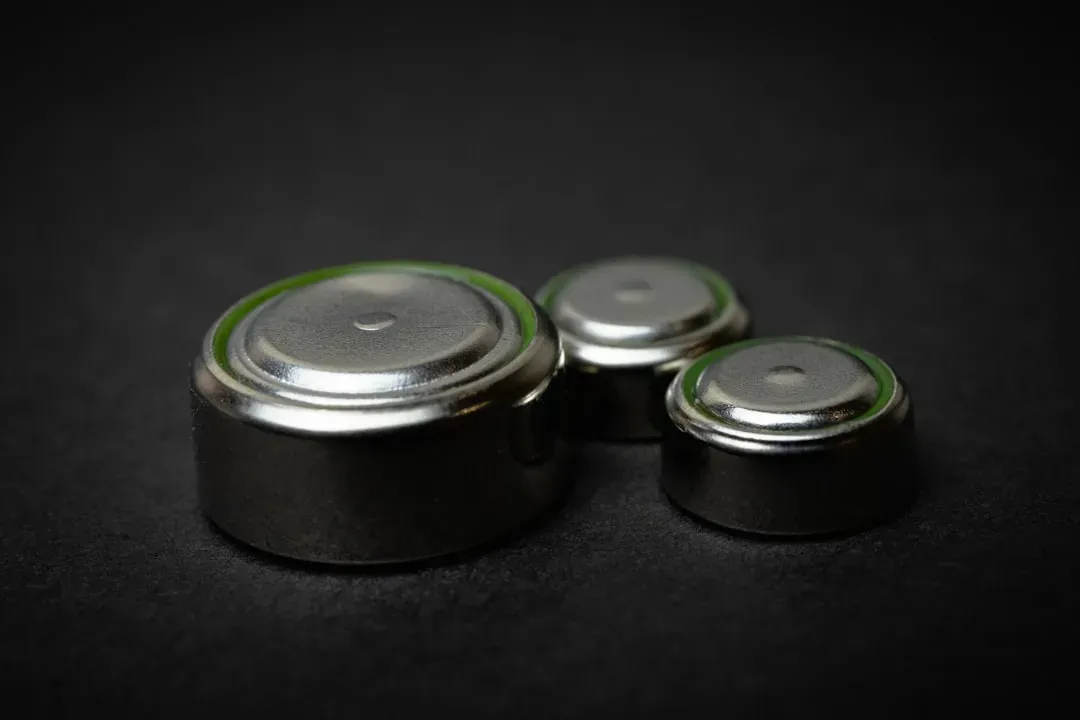
The CPSC has warned that button cell and coin batteries can be accessed easily by children and that products lacking required warnings under Reese’s Law pose a serious hazard. Button cell and coin batteries can cause catastrophic internal injuries if swallowed, including chemical burns and death. A recall targeted Sunnyyes LED mini lights, which were sold on Amazon between March 2024 and March 2026, and contain coin batteries that can be easily accessed and potentially swallowed. Ingested coin batteries can cause serious internal burns in a matter of hours, making them a long-standing focus of CPSC safety enforcement.
Some recalled products violate mandatory standards for consumer products containing button cell or coin batteries because the batteries can be easily accessed by children, are not in child-resistant packaging, and the packaging lacks the warnings required by Reese’s Law. When button cell or coin batteries are swallowed, the ingested batteries can cause serious injuries, internal chemical burns, and death. These tiny batteries appear in decorative lights, remote controls, small toys, and novelty items. Their size makes them especially easy for young children to access, and the injuries they cause can escalate within hours, creating a legal and medical emergency that many parents never anticipated from something so small.
The broader picture emerging from safety data in 2025 and 2026 is not one of rare, unpredictable accidents. It’s a pattern of known design flaws, delayed recalls, and ordinary products failing during ordinary use. Defective products cause over 12 million emergency room visits annually in the United States, with thousands of these incidents proving fatal. Consumers who experience injuries from the items above may have legal recourse they don’t know about, and checking the CPSC recall database at cpsc.gov costs nothing. Knowing what’s sitting in your home is a reasonable place to start.