
For years, the story in most of the country's hottest housing markets was the same: prices climb, buyers scramble, and sellers barely have to lift a finger to get top dollar. That script has flipped in a handful of metros scattered across Florida, Texas, the Mountain West, and parts of the South, where median prices are now sliding instead of soaring.
The shift isn't dramatic or headline grabbing in most places. It's a slow, steady drift downward driven by too much new construction, rising insurance costs, and buyers who simply can't stretch their budgets any further. Here are nine markets where that quiet correction is playing out right now, and what it actually means if you're shopping for a home this year.
1. Cape Coral-Fort Myers, Florida
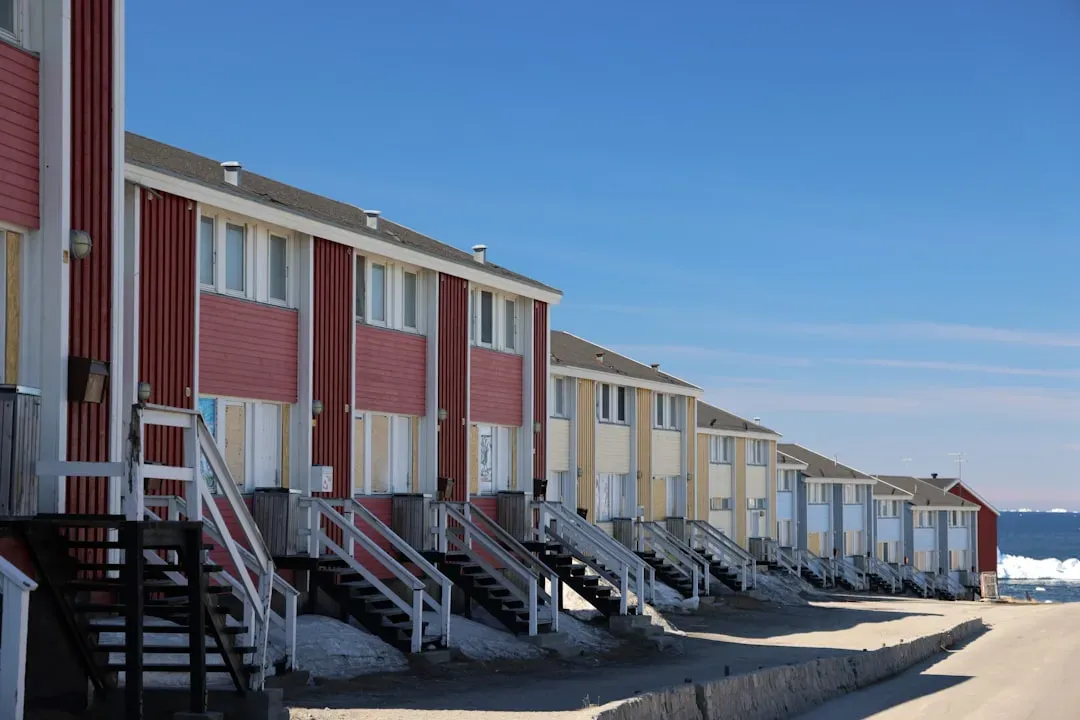
1. Cape Coral-Fort Myers, Florida (Image Credits: Unsplash)
No metro in the country has cooled faster than Cape Coral. The median home sale price in the region declined 9% to $341,250 in the first quarter of 2026 compared with the year-ago period. That builds on an already rough stretch, since home prices in the Cape Coral-Ft. Myers metropolitan region peaked in early 2023, according to a house price index published by the Federal Reserve Bank of St. Louis.
The reasons are pretty specific to this corner of Florida. Rising insurance premiums, hurricane concerns, and a surge of available inventory have weakened demand. For buyers willing to look past the headlines, that combination of soft prices and heavy supply is opening doors that simply weren't available a few years ago.
2. North Port-Sarasota-Bradenton, Florida

2. North Port-Sarasota-Bradenton, Florida (Image Credits: Pexels)
Just up the Gulf Coast from Cape Coral, this metro is following a similar downward path. Realtor.com forecasts have flagged North Port-Sarasota-Bradenton for an estimated 8.9 percent price decline, second only to Cape Coral among major Florida markets. Real estate agent Ben Mizes has pointed out a wrinkle worth remembering here, that for many retirees, a price drop isn't a good deal, since they must consider insurance costs, property taxes and HOA reserves, flood insurance, and how long they expect to live there.
Construction has played a big part in the slowdown too. Construction has dramatically increased inventory in recent years, and demand has cooled from pandemic highs. For anyone shopping in this stretch of Florida's coast, the extra inventory alone changes the negotiating dynamic in a buyer's favor.
3. Tampa-St. Petersburg-Clearwater, Florida
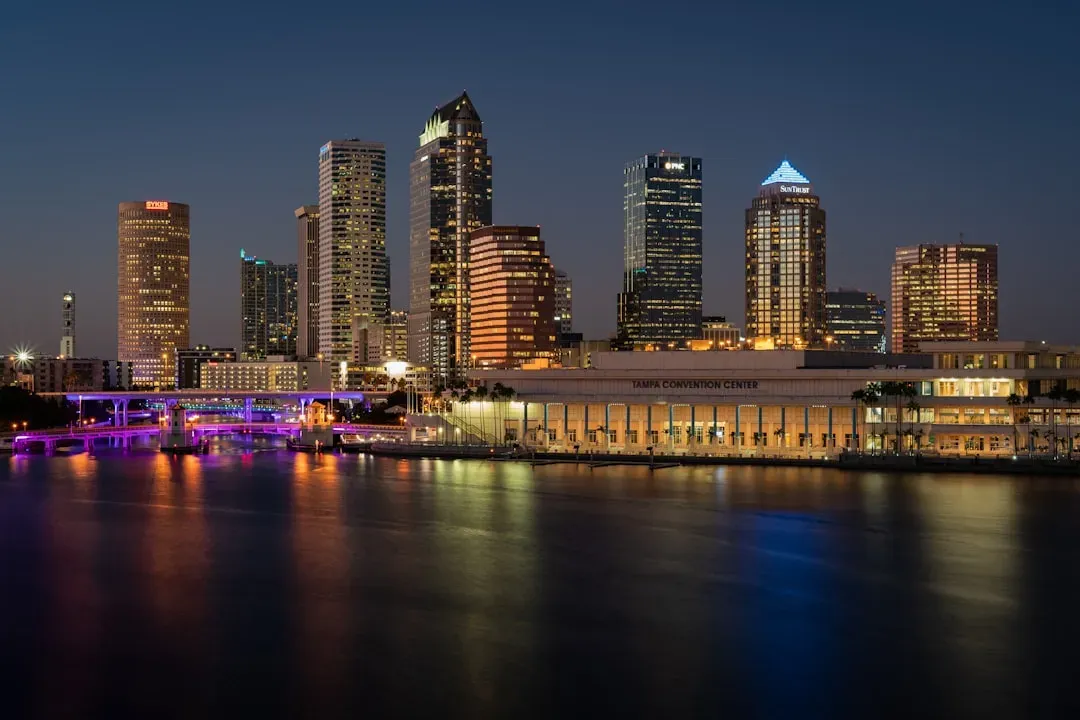
3. Tampa-St. Petersburg-Clearwater, Florida (Image Credits: Unsplash)
Tampa was one of the pandemic's biggest winners, and now it's absorbing the hangover. Redfin data shows the median home sale price in Tampa was about $443,000 over the three months ending May 2026, down 1.4% from the same period a year earlier, and homes also spent a median of 41 days on the market, up from 36 days a year earlier.
Builders have made the situation more competitive for existing homeowners. Tampa has also added significant inventory during the building boom and now offers a more balanced market. If you already own here, the takeaway isn't panic, it's just that the risk is a slower price appreciation than you may be accustomed to.
4. Austin, Texas
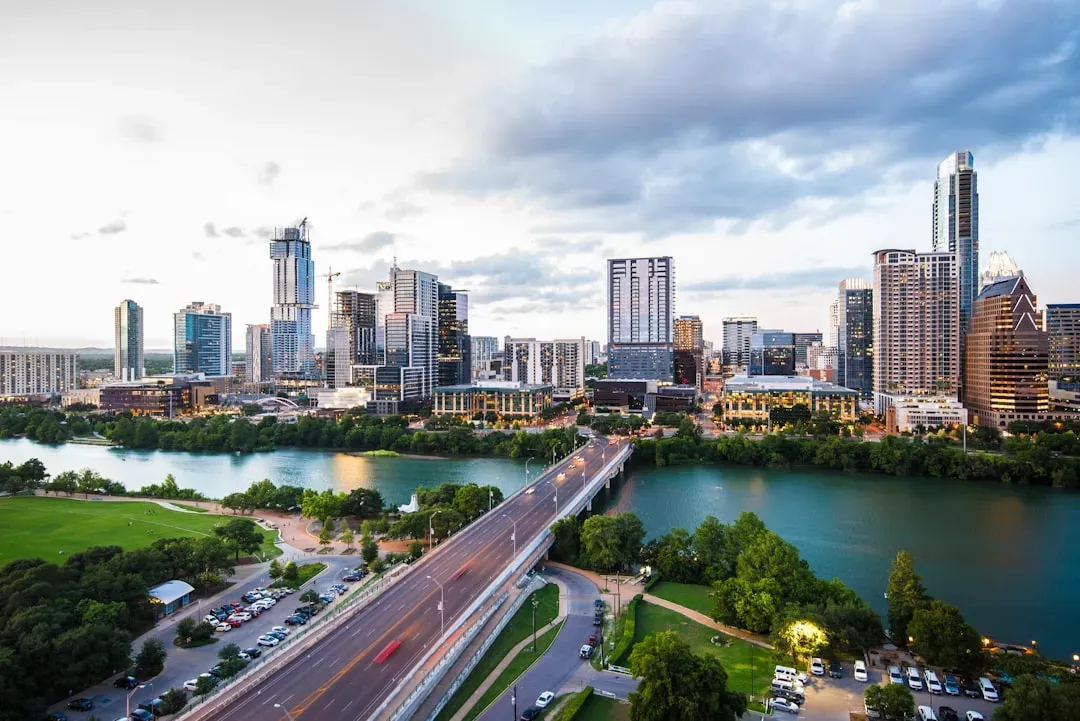
4. Austin, Texas (Image Credits: Unsplash)
Few markets embody the pandemic boom and bust cycle better than Austin. Prices there rocketed from roughly $297,000 to $593,000 between late 2019 and mid-2022, a jump of about 100 percent according to AEI Housing Center figures, and much of that run-up has since started to unwind. Redfin's three-month data through May 2026 puts Austin's median home sale price at about $542,000, down 2.3% from the same period a year earlier, and home values remain well below their 2022 peak.
Supply is a big part of the story here. Austin, along with Tampa and Houston, is approaching eight months of housing supply, a level that tips clearly into buyer's market territory. Anyone eyeing Austin should also know that many cities now experiencing price declines also saw big run-ups in home valuations during the pandemic, such as Austin, Texas.
5. San Antonio, Texas
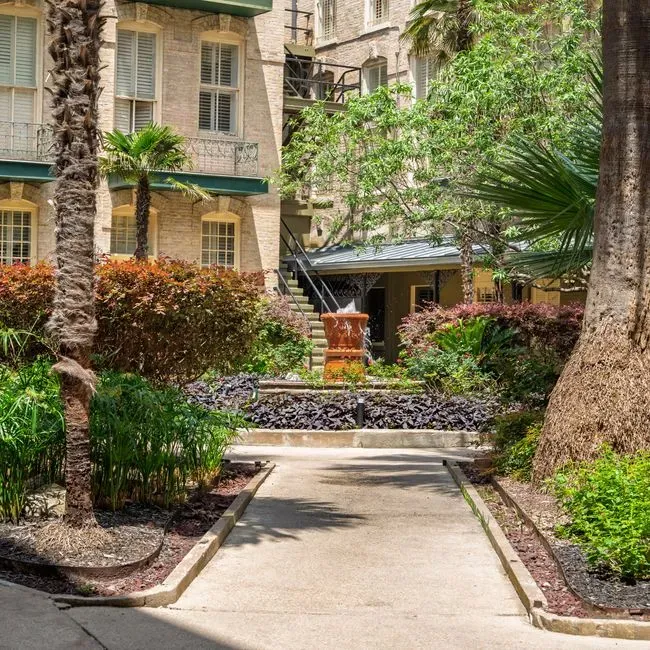
5. San Antonio, Texas (Image Credits: Pexels)
San Antonio doesn't get the same attention as Austin, but it's cooling in a similar way, just with less drama. Redfin data shows the median home sale price fell 2.6% year over year to about $260,000 over the three months ending May 2026. Homes are also sitting longer before finding a buyer, with a median of 73 days on the market, up from 58 days a year earlier, and fewer homes changed hands.
That combination of slower sales and softer prices tends to favor patient buyers over anyone racing to close a deal. San Antonio's relative affordability compared to Austin already made it appealing, and the added price flexibility only sweetens the deal for house hunters who can wait out a slower market.
6. Denver, Colorado
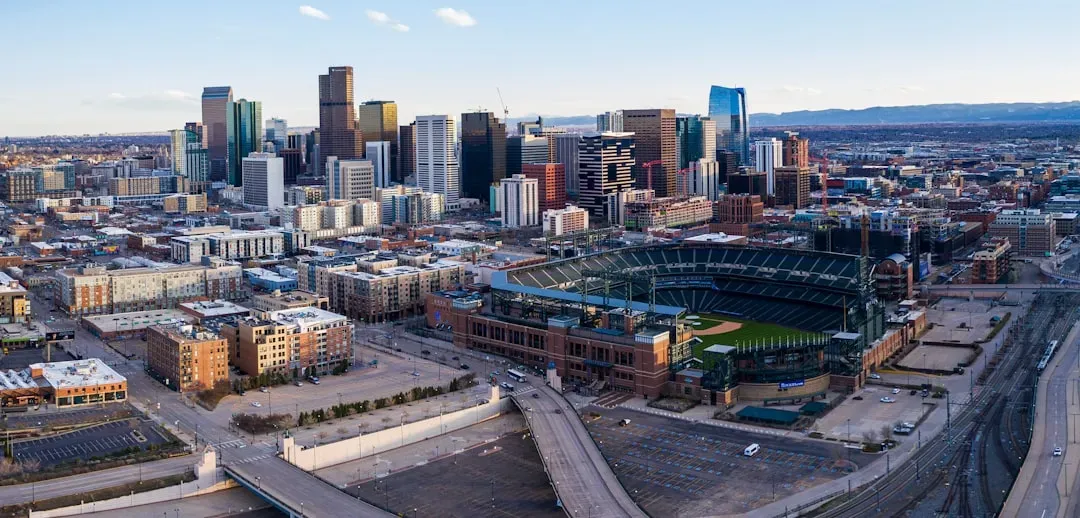
6. Denver, Colorado (Image Credits: Unsplash)
Denver's price softness has a different root cause than most Sun Belt markets. According to Realtor.com's Hannah Jones, high prices and the drag of high mortgage rates continue to eat into demand, which could cause home prices to soften. Colorado overall has posted an average price decline of roughly 2.4 percent year over year, with steeper drops of around 4.3 percent showing up specifically in metro Denver.
There's also a supply-mix twist unique to this market. Real estate agent Heather O'Leary explains that since multifamily properties typically carry lower price points, they pull the median price downward even when overall values remain stable. On top of that, renting remains more affordable than buying an entry-level home in the city, contributing to dwindling demand and declining home prices.
7. Sacramento, California
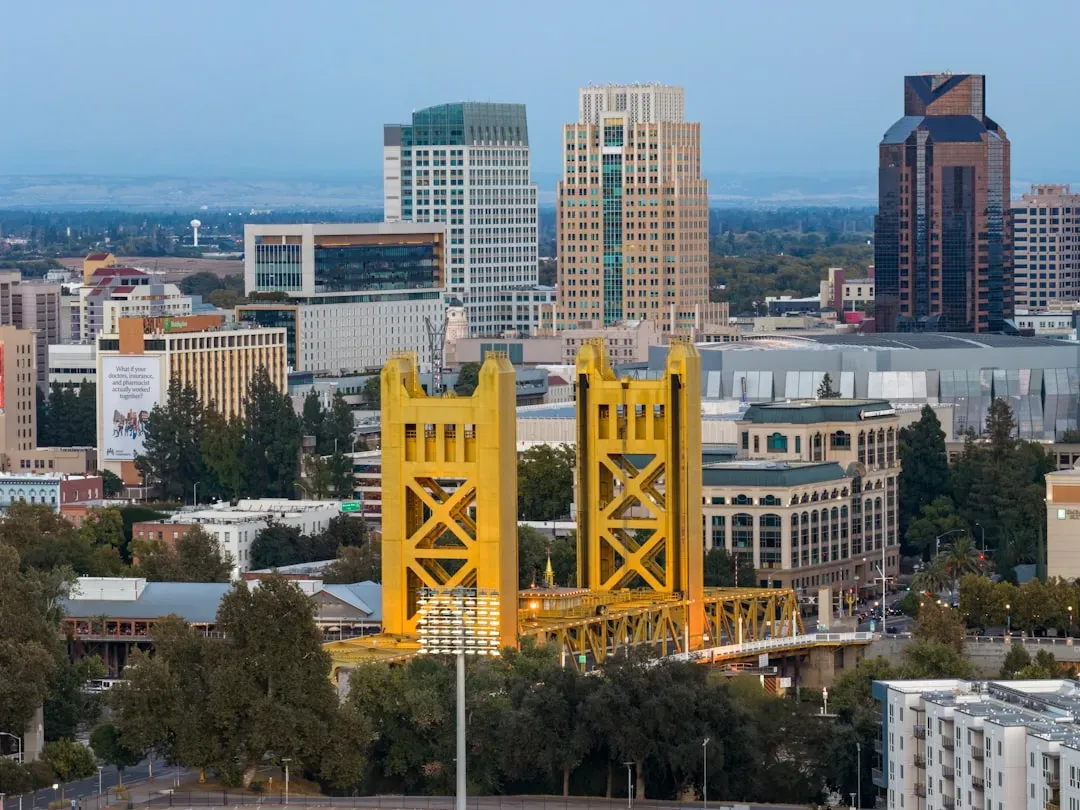
7. Sacramento, California (Image Credits: Unsplash)
Sacramento is one of three California metros flagged for a steep correction after years of runaway appreciation. Sacramento, along with Stockton and San Francisco, is facing a stark correction after years of rapid price appreciation, according to Realtor.com senior economic research analyst Hannah Jones. The city benefited enormously from Bay Area buyers seeking cheaper alternatives during the pandemic, and that migration wave has since slowed to a trickle.
Elevated borrowing costs are compounding the problem. Jones noted that high prices and the drag of high mortgage rates continue to eat into demand, which could cause home prices to soften. For California buyers priced out of the coast, Sacramento's price correction is making the inland move a little easier on the wallet than it's been in years.
8. Phoenix, Arizona

8. Phoenix, Arizona (Image Credits: Unsplash)
Phoenix rode the pandemic boom about as hard as any market in the country, with prices climbing an estimated 60 percent between late 2019 and mid-2022. That trajectory has now clearly reversed. Phoenix became one of the fastest-appreciating markets in the country during the pandemic, but in 2026 that trajectory has reversed, as new construction added a significant boost to supply just as buyer demand slowed and investor activity cooled compared to peak years, prompting sellers in some areas to adjust prices downward to meet more cautious buyers.
The AEI Housing Center's regional data backs this up, noting that Cape Coral and Phoenix both saw prices climb so high during the boom that they became unaffordable for a broad swath of buyers, especially first-timers. That affordability ceiling is exactly what's now forcing sellers to get realistic on price if they want to close a deal in a reasonable time frame.
9. Memphis, Tennessee
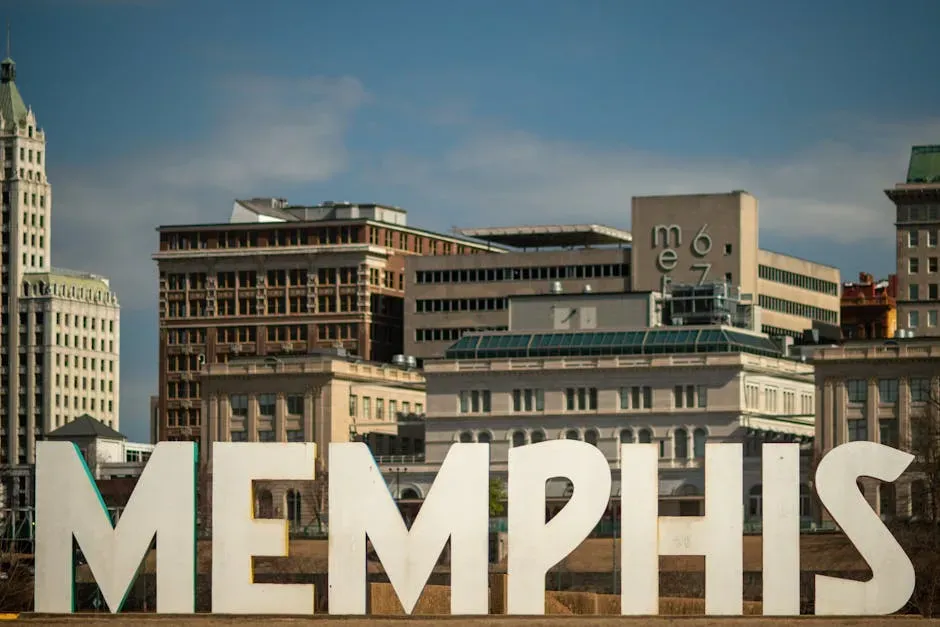
9. Memphis, Tennessee (Image Credits: Pexels)
Memphis stands out on this list because it didn't experience the same explosive pandemic run-up as Florida or Texas, yet it's still seeing prices slip. Memphis posted a year-over-year price drop between roughly 3.8% and 6.1% through February 2026, placing it among the metros that fared worst nationally, according to AEI Housing Center data. That puts it in the same company as several Florida cities that saw far steeper appreciation to begin with.
The decline here seems tied more to broader supply and demand shifts than to any single local factor like hurricane risk or insurance costs. Still, for buyers in the Mid-South, a softening Memphis market means more room to negotiate than the region has offered in a long while, particularly compared to the tighter conditions still gripping many Rust Belt cities nearby.
None of these nine markets are in freefall, and none point toward the kind of crash that swept through housing after 2008. What's happening instead is a rebalancing after years of price growth that outran what local incomes could actually support, especially in Florida, Texas, and parts of the Mountain West and California that saw the steepest pandemic-era gains.
For buyers, that shift translates into real, practical advantages. There's more inventory to choose from, sellers are more willing to negotiate on price or offer concessions, and the frantic bidding wars that defined 2021 and 2022 have largely faded in these particular metros.
That said, a lower price tag doesn't automatically mean a lower cost of ownership, especially in Florida, where insurance premiums and HOA fees have climbed sharply enough to offset some of the savings on the purchase price itself. Anyone shopping in these markets should weigh the full monthly cost of owning a home, not just the number on the listing, before deciding whether now is the right moment to buy.