
There's a particular kind of dread that sets in the night before hosting people for dinner. You lie there running through timelines, wondering if the sauce will break, if the oven can actually hold two dishes at once, if anyone remembers you're supposed to be allergic to shellfish yourself. The good news is that most dinner party stress isn't about cooking skill at all. It's about menu design, and once you fix that part, the rest tends to fall into place on its own.
What follows isn't a single recipe but a way of thinking about the whole evening, built around dishes that forgive mistakes, hold their temperature, and don't need you standing over a pan while your guests wait awkwardly in the living room.
Start With a Menu You've Already Cooked Before
Start With a Menu You've Already Cooked Before (Image Credits: Pexels)
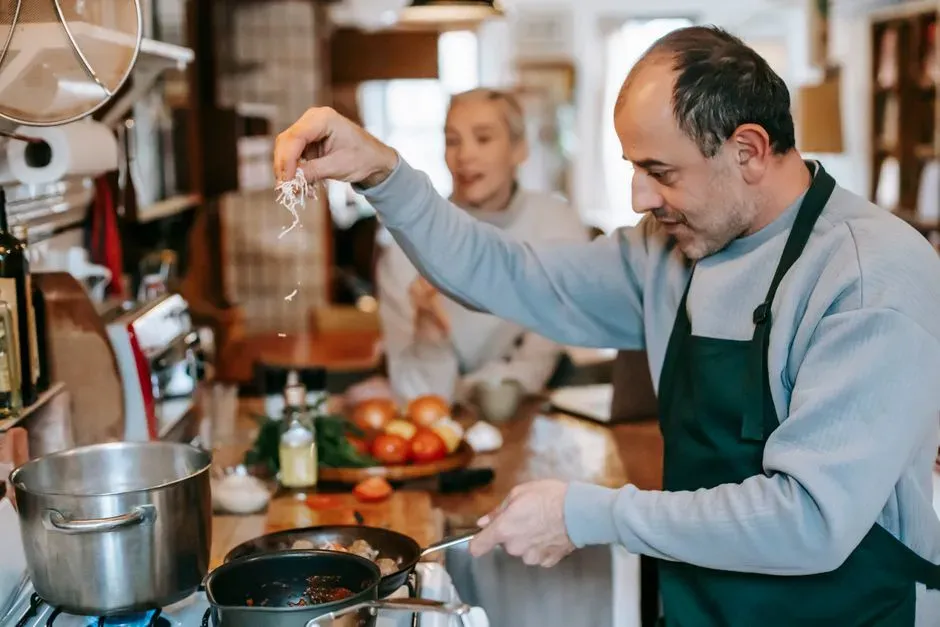
The single biggest mistake people make when planning a dinner party is treating it as an opportunity to try something new. A dinner party is not a cooking class, and your guests didn't come to watch you problem solve a recipe you found an hour before they arrived. Stick to something you've made at least twice already, ideally something you could make with your eyes half closed.
Familiarity buys you something valuable, which is bandwidth. When you already know how long the chicken takes and what it should smell like when it's close to done, your brain is free to actually talk to the people in your kitchen. That's the whole point of the evening, after all, not the food itself.
Build the Meal Around One Star Dish, Not Five
Build the Meal Around One Star Dish, Not Five (Image Credits: Pexels)
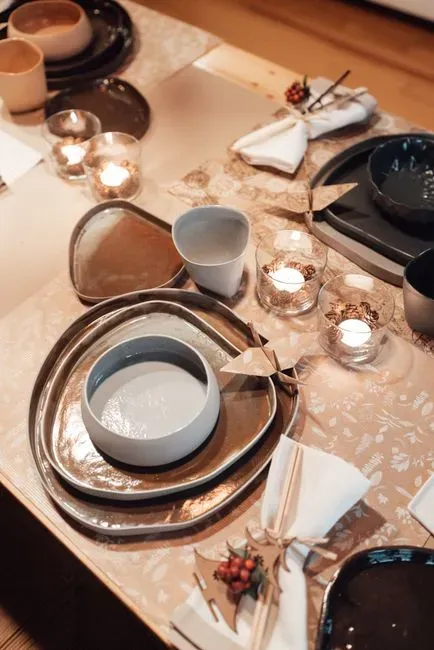
A lot of hosts try to impress with variety, three appetizers, two mains, a full dessert spread, as if the number of dishes on the table correlates with how much they care. It doesn't. What guests actually remember is one thing done really well, surrounded by simple supporting dishes that don't compete for attention.
Pick a single centerpiece, something like a braised short rib, a whole roasted fish, or a big pot of something slow cooked, and let everything else be quiet by comparison. A good rule of thumb is that if a dish takes more than one pan or more than fifteen minutes of active attention, it earns the right to be the only complicated thing on the menu that night.
Pick Recipes That Finish in the Oven, Not on the Stove
Pick Recipes That Finish in the Oven, Not on the Stove (Image Credits: Unsplash)
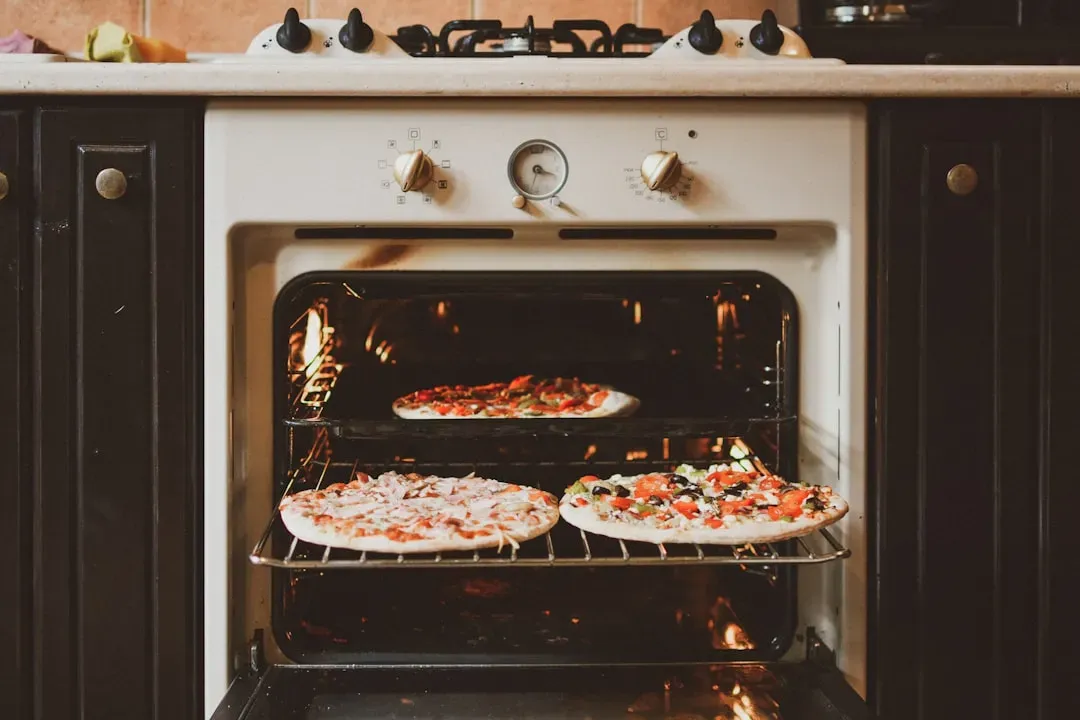
Stovetop cooking demands your physical presence. You have to stir, flip, adjust heat, taste constantly. Oven cooking, by contrast, mostly demands patience and a timer. Dishes like sheet pan chicken thighs, a baked pasta, or a low and slow pot roast let you set things and walk away, which is exactly the kind of hands off cooking a dinner party needs.
This isn't about laziness so much as logic. If your guests arrive at seven and dinner is meant to hit the table around eight, you want at least forty five minutes where your only job is refilling wine glasses and asking people about their week, not hovering over a skillet worried about scorching garlic.
Make the Appetizer Something You Assemble, Not Cook
Make the Appetizer Something You Assemble, Not Cook (Image Credits: Unsplash)
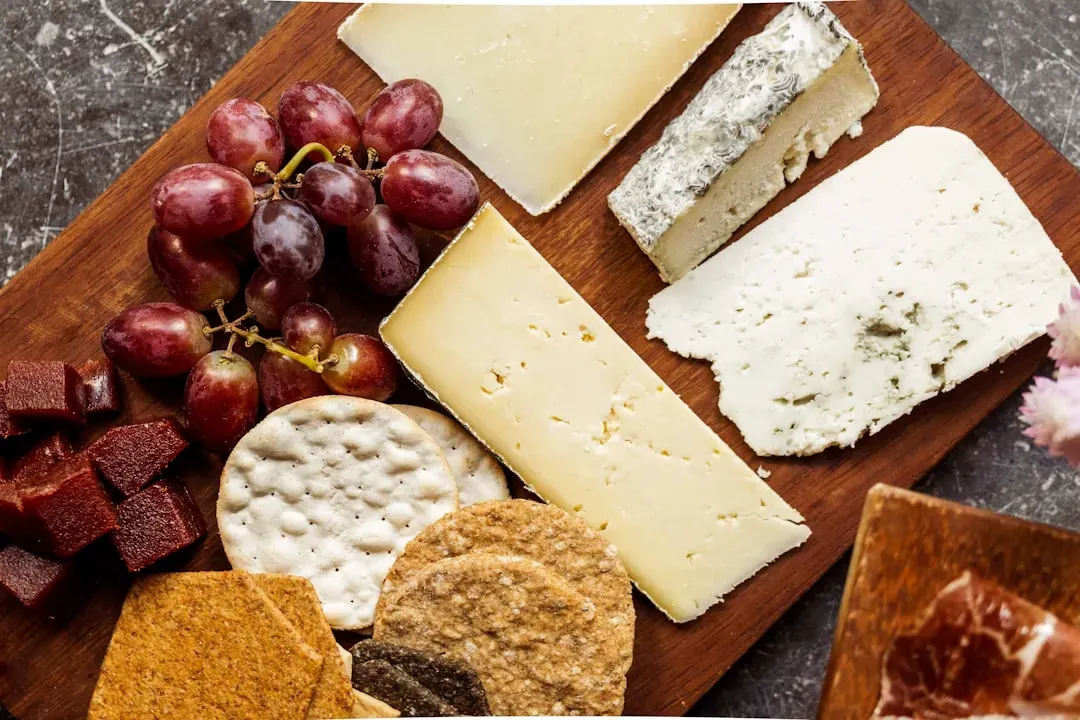
Hot appetizers are lovely in theory and chaotic in practice, especially when they need to come out of the oven at the exact moment guests walk through the door. A cheese board, a plate of marinated olives and roasted nuts, or a simple crostini with ricotta and honey solves this problem entirely, because none of it requires last minute cooking.
These kinds of starters also do double duty as conversation pieces. People naturally gather around a spread they can pick at while standing, which takes pressure off you to entertain formally right at the start, when you're still finishing up in the kitchen anyway.
Choose a Salad That Holds Up Without Wilting
Choose a Salad That Holds Up Without Wilting (Image Credits: Pexels)
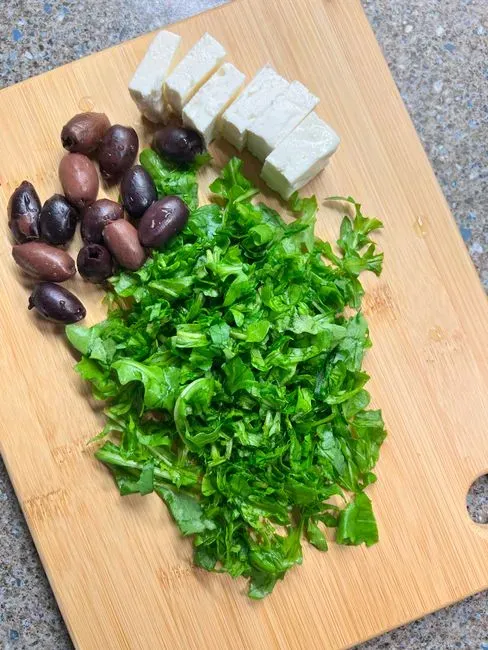
Delicate greens dressed too early turn sad and soggy fast, which means someone always ends up tossing the salad at the last possible second, usually while trying to do three other things simultaneously. Sturdier vegetables solve this. Think shaved fennel, roasted beets, kale that's been massaged ahead of time, or a grain based salad that actually improves after sitting for a bit.
These options can be fully assembled an hour or more before guests arrive and left on the counter, ready to serve without any fuss. It's a small shift, but it removes one more task from that chaotic final stretch before dinner is announced.
Let the Dessert Be Made a Day Ahead
Let the Dessert Be Made a Day Ahead (Image Credits: Unsplash)
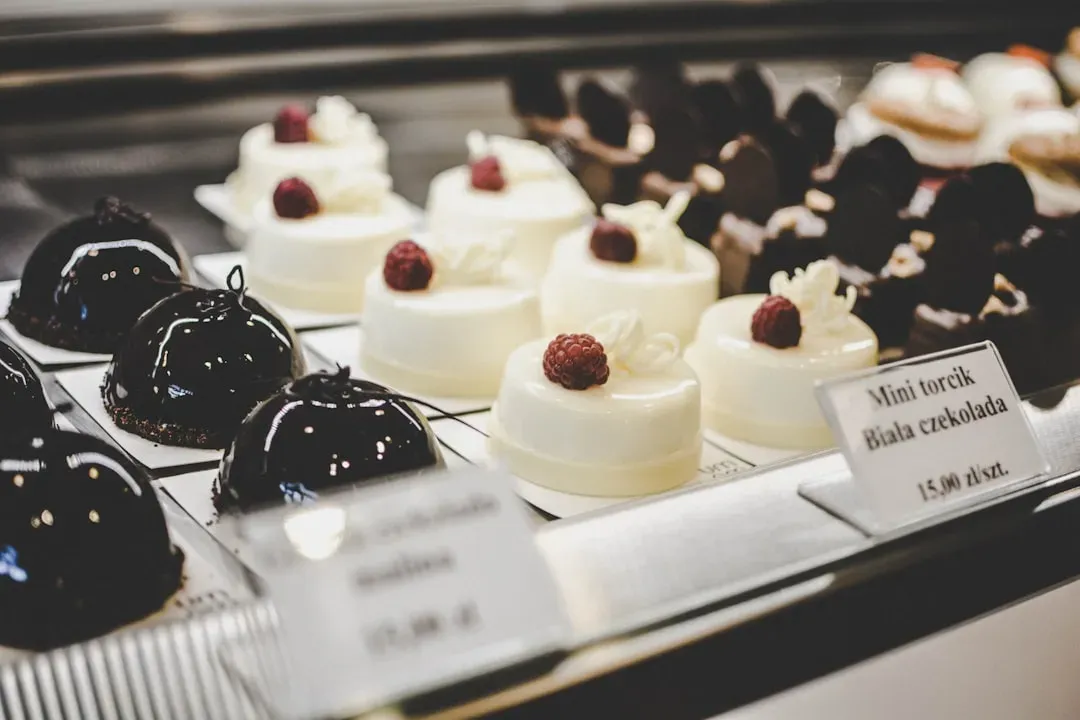
Dessert is the easiest course to get ahead on, and yet it's often the one people leave for last, which backfires when everyone is full, tired, and the host still has to whip cream or slice a cake. Things like a chocolate tart, a baked cheesecake, or a batch of cookies can be made the day before and simply pulled out when it's time.
Even something as simple as a fruit crumble can be assembled ahead and only baked while the main course is being eaten, filling the house with a smell that quietly signals the night still has one more good thing coming. Either way, dessert should never be something you're actively cooking while trying to also clear dinner plates.
Serve Family Style Instead of Plating Each Course
Serve Family Style Instead of Plating Each Course (Image Credits: Unsplash)
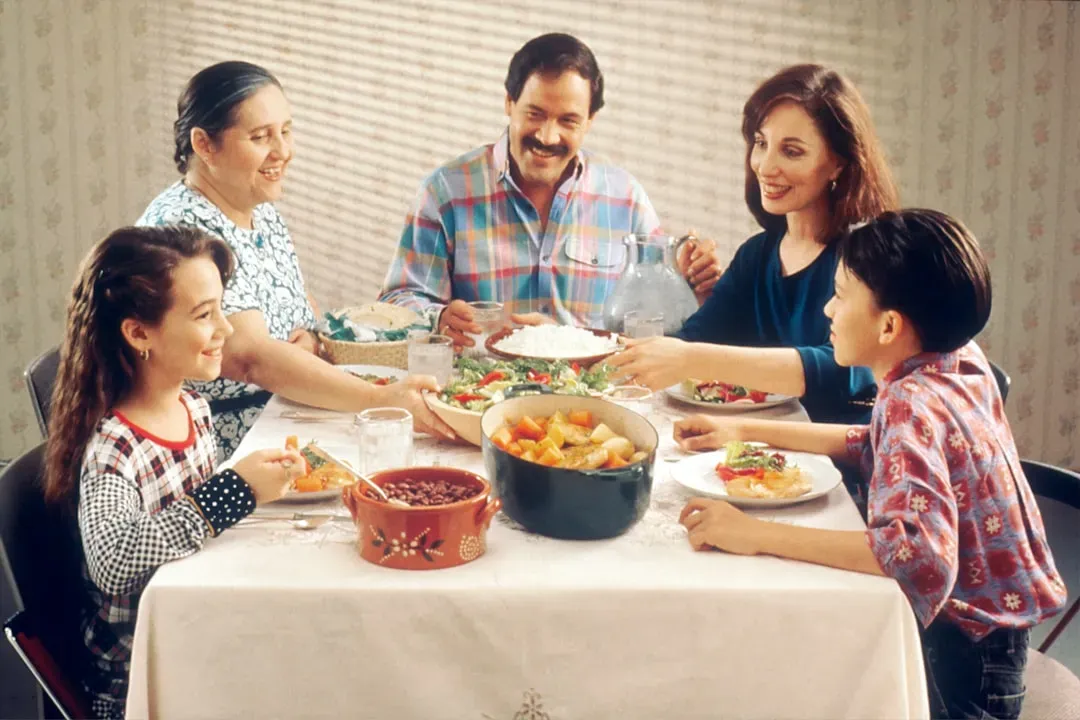
Individually plated meals look polished on cooking shows, but at home they usually mean the host is stuck in the kitchen assembling plates one by one while the food on the table slowly cools. Family style serving, where big dishes are placed in the center and everyone helps themselves, is faster, warmer, and far more forgiving of imperfect portions.
It also changes the mood of the table. Passing dishes around encourages people to talk, ask questions about what they're eating, and go back for seconds without waiting for permission. That kind of casual generosity tends to be remembered more fondly than a perfectly arranged plate anyway.
Keep the Drink Menu Simple and Self Serve
Keep the Drink Menu Simple and Self Serve (Image Credits: Unsplash)
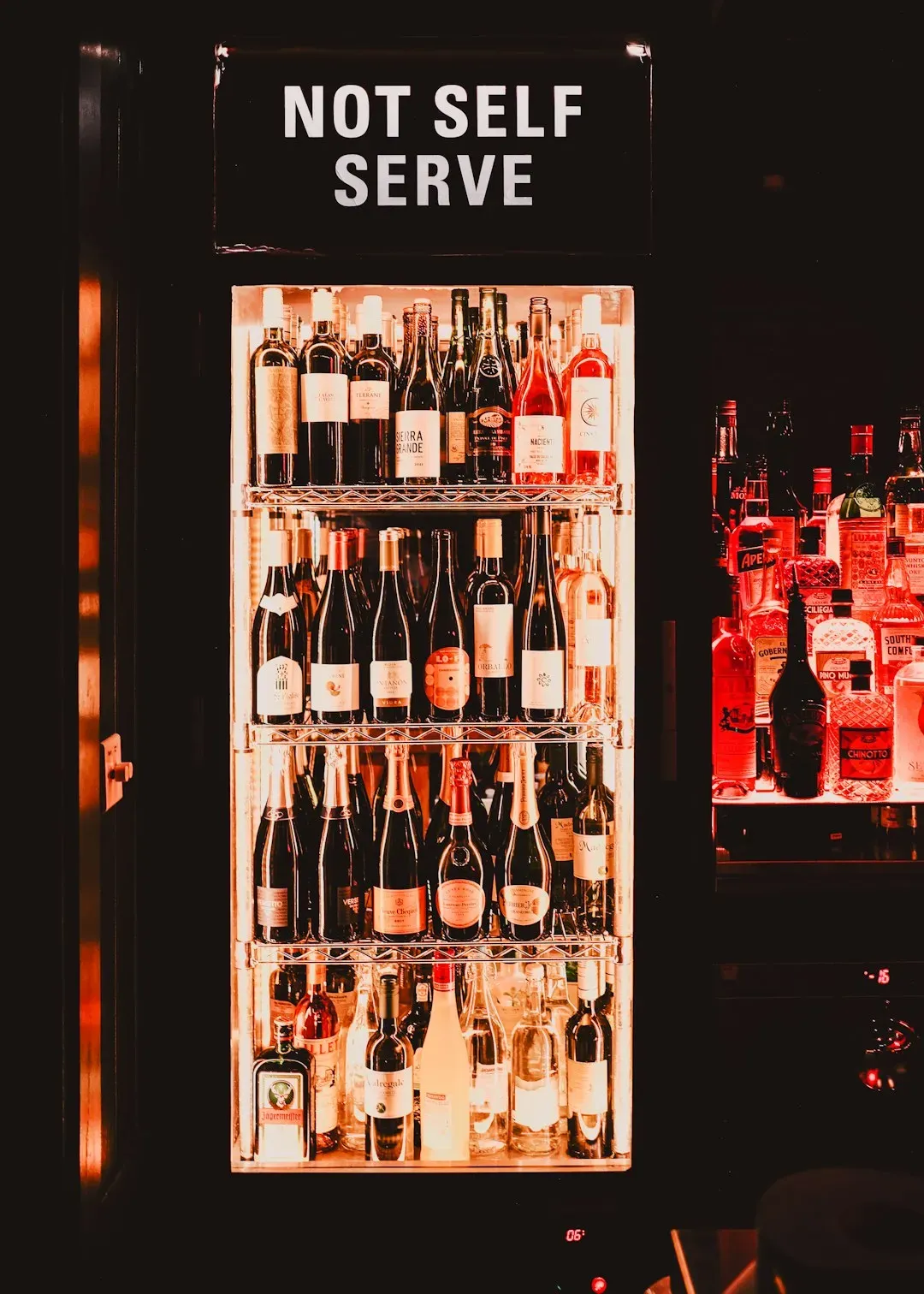
Playing bartender all night is its own kind of exhausting, especially if you're also trying to manage a stove. A simple solution is to offer one or two wines, a beer option, and maybe a single pre-batched cocktail that guests can pour themselves from a pitcher. Nonalcoholic options like sparkling water with citrus or a simple iced tea round things out without requiring extra effort.
The goal here isn't to skimp on hospitality, it's to remove yourself as the bottleneck. When drinks are set up as a self serve station near the entrance, guests feel comfortable helping themselves the moment they walk in, and you're free to focus on the food.
Time the Cooking Backward From Your Guests' Arrival
Time the Cooking Backward From Your Guests' Arrival (Image Credits: Unsplash)
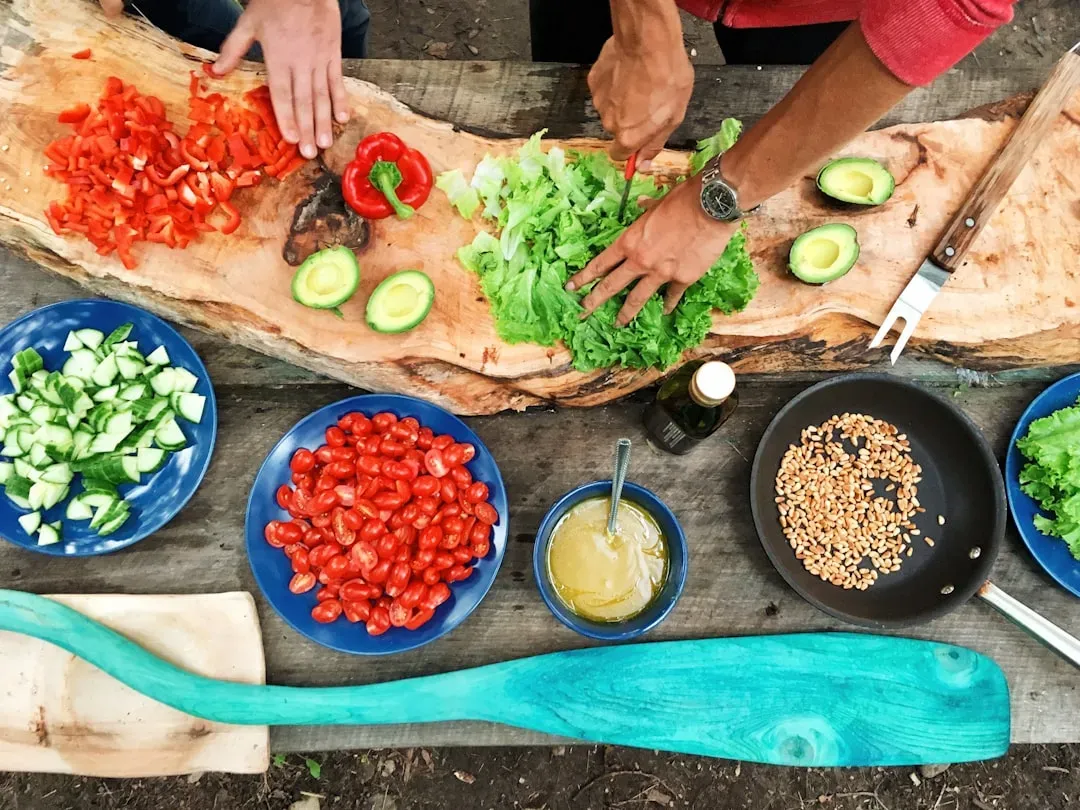
Most kitchen chaos comes from poor sequencing rather than poor cooking. The fix is simple, work backward from the moment you want food on the table and map out when each dish needs to start, rest, or reheat. If dinner is at eight, the roast that needs to rest for twenty minutes should come out of the oven no later than seven forty.
Writing this timeline down, even roughly on a sticky note stuck to the fridge, removes the need to hold it all in your head while also making small talk. It sounds almost too simple to matter, but a physical timeline is often the difference between a relaxed host and one who keeps disappearing mid conversation to check the oven.
Have a Backup Plan for the One Thing That Always Goes Wrong
Have a Backup Plan for the One Thing That Always Goes Wrong (Image Credits: Pexels)
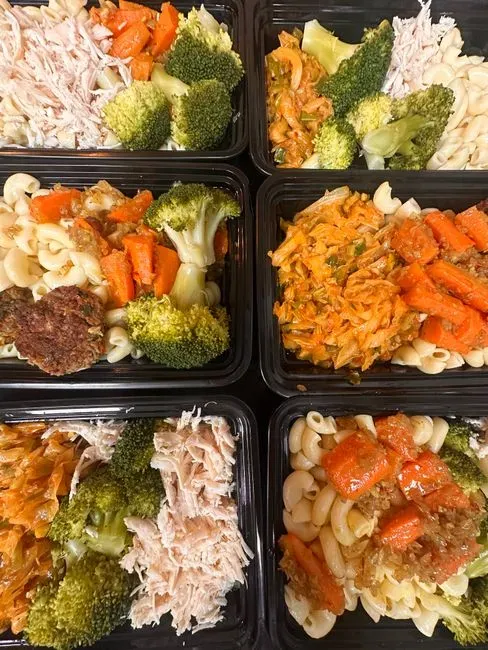
Something will go slightly sideways, that's just the nature of cooking for a group. Maybe the bread doesn't rise, maybe someone mentions a dietary restriction you weren't told about, maybe the oven runs hotter than usual. Experienced hosts build in small buffers, an extra side dish that can stretch the meal, a backup starch in the pantry, or a store bought dessert kept in reserve just in case.
None of this is about expecting failure, it's about not letting one hiccup derail the whole evening. A host who can laugh off a small mistake and adjust on the fly is far more memorable, and far more relaxing to be around, than one who's visibly rattled because the timeline slipped by ten minutes.