
Most dining mishaps end with an awkward smile and a slightly smaller tip. But servers who have spent years on the floor say a handful of customer habits go well beyond bad manners. These are the moves that can trigger police calls, health department complaints, lawsuits, or a permanent ban from a favorite spot.
What makes these mistakes different isn't rudeness. It's that they cross into legal or safety territory the average diner never considers until it's too late.
1. Walking out without paying the bill
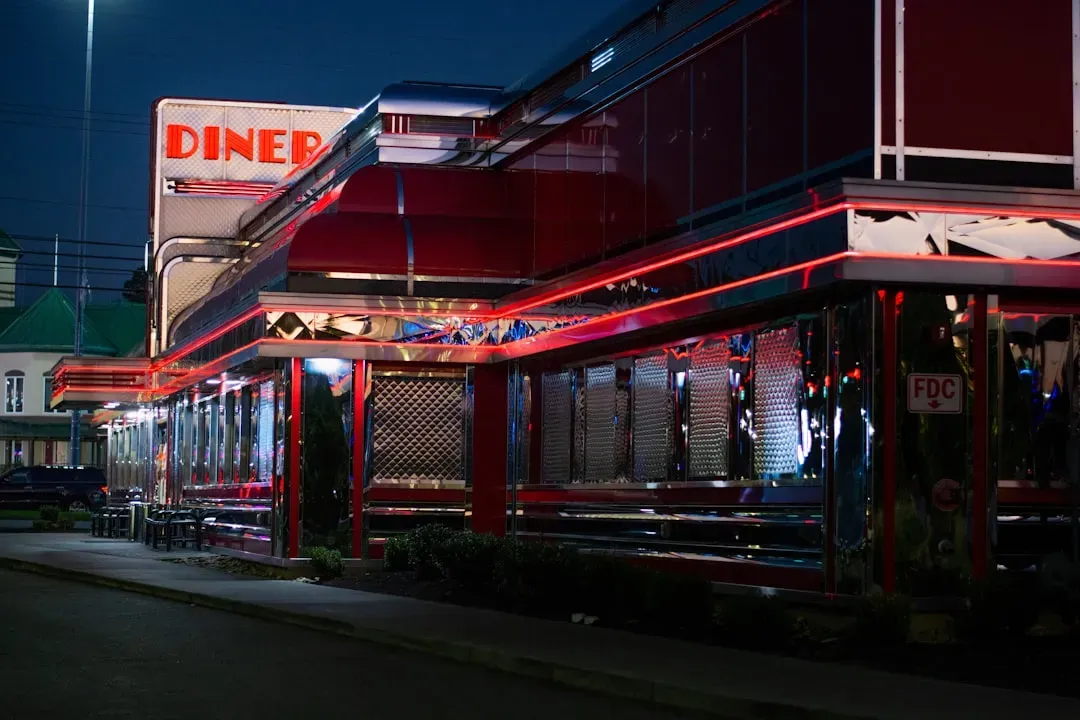
1. Walking out without paying the bill (Image Credits: Unsplash)
Dine and dash sounds like a scene from a comedy, but servers describe it as one of the fastest ways to turn a normal shift into a police report. In many states, leaving a restaurant without settling the check qualifies as theft of services, a charge that can show up on a criminal record even for a modest bill.
Restaurants often have cameras at every exit, and staff are trained to note vehicle details the moment they suspect a table is stalling. Servers say the financial hit lands on them directly too, since many establishments deduct walked tabs from a server’s tips or paycheck before management sorts out the situation.
2. Hiding or downplaying a food allergy
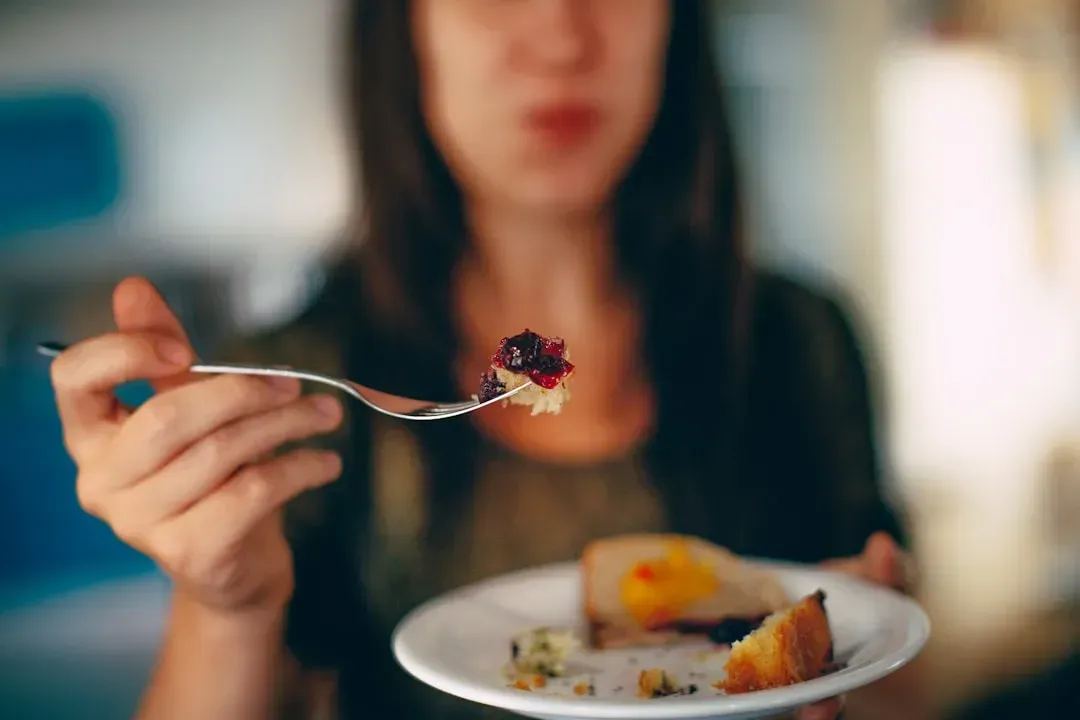
2. Hiding or downplaying a food allergy (Image Credits: Unsplash)
Servers repeatedly bring up allergy disclosure as a mistake with consequences that go far beyond an unhappy table. Neglecting to take guests’ food allergies or intolerances seriously can have serious health consequences and damage the restaurant’s reputation. The tricky part is that this cuts both ways: diners who casually mention an allergy without stressing its severity often get the same casual treatment from a rushed kitchen.
A vague comment like “I’m a little allergic to shellfish” gets treated very differently than a clear statement that a reaction could require emergency care. Servers say clarity protects everyone, because a hospital visit tied to a mishandled order can end in liability claims against the restaurant and real physical danger for the guest.
3. Bringing outside alcohol into the dining room

3. Bringing outside alcohol into the dining room (Image Credits: Pexels)
Sneaking a flask or pouring wine from a personal bottle without informing staff isn’t just a faux pas. It puts the restaurant’s liquor license at risk, since most jurisdictions hold establishments responsible for what’s consumed under their roof regardless of who brought it in.
Servers say this one rarely ends quietly. A licensing inspector or an off duty officer catching outside alcohol during a routine visit can trigger fines against the business, and staff are usually the ones who have to explain the situation to management afterward.
4. Faking a service animal to bring in a pet
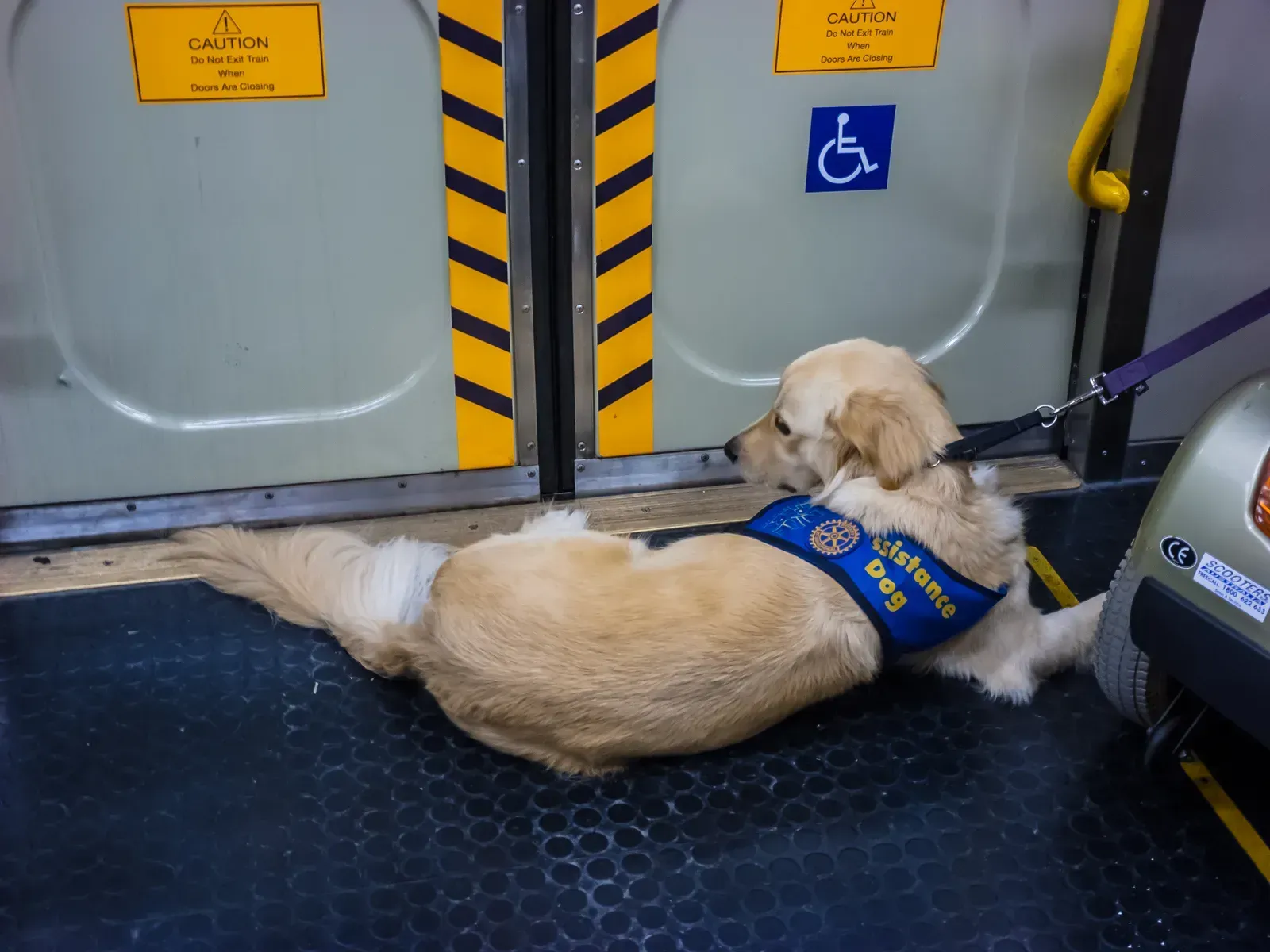
4. Faking a service animal to bring in a pet (By John Robert McPherson, <a href="https://commons.wikimedia.org/w/index.php?curid=92330420" target="_blank" rel="noopener">CC BY-SA 4.0</a>)
Bringing an untrained pet into a restaurant under the guise of a service animal has become common enough that servers say they can usually spot it within minutes. The problem escalates quickly if the animal growls at another guest, has an accident, or triggers a severe allergic reaction at a nearby table.
Because federal disability law limits what staff can ask, servers are stuck in an uncomfortable position until something goes wrong. Once it does, the restaurant can face complaints from other diners, potential liability for injuries, and in some states, citations for anyone caught misrepresenting a pet as a trained service animal.
5. Disputing a charge with the credit card company instead of the restaurant

5. Disputing a charge with the credit card company instead of the restaurant (Image Credits: Pexels)
Chargebacks filed weeks after a meal, especially over service quality rather than an actual billing error, put restaurants in a financial bind that servers say rarely gets resolved fairly. Card networks often side with the customer by default, meaning the business eats the cost of a meal that was already served and, in some cases, already tipped out to staff.
Servers point out that this hits them personally when tips get clawed back from a shift that happened weeks earlier. A quick conversation with a manager on the night of the visit almost always resolves billing confusion faster and with far less collateral damage than a formal dispute filed later.
6. Harassing or threatening staff over a mistake
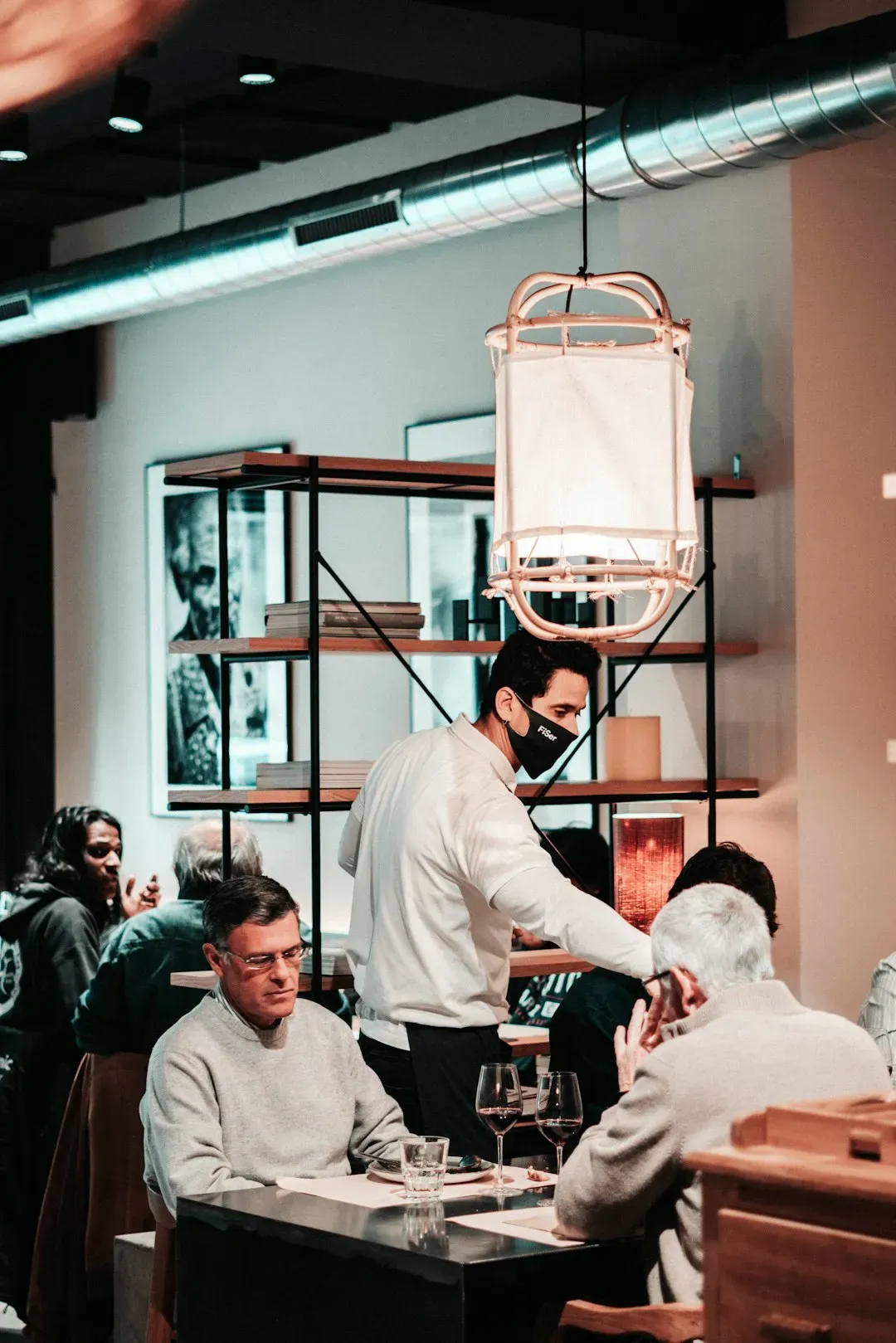
6. Harassing or threatening staff over a mistake (Image Credits: Unsplash)
Kitchen errors happen, orders get crossed, and tickets occasionally go missing during a rush. Servers say the real trouble starts when a guest escalates a simple mix-up into shouting, threats, or physical intimidation, because most restaurants now have zero tolerance policies that can result in an immediate call to police.
Several chains and independent restaurants have adopted trespass policies allowing them to ban disruptive guests permanently after a single incident. Video footage from dining room cameras has increasingly been used to support those bans, and in more serious cases, to support assault or disorderly conduct charges filed by local authorities.
7. Ignoring posted health and safety rules during illness outbreaks

7. Ignoring posted health and safety rules during illness outbreaks (Image Credits: Gallery Image)
Dining out while visibly sick remains a habit servers say they notice constantly, and it carries more weight than most guests realize. Way too many people would visit restaurants while visibly ill, sneezing, sniffling, and coughing, which increases the spread of colds and flu to service staff.
Beyond the discomfort of dining next to someone sneezing, health departments in several states have specific guidance about foodborne illness reporting that restaurants must follow if enough guests report symptoms after eating there. A cluster of complaints tied to one visibly ill diner can prompt an inspection, temporary closure, or public health investigation that follows the business for months.
8. Falsifying a complaint to get a free meal
8. Falsifying a complaint to get a free meal (Image Credits: Pexels)
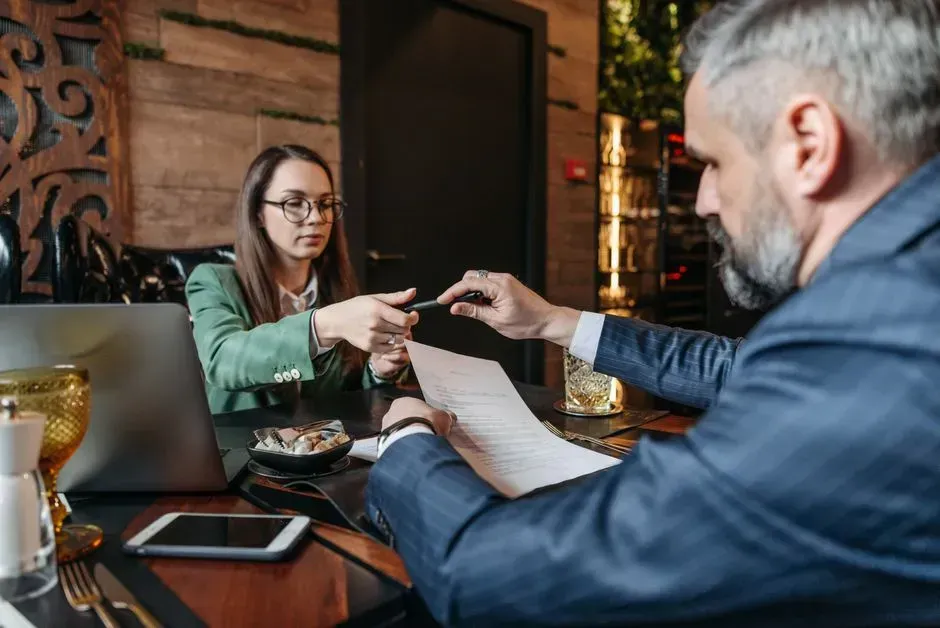
Servers describe a specific type of guest who manufactures a complaint, claims to find something in their food, or exaggerates a service failure specifically to avoid paying. What starts as a comped appetizer can spiral if the guest posts a dramatic version of events online or files a formal complaint with a health agency based on a fabricated claim.
Restaurants that investigate and find evidence of a false complaint have pursued civil action in rare but documented cases, particularly when the claim caused reputational damage or triggered an unnecessary health inspection. Servers say management increasingly reviews kitchen camera footage before issuing refunds specifically because this pattern has become more common.
9. Attempting to pay with counterfeit currency or a stolen card
9. Attempting to pay with counterfeit currency or a stolen card (Image Credits: Pexels)
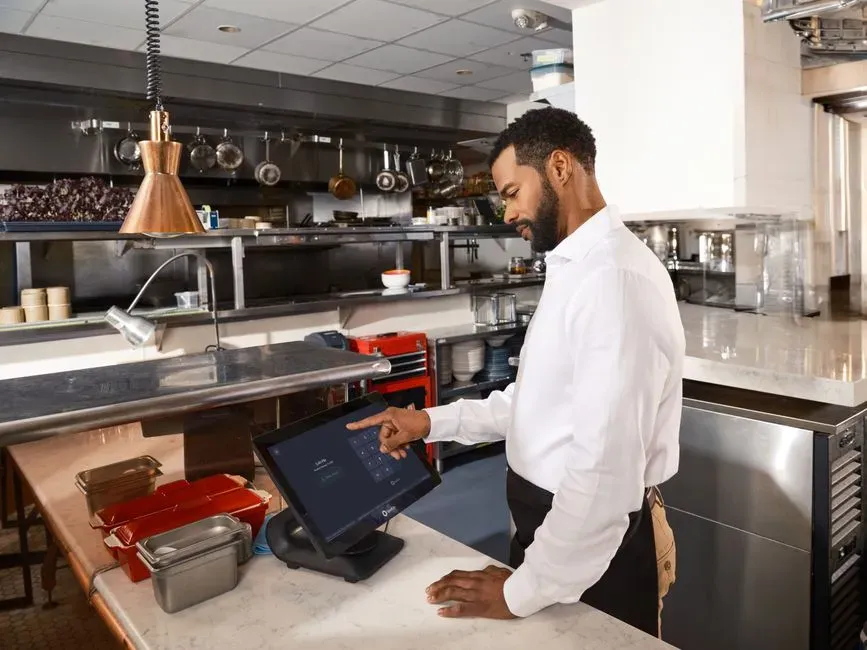
Servers on late shifts in particular flag this as the mistake most likely to bring police directly into the dining room. Cash registers and point of sale systems now flag suspicious bills and card numbers more reliably than in past years, meaning a fraudulent payment attempt is often caught before a guest even leaves the table.
Restaurants are required to report suspected counterfeit currency to authorities in most jurisdictions, and stolen card use triggers an automatic fraud alert that law enforcement can trace quickly. Servers say the guest rarely gets far, and the encounter almost always ends with a conversation involving police rather than a manager.
Most of these situations start small, a skipped detail, a moment of frustration, a shortcut that seems harmless in the moment. Servers who have watched them unfold say the pattern is consistent: what feels like a minor decision at the table can turn into a legal or financial problem that outlasts the meal by weeks or months. A little more transparency at the table, whether about an allergy, a billing question, or a genuine complaint, tends to keep the evening exactly what it should be, just dinner.