
Something has shifted in how Americans think about eating out. It's not dramatic, no viral boycotts or angry protests outside drive-thrus, just a slow, steady drift away from certain familiar names. Look closely at satisfaction surveys, earnings calls, and the endless stream of Reddit threads dissecting soggy fries and shrinking portions, and a pattern emerges: a handful of once-reliable chains are losing customers not because people stopped eating out, but because they stopped trusting what they'd get when they walked in.
TGI Fridays
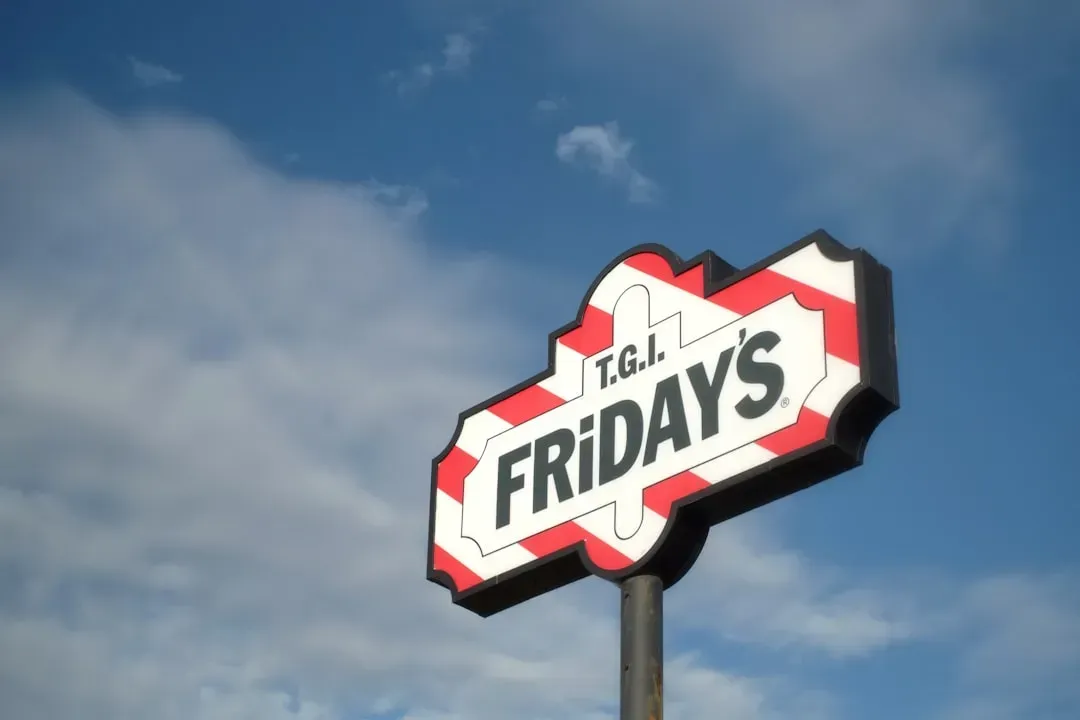
TGI Fridays (Image Credits: Unsplash)
TGI Fridays helped invent the modern casual dining bar scene, but the brand has spent the past few years fighting for survival rather than relevance. TGI Fridays has already closed dozens of restaurants in the U.S. and internationally, with more instability reported in overseas markets, and years of declining traffic and shifting dining habits have taken a toll. Customers who still visit often describe a wildly inconsistent experience from one location to the next.
While it has a reputation for welcoming waitstaff and a friendly atmosphere, the inconsistent food quality and long waiting times deter many people. Complaints range from basic kitchen missteps to service breakdowns, and soggy French fries, bare ribs, old lettuce, over-fried chicken strips, and bitter Alfredo are among the complaints from customers online, with many also finding their food served cold or the wrong order delivered entirely. For a brand once synonymous with reliable happy hour fun, that’s a rough reputation to shake.
Wendy's
Wendy's (JeepersMedia, Flickr, <a href="https://creativecommons.org/licenses/by/2.0/" target="_blank" rel="noopener">CC BY 2.0</a>)
Wendy’s built its identity on being the “better” fast-food burger, fresh beef, square patties, a little more polish than the competition. That positioning is cracking under pressure. Same-store sales have dropped by 7 percent, with traffic down by 12.5 percent and 245 closures so far in 2026, and CEO Bob Wright admitted the chain’s quality differentiation has eroded and its value proposition has weakened.
That’s an unusually candid admission from a sitting CEO, and it lines up with what customers have been saying for a while. Starting in late 2025, Wendy’s began a large wave of closings affecting hundreds of locations, and while corporate leadership frames these shutdowns as strategic realignment, the closures seem to be landing hardest in areas where residents rely on affordable fast-food options the most. Fries, in particular, keep coming up as a sore spot among longtime fans who feel the brand has drifted from what made it stand out.
Subway
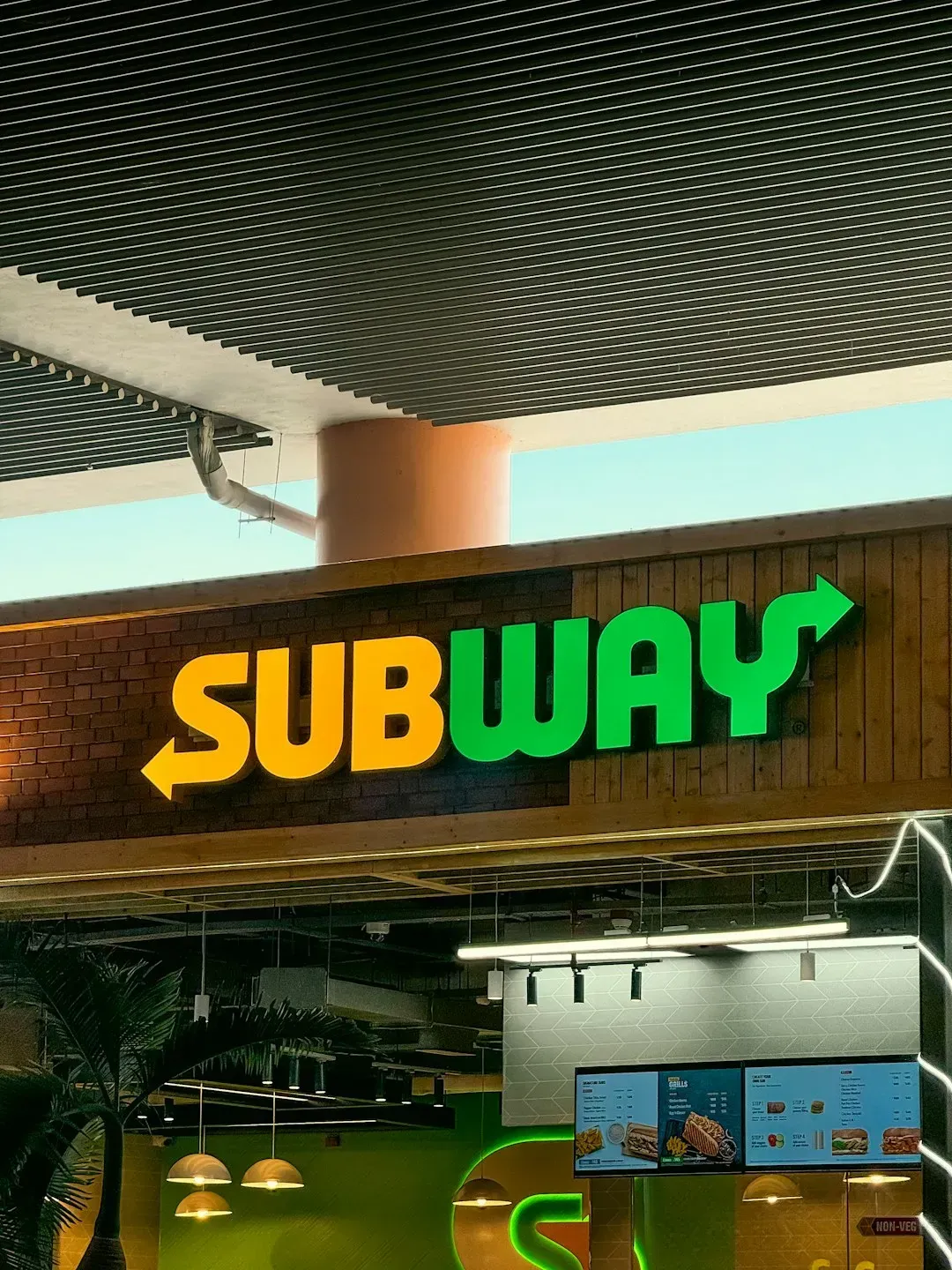
Subway (Image Credits: Unsplash)
Subway once had a sandwich shop on nearly every corner, but that ubiquity hasn’t translated into loyalty. Subway once dominated the fast-casual sandwich market, but over the past two years customer reviews have repeatedly criticized its rising prices and declining food quality, with many claiming the brand’s sandwiches no longer justify their cost.
The frustration isn’t isolated to one or two complaints either. What was once an American sandwich shop staple now seems to be falling off the radar, as many customers say they are straying from Subway due to the declining quality of ingredients used in its sandwiches. When a brand’s whole appeal rested on fresh, customizable ingredients, any perceived dip in produce quality lands especially hard with regulars.
KFC
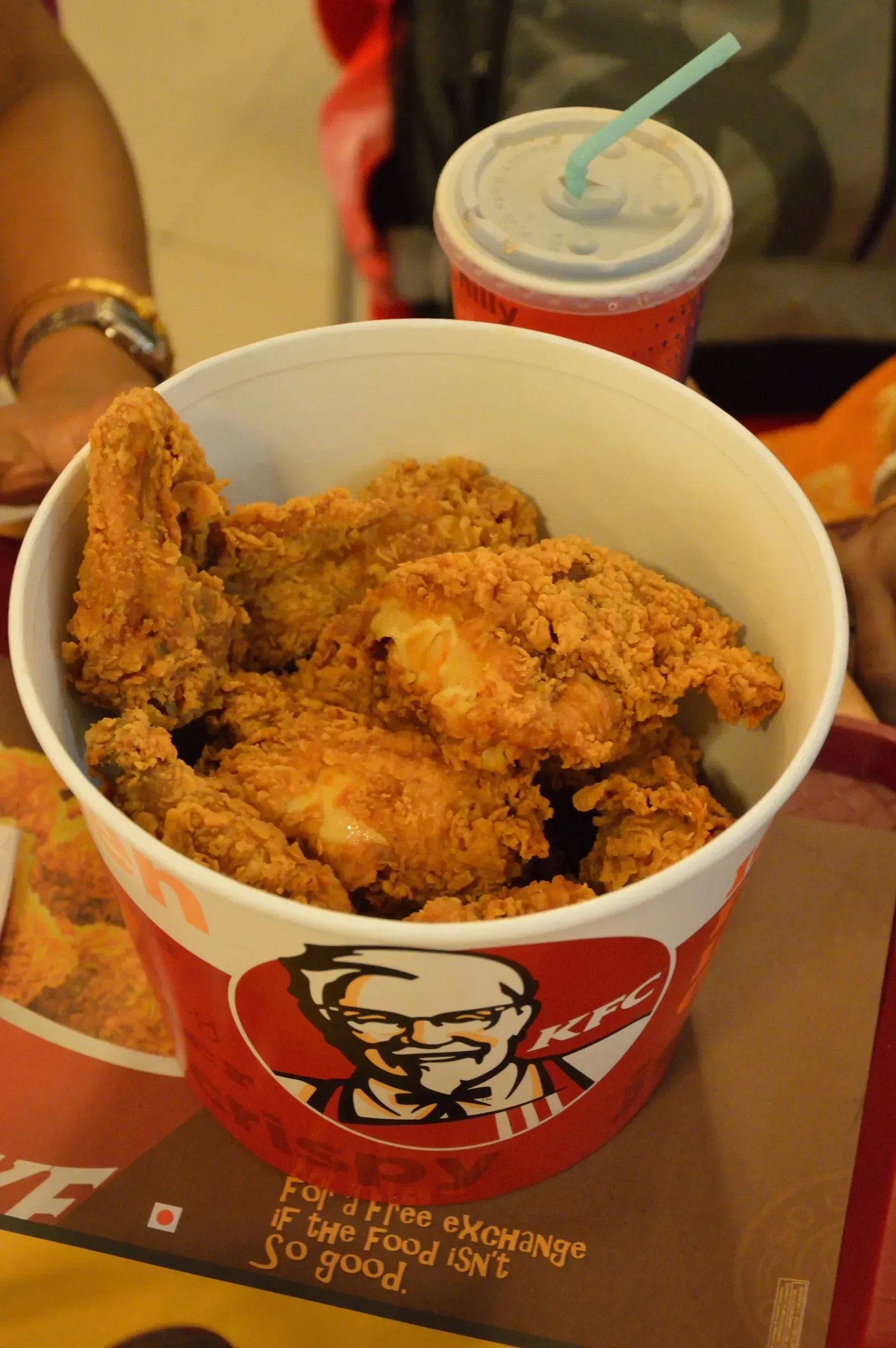
KFC (By Biswarup Ganguly, <a href="https://commons.wikimedia.org/w/index.php?curid=31805562" target="_blank" rel="noopener">CC BY 3.0</a>)
KFC’s chicken still has defenders, but the side dishes have become a genuine liability. The problem at KFC isn’t the chicken according to customer complaints in 2026, it’s the gravy, with many claiming the sauce used to be good but the recipe appears to have changed in recent years, resulting in a lower quality product.
This isn’t a passing gripe either. One customer felt strongly enough about KFC’s declining gravy that they started a petition in 2025 hoping to encourage the chain to bring the old recipe back. On top of that, broader satisfaction tracking shows the chain isn’t just struggling with one menu item. KFC had the largest measured satisfaction drop of any major fast food chain recently, suggesting the gravy backlash is part of a wider quality slide rather than an isolated complaint.
Cracker Barrel
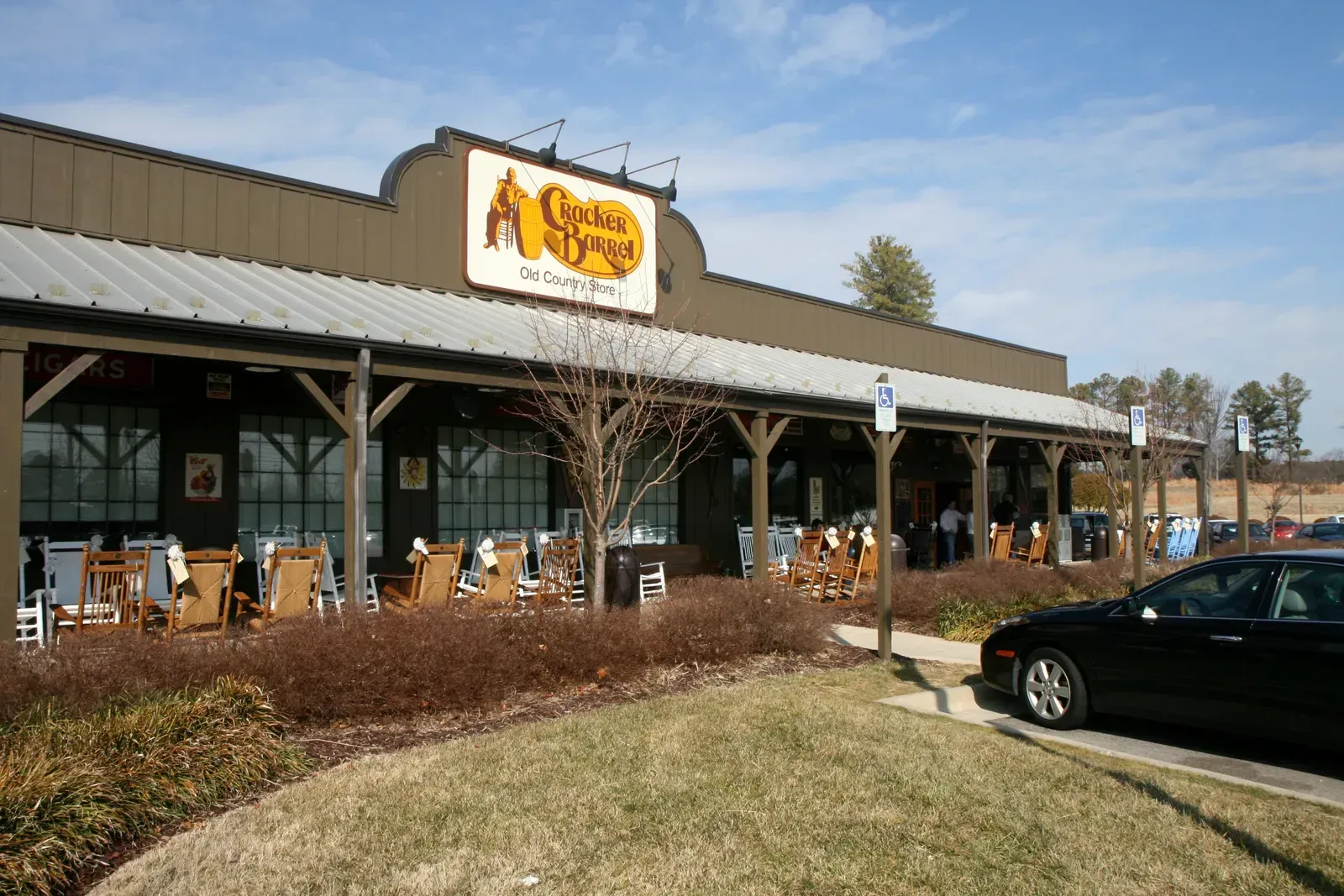
Cracker Barrel (By Ildar Sagdejev (Specious), <a href="https://commons.wikimedia.org/w/index.php?curid=12850451" target="_blank" rel="noopener">CC BY-SA 4.0</a>)
Cracker Barrel has long traded on nostalgia, country cooking, and a gift shop full of rocking chairs. Lately, though, the food and the atmosphere haven’t been living up to that image. Even the chicken-fried steak, which the chain is known for, is inconsistent, with mushy breading and bland flavor, and poor food quality isn’t the only problem.
Cleanliness and service have taken hits too. The chain has built a reputation for poor service and cleanliness as well, with one customer recounting water dripping from the ceiling onto their table, and many customers experiencing poor service and extremely long wait times from waitstaff who ignored tables and forgot drink refills. For a brand built on homestyle comfort, those kinds of complaints cut against the entire premise.
Chipotle
Chipotle (JeepersMedia, Flickr, <a href="https://creativecommons.org/licenses/by/2.0/" target="_blank" rel="noopener">CC BY 2.0</a>)
Chipotle built its reputation on transparency and generous portions, which makes recent complaints sting more than they might for other chains. The chain’s Trustpilot score sits at 1.9 out of 5, and its ACSI score dropped from 77 to 76 in 2025.
The specific complaint pattern is telling. The specific complaints are about portion sizes, which customers describe as “imperceptible,” “minimal,” and “kid-sized” for the meat. That frustration also showed up in the company’s financials, since Chipotle also had its worst quarter in five years in Q1 2025. Customers paying premium prices tend to notice quickly when the value equation stops adding up.
Sonic
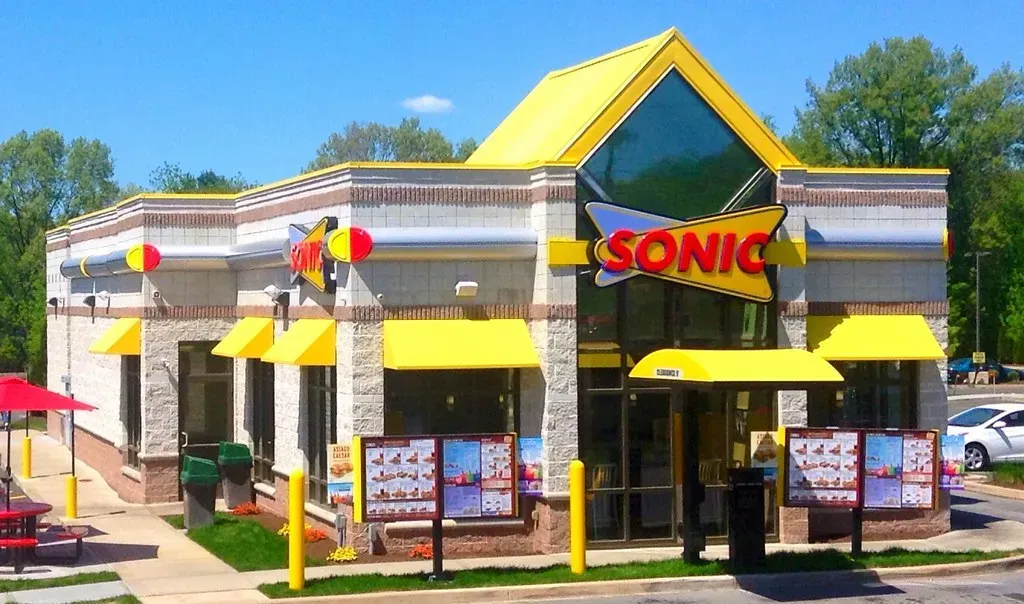
Sonic (JeepersMedia, Flickr, <a href="https://creativecommons.org/licenses/by/2.0/" target="_blank" rel="noopener">CC BY 2.0</a>)
Sonic’s drive-in nostalgia and sprawling drink menu still draw people in, but the food itself has struggled to keep pace with that appeal. Sonic is famous for its retro vibe and vast drink menu, but the actual food often receives poor marks, with consumer reports historically ranking the chain near the very bottom for burger quality among major chains, and patties frequently described as dry and lacking in flavor compared to fresh beef competitors.
The gap between experience and execution seems to be the core issue. The novelty of having food delivered to your window wears off quickly when the meal itself is disappointing. For a chain whose whole gimmick depends on repeat visits, that disconnect between fun format and forgettable food is a tough problem to solve.
Jack in the Box
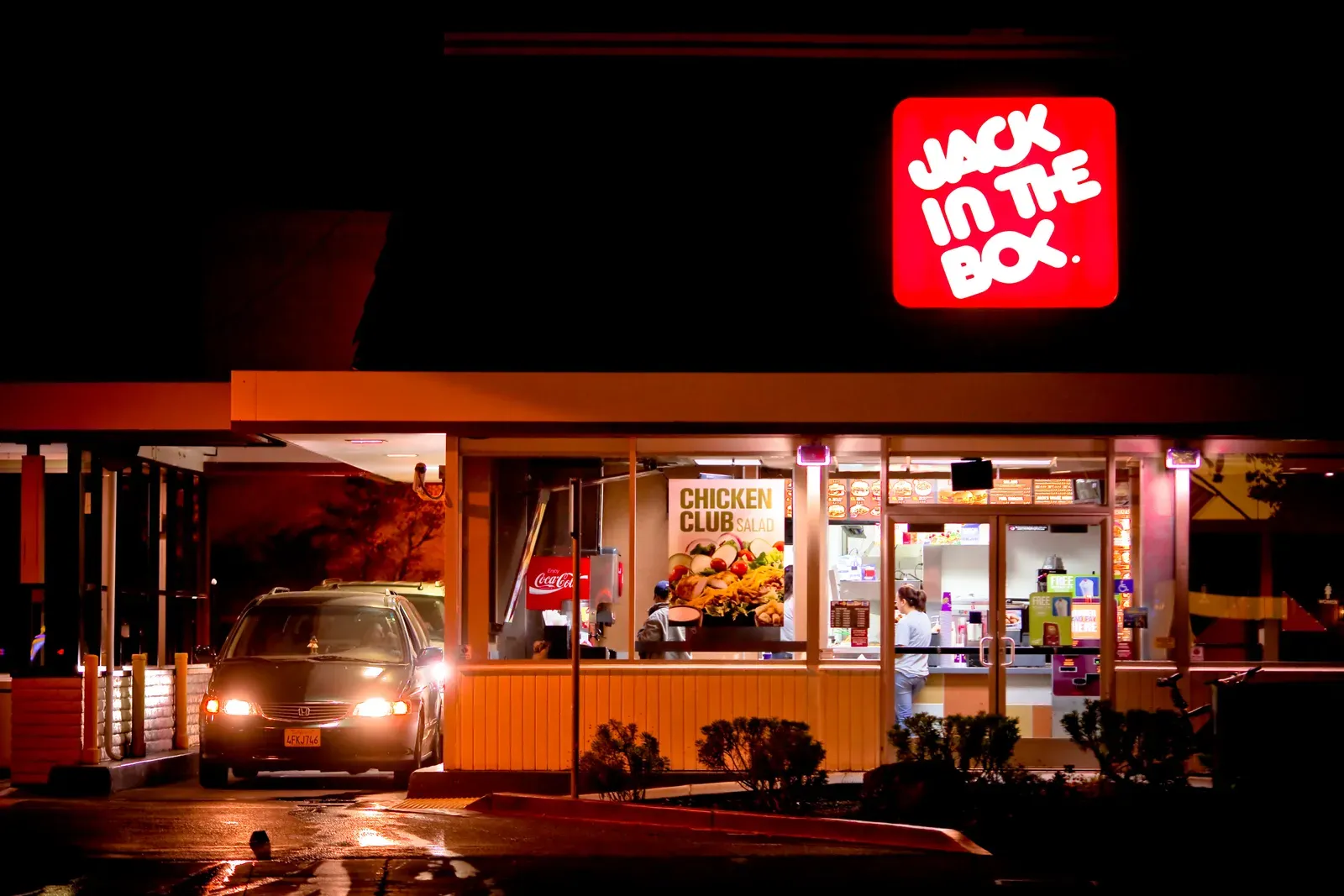
Jack in the Box (Image Credits: Cool Jack in the Box, <a href="https://commons.wikimedia.org/w/index.php?curid=87876655" target="_blank" rel="noopener">CC BY-SA 2.0</a>)
Jack in the Box has always leaned on menu variety, burgers, tacos, breakfast, late-night snacks, but variety hasn’t been enough to keep customers walking through the door. Going into 2026, the chain is dealing with a shrinking footprint and fewer customers, with the company steadily closing restaurants as part of a plan to eliminate underperforming locations.
The scale of the pullback is notable. By the end of 2025, dozens of stores had already closed, with more scheduled to shut down the following year, and the company previously signaled that up to 200 locations could disappear. Meanwhile, customer traffic has been falling while menu prices continue to rise, meaning fewer visits translate to less revenue even as price hikes haven’t fully made up the difference. Satisfaction surveys back up the trend, too, with the chain consistently ranking low.
Long John Silver's
Long John Silver's (Image Credits: Pexels)
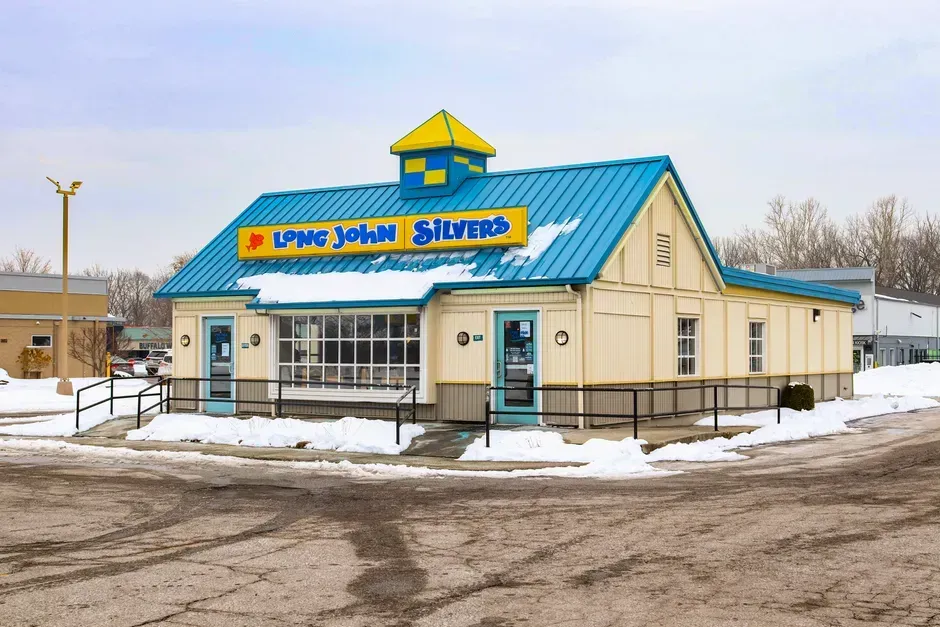
Fast-food seafood is a tricky category under the best circumstances, and Long John Silver’s has struggled to convince skeptical diners it’s worth the risk. When seafood is involved, freshness and quality are everything, and when customers say a chain’s items taste freezer-burned or overly oily, that is a red flag.
The skepticism has become something of a running joke among reviewers, though it points to a real credibility problem. Some reviewers even joke that the chain’s survival seems suspicious, as if it must have alternative revenue streams to stay afloat, a tongue-in-cheek exaggeration that reflects widespread disbelief about its continued presence. Unless the brand rethinks its approach, that lingering doubt about freshness is likely to keep cautious diners away.
The Bigger Picture
The Bigger Picture (Image Credits: Pexels)
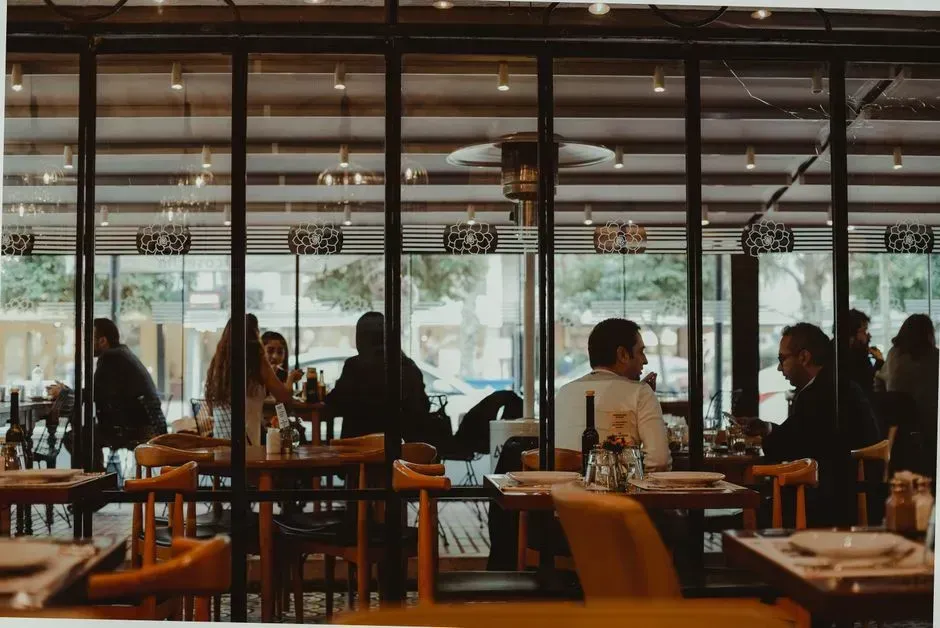
None of these eight chains are vanishing overnight, but the erosion is real and measurable. Broader industry data backs up what individual complaints suggest: loyalty itself is fading fast, with 45 percent of consumers surveyed saying their favorite restaurant had changed in the last year, a significant increase over 2025 when one-third of diners said the same thing.
Rising menu prices paired with inconsistent food have made diners far less forgiving than they used to be. With sixty-nine percent saying they have maintained or decreased their dining-out budgets due to economic conditions, every bad meal now carries more weight in a customer’s decision to return. For these eight chains, that means the margin for error has effectively disappeared, and the coming year will likely determine whether any of them manage to win back the trust they’ve quietly lost.