
Most people assume that whatever happens at the checkout counter is fair game, just the cost of doing business in 2026. Yet a surprising number of everyday grocery store habits sit on the wrong side of consumer protection law, even when nobody ever gets caught. Some of these practices have quietly persisted for decades. Others are newer, tied to the rise of algorithmic pricing and delivery apps, and are only now catching regulators' attention.
1. Charging more at the register than the shelf price shows
1. Charging more at the register than the shelf price shows (Image Credits: Pexels)
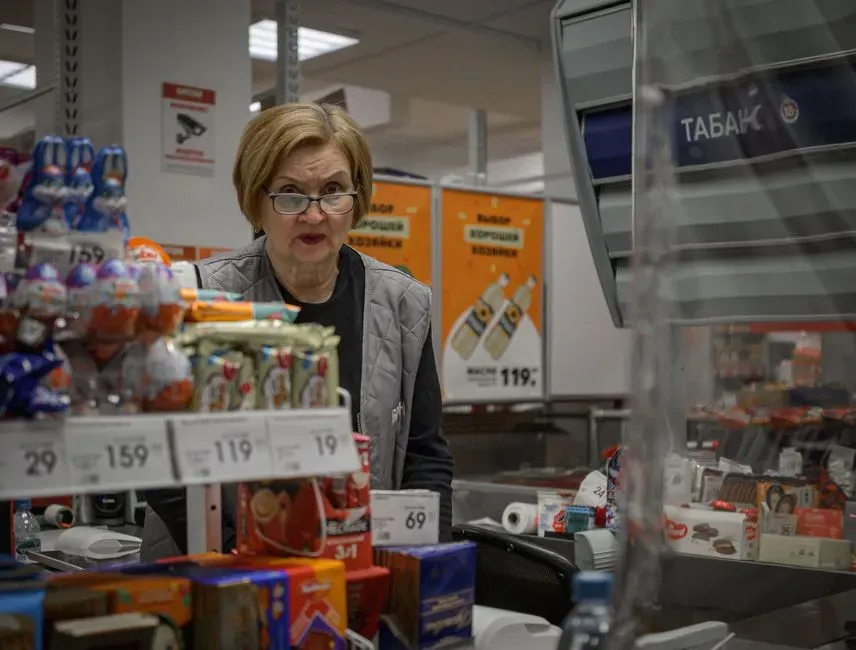
It sounds like a simple glitch, but in many states it is a legal violation the moment it happens more than occasionally. Michigan’s Scanner Law is one of the clearest examples on the books. The Michigan Scanner Law mandates that if an item scans at a higher price than the displayed price, the customer is entitled to the difference plus a bonus of up to $5.
New York takes a similar approach at the local level. Any retail store in Erie County, with or without a Waiver from Item Pricing, must honor the lowest of any advertised price and refund the difference in price to the customer. Massachusetts goes further by penalizing the store directly. Massachusetts law states that a food store or food department may be fined $100 for any item that scans higher than the lowest advertised, marked, or shelf tag price. Despite these rules, industry estimates suggest scanner mistakes remain common, and they tend to favor the store far more often than the customer.
2. Quietly charging you a different price than the shopper next to you
2. Quietly charging you a different price than the shopper next to you (By Wolfmann, <a href="https://commons.wikimedia.org/w/index.php?curid=63916501" target="_blank" rel="noopener">CC BY-SA 4.0</a>)
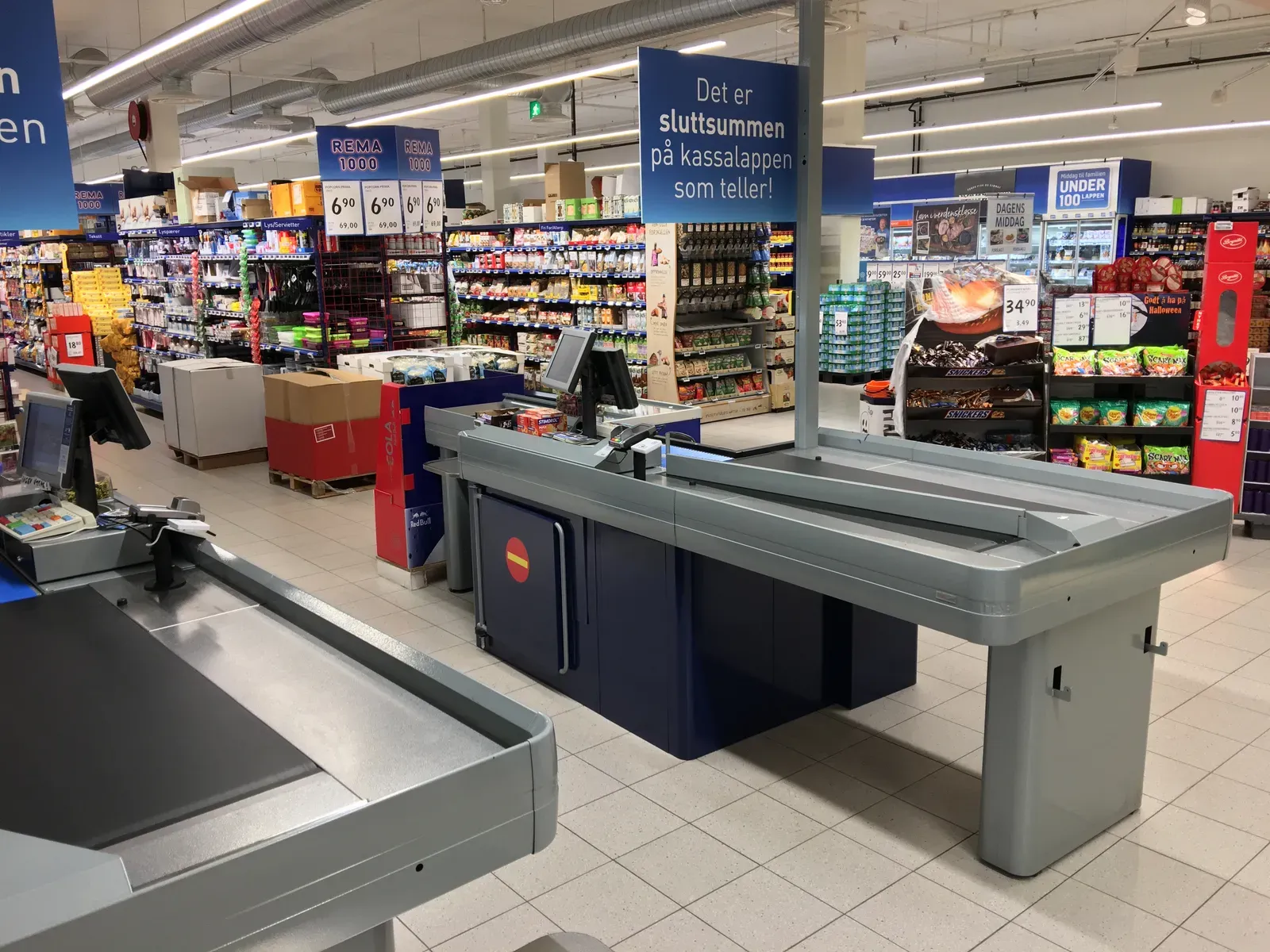
This one sounds like conspiracy talk until you look at what regulators actually found. Consumer Reports investigated Instacart’s pricing and discovered something unsettling about how algorithms treat different customers. They found that consumers paid different prices for the same goods from the same store at the same time, with prices fluctuating by as much as 23 percent, which could cost families more than 1,200 dollars a year.
The Federal Trade Commission has since made its position clear. Under a proposed policy, businesses would have to clearly and conspicuously disclose if they are engaging in personalized pricing and share the types of data they’re using, and companies that skip that disclosure could violate the FTC Act’s ban on unfair or deceptive practices. Several states have already moved to ban the practice outright rather than just require disclosure. Maryland, Connecticut and New Jersey passed laws prohibiting personalized pricing at grocery stores, while California and New York are considering similar legislation.
3. Advertising "free" delivery and then adding fees at checkout
3. Advertising "free" delivery and then adding fees at checkout (Image Credits: Unsplash)
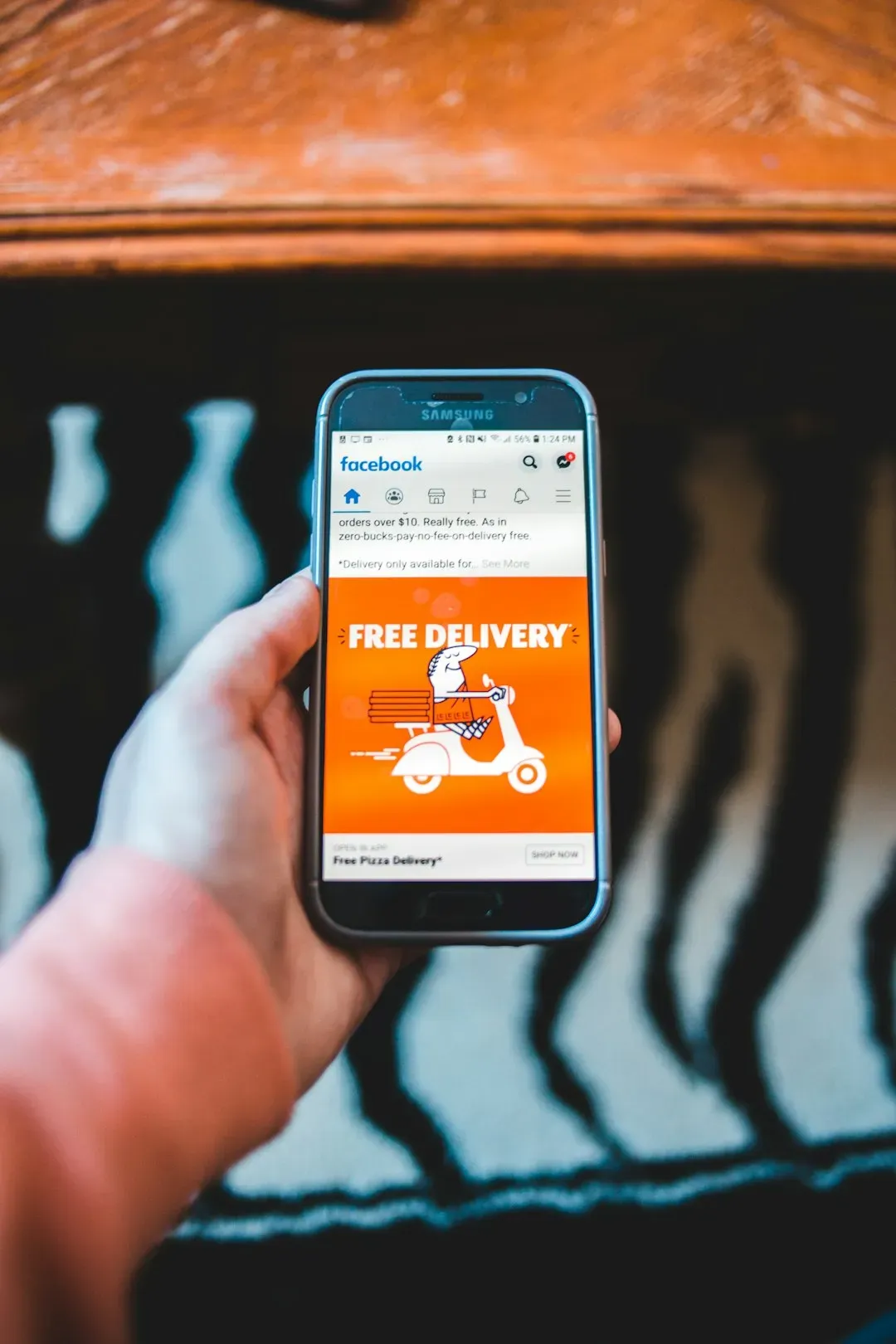
Drip pricing, tacking on charges that only appear once you’re deep into checkout, has become one of the most heavily litigated grocery-adjacent practices of the past two years. Instacart learned this the expensive way. In December 2025, the FTC announced a $60 million settlement with Instacart over allegations it falsely advertised free delivery on consumers’ first three orders on the platform and then charged them service fees that were not disclosed until checkout.
Instacart was not alone. In December 2024, the FTC obtained a $25 million settlement with GrubHub over allegations it misled consumers about the cost of delivery on its platform. Walmart faced its own reckoning too, with a separate settlement tied to driver pay practices in early 2026. The FTC now believes the problem is widespread enough that it wants a single nationwide rule instead of case by case enforcement, and it opened a public comment period on the issue earlier this year.
4. Selling food that legally should have been pulled from the shelf

4. Selling food that legally should have been pulled from the shelf (Image Credits: Pexels)
Here’s where things get more nuanced than most shoppers realize. Federal law is actually fairly relaxed about expired food, with one notable exception. On a federal level, there aren’t any laws against selling expired foods, except when it comes to baby food and infant formulas.
States fill in the rest of the picture, and some are stricter than people expect. If packaged food is past its use by date, California law bans its sale to the public, though stores are allowed to sell food after the best until, best before, sell by, or display until dates. Georgia has its own carve outs for perishables. In Georgia, it is unlawful to sell certain perishable food items past the expiration date stated on the label, including potentially hazardous foods labeled Keep Refrigerated. So a store selling day old bread past its “best by” stamp is fine almost everywhere, but selling refrigerated deli meat past its true use by date can cross a legal line depending on the state.
5. Shortchanging you at the deli scale or self checkout weigh station
5. Shortchanging you at the deli scale or self checkout weigh station (Image Credits: Pexels)
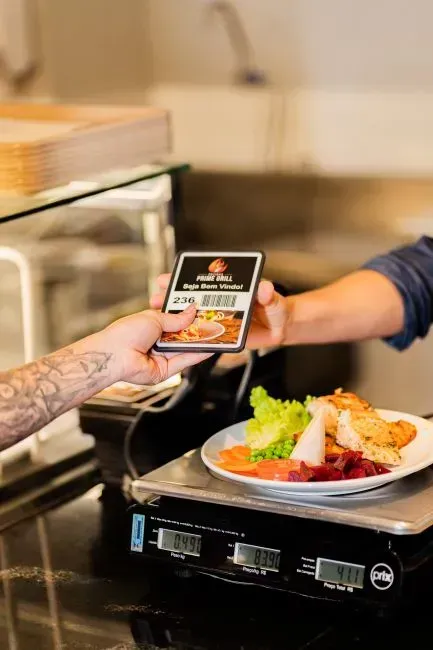
Short weighting sounds old fashioned, like something from a 1950s consumer protection film, but it is still an active enforcement category today. Weight fraud, also called scale fraud or short weighting, is a type of measurement fraud involving the mislabeling or inaccurate weighing of products, where products are labeled or weighed in a manner that falsely indicates a greater weight than they actually possess.
Cities take this seriously enough to run dedicated inspection programs. Since New York passed a landmark consumer protection law in 1969, the city’s Department of Weights and Measures has worked mostly out of public view to protect shoppers from unfair practices, with inspectors regularly checking deli and supermarket scales. Maryland’s agriculture department publishes real penalty records that show this isn’t theoretical. Safeway locations in Greenbelt and Laurel each received civil penalties of $1,000 and $2,000 respectively, both assessed for short weight violations. A missing tare deduction on a deli scale, where the container weight isn’t subtracted before pricing, is a small but genuinely illegal overcharge.
6. Refusing to honor a rain check on a sold out sale item
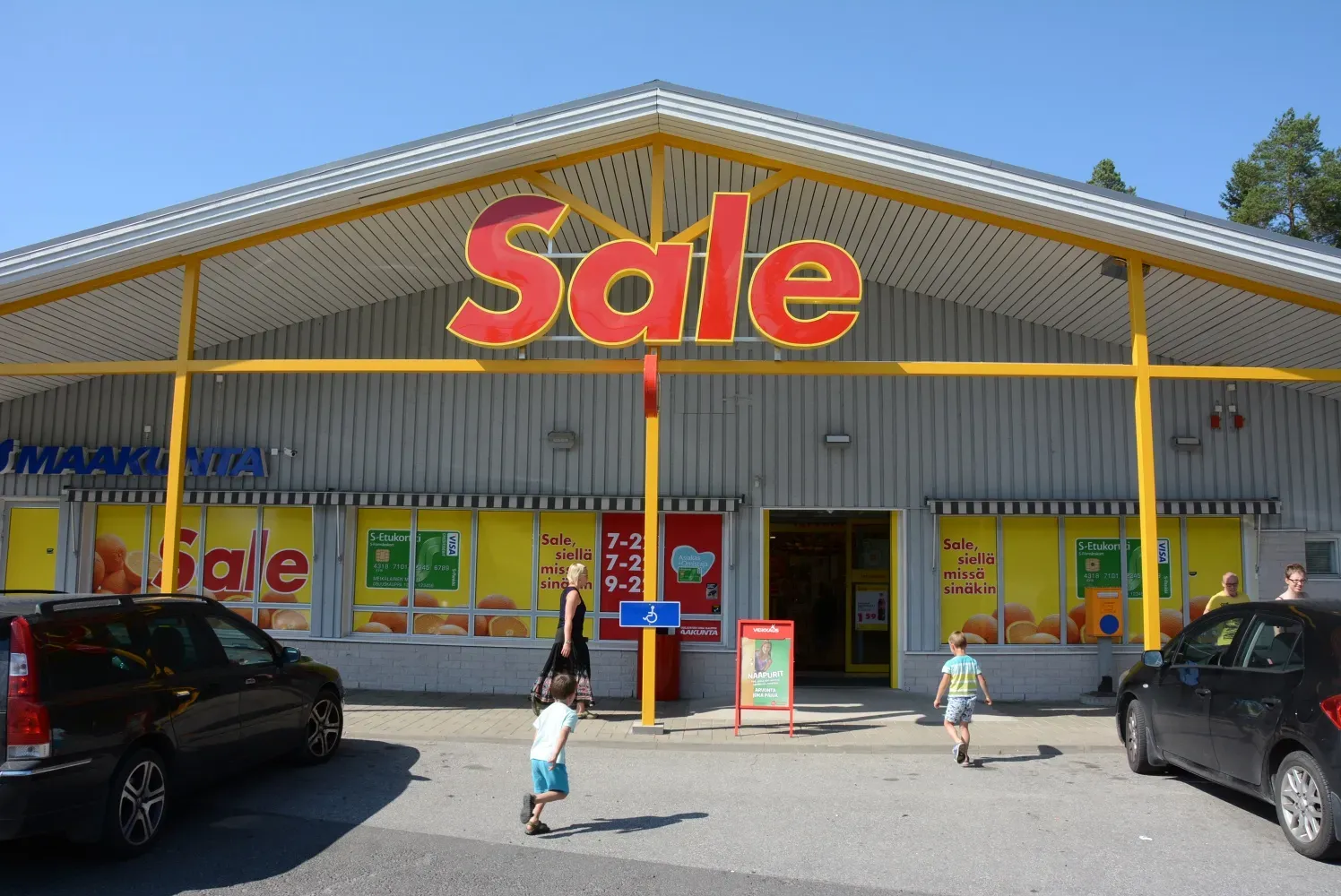
6. Refusing to honor a rain check on a sold out sale item (By Kajaanifoto, <a href="https://commons.wikimedia.org/w/index.php?curid=34213662" target="_blank" rel="noopener">CC BY-SA 4.0</a>)
Weekly sale flyers create an obligation that a lot of shoppers don’t know exists. There’s a federal rule specifically built for this scenario. The federal Retail Food Store Rule requires grocers to provide rain checks on advertised items or to substitute an equivalent product.
That said, the rule has real loopholes stores can lean on. Stores can get around that by demonstrating they ordered sufficient quantities to meet reasonably anticipated demand, or by including a statement in their advertising that quantities are limited or that the sale is available only in certain stores. Some states extend rain check protections beyond groceries entirely. Connecticut’s rain check law applies to sellers of most products, with exceptions for seasonal items, products covered by store or department wide discounts, clearance items, and automobiles. So a flat “no rain checks, ever” policy posted at the register isn’t automatically enforceable, especially in states with their own consumer statutes layered on top of the federal rule.
7. Using algorithmic pricing tools that collect your personal data without telling you

7. Using algorithmic pricing tools that collect your personal data without telling you (Image Credits: Pexels)
This overlaps with personalized pricing but deserves its own entry because the data collection itself is often the legal problem, separate from the price differences it produces. Regulators found grocers were already deep into this practice well before most shoppers noticed. In a preliminary report filed in January 2025, the agency found that grocers, clothing companies and others were using third party companies to help them individualize online prices based on shoppers’ locations, browsing histories, and other factors, including how long they left items in their virtual shopping carts.
Kroger came up specifically in one investigation. In May 2025, Consumer Reports investigated Kroger, finding that the grocer had collected large amounts of data for building profiles of individual shoppers, including information about their income, family size, education level, gender and more. The FTC has since warned that this crosses into illegal territory once it’s undisclosed. The FTC warns businesses that undisclosed personalized pricing violates federal law. Instacart pushed back on some of the specific findings but ultimately announced it would change course. The investigation led Instacart to announce that it would end the practice of charging customers different prices for the same basket of groceries.
None of this means every grocery store is secretly breaking the law every day. Most pricing errors are genuine mistakes, and most stores would rather fix a scanner glitch than face a fine or a lawsuit. Still, knowing which of these seven practices cross a legal line gives shoppers a real advantage the next time something at checkout doesn’t add up, because in several of these cases, the law is quietly on the customer’s side.