
There's a certain kind of nostalgia that hits differently when it's tied to a strip mall parking lot or a mascot in a paper crown. Some of the biggest names in American fast food didn't survive long enough to become permanent fixtures, yet for a stretch of years they defined what a family dinner out actually looked like. If any of these five ring a bell, you were dining at the edge of something that quietly disappeared.
Burger Chef: the burger giant that quietly vanished
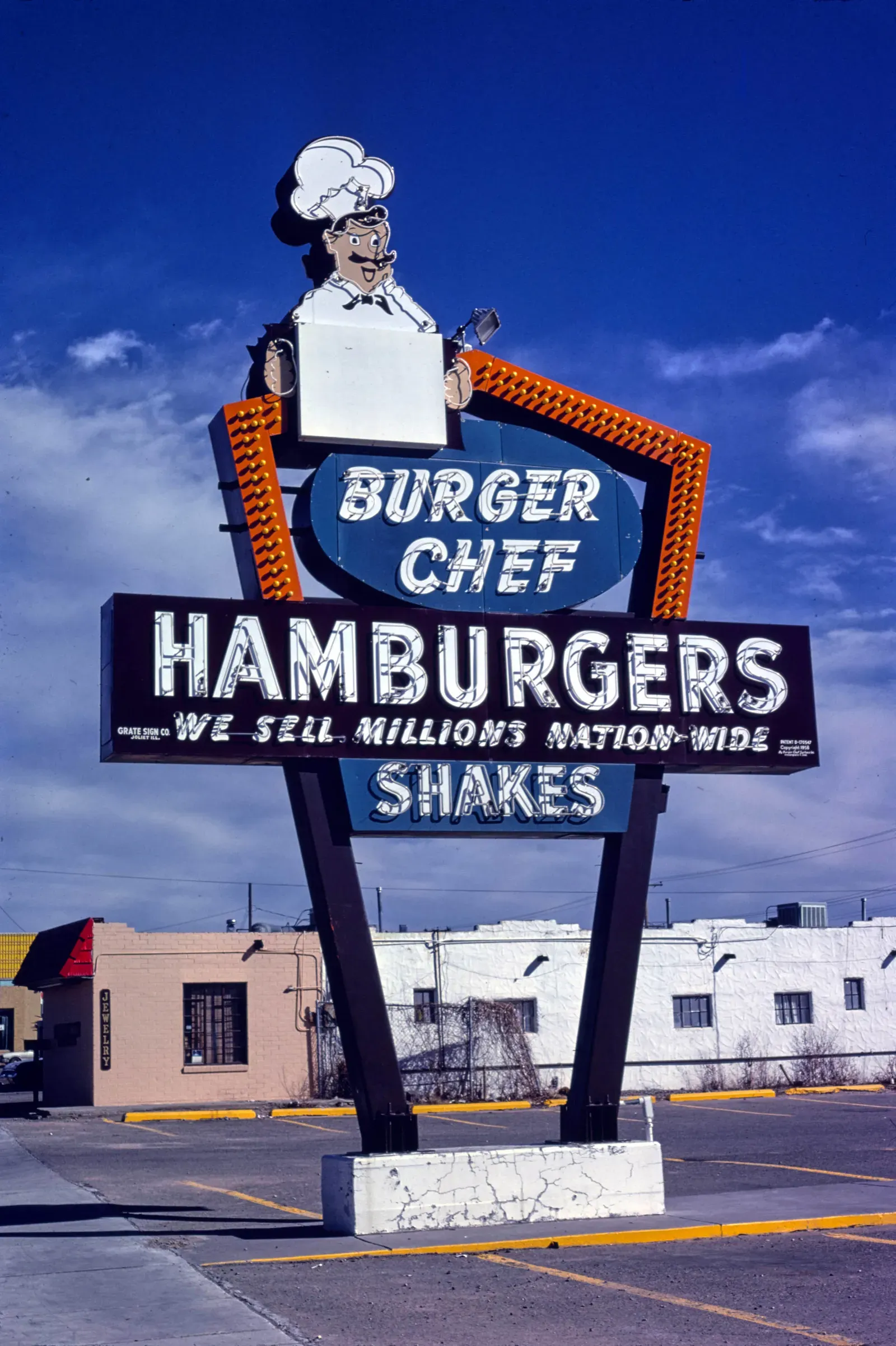
Burger Chef: the burger giant that quietly vanished (Image Credits: Converted from this image, <a href="https://commons.wikimedia.org/w/index.php?curid=108042084" target="_blank" rel="noopener">Public domain</a>)
At its peak in the 1970s, Burger Chef was one of America’s largest fast-food chains, boasting more than 1,200 locations across 38 states, and it earned a loyal following for its flame-broiled burgers, creative advertising, and its Funmeal, a kids’ combo that debuted before McDonald’s introduced the Happy Meal. The chain pioneered a value-menu combo called the Triple Treat, pairing a burger, fries, and a shake for a price that felt like a steal at the time.
By 1972 there were 1,200 Burger Chef locations, and despite pioneering the concept of a child-oriented meal with a small burger, fries, drink, dessert, and toy six years before the Happy Meal debuted, overexpansion eventually did the company in and it was toast by 1981. The chain’s reputation also took a hit after a tragic incident in 1978 in which four employees disappeared in an unsolved murder, a case combined with growing competition from Burger King and McDonald’s. Hardee’s eventually absorbed most of the remaining locations, quietly folding a once-massive competitor into its own footprint.
Chi-Chi's: the Tex-Mex staple undone by a food safety crisis
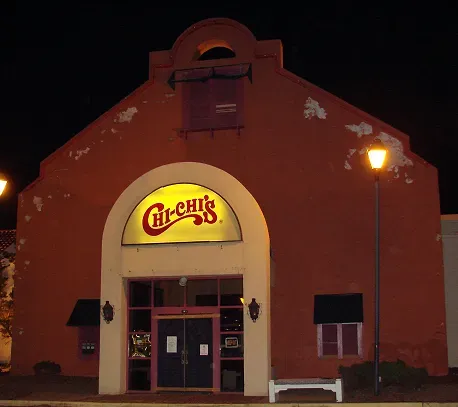
Chi-Chi's: the Tex-Mex staple undone by a food safety crisis (Image Credits: Transferred from en.wikipedia to Commons by SchuminWeb., <a href="https://commons.wikimedia.org/w/index.php?curid=16355498" target="_blank" rel="noopener">Public domain</a>)
Chi-Chi’s was originally the name of an American chain of Mexican restaurants founded in 1975 by Marno McDermott and former Green Bay Packers player Max McGee. After opening its first location in Minnesota in 1976, Chi-Chi’s eventually expanded to more than 200 locations nationwide, becoming a go-to spot for sizzling fajitas and oversized margaritas well into the 1990s.
The chain’s downfall was sudden and severe. A 2003 hepatitis A outbreak linked to green onions at a Pennsylvania site sickened over 650 people and killed four, accelerating a bankruptcy filing that same year. On the weekend of September 18, 2004, Chi-Chi’s closed all 65 of its remaining restaurants, and its remaining locations were purchased by Outback Steakhouse in 2004, which were either rebranded or sold off. Interestingly, Chi-Chi’s, which had been out of business since 2004, was announced in 2025 as returning, with Hormel Foods reaching an agreement with Michael McDermott, the son of one of the original founders, allowing him to reopen the chain.
Kenny Rogers Roasters: a country star's foray into rotisserie chicken
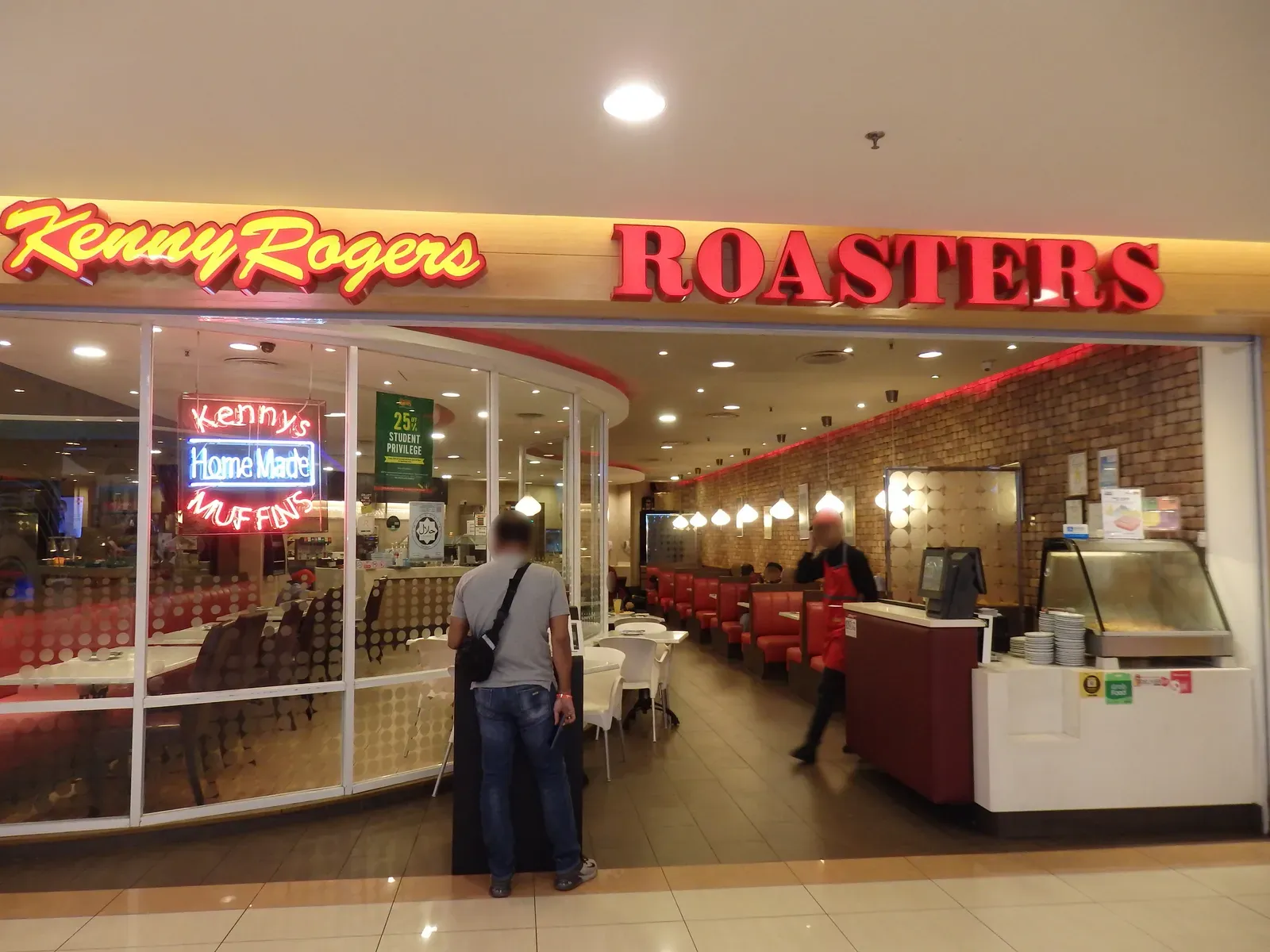
Kenny Rogers Roasters: a country star's foray into rotisserie chicken (Image Credits: By Bindydad123, <a href="https://commons.wikimedia.org/w/index.php?curid=87613663" target="_blank" rel="noopener">CC BY-SA 4.0</a>)
Before it became a beloved Seinfeld punchline, this chain was a legitimate contender in the fried and roasted chicken wars of the early 1990s. In 1991, Kenny Rogers teamed up with a former KFC CEO to open his own rotisserie chicken business, and Kenny Rogers Roasters began in Coral Springs, Florida, quickly expanding to include more than 350 restaurants. Brown expanded the company to a chain of more than 425 restaurants before selling his interest in the franchise to the Malaysia-based Berjaya Group in 1996.
Competition from established fried chicken brands and newer rotisserie concepts eventually squeezed the chain out of the domestic market. Kenny Rogers Roasters started to sink into decline in the United States, and by 1998 the chain was bankrupt, with Rogers himself trying to stop the restaurant from using his name. Kenny Rogers Roasters closed its last U.S. restaurant in 2011, but for all those who remember it fondly, franchises still operate in Asia. The name survives overseas today, with more than 200 restaurants operating across Asia.
Rax Roast Beef: the Ohio original that almost beat Wendy's and Arby's
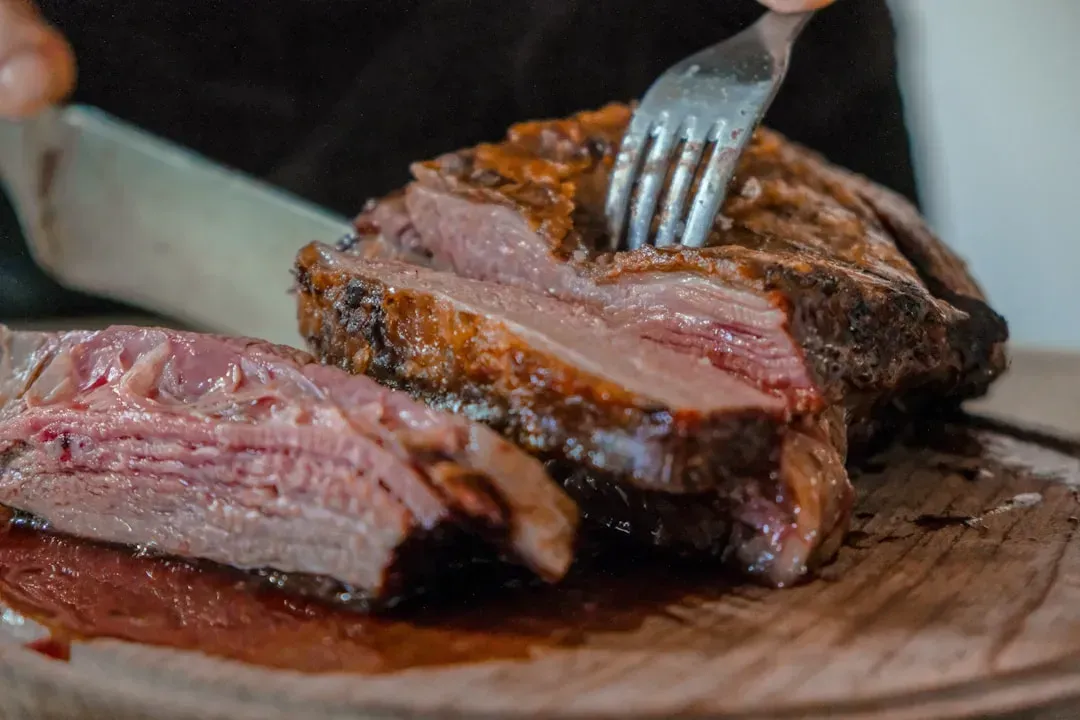
Rax Roast Beef: the Ohio original that almost beat Wendy's and Arby's (Image Credits: Unsplash)
Rax has one of the more overlooked origin stories in fast-food history, born from a personal grudge against McDonald’s founder Ray Kroc. Launched in 1967, roughly the same time as Wendy’s in nearby Columbus and Arby’s on the other side of the state, Rax was once a major fast food chain, with more than 500 locations to its name at its peak. Rax originally wasn’t called Rax, it was called JAX, and founder Jack Roschman launched the chain after Ray Kroc declined to let him exclusively operate McDonald’s in Ohio due to his young age.
The chain’s decline was slower and stranger than most, stretching out over decades rather than collapsing all at once. By February 2015, nine freestanding locations remained in Illinois, Kentucky, Ohio, and West Virginia, and the last Rax in West Virginia closed in March 2016, followed by three more in Ohio the same year, bringing the number of locations to five by 2017. A handful of independently run outposts have technically kept the brand alive, but for most people who grew up eating there, Rax feels like a memory from a completely different fast-food landscape.
Beefsteak Charlie's: the all-you-can-eat empire of the East Coast
Beefsteak Charlie's: the all-you-can-eat empire of the East Coast (Image Credits: Unsplash)
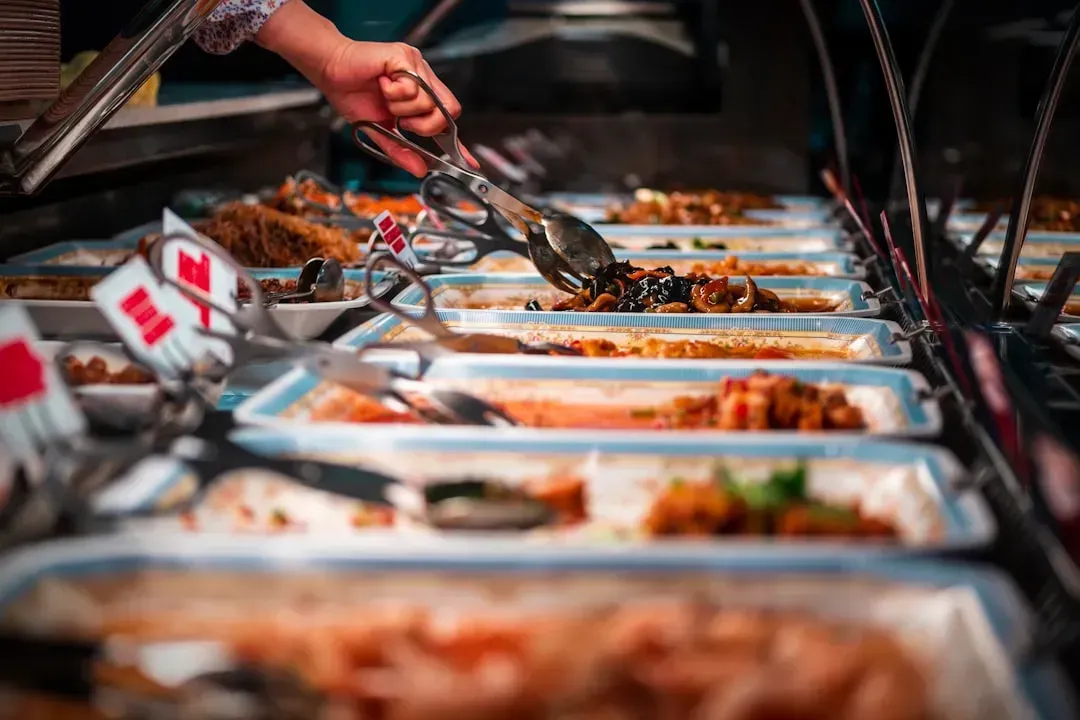
Long before “endless” anything became a marketing gimmick, Beefsteak Charlie’s had already built its identity around unlimited food and drink. Beefsteak Charlie’s was more of a regional chain, with more than 60 locations on the East Coast, and it offered an all-you-can-eat salad bar, shrimp, and unlimited beer, wine, and sangria. It had almost 70 locations in 1984, making it a genuine dinner destination rather than a quick pit stop.
Financial trouble arrived fast once the chain overextended itself. By 1987, 20 restaurants had closed and the company had lost 20 million dollars before an acquisition. In 1989 it had to file for bankruptcy and was down to just a few dozen locations, managing to hold on throughout the 1990s before its footprint gradually dwindled and it eventually shut down for good. Its last long-running locations closed by 2001, ending a run that had stretched back nearly a century in some form.
Why these chains disappeared while others survived
Why these chains disappeared while others survived (Image Credits: Unsplash)
Looking at these five together, a pattern starts to show up more than any single scandal or bankruptcy filing. Overexpansion shows up again and again, whether it was Burger Chef’s rapid national rollout or Kenny Rogers Roasters ballooning to hundreds of locations within just a few years. Growing too fast, too soon, often left these chains financially fragile right as bigger, better-capitalized competitors like McDonald’s, Burger King, and KFC tightened their grip on the market.
Food safety incidents and shifting consumer habits did the rest. Chi-Chi’s collapse traces directly to a single contamination event, while Beefsteak Charlie’s and Rax simply lost ground as tastes moved toward faster, cheaper, and more consistent dining options. None of these chains failed because people stopped loving them. They failed because the business side of running a national restaurant chain is brutally unforgiving, even when the food itself still has fans decades later.