
You pack your suitcase, and somewhere between the souvenirs and the extra pair of shoes, you tuck in a small treat from home. Maybe it's a jar of your grandmother's sauce, a few mangoes from a roadside stand, or some cured meat picked up at a market abroad. It feels harmless. It usually isn't.
Every year, U.S. Customs and Border Protection intercepts millions of food items that travelers assumed were fine to bring along. Some of these rules sound almost absurd until you understand the reasoning behind them, and once you do, the whole picture of why border agriculture inspections exist starts to make a lot more sense.
Cured and Fresh Meats From Abroad
Cured and Fresh Meats From Abroad (Image Credits: Unsplash)
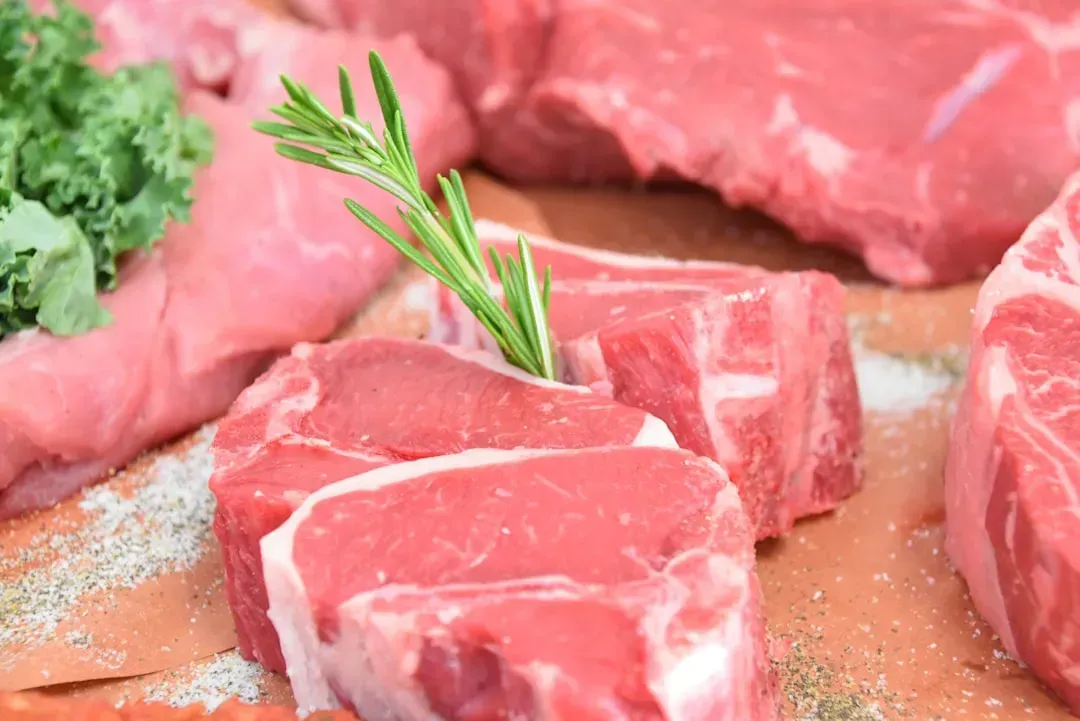
Meat is probably the single biggest source of confusion at U.S. ports of entry. The regulations governing meat and meat products are stringent, and travelers may not import fresh, dried or canned meats or meat products from most foreign countries into the United States. That includes items many people consider “processed” or safe, like sausages, jerky, or canned meat dishes from home.
Even well-known delicacies aren’t exempt. Cured hams such as prosciutto, Serrano ham, Iberian ham, and salami from areas within France, Germany, Italy and Spain may not be brought into the United States by travelers, and these items may only enter through commercial shipments with special certification. A widely reported case at LAX made this painfully real: 450 prohibited pork meat tamales were discovered by CBP agriculture specialists working at the airport, wrapped in plastic bags inside a passenger’s luggage. The traveler had declared bringing food but denied it contained pork when asked directly, and the tamales were seized and destroyed on the spot.
Fresh Fruits and Vegetables With Hidden Pests
Fresh Fruits and Vegetables With Hidden Pests (Image Credits: Pixabay)
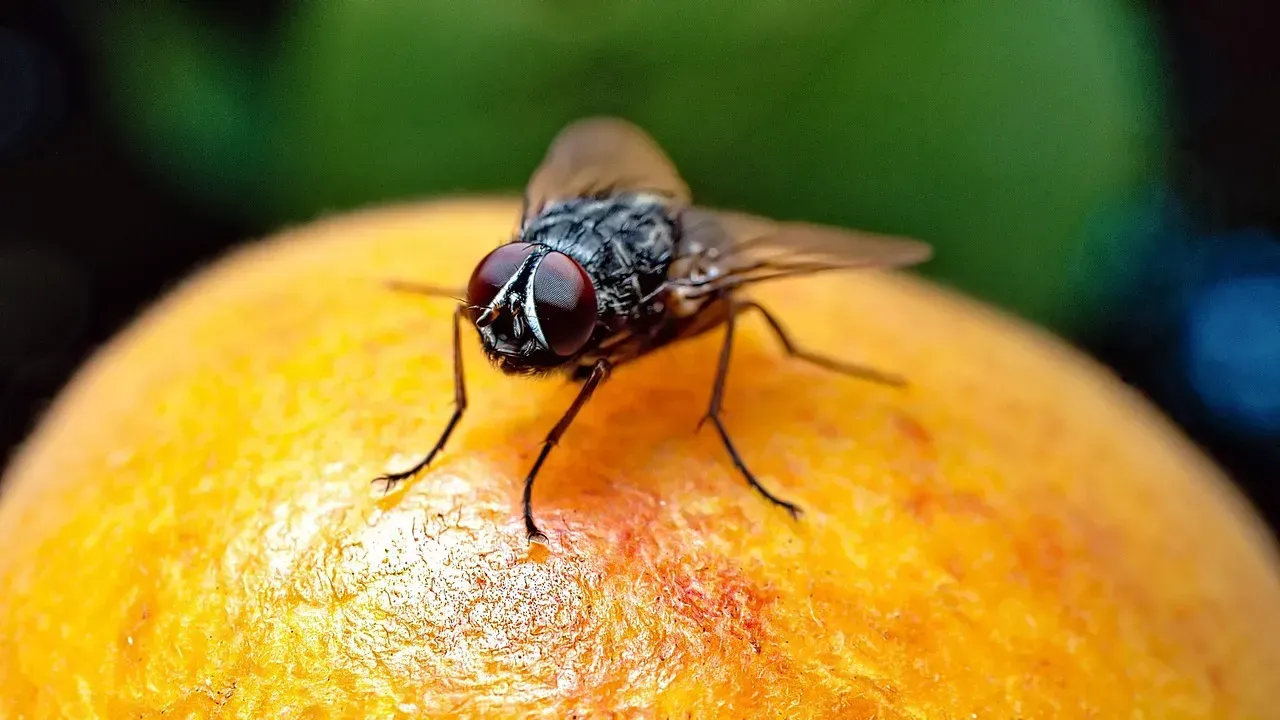
Fruit seems like the most innocent item you could pack, which is exactly why so many travelers get caught off guard. The concern isn’t the fruit itself. As one travel resource put it, the risk isn’t the fruit itself; it’s the insects, larvae, and plant diseases that can hide inside or on the skin.
Even fruit that looks perfectly ripe can carry an invisible threat. A mango bought at a local market in a neighboring country may be confiscated even if it looks perfectly ripe and safe, because it carries a risk of fruit flies or quarantine pests. There are narrow exceptions depending on origin, since mangoes, stone fruit, apples, oranges, guavas, and sweet limes from Mexico require a USDA permit and special treatment before entry. Without that paperwork, the fruit almost always gets tossed at the border, no matter how carefully it was packed.
Home Canned and Homemade Foods
Home Canned and Homemade Foods (Image Credits: Unsplash)
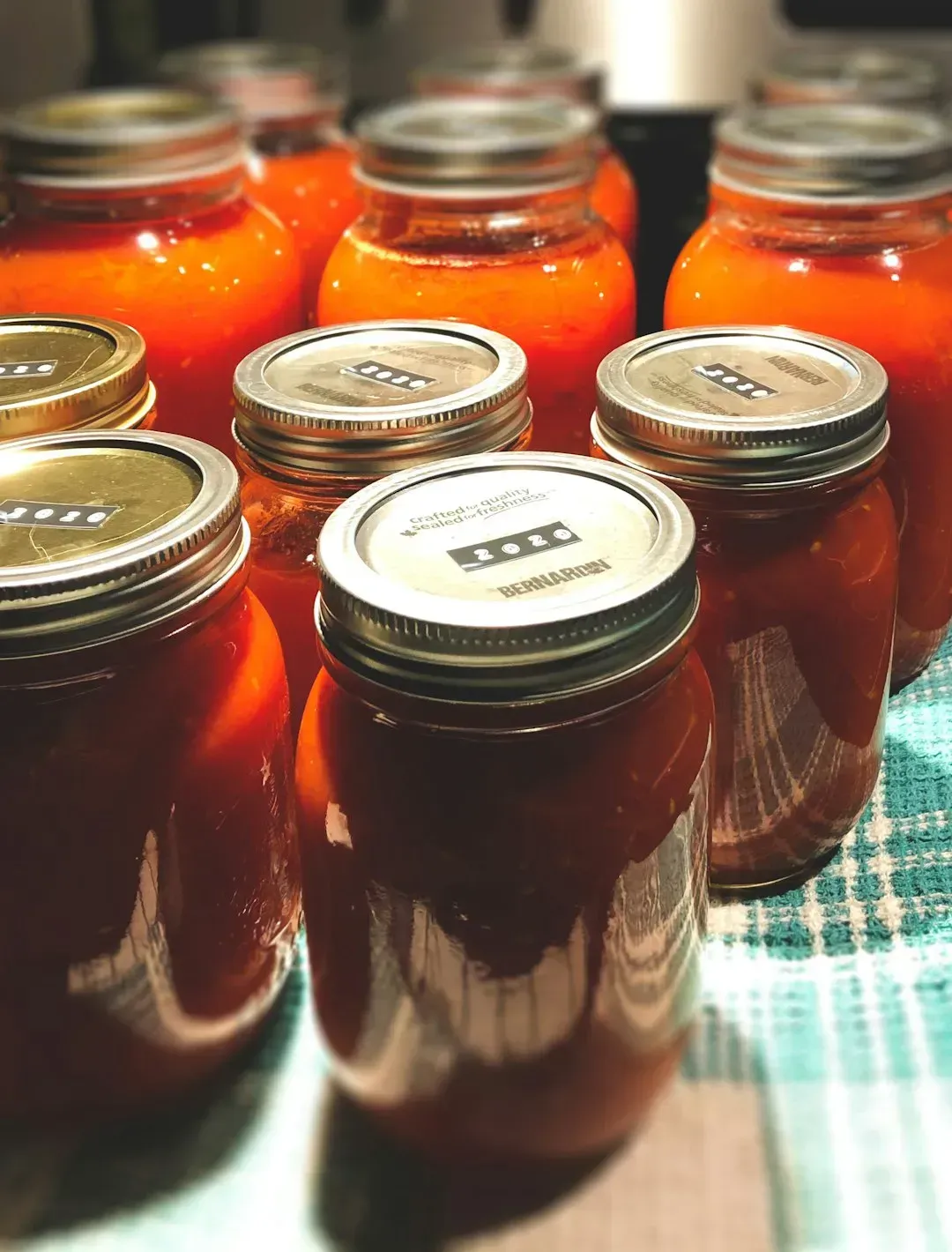
This is the category that trips up the most well-meaning travelers, often people bringing food made by a relative rather than bought in a store. Home-canned anything is not allowed, because the USDA prohibits home-canned products since canning practices can’t be verified and may not eliminate disease risks. It doesn’t matter how carefully grandma sealed the jar. If it wasn’t produced under regulated commercial conditions, CBP has no way to confirm it’s safe.
The problem often comes down to a lack of labeling. The core issue is identification, since a CBP officer looking at unlabeled home-canned sauce, dried seasoning, or homemade snacks has no way to verify the ingredients or origin, and if they can’t verify it, they will almost certainly confiscate it. Homemade baked goods fare slightly better, but only under narrow conditions. Homemade baked goods without meat, fresh fruit, or restricted ingredients may pass at a CBP officer’s discretion, though there is no guarantee.
Why These Rules Exist in the First Place
Why These Rules Exist in the First Place (Image Credits: Unsplash)
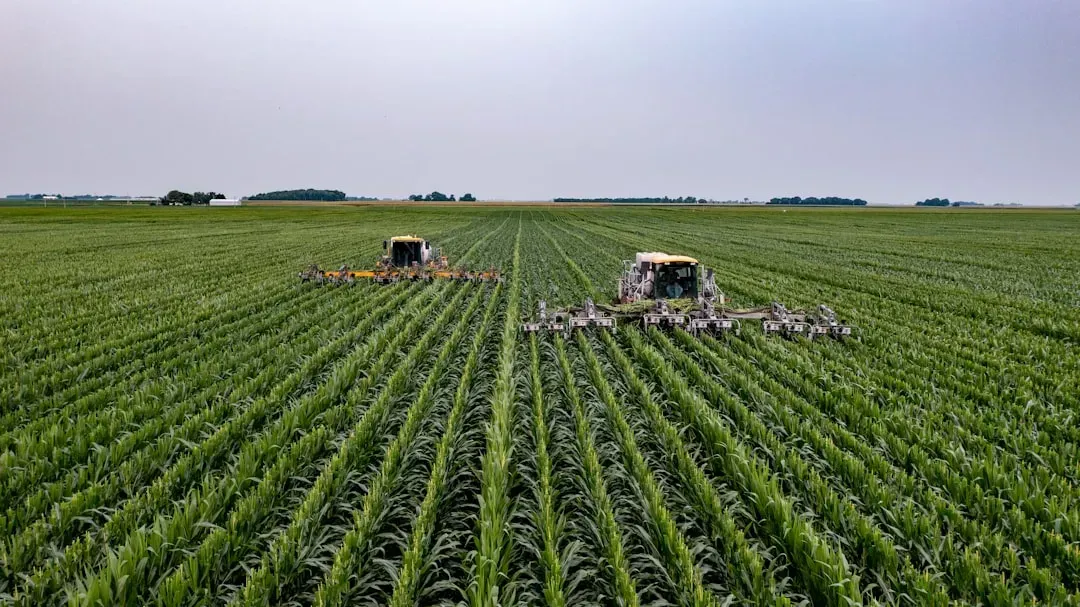
None of this is arbitrary bureaucracy. The core justification is agricultural protection, not food safety in the way most people think of it. Some animal diseases can be highly contagious and could cause severe economic damage to livestock, leading to increased costs for meat and dairy products, while plant pests and invasive material can cause crop loss and damage lawns, ornamental plants, and trees.
The scale of the problem has grown substantially in recent years. Reporting from 2026 indicates CBP recorded a record 3.2 million agricultural interceptions at ports of entry, up roughly 18 percent from 2022, with fruits, vegetables, and meat containing snacks accounting for about 62 percent of cases. That’s not a niche enforcement issue anymore. It’s one of the most common reasons travelers get pulled aside for secondary inspection.
What Happens if You Get Caught
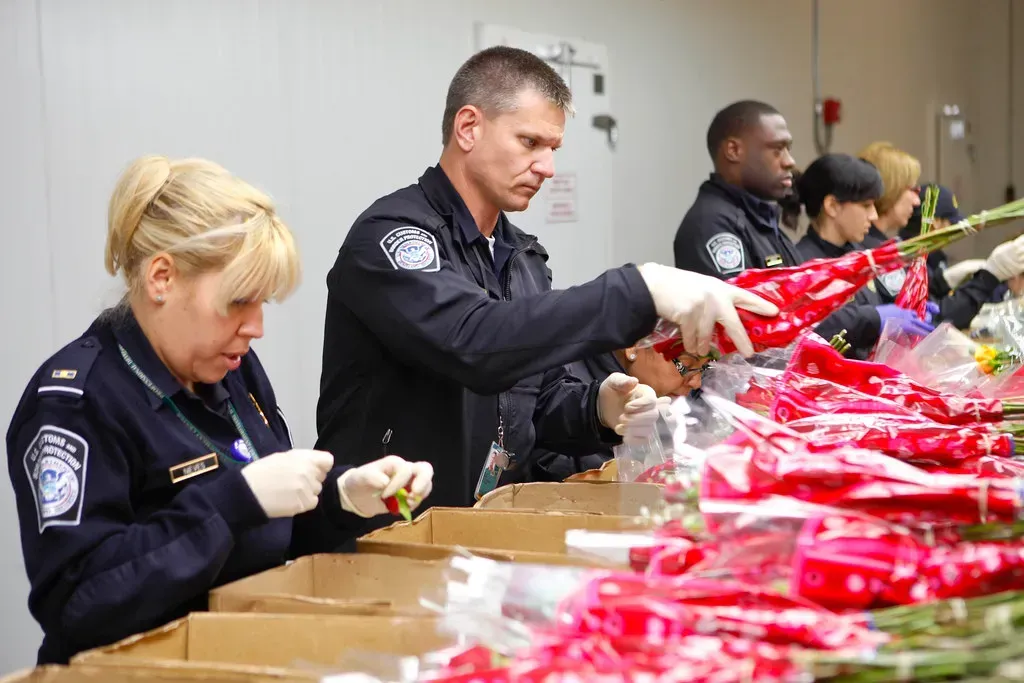
What Happens if You Get Caught (Image Credits: Flickr)
The declaration form is the make or break moment at the border, and skipping it or lying on it turns a minor mistake into a real violation. Travelers entering the United States must declare all agricultural or wildlife products to CBP officials, and must also disclose if they visited a farm or were in contact with animals before traveling. Declaring an item honestly, even if it turns out to be prohibited, generally results in a much softer outcome than hiding it.
The financial risk of skipping that step is real. Prohibited items that are not declared by passengers are confiscated and disposed of by CBP agriculture specialists, and civil penalties may be assessed for failure to declare, ranging up to $1,000 per first time offense for non commercial quantities. For anyone using a Global Entry kiosk, the declaration is still mandatory. All travelers entering the United States, including Global Entry members, must complete a declaration. Meanwhile, awareness gaps remain surprisingly common. A 2025 survey of 1,430 international travelers at major U.S. airports found that 41 percent did not realize standard fresh fruit gifts were banned, and another 27 percent assumed pre-packaged meat snacks were acceptable if sealed.
Final Thoughts
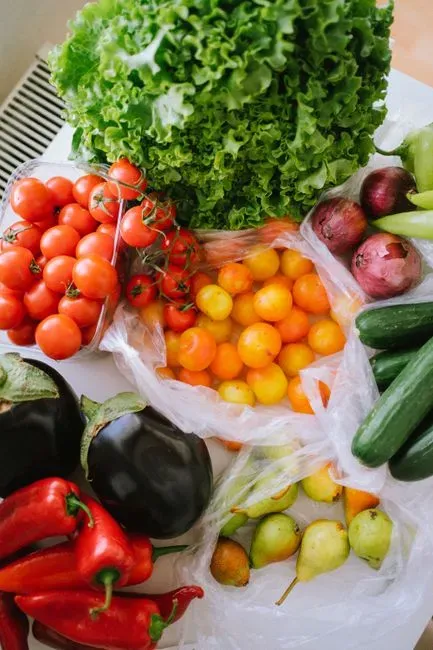
Final Thoughts (Image Credits: Pexels)
None of these three categories, meat, fresh produce, and homemade food, are banned out of pettiness. They exist because a single overlooked mango or an undeclared package of ham has, historically, been enough to introduce pests or diseases that cost the agricultural industry real money and real damage. The declaration form on every incoming flight or border crossing is short for a reason.
The safest approach is simple, even if it feels overly cautious. When in doubt, declare it, ask the officer, and let them make the call rather than making it yourself. It takes a few extra seconds and saves you from a fine, a confiscation, or a much longer conversation than you planned on having at the border.