
There’s something quietly striking about a person who makes everyone around them feel at ease. They don’t necessarily say the most, spend the most, or work the hardest to impress. They just seem to operate with an awareness of others that most people have slowly lost touch with. It’s not magic. It’s manners.
According to psychology professor Ronald E. Riggio, our society is largely growing more selfish and self-centered, putting their own convenience and needs above everyone else’s. It’s these kinds of respectful, empathetic interactions with people that truly boost our well-being and happiness, and a lack of manners is slowly sabotaging our ability to show up in them well. The habits below aren’t complicated. Most of us were taught them at some point. The question is whether we still practice them.
1. They Put Their Phone Away During Conversations
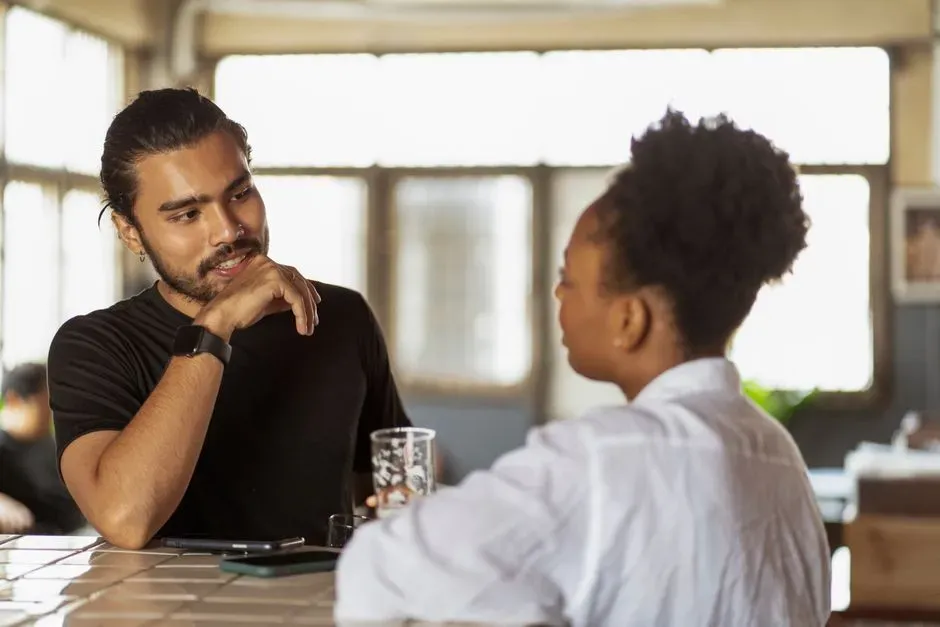
1. They Put Their Phone Away During Conversations (Image Credits: Pexels)
Few things signal disrespect more efficiently than a glance at a screen mid-conversation. It sends a wordless message that whatever’s on that device is more important than the person standing in front of you. Polite people understand this deeply, and they act accordingly.
Disrespectful phone use and difficulty maintaining eye contact reveal a significant shift in behavior from the etiquette of the past. Every major news outlet and academic study conclude that manners and etiquette are on the decline for varying reasons, which has alarming ramifications. Putting the phone face-down or out of sight entirely isn’t an inconvenience. It’s one of the most direct ways to show another person they matter.
2. They Say Please and Thank You, Genuinely

2. They Say Please and Thank You, Genuinely (Image Credits: Pexels)
Saying “please” and “thank you” is the oil that keeps polite society running smoothly. They’re often the first rule we teach children, yet adults often forget to use these simple niceties. That forgetting tends to be gradual. Routines take over, entitlement creeps in, and gratitude becomes an afterthought rather than a reflex.
A study from Social Psychology Quarterly found that the number of people regularly using “please” and “thank you” in conversations is steadily decreasing. Whether it’s rising narcissism in a status-driven society or a general aura of entitlement, people don’t seem to care about this basic level of consideration anymore. Truly polite people don’t use these phrases as filler. They mean them, and the people receiving them can always tell the difference.
3. They Make Real Eye Contact
3. They Make Real Eye Contact (Image Credits: Pexels)
Eye contact is one of the oldest and most reliable signals of genuine attention. When someone looks at you while you speak, not scanning the room, not checking their watch, it registers immediately. You feel heard. That’s not a small thing.
In many Western societies, maintaining eye contact is associated with politeness, confidence, and honesty. It plays a vital role in interpersonal interactions, where speakers and listeners navigate the nuances of gaze to demonstrate attentiveness and engagement. Research published in Education Week in 2024 found that kids are getting worse at making eye contact, a trend that’s beginning to carry over into adult life as screen habits reshape how people relate to one another face to face.
4. They Respond to Invitations and Messages Promptly
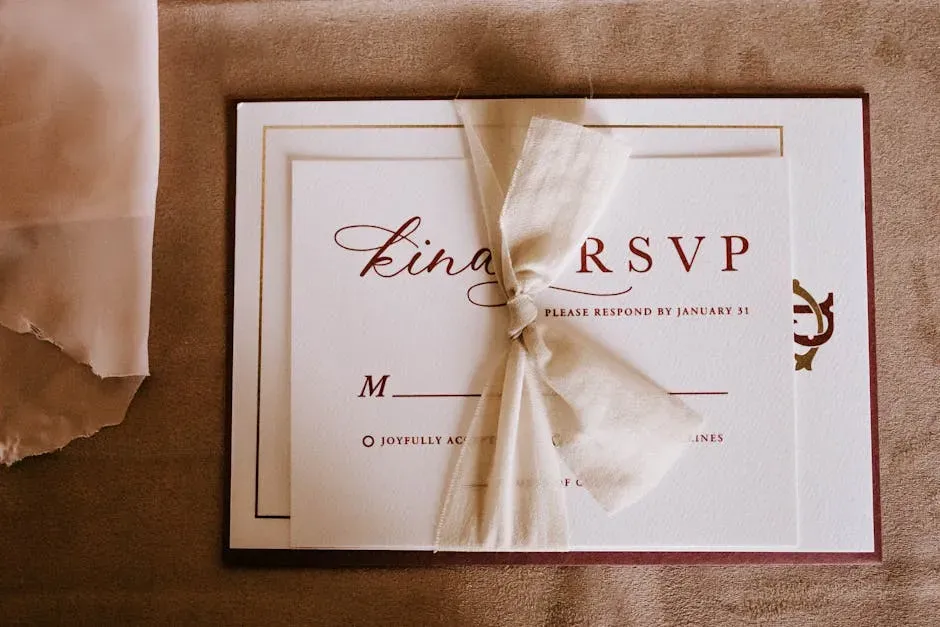
4. They Respond to Invitations and Messages Promptly (Image Credits: Pexels)
Leaving someone waiting on a reply, whether it’s an RSVP, a message, or a simple question, is a quiet form of discourtesy. It signals that your time matters more than their effort in reaching out. Polite people treat a timely response as a basic form of respect.
Showing genuine gratitude is timeless etiquette that never goes out of style. Appreciation through genuine gestures and timely acknowledgment remains one of the most valued social behaviors. At its core, good etiquette is the oil that keeps society running smoothly, and something as simple as responding promptly prevents that small friction from building into something larger over time.
5. They Listen Without Interrupting
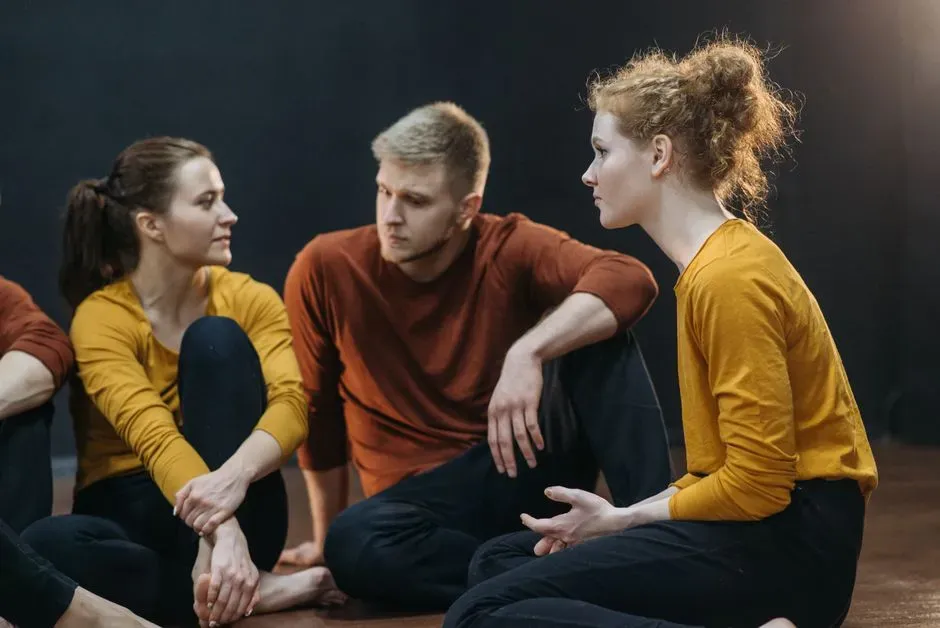
5. They Listen Without Interrupting (Image Credits: Pexels)
Interrupting is one of those habits that people rarely notice in themselves but always notice in others. It cuts off thought, derails meaning, and tells the speaker that their words aren’t worth the wait. Polite people practice restraint in conversation, even when they’re eager to respond.
Interrupting sabotages the flow of conversations and often rewards the most overconfident, loud people. Because many people struggle with basic social skills from a lack of practice, this norm is becoming less prominent in everyday interactions. Real listening means holding your response until the other person is finished, not just pausing until there’s an opening. That distinction is smaller than it sounds, and rarer than it should be.
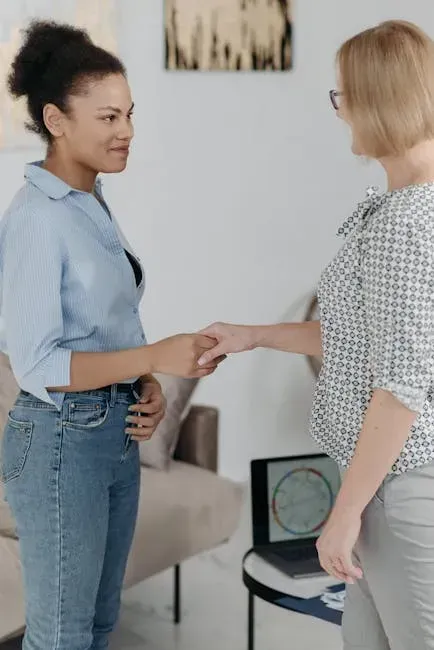
6. They Acknowledge People They Pass or Greet
6. They Acknowledge People They Pass or Greet (Image Credits: Pexels)
There’s a version of everyday courtesy that involves almost no effort: a nod to a neighbor, a brief smile to a cashier, a word of thanks to a person holding a door. Polite people do these things automatically, not because they’re performing niceness, but because acknowledging others is second nature to them.
Good etiquette is about making people comfortable. From holding the door open for strangers to letting guests eat first when hosting, many people are too caught up in their own needs and desires to consider a collective respect for others with traditional manners. Those small public acknowledgments aren’t trivial. They’re the texture of a decent shared life, and their absence is noticed more than their presence.
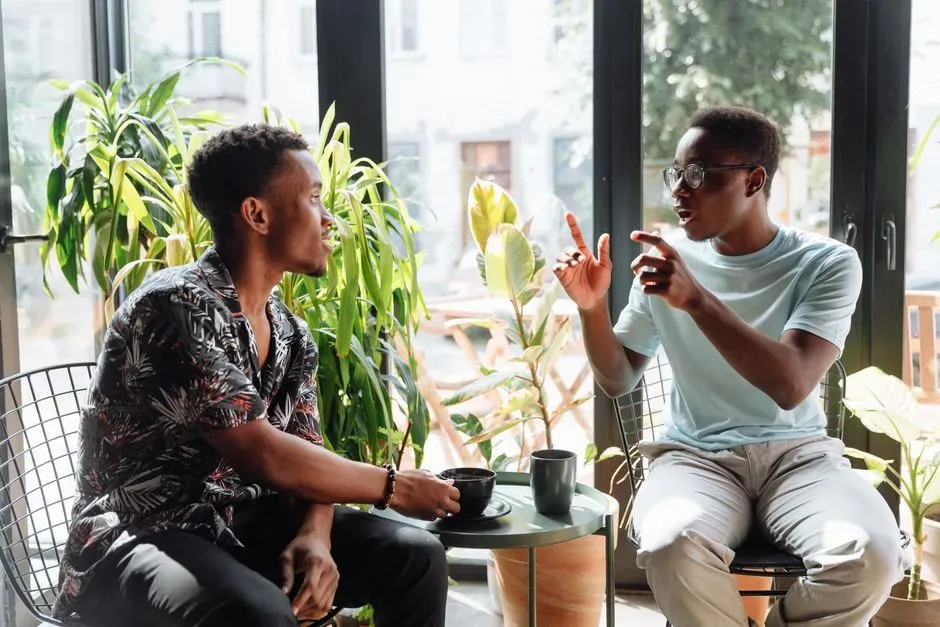
7. They Don't Make Others Feel Small in Conversation
7. They Don't Make Others Feel Small in Conversation (Image Credits: Pexels)
Polite people resist the urge to correct, one-up, or undercut. They understand that making someone feel small in conversation, even subtly, leaves a mark. The habit of humility in social settings is one of the more quietly powerful things a person can practice.
You never need to point out a weak link. The ironic truth is that pointing out someone else’s fault or weakness actually shifts negative attention onto you. Status drives modern culture, whether it’s defined by material things, money, or time. Many people have been socialized into seeking and prioritizing status above all else. So it’s not surprising that basic manners like humility in conversations are slowly disappearing.
8. They Respect Personal Space and Physical Boundaries
8. They Respect Personal Space and Physical Boundaries (Image Credits: Pexels)
Awareness of personal space is a form of consideration that’s easy to overlook, especially in busy or social settings where proximity is unavoidable. Polite people read physical cues well. They don’t crowd, hover, or invade without invitation, and they adjust naturally when someone seems uncomfortable.
Beyond a handshake, polite people make it a habit not to touch others or physically invade their space. Being aware of personal space is a social etiquette practice that has real consequences for how comfortable people feel in interactions. It’s a kind of physical attentiveness, the body-language equivalent of listening well, and it signals that a person is genuinely thinking about the other person’s experience, not just their own.
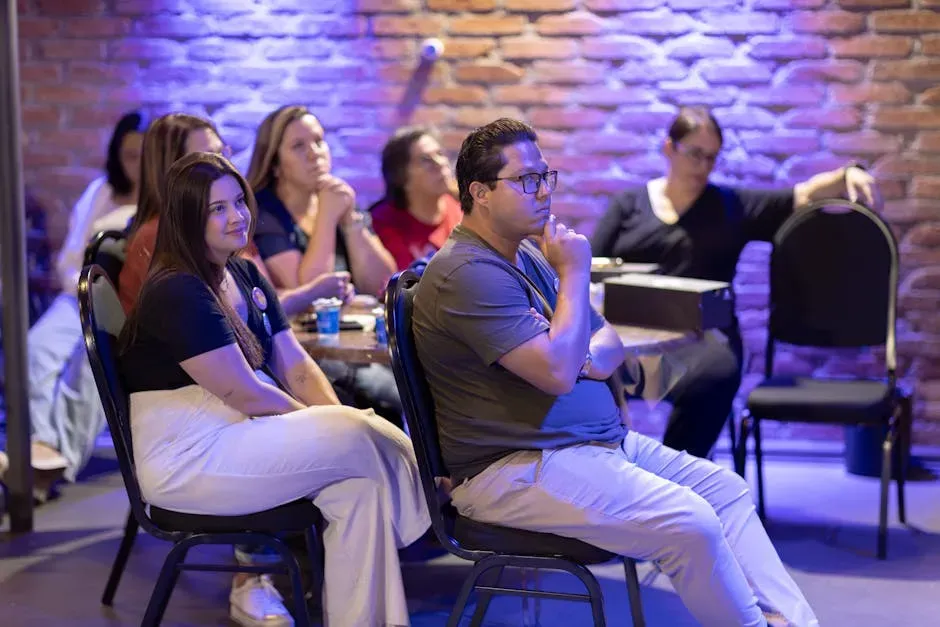
9. They Are Genuinely Present in Social Situations
9. They Are Genuinely Present in Social Situations (Image Credits: Pexels)
This one ties the others together. Truly polite people aren’t just running through a checklist of behaviors. They’re actually present. They’re tracking the conversation, reading the room, noticing when someone’s been left out or when the mood has shifted. That kind of attentiveness can’t be faked for long.
How you present yourself, your attentiveness, warmth, timing, and read of the room, shapes how others perceive you within seconds, and that perception has real consequences for your relationships, your career, and your reputation. The principles behind good etiquette are grounded in psychology, and understanding them changes how you approach every interaction. Presence, real presence, is increasingly rare in a world built to fragment attention. When someone offers it freely, it’s felt immediately, and remembered long after the conversation ends.
Politeness, at its core, has never been about rigid rules or formal ceremony. What we call “good manners” are really a list of agreed-upon social rules that let everyone know what to expect when interacting with others. Knowing these ground rules isn’t just about being polite – it’s about how to be kind and gracious in every situation. The habits above are small. None of them require much time, money, or effort. What they do require is a consistent willingness to think about the people around you. That willingness, practiced daily, is what separates someone who is merely present from someone who is genuinely good to be around.