
A decade ago, the predictable bets on American economic growth were the coastal giants: San Francisco, New York, Seattle. Capital flowed where it always had. Then something shifted. Remote work cracked the geography of opportunity wide open, federal industrial policy redirected billions toward the interior of the country, and an entirely new generation of workers started choosing quality of life over zip code prestige.
The result is a map that looks genuinely different from 2015. The nine cities below aren’t merely growing – they’re changing what they’re built around, who they attract, and what wealth looks like inside their borders over the coming decade. Some of these transformations are already well underway. Others are still in the foundation-pouring stage, which is precisely what makes them worth watching.
1. Nashville, Tennessee: The Healthcare Capital Reinventing Itself as a Tech City
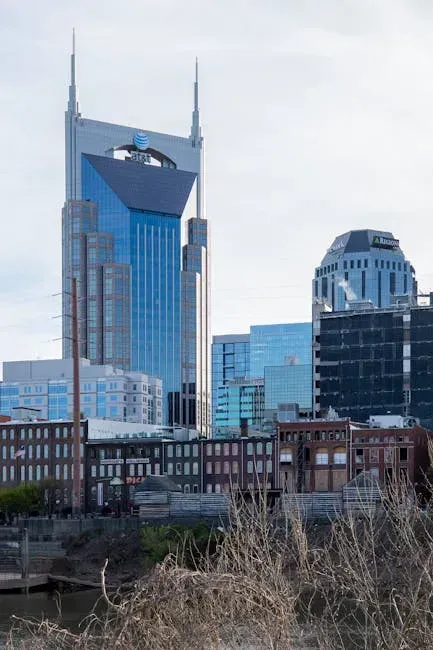
1. Nashville, Tennessee: The Healthcare Capital Reinventing Itself as a Tech City (Image Credits: Pexels)
Nashville’s healthcare economy generates more than $100 billion in annual revenue across over 500 companies, and it’s home to HCA Healthcare’s global headquarters and Vanderbilt University Medical Center’s research enterprise. That concentration is now drawing a second wave of investment from the technology sector. Oracle has developed a $1.4 billion Nashville campus for its global headquarters, and Amazon has leased over one million square feet of office space downtown, on top of a $230 million East Coast operations hub opened in 2018.
The Milken Institute reported 14 percent job growth in Nashville from 2018 to 2023, just one of many factors contributing to its strong economy. Tennessee charges no state income tax, which remains a meaningful draw for professionals relocating from higher-tax states. The combination of deep healthcare infrastructure, arriving tech giants, and a no-income-tax environment creates a compound advantage that few cities can match heading into the 2030s.
2. Columbus, Ohio: The Silicon Heartland Is Not a Marketing Slogan
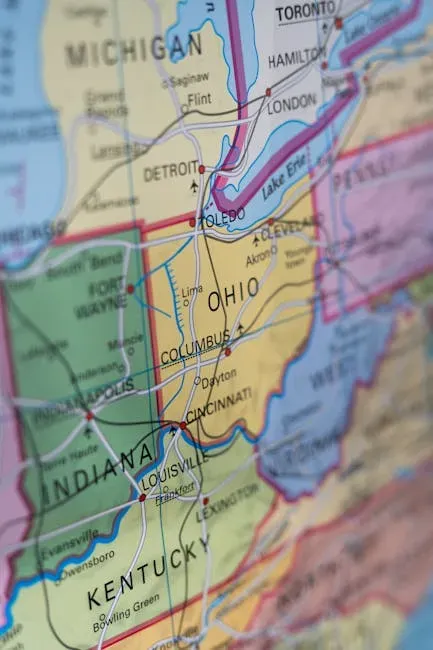
2. Columbus, Ohio: The Silicon Heartland Is Not a Marketing Slogan (Image Credits: Pexels)
Dubbed “The Silicon Heartland,” Columbus has earned its spot among top economic movers, driven by affordability and a diversified economy. The anchor investment is enormous. Phase I of Intel’s New Albany project, the largest in Ohio’s history, is expected to create about 3,000 jobs within the company, over 7,000 union construction jobs, and an estimated 10,000 indirect jobs. That kind of supply-chain spillover tends to reshape a regional economy for a generation.
Intel has said the project is expected to add $2.8 billion to Ohio’s annual GDP. The workforce around Columbus is already well prepared to accommodate a surge in new demand from the semiconductor industry, with thriving programs at Lorain County Community College in microelectronic manufacturing offering degrees from certificates to four-year bachelor’s degrees. The financial story of Columbus in the next decade won’t look like the Rust Belt recovery story of the last one. It will look like a semiconductor cluster finding its footing.
3. Raleigh, North Carolina: Three Universities and a Research Engine
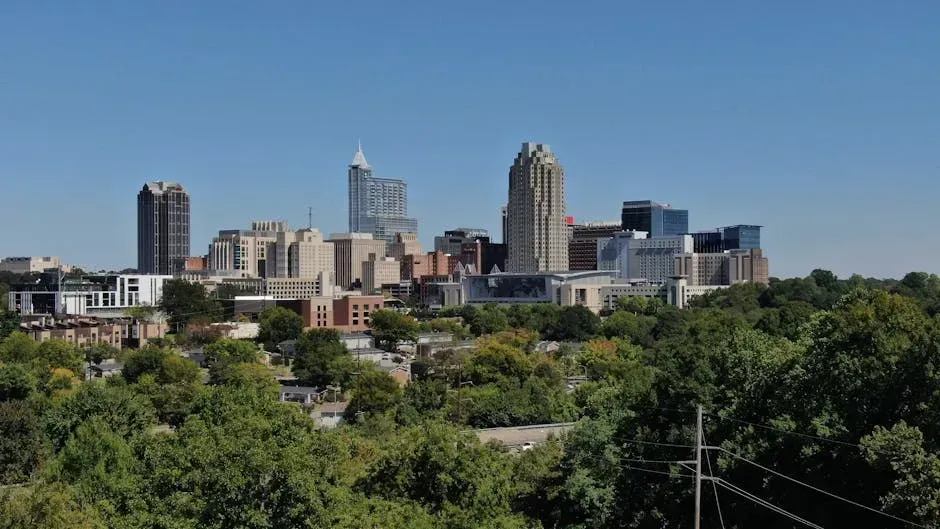
3. Raleigh, North Carolina: Three Universities and a Research Engine (Image Credits: Pexels)
Raleigh was named the best-performing large metropolitan area in the 2025 Milken Institute Best-Performing Cities report, taking the top spot following two consecutive years of strong performance. The engine behind that ranking is structural rather than cyclical. The Research Triangle continues to attract major employers in technology, healthcare, and education sectors, and with three major universities and a highly educated workforce, Raleigh-Durham offers investors stable growth and strong rental demand.
Supported by companies like IBM and Cisco, Raleigh-Durham offers stability and growth, and the region’s affordability, top-tier universities, and healthy rental market attract both families and investors looking for long-term returns. Unlike some Sun Belt cities that are growing fast but anchored primarily in one sector, the Research Triangle’s diversity acts as a buffer. When one industry cools, another tends to absorb the slack. That resilience is increasingly rare in fast-growing American metros.
4. Phoenix, Arizona: Sun Belt Scale Meets Semiconductor Ambition

4. Phoenix, Arizona: Sun Belt Scale Meets Semiconductor Ambition (Image Credits: Unsplash)
Phoenix’s booming economy has made it one of America’s fastest-growing cities. Its unemployment rate dropped from 3.8 percent in July 2024 to 3.4 percent in January 2025, and tech jobs grew at roughly 13 percent, positioning it to dominate the tech sector. The semiconductor investment story here runs deep. Arizona leads all states with $61.7 billion in announced semiconductor investment, with all 14 projects concentrated in the Phoenix area.
Phoenix maintains its appeal due to affordability and job creation across manufacturing, logistics, and tech, and has seen roughly an 81 percent increase in home values over the last decade. Large corporations including Intel and Amazon contribute to a growing housing demand across both owner-occupied and rental properties. Phoenix is arguably the most scaled of the transformation cities on this list – it’s not emerging, it’s already mid-surge – which means the money story of the next decade is really about consolidation and deepening, not just arrival.
5. Charlotte, North Carolina: Finance Hub Expanding Its Portfolio
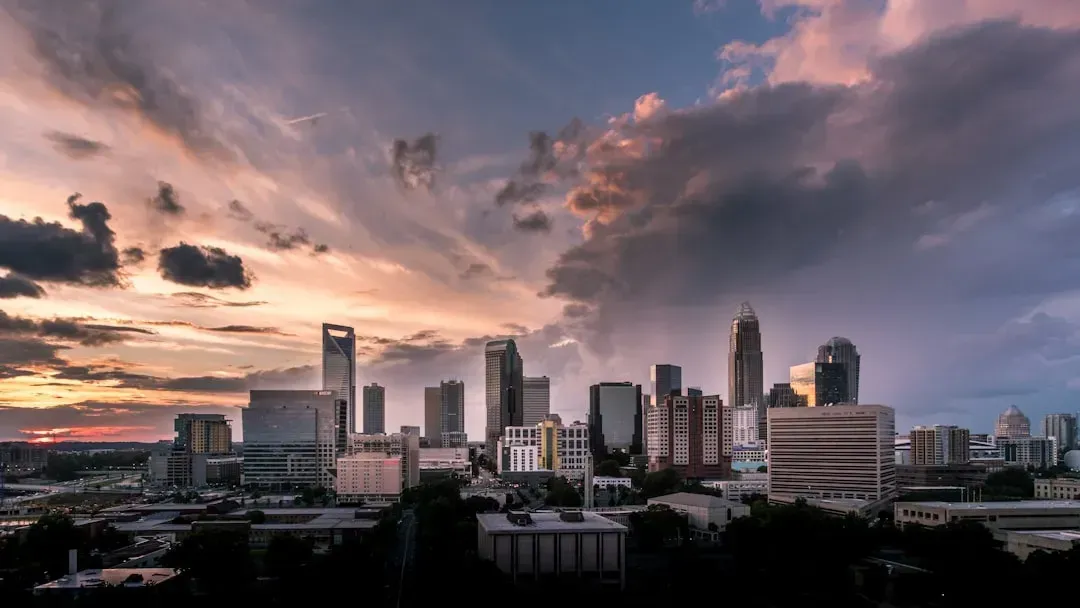
5. Charlotte, North Carolina: Finance Hub Expanding Its Portfolio (Image Credits: Unsplash)
Charlotte is a major financial hub, home to Bank of America’s headquarters and the second-largest banking center in the United States after New York City. That foundation is now being layered over with technology and professional services growth that is gradually diversifying the city’s economic base. Charlotte is a financial hub with a booming job market particularly in banking and tech, home prices are expected to appreciate in 2025, and rental demand is increasing due to an influx of young professionals.
Charlotte has witnessed a construction boom dating back to 1982, but the current wave feels categorically different. The city hosts headquarters or eastern operations units of seven companies belonging to the Fortune 500. The wealth profile of Charlotte in 2035 will likely reflect a city that started as a banking town and quietly became something closer to a mid-Atlantic financial and tech crossroads – with housing prices still well below what coastal peers charge for comparable careers.
6. Austin, Texas: Still Growing, Now Consolidating
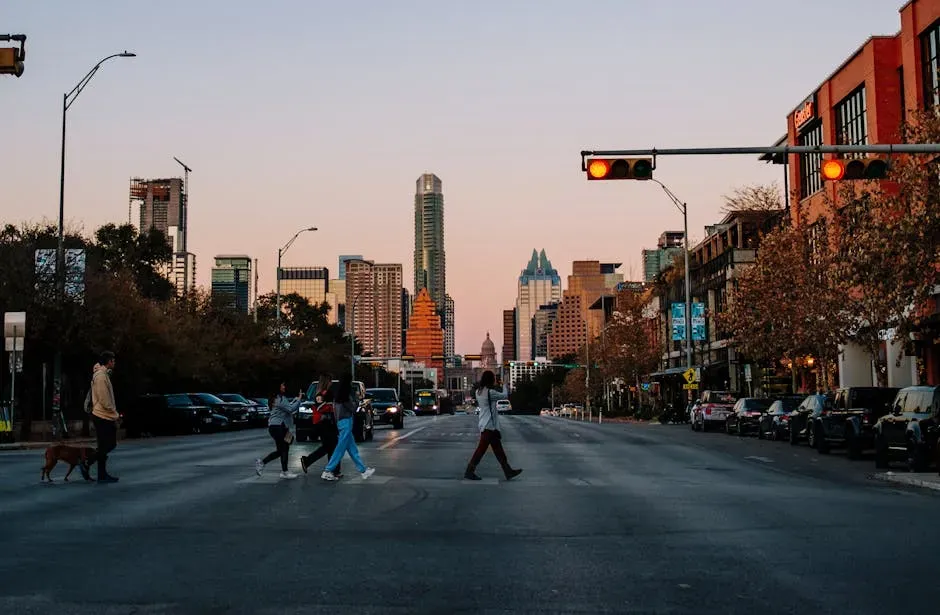
6. Austin, Texas: Still Growing, Now Consolidating (Image Credits: Pexels)
Austin remains a standout in the current real estate landscape, with over 150 new residents arriving daily. With tech giants like Tesla, Apple, and Google expanding operations, housing supply remains tight, and rental yields are attractive for long-term investors, while median home prices continue to climb, supported by robust employment growth. The city’s growth has been so rapid that some corners of the market cooled after 2022, giving way to a slightly more measured pace of appreciation.
Leander, just outside Austin, led all small cities nationally with 6.2 percent growth. The city sits on a MetroRail line that reaches downtown Austin in 45 minutes, so commuters keep Austin salaries while paying Hill Country prices. This suburban expansion pattern is one of the defining economic stories of the region. Austin proper is maturing; its surrounding metro is still in full expansion mode, and the financial opportunity for the next decade lives at that boundary – not necessarily downtown.
7. Tampa, Florida: Diversification Beyond the Beach
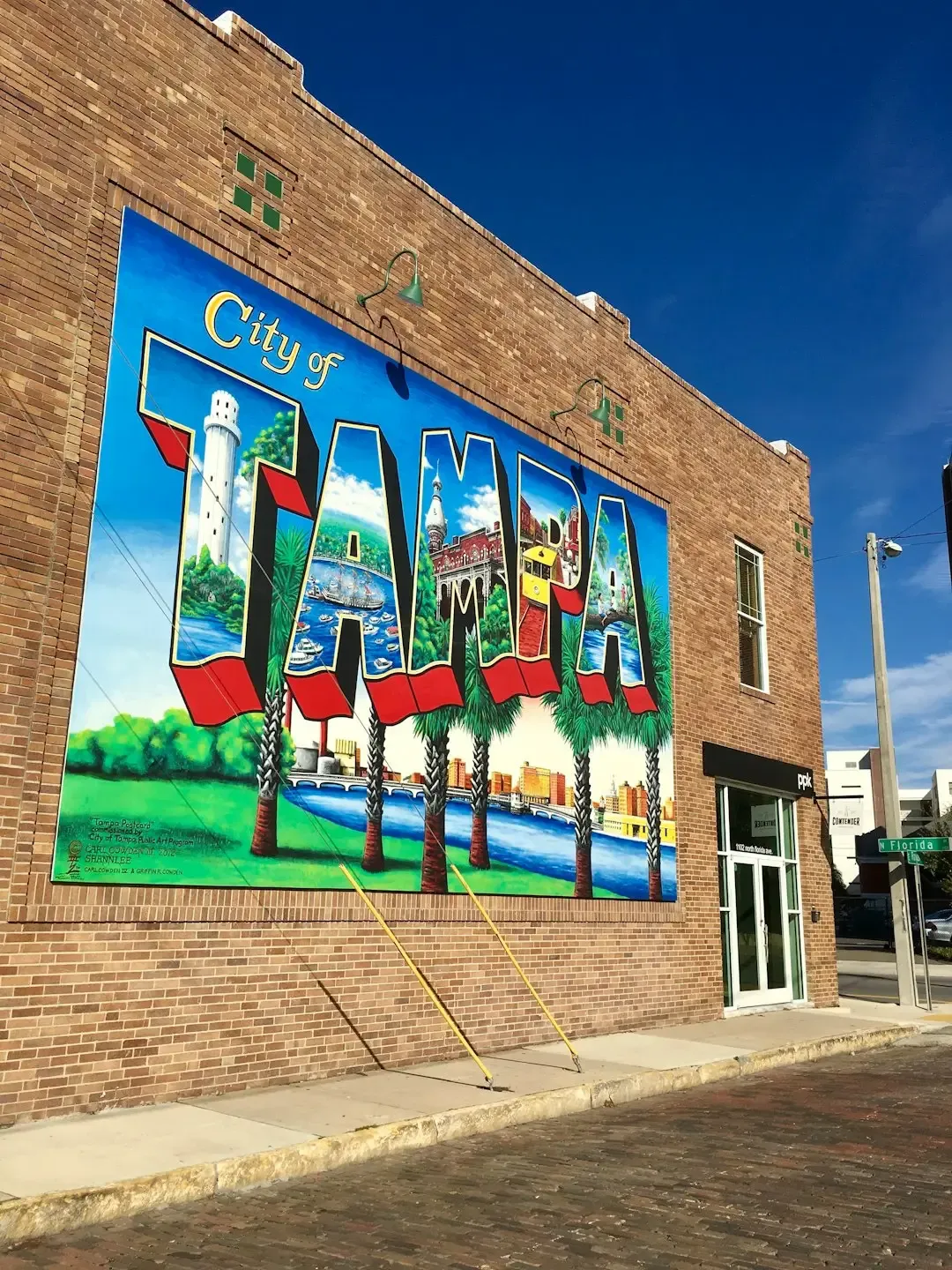
7. Tampa, Florida: Diversification Beyond the Beach (Image Credits: Unsplash)
Tampa’s economy is a standout among Florida metro areas, known for its financial sector strength and no state income tax. The city’s job growth has outpaced the national average, with population growing at 1.5 percent annually over the past decade. The median home sale price in December 2019 was $245,000. Five years later, that figure had risen by nearly 70 percent, reaching a median price of $415,000 in December 2024.
Tampa ranks as the fourth most diverse job market among 390 metropolitan statistical areas. That diversification matters more than it once did, because housing costs jumped 66 percent from 2020 to 2024, and rising homeowner’s insurance rates are adding financial pressure, with Tampa now among the top ten cities nationally for insurance costs. The next decade of money in Tampa will partly be a story of how the city handles those headwinds while keeping its growth story intact.
8. Boise, Idaho: The West Coast Escape Valve That Became Its Own Thing

8. Boise, Idaho: The West Coast Escape Valve That Became Its Own Thing (Image Credits: Pexels)
Boise continues its impressive growth trajectory with a projected 7.2 percent property value appreciation for 2025. The city’s combination of outdoor lifestyle, growing tech sector, and relative affordability compared to West Coast markets makes it a standout investment opportunity. Since 2021, homebuying has surged in Boise as remote workers from all over the Western United States relocated there. The median home value grew by nearly $100,000 from December 2020 to December 2021 alone.
Boise’s rental yield and strong return on investment reflect a premium market with solid fundamentals, with teams recommending condos or single-family rentals in areas like Harris Ranch, leveraging Boise’s tech boom and no state income tax. What separates Boise from other migration-destination cities is its emerging identity as a genuine tech hub rather than simply a cheaper alternative. The city is beginning to generate its own economic gravity rather than merely borrowing it from California.
9. Atlanta, Georgia: The Quiet Giant Picking Up Speed
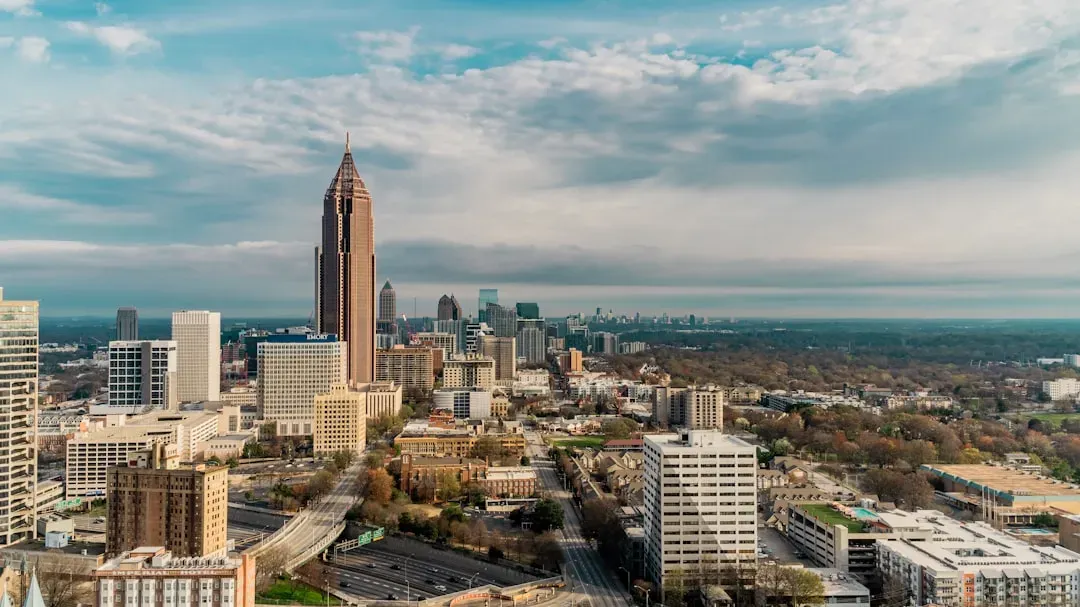
9. Atlanta, Georgia: The Quiet Giant Picking Up Speed (Image Credits: Unsplash)
Atlanta’s metro area has seen rapid population growth due to its booming economy, strong job market, and appeal to young professionals and tech industries. Atlanta continues to attract new residents due to its diverse economic opportunities across technology, healthcare, and film production. The city often gets overshadowed in national economic conversations by the Sun Belt cities that generate more headlines – but Atlanta’s sheer scale gives it a compounding advantage that smaller metros lack.
Metropolitan areas are the driving engine of the U.S. economy, and in 2024, U.S. real gross domestic product grew by 2.8 percent, with more than 94 percent of that growth resulting from increased economic activity in metropolitan areas. Atlanta’s metro consistently lands in the top tier of that activity. The remote work revolution continues to influence housing markets, with secondary cities benefiting from migration away from expensive coastal hubs, and cities with strong digital infrastructure, outdoor amenities, and lower costs of living are capturing these relocating professionals. Atlanta checks all of those boxes, and it does so at a size that generates its own economic weather rather than simply responding to national trends.
What ties these nine cities together isn’t a single industry or a shared geographic identity. It’s the convergence of population inflows, deliberate industrial investment, and a cost structure that still leaves room for upside. The decade ahead won’t simply reward the biggest cities. It will reward the most purposefully positioned ones – and that is a genuinely different kind of race than the one American cities were running ten years ago.