
Spend enough time studying generational behavior and one thing becomes quickly obvious: the clothes people wear are rarely just about aesthetics. They carry history, values, economic anxieties, social signals, and sometimes a quiet defiance. From the way a Baby Boomer reaches for a blazer to the way a Gen Alpha kid stacks headbands and Longchamp totes, dress is a surprisingly faithful window into what each cohort actually believes about the world.
Generational fashion research isn’t about stereotyping. It’s about recognizing patterns that emerge from shared formative experiences – what you watched, what was affordable, what was rebellious, and what felt safe. What follows are thirteen consistent observations I’ve made across cohorts, backed by current data and behavioral research.
1. Gen Z Dresses for Authenticity, Not Approval
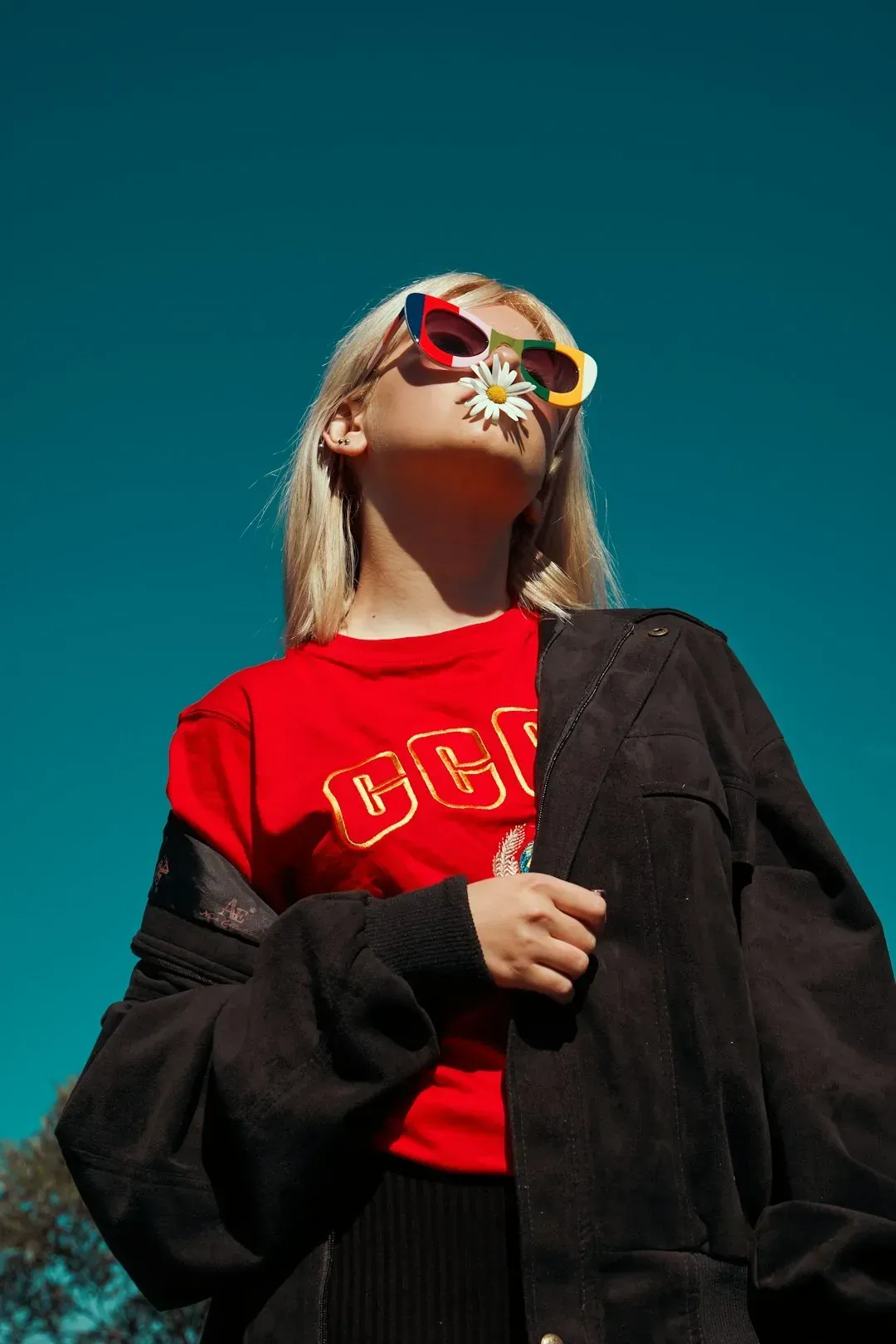
1. Gen Z Dresses for Authenticity, Not Approval (Image Credits: Unsplash)
Gen Z prioritizes authenticity, individuality, inclusivity, and social consciousness over legacy, labels, and even trends. This isn’t marketing language – it shows up in actual purchase decisions. They’ll thrift, upcycle, and mix high-low with complete confidence, treating every outfit as a communication rather than a performance.
For many young people in this cohort, getting dressed is a form of self-expression. A good outfit does more than look cool – it signals their taste, mood, values, and belonging. That layered intentionality is what makes Gen Z style feel so hard to pin down from the outside, and so coherent from within.
2. Millennials Still Reach for the Polished Middle Ground
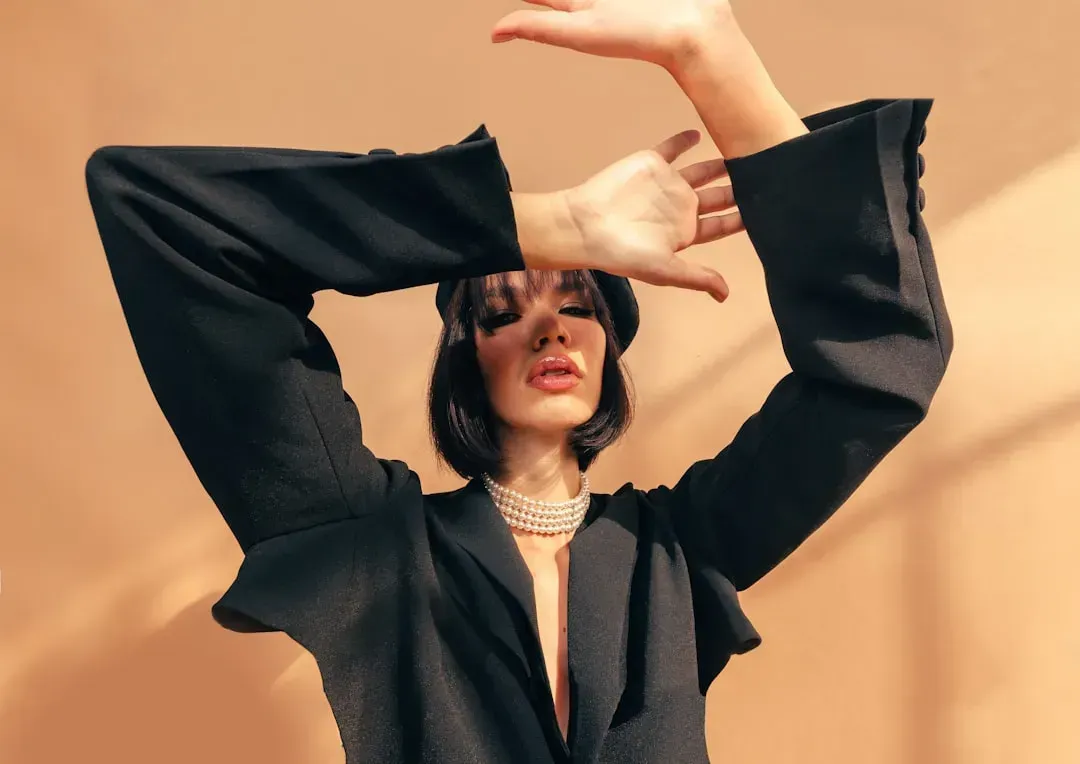
2. Millennials Still Reach for the Polished Middle Ground (Image Credits: Unsplash)
Millennials, who paved the way for the style bloggers and influencers of today, are facing a fashion identity crisis in 2025. Once trendsetters, their signature looks made with skinny jeans and fitted blazers are now labeled “outdated” by Gen Z. Yet within that tension sits something real: Millennials genuinely prize versatility and a clean, put-together silhouette.
Millennials prefer tailored and structured pieces – think high-waist trousers, blazers, and well-fitted denim for a polished vibe. Millennials are less interested than Gen Z in chasing trends. When asked to describe how they shop for clothing, the most distinctively Millennial answers are “I tend to stick to classic items” and “I don’t follow trends or fashions.”
3. Gen X Prizes Quality Over Quantity, Always
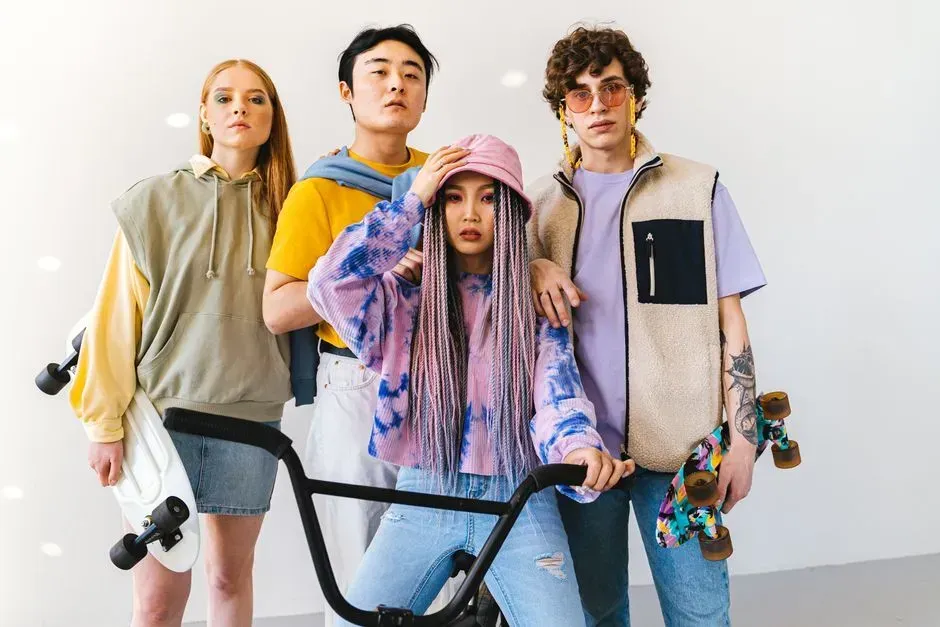
3. Gen X Prizes Quality Over Quantity, Always (Image Credits: Pexels)
In 2025, Generation X influences fashion through a mix of timelessness, nostalgia, and authenticity. Unlike younger consumers driven by constant novelty, Gen X prefers well-crafted, versatile pieces they can wear for years. They focus on quality and durability over quantity, making them naturally drawn to sustainable brands – provided those brands can prove their ethics and avoid greenwashing.
Casual chic staples, premium sneakers, and heritage denim are at the core of their wardrobes, reflecting a balance of style and practicality. Gen X came of age during grunge and corporate America simultaneously, and that contradiction never fully resolved – which is arguably why their wardrobes tend to be so interestingly layered.
4. Baby Boomers Dress for Comfort Without Sacrificing Elegance

4. Baby Boomers Dress for Comfort Without Sacrificing Elegance (Image Credits: Pexels)
Baby Boomers know that life is too short for uncomfortable clothes. In 2024, that doesn’t mean giving up on looking stylish – it’s all about elegant and comfortable pieces that never go out of style. Quality fabrics matter deeply to this generation. Expect luxurious fabrics like silk, cashmere, and soft cotton that are built to last.
Baby Boomer and Gen X customers are more focused on practicality and value. These shoppers look for price-driven incentives such as discounts and free shipping, and are also drawn to reliable sizing tools. Boomers also wield considerable spending power: Boomers’ spending power – roughly 70% of U.S. disposable income – drives brands to adopt multi-generational strategies, blending luxury resale with affordable basics.
5. Gen Z Is the Engine Behind the Secondhand Boom
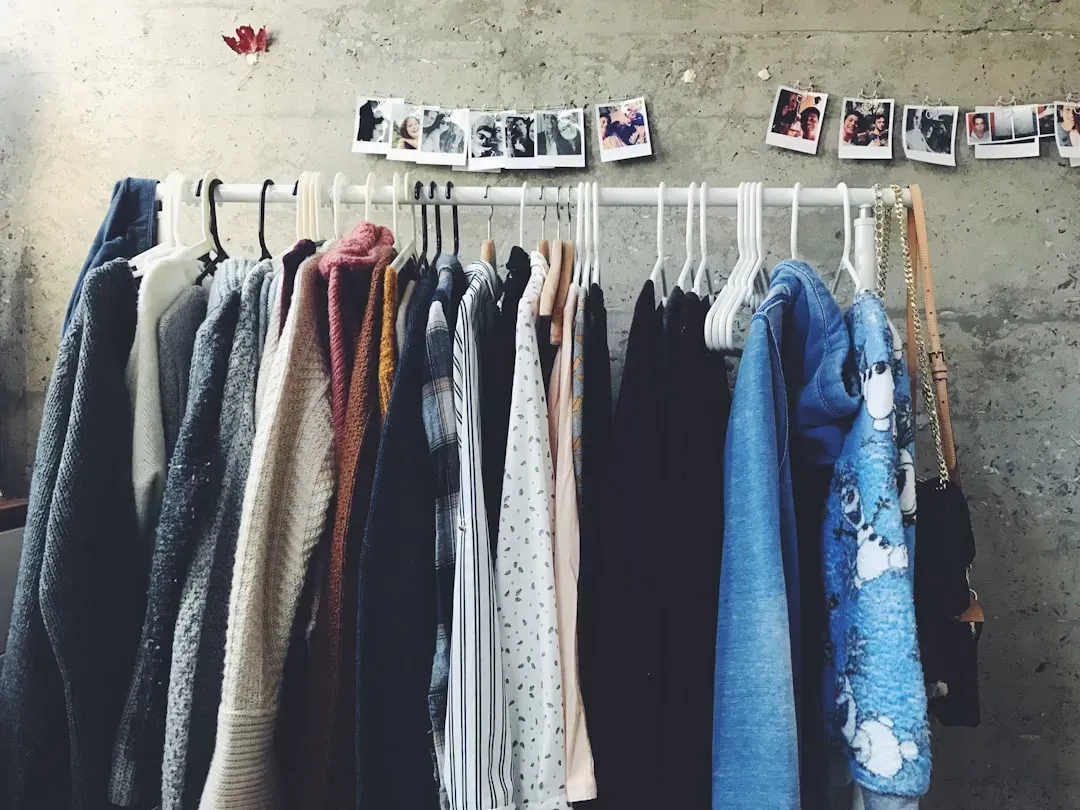
5. Gen Z Is the Engine Behind the Secondhand Boom (Image Credits: Unsplash)
Generation Z is reshaping fashion trends with a growing interest in vintage clothing. Although sustainability is often assumed to drive their choices, young consumers are the primary drivers of the global resale market, and Gen Z seems the most likely to buy second-hand and vintage fashion. The motivations are complex: part environmental, part self-expression, part nostalgia.
Younger shoppers are putting nearly half of their apparel budget toward the secondhand market. Unlike previous generations, Gen Z style is built from a mix of resale finds, trend-driven content, and pop culture references – that’s why Gen Z fashion feels so fluid. Platforms like Depop and ThredUp have become primary wardrobing tools, not just alternatives.
6. Gen Z Moves Through Micro-Trends at Extraordinary Speed
6. Gen Z Moves Through Micro-Trends at Extraordinary Speed (Image Credits: Unsplash)
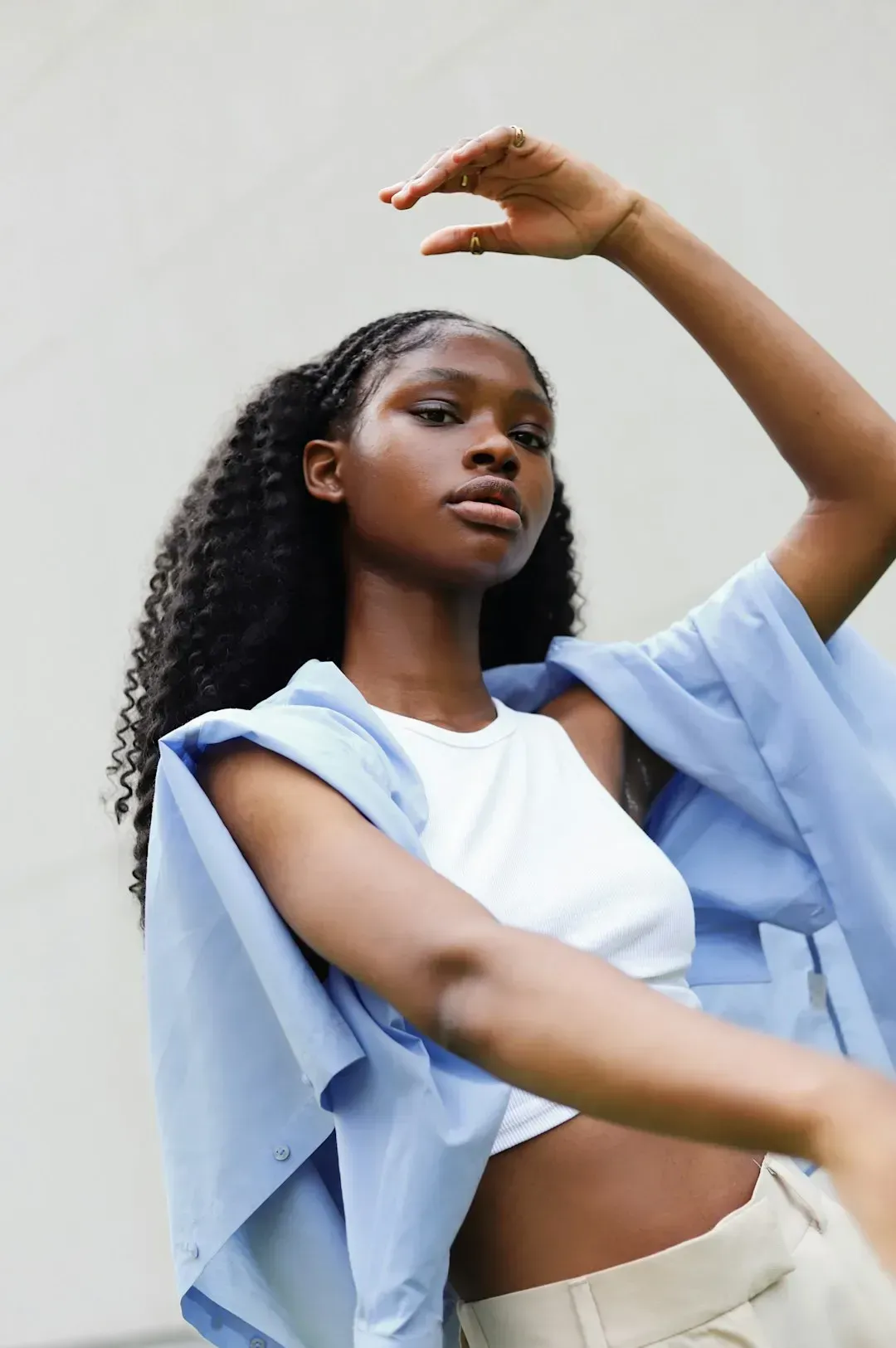
Gen Z fashion trends can become viral supernovas and then fade to black faster than many of us can follow. By the time headlines document fads such as the office siren or old money aesthetic, they’ve likely already become passé. This rapid cycling isn’t chaos – it reflects how identity formation happens in real time through social media rather than through seasonal fashion calendars.
Gen Z fashion trends can become viral supernovas and then fade to black faster than many of us can follow. The result is a generation that feels simultaneously ahead of and outside of traditional fashion systems – which makes them both the most influential and the most unpredictable cohort to study right now.
7. Gen X and Boomers Shop Seasonally and Deliberately

7. Gen X and Boomers Shop Seasonally and Deliberately (Image Credits: Unsplash)
Gen X is a planner. Unlike younger consumers who browse frequently and make impulsive purchases, this generation tends to schedule purchases around key seasons and life events. This isn’t indifference to fashion – it’s a fundamentally different relationship with consumption shaped by pre-digital shopping habits and financial caution.
Baby Boomer and Gen X customers are more focused on practicality and value. These shoppers look for price-driven incentives such as discounts and free shipping. Their more deliberate approach means they’re less likely to buy something trendy in October and discard it by December – a pattern that’s starting to look less like frugality and more like wisdom.
8. Millennials Are More Self-Conscious About Trends Than They Admit
8. Millennials Are More Self-Conscious About Trends Than They Admit (Image Credits: Unsplash)
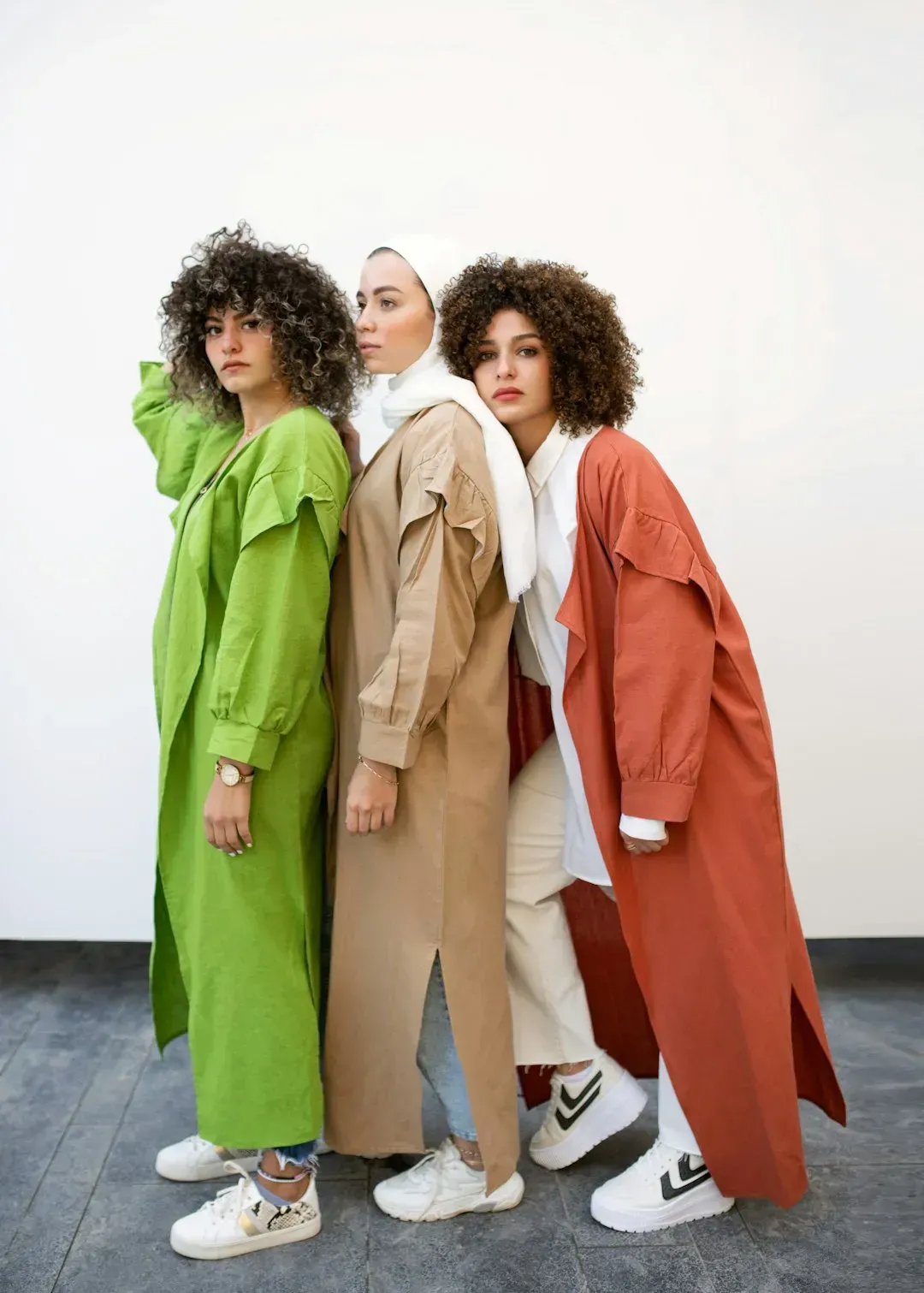
The three generations perceive their personal style differently. According to a YouGov poll, the majority of Millennial respondents considered themselves to be fashionable, whereas most Gen Xers did not think of themselves as stylish. That self-identification matters: it shapes how much energy a generation invests in keeping up, and how much anxiety it creates when they don’t.
Gen Z are the more self-consciously stylish generation. They’re more likely than Millennials to say they’re “more fashionable than most people” – roughly 49% versus 42% – and that they keep up with current trends. Still, Millennials remain far more trend-engaged than Gen X, and the gap becomes clearest in how they respond to online fashion content versus in-store experiences.
9. Gen Alpha Is Already Building a Distinct Fashion Identity
9. Gen Alpha Is Already Building a Distinct Fashion Identity (Image Credits: Pexels)
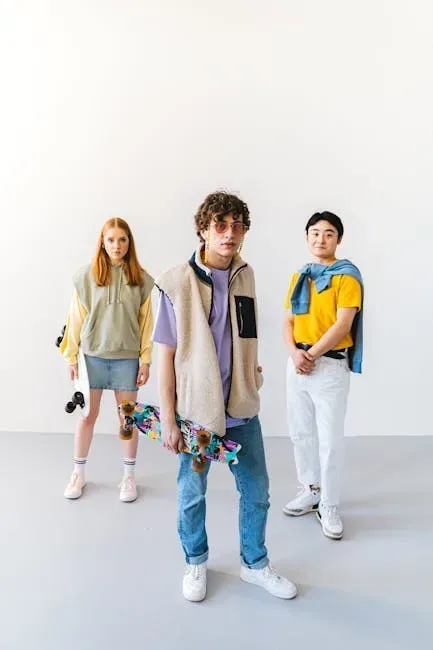
Born into a digital world and raised by environmentally conscious Millennial parents, Gen Alpha brings a unique perspective that’s reshaping youth style in unprecedented ways. Their fashion choices reflect a sophisticated blend of technological integration, sustainable values, and sensory-driven comfort that goes far beyond simple trend-following.
The Gen Alpha fashion market in 2025 was a dynamic space where digital influence, particularly from platforms like TikTok, plays a pivotal role in shaping consumer preferences and driving purchasing decisions. Comfort, individuality, and practical functionality are key themes. What’s notable is how quickly they’ve outpaced their parents in visual literacy – they can identify a micro-trend and reject it within the same week.
10. Silhouette Is the Sharpest Generational Dividing Line
10. Silhouette Is the Sharpest Generational Dividing Line (Image Credits: Pexels)
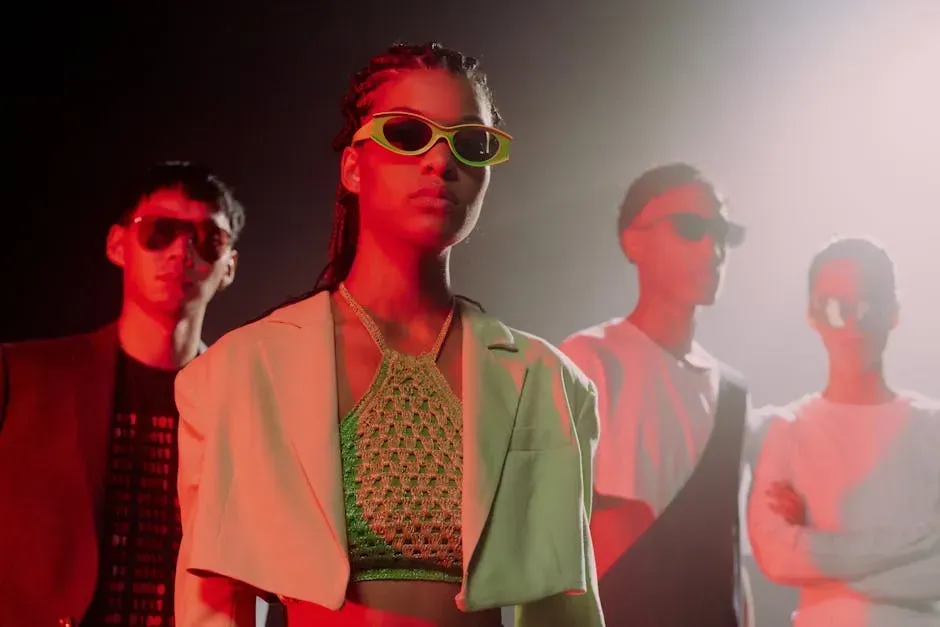
Gen Z finds Millennial style outdated because it is “too minimalistic, preppy, and corporate – think skinny jeans, tucked-in tops and blazers.” Meanwhile, Gen Z favors self-expression with bold accessories, nostalgic and eclectic styles of the Y2K era, looser fits, and if a more formal look is required, an oversized blazer rather than a fitted one.
Gen Z loves oversized fits – baggy t-shirts, cargos, and slouchy denim are their go-to pieces. Comfort plus statement is the mantra. For Millennials, the transition from skinny jeans to wider cuts has been gradual and sometimes reluctant. For Gen Z, that transition was never a debate – the slouchy silhouette was simply the default from the start.
11. Accessories Tell Generational Stories More Than Any Single Garment
11. Accessories Tell Generational Stories More Than Any Single Garment (Image Credits: Pexels)
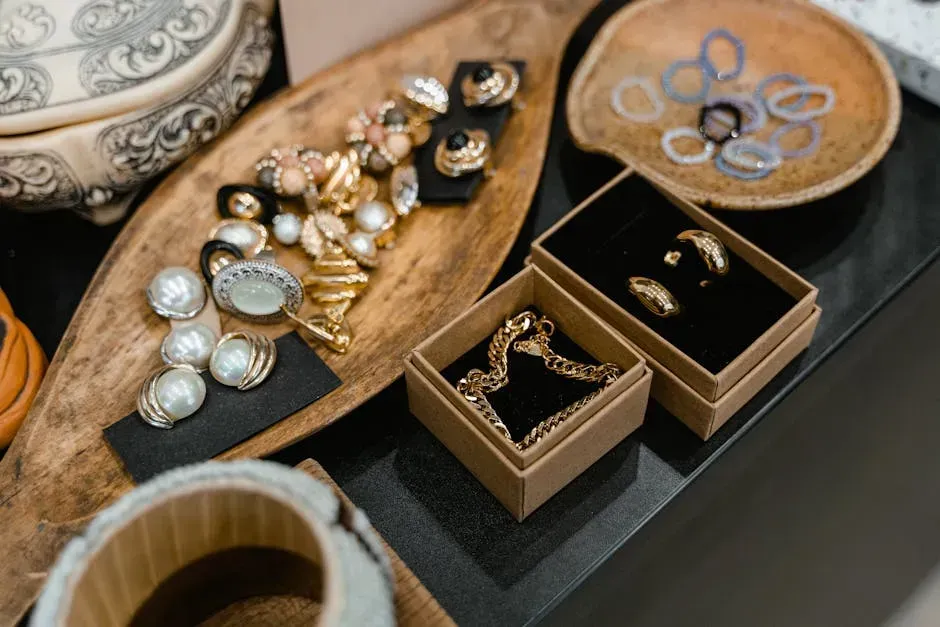
In 2026, Gen Z’s clothing style personality sits in the finishing touches. Accessories are carrying far more visual weight than they did in previous minimalist eras – charms, chunky jewelry, hats, unusual bags, and bold earrings are everywhere. This shift signals something worth paying attention to: when the clothes get simpler, the details start doing more work.
The Millennial style staples that creators frequently reference or poke fun at include heavier makeup looks, skinny jeans, fitted blazers, rose gold jewelry, and tucked-in tops. Meanwhile, Gen X tends toward fewer, more deliberate accessories – a well-worn leather watch, a heritage bag – chosen for longevity over statement. Every cohort telegraphs something through what they add to an outfit, not just what they choose as a base.
12. Sustainability Means Something Different to Each Generation
12. Sustainability Means Something Different to Each Generation (Image Credits: Pexels)
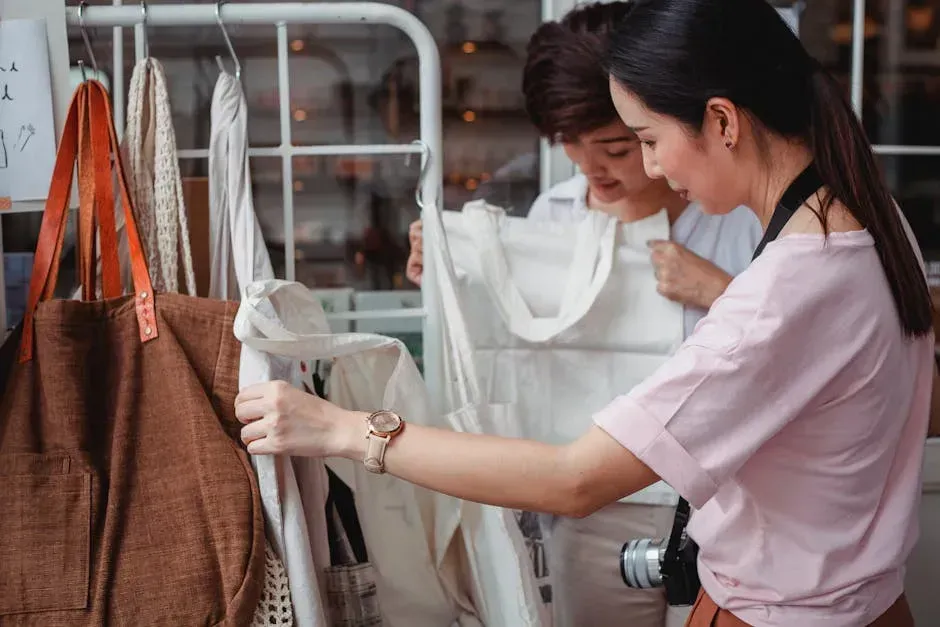
Gen Z is more attuned to social responsibility. They’re more likely to think that fashion brands should address social issues and that people who buy fast fashion don’t care about the environment. For Gen Z, sustainability isn’t a bonus feature – it’s a baseline expectation that shapes brand loyalty in a very direct way.
Gen X representatives favor durable, minimalist, and nostalgic fashion rooted in authenticity and sustainability. Boomers, meanwhile, tend to express sustainability through buying less but spending more per item on quality. The destination is similar across generations – but the reasoning and the emotional language around it are quite different, which matters if you’re trying to understand what drives actual purchasing behavior.
13. Gen Alpha Is Merging Physical and Digital Fashion in Ways No Generation Has Before

13. Gen Alpha Is Merging Physical and Digital Fashion in Ways No Generation Has Before (Image Credits: Pexels)
Digital fashion plays a significant role in how Gen Alpha dresses. These users value digital self-expression just as much as physical fashion, and they’re willing to invest in virtual fashion items to personalize their online identities, particularly in the environments of gaming and social media. Roblox and Fortnite are, quite literally, dressing rooms for this generation.
The boundary between physical and digital fashion dissolves as Gen Alpha embraces clothing that transforms through technology. Simple hoodies and t-shirts now feature subtle geometric patterns or QR-like codes that activate through smartphone AR filters, revealing animated graphics or hidden messages. Gen Alpha’s digital fluency, sustainability awareness, and evolving shopping habits will have profound implications for the second-hand clothing industry and really the entire concept of what a wardrobe is. No previous generation has had to define their style across two realities at once – and they seem entirely unbothered by that fact.
What ties these thirteen observations together is that fashion, across every generation, is really a record of what people needed to believe about themselves at a particular moment in time. Baby Boomers dressed through decades of sweeping cultural change. Gen X dressed through economic uncertainty and media fragmentation. Millennials dressed through the rise of the internet and the collapse of legacy gatekeepers. Gen Z and Gen Alpha are dressing through something harder to name – a kind of permanent fluidity – and their wardrobes reflect exactly that.