
Everyday bills in America are starting to look quite a bit different from what most people remember. Sure, these small extra charges added during payment or account management might’ve always been there, but a lot of Americans are wondering what the actual point of them is. A few Americans have said they’ve had enough. Here are eight everyday charges that Americans are finally questioning, and why.
Credit card surcharges at checkout
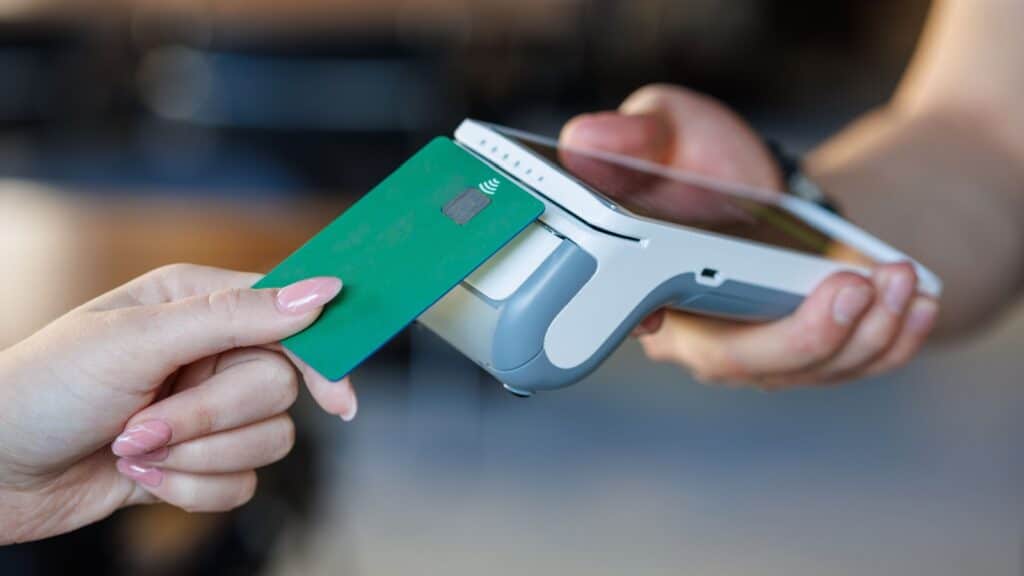
Quite a lot of cafés and small shops charge you for using your credit card, and they’ll often list it as a separate percentage or flat fee when you tap or swipe. It’s something that appears on the receipt as its own line instead of as part of the product price. However, that’s part of the problem for some Americans.
They now see two prices for the same item, with the only difference being in how they pay, and many Americans are tired of being charged more because of their payment methods. It’s not our fault that there’s a processing fee from the bank & the card network. So why should we be charged for it?
Rent payment convenience fees

Many renters use payment portals to pay their rent each month, but a lot of these systems include a processing fee for card payments & certain online transfers. It gets quite annoying. After all, renters have to pay that extra charge every single month, despite the fact that they’re simply paying rent instead of buying something completely new.
It’s a real shame because a lot of property managers have phased out checks. As such, renters feel as though they don’t have a real choice in how to pay, and they’re tired of being charged something that they feel they shouldn’t have to pay.
ATM surcharges on top of bank fees
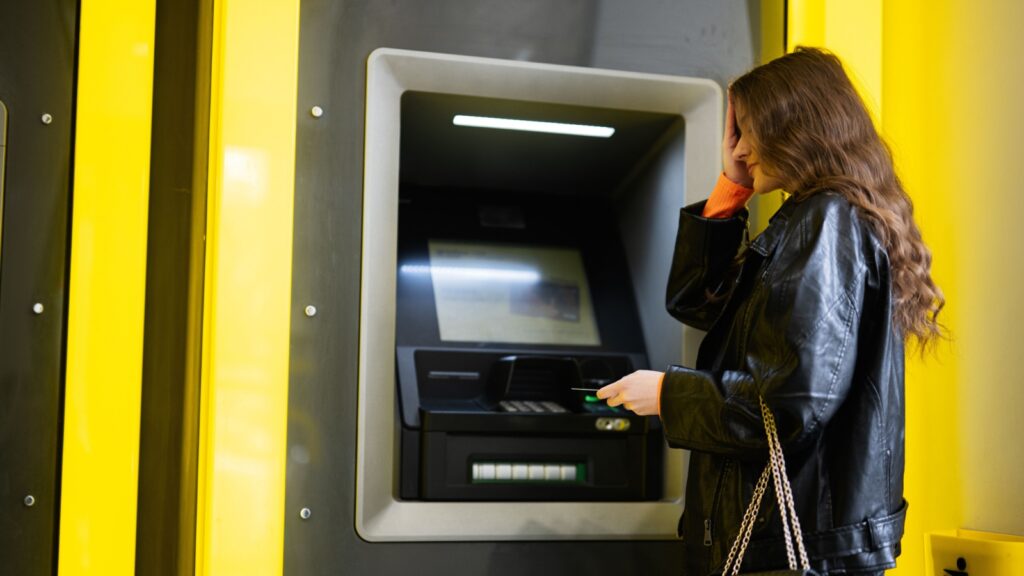
You could be hit by two charges when you pull cash from an ATM that’s not registered with your bank. The first comes from the machine owner, and the second comes from your bank. Of course, these double fees have existed for years, but warning screens are a little clearer about telling people about the surcharge before they withdraw the money.
That’s enough to make some people stop & reconsider. Really, it seems a little unfair that they’re being penalized for taking cash out, simply because the nearest ATM wasn’t from their bank. That seems more like an issue with the bank, rather than the person taking out cash.
Ticket processing fees
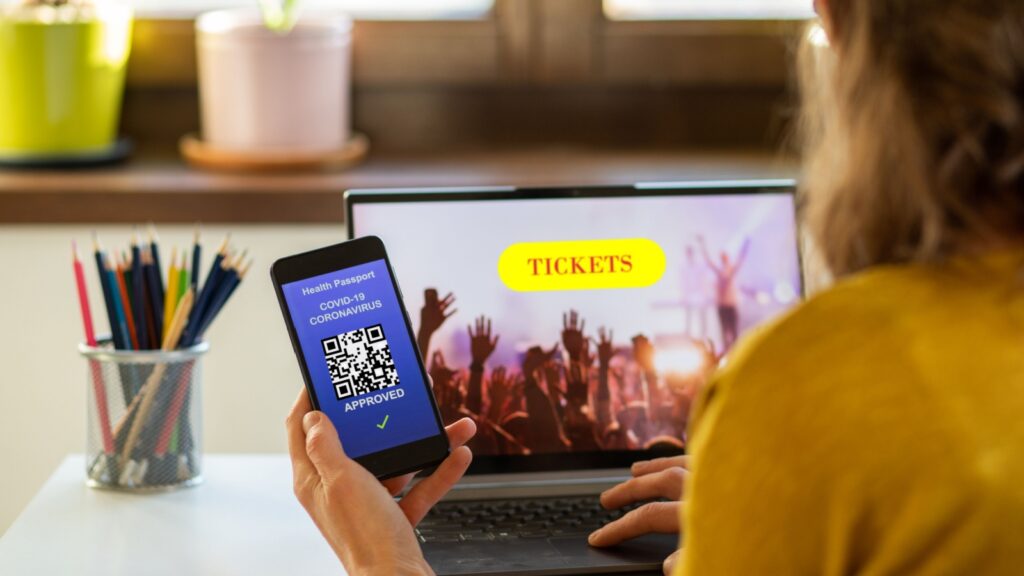
Sure, buying tickets online has always involved extra charges, but it’s only recently that people have really started to question what the point is for some of these. Regulation changes mean that you can now see the advertised price and final total side by side, rather than at the last second. It’s making people realize how much of a price hike they might have to face.
The change to upfront pricing hasn’t removed the fee, although it has made it more visible. So much so that many Americans are wondering why these extra charges exist in the first place. Concert tickets are already expensive enough, and it doesn’t seem right to be charged random “processing” fees on top.
Digital subscription creep

Practically every app today asks for a subscription, whether that’s a note app or a weather app, even basic planners. These all show paywalls after a few taps. But in the past, you used to simply pay for a single download, or access them totally for free, and that makes the new subscription model seem so greedy.
The worst part is that a lot of these apps are those that run every day without much thought, so you end up renewing stuff that you didn’t realize you were paying for. It seems a little greedy to quite a few Americans.
Streaming platforms adding ad-supported tiers

Once upon a time, you could pay for a subscription on a streaming platform to avoid dealing with the ads of a cable service, that was all. But now, ads have started appearing on streaming services for those who haven’t paid for the higher-priced tier subscription.
Paying for a subscription comes across as rather pointless. You’ll see account pages with multiple levels side by side, which makes the price jump more obvious, and it doesn’t exactly feel like you’re paying for an upgrade. Instead, it feels as though you’re paying extra to simply keep the same experience you once already had.
Streaming stacks that total $80–$120 per month
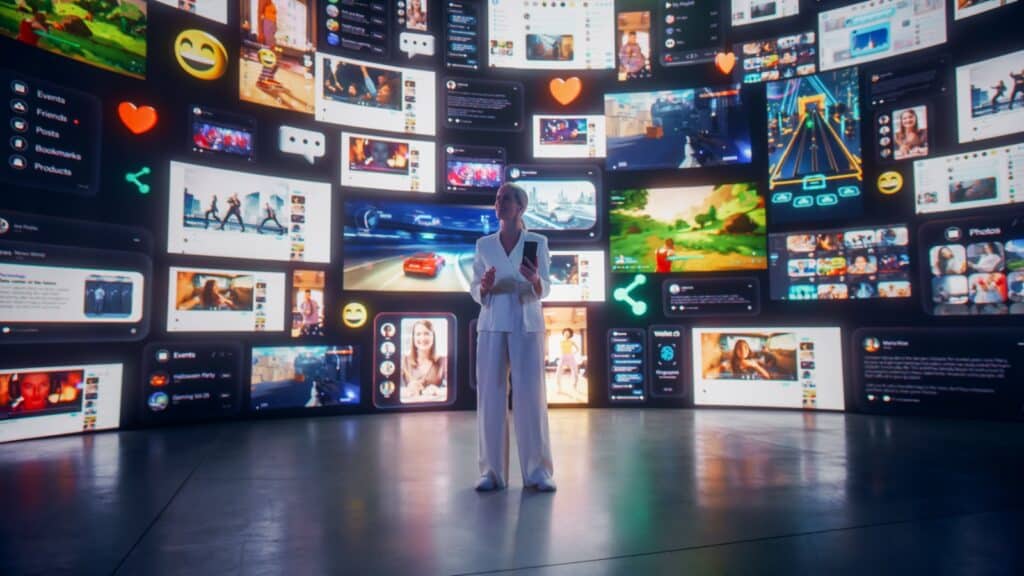
Speaking of streaming, the cost of a single subscription may not seem like a lot, but then you factor in the cost of a movie streaming service, a sports service, kids’ shows, music, and so much more. Now it seems rather expensive. A lot of Americans are talking about it more than they did before because their monthly bill looks a lot like the cable bill they canceled years ago.
The only difference now? Every service is separated, which makes it harder to notice the combined cost of things. But quite a few Americans have woken up and realized just how expensive these charges can be.
$70–$90 video games at launch
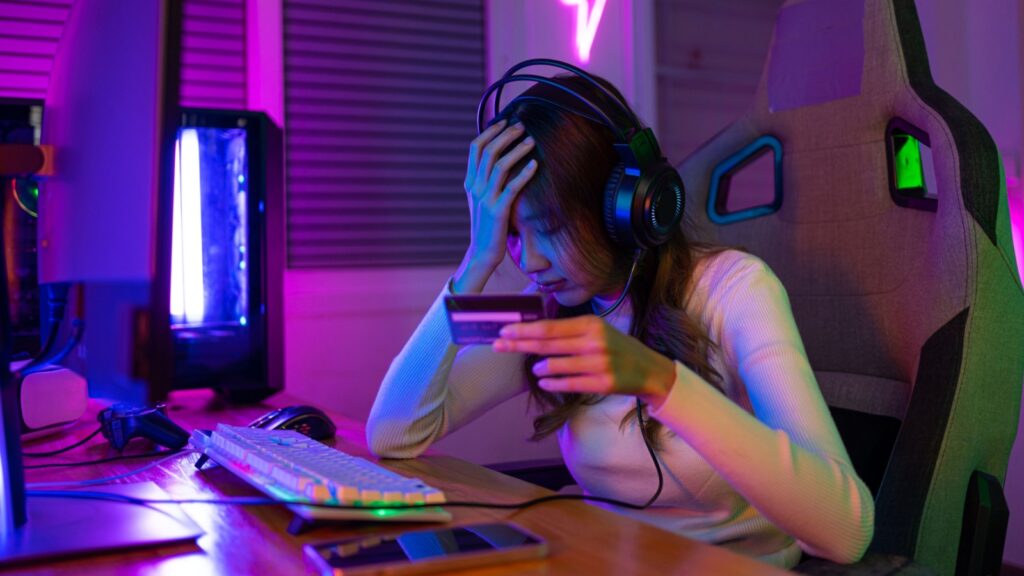
Another charge that many Americans are questioning the cost of is video games. In the past, you could get a game for around $60 maximum, but nowadays, many games launch with a $70 price tag, even on digital storefronts. That’s only the cost of the game’s standard edition. All the extras, including any game passes, go on top of that, and it seems like too much.
What makes the higher starting prices stand out so much is that there is no longer a physical shelf to compare prices. Instead, you get the full total on-screen before you download anything. Such a moment has turned into something that many gamers are now questioning.
8 Reasons Why Americans Are Done With Tipping

The whole concept of tipping has changed over the years. More & more Americans are sick of tipping workers, and they’ve decided to put an end to it all. Here are eight reasons why they’re feeling that way.
8 Reasons Why Americans Are Done With Tipping