

The spending habits of old no longer feel as automatic in 2026. The truth is, many people have changed how they handle their everyday decisions, including the things they don’t buy as much as what they do. These behavioral changes really do add up. Here are seven spending habits that Americans are walking away from in 2026.
Buying brand-new cars every few years

So many drivers used to treat their cars like a subscription, and they’d lease them & trade them in pretty regularly. But that cycle has stretched out now. Rather than looking through dealership websites every few years, people have decided to replace brake pads and fix the scratches themselves.
They’re finally getting around to cleaning the interior instead of postponing it. In fact, you’ll hear a lot of drivers say things like, “it still runs fine,” or “I’d rather keep it” because they don’t see the point in immediately trading in their vehicles anymore. It’s simply not worth it.
Treating pay raises as permission to upgrade lifestyle

Once upon a time, getting a raise meant you’d get an upgrade, like a new apartment or perhaps a bigger TV. But such an immediate reaction is no longer as automatic as it once was. Many workers are choosing to keep the same rent & the same routines after their income increases, choosing instead to adjust their savings or pay something down first.
That’s far better than announcing a visible change to the whole world. Sure, the idea of lifestyle creep has been around for years, but it’s only recently that it has appeared in everyday conversations, and it’s not because getting a raise doesn’t matter. The difference is that it simply doesn’t come with a lifestyle overhaul.
Upgrading smartphones annually

Upgrade season was a regular part of life for many people, with the launch of a new phone being the cue to buy one. However, not anymore. More people are squeezing the extra years out of their devices by getting them repaired, perhaps also buying a new case so that it feels a little different.
Holding onto your phone for three to five years is completely normal these days. The replacement cycles for phones have been getting longer, and it’s clear in the ways that people talk so openly about skipping updates. There’s no point in replacing a device that still has a functional screen & camera.
Putting everyday purchases on credit without a plan
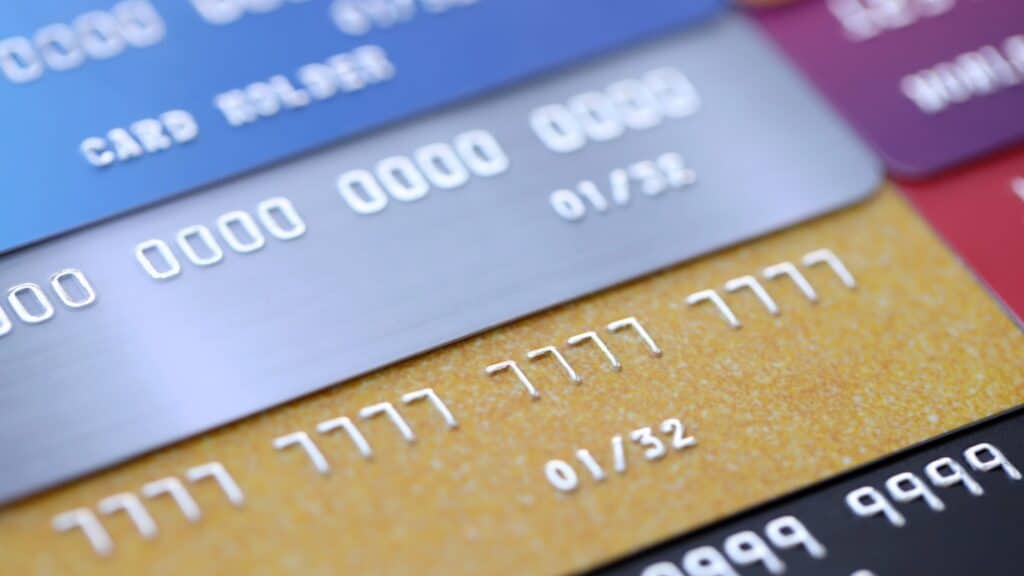
Swiping a credit card was essentially a standard move for people in the past, whether it was for groceries or a pharmacy run. The bill showed up later & people figured out how they’d pay for it somehow. But things have changed. Now, people are separating their routine spending from their borrowing, making sure to use their debit cards for the weekly basics.
Any credit they do have tends to be reserved for something specific, and they’ll have a payoff date in mind when they’re making their purchases. A few people will even make sure to pay their balances within days, rather than waiting for the statement to arrive.
Financing furniture and appliances

That’s not all for credit. People previously thought that turning something like a $900 sofa into four smaller payments was something completely harmless, and it rarely registered as debt for some. Yet these options come with far more fine print & more structure that people have begun noticing.
There’s no more simply splitting large purchases into payments because it’s the easier option. Shoppers would rather hesitate. Yes, they’re choosing to wait for the next paycheck or move some money around, perhaps hold off entirely on the purchase, so that they can avoid being saddled with more debt.
Impulse purchases

Sure, impulse purchases are rather easy to make, and that’s one of the reasons they’re so tempting. It was once so common to order things like a charging cable one day, a water bottle the next. Many people would order random items at midnight because these things would show up by morning.
Yet such a habit has started to disappear since people would rather leave their carts open for days and group their deliveries together. Five separate deliveries in a single week? No thanks. That’s a complete waste of money, and many Americans aren’t interested in making such mistakes anymore.
Paying for speed as a default

Two-day shipping instead of five seemed like something worth paying extra for, as did priority boarding over waiting. Let’s not forget about same-day delivery, too. Yet in 2026, the extra fee doesn’t come automatically to many Americans because they’re choosing to ignore the expedited option, unless there’s a deadline to stick to.
You’ll find that lots of travelers are skipping the priority add-ons. Should they require overhead space or an early exit, they’ll pay for them, but otherwise, paying for speed seems utterly useless. Free standard shipping & regular boarding is the standard now.
8 Cultural Expectations Americans Feel Trapped By

These expectations keep repeating until they feel almost impossible to avoid. Here are eight cultural expectations that Americans feel trapped by.
8 Cultural Expectations Americans Feel Trapped By