

It’s easy to think you’re making the right decisions when you’re grocery shopping. After all, you’re making a few choices that seem relatively harmless, like grabbing a bigger pack of food or choosing what looks fresher. But that’s a mistake. These decisions gradually push your total higher so that, over time, you’re spending far more than you intended to. Here are nine things you may do at the grocery store that cost you more over time.
Buying in bulk to save per unit
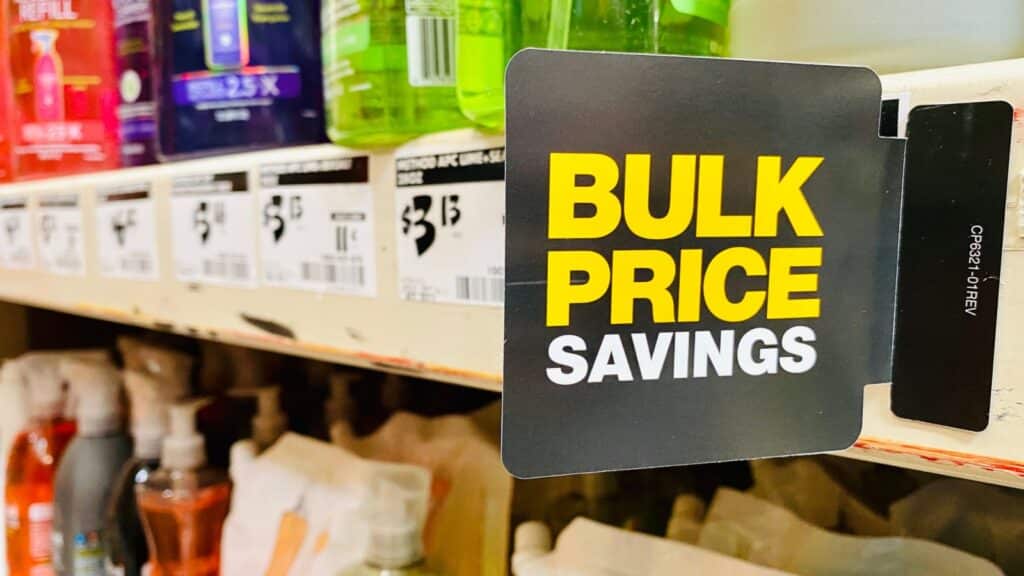
Buying in bulk usually seems like a good idea, at least at first, since you’re getting a bigger pack for a lower price per ounce. But that only really works when you use everything in the pack. Most of the time, the bulk salad greens go soggy halfway through, and yogurt tubs sit too long once they’ve been left open.
Even frozen food can start to taste like the freezer when you leave it around for too long. Rather than saving money, you’re throwing away part of what you paid for, and the lower price you were hoping for has entirely disappeared. It’s really not worth it.
Ignoring unit pricing labels
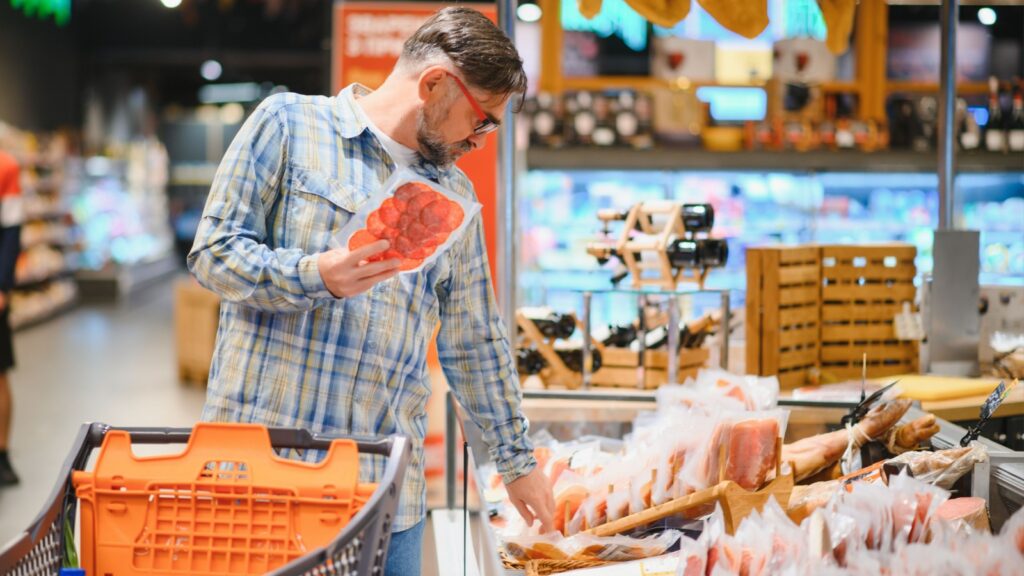
That’s not all for unit pricing labels. Most people look at the larger price on the tag & move on, without realizing that the number itself doesn’t tell you much. The truth is that two items may look close in price, yet give you completely different amounts. Take cereal boxes, for example.
They might be on the same shelf and have similar prices, but you’ll notice one is clearly smaller. It’s the same problem with things like coffee and price. Really, the tiny number on the unit price is where you should be making the real comparison, and avoiding it often means you’re paying more without realizing it.
Always buying fresh instead of frozen
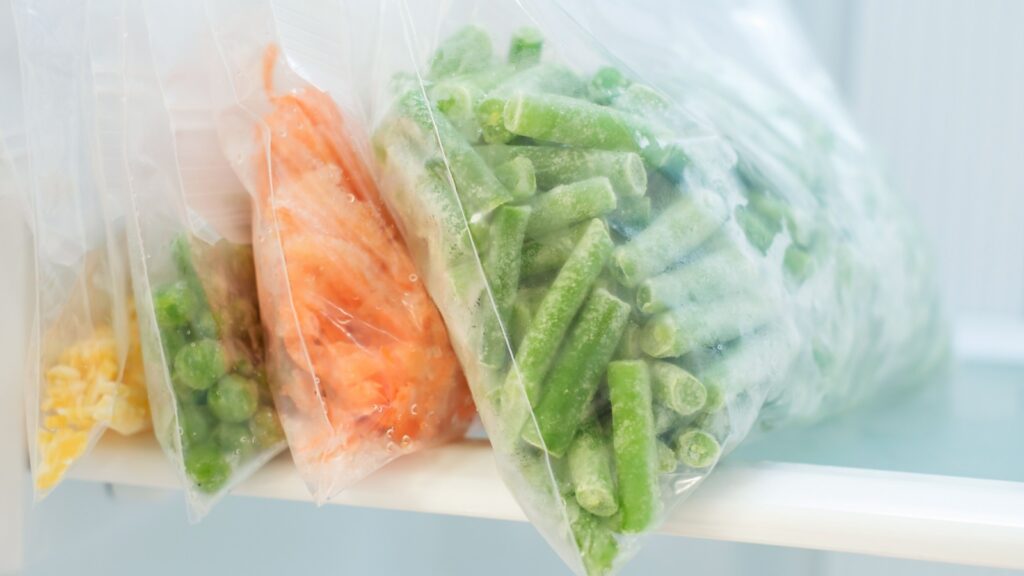
Fresh really does seem like the better choice when you’re standing there, as it looks brighter & cleaner. It feels a lot more real. However, a lot of fresh food has a short window for you to use before it turns, and you might find that all that fresh food has gone bad before you’ve managed to use half the bag. Yet frozen food doesn’t have the problem.
With frozen food, you can take what you need and leave the rest, no rush at all. It takes a very long time for frozen food to go off, especially compared to fresh food. You’ll end up buying the fresh food soon enough, and that means extra costs that you don’t need to deal with.
Overestimating how much you’ll cook
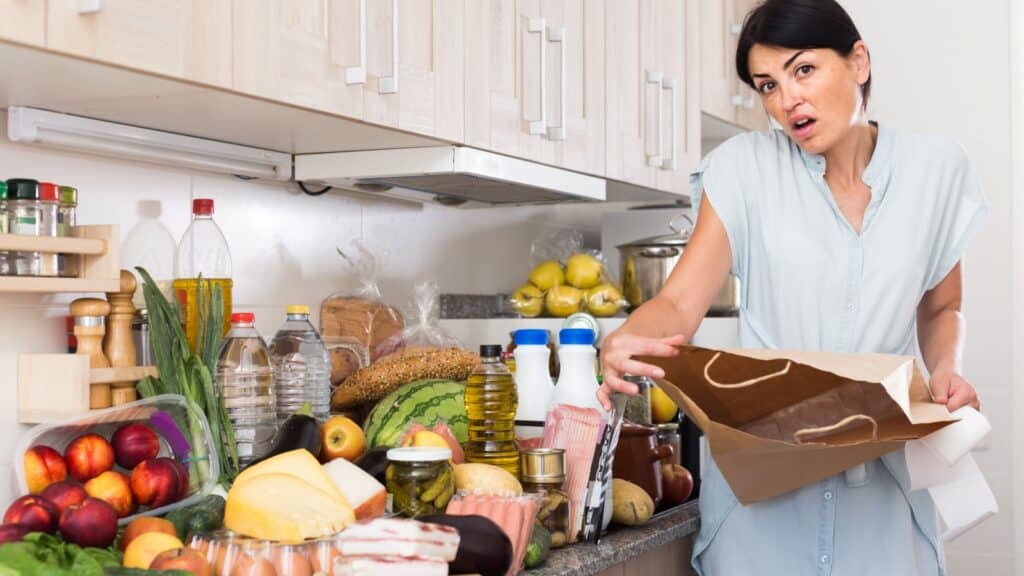
It’s so easy to turn shopping for groceries into shopping for your ideal week. You know the kind. It’s the week where you think every meal will get made & nothing gets delayed. The weeks that you think everything sounds doable are the weeks where you’ll end up with fresh herbs and extra vegetables. Unfortunately, life rarely ends up that way.
All it takes is one late night or one change of plans for those ingredients to sit there untouched, as you simply don’t have enough time to cook it all. At the end of the day, it doesn’t really matter how admirable your cooking goals were for the week. You paid for meals that never really happened.
Shopping too frequently

A similar issue is doing lots of quick grocery runs, where you tell yourself that you’re going to pop in for one or two things. But it rarely ends up that way. As soon as you get what you came for, something else catches your eye, like a drink or a snack. The fact that this happens almost every visit is a problem, and stores are set up for exactly that kind of shopping experience.
For example, you may realize that there are a bunch of small items near the entrance & checkout, perfectly positioned for you to feel tempted to buy them. Those little add-ons get expensive when you’re visiting the grocery store several times a week.
Treating grocery shopping as a quick task
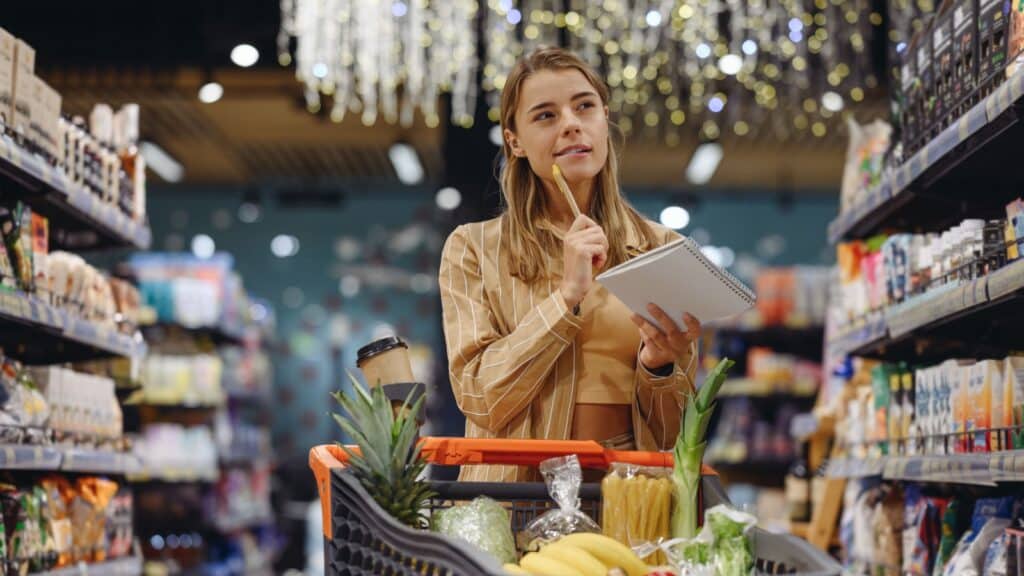
Grocery shopping should be a planned task, and not something you do quickly. Shopping in a rush means you’re unlikely to compare, and instead, you’ll grab whatever brand is right there or whatever items look familiar to you. You’ll want to get whatever seems fine in the moment. That’s exactly what stores plan for, as they’ll put the most expensive items at eye level.
They’ll also make sure the ready-made options are where they’re easy for you to reach, and without a plan, you’ll be more tempted to buy them. It gets even worse when you realize you don’t know what you have at home either. Eventually, you start paying for duplicates, and that quick trip is no longer as efficient as you were hoping it would be.
Buying organic by default
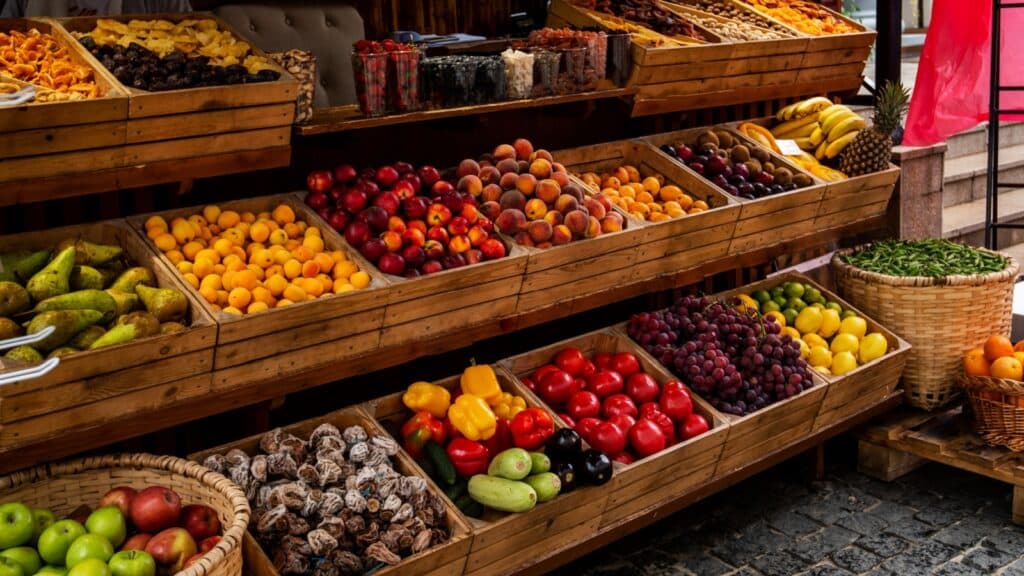
Yes, organic labels tend to get a lot of people’s attention immediately, and it’s easy to be convinced that you should go for them. They’re supposed to be healthier for you, after all. But the truth is that organic food isn’t necessarily any better for you because of the label, especially when it comes to things like bananas or oranges.
You’re going to peel these fruits anyway, so it really doesn’t matter what chemicals farmers spray on the outside. That’s not to say that organic pantry items are a good buy. Far from it. Instead, you’re often paying a higher price that doesn’t seem to have that many health benefits for you.
Not comparing across aisles

You’re probably not expecting the same item to be in two places in the grocery store, and that’s what the workers are counting on. Coconut milk in the baking aisle may be priced higher than the one sitting in the international section a few steps away. It’s the same story when you’re buying spices.
No matter how neat the small glass jars look, bagged herbs tend to be far cheaper for the same amount of product. Checking a single aisle means that you’re left to accept whatever price is there. You’re likely missing out on cheaper options that are within the same store and a mere distance away.
Shopping at the same store out of habit
It’s hard to switch once you’ve become used to a store, as you know the layout & move faster through the aisles. It feels like you’re making a lot less effort overall. Yet you might want to think about changing things because grocery stores price things differently, even for basic items, meaning that one place might be fine for snacks, the other better for eggs and milk.
Frozen food is sometimes priced differently in each place, too. Only shopping at the same store each time means that you’re not able to see the price differences, and the small price gaps that keep repeating every week could end up costing you.
9 Restaurant Habits Americans Say Aren’t Worth the Price

The price on the menu has stopped being the final number, and many long-standing restaurant habits come with all sorts of extra costs to consider. Here are nine restaurant habits that Americans say simply aren’t worth the price anymore.
9 Restaurant Habits Americans Say Aren’t Worth the Price