

Eating out used to be so simple. After all, you simply checked the menu to find what you wanted, and then paid roughly what you expected for what you ordered. But that’s not how many diners say it feels now. Instead, the price on the menu has stopped being the final number, and many long-standing restaurant habits come with all sorts of extra costs to consider. Here are nine restaurant habits that Americans say simply aren’t worth the price anymore.
Mandatory service fees on top of menu prices

You might sit down & mentally budget for the prices that you see on the menu. However, then the check comes, and you notice a separate service charge fee or something similar automatically added to your bill, despite the fact that it wasn’t built into the printed price. It’s become so common that lawmakers have forced restaurants to be clearer with their pricing.
Honestly, the frustration doesn’t come from paying staff, but rather, the fact that you pick something at one price, only to find that it’s not really that price. Mandatory service fees are rather irritating.
Paying to reserve a table
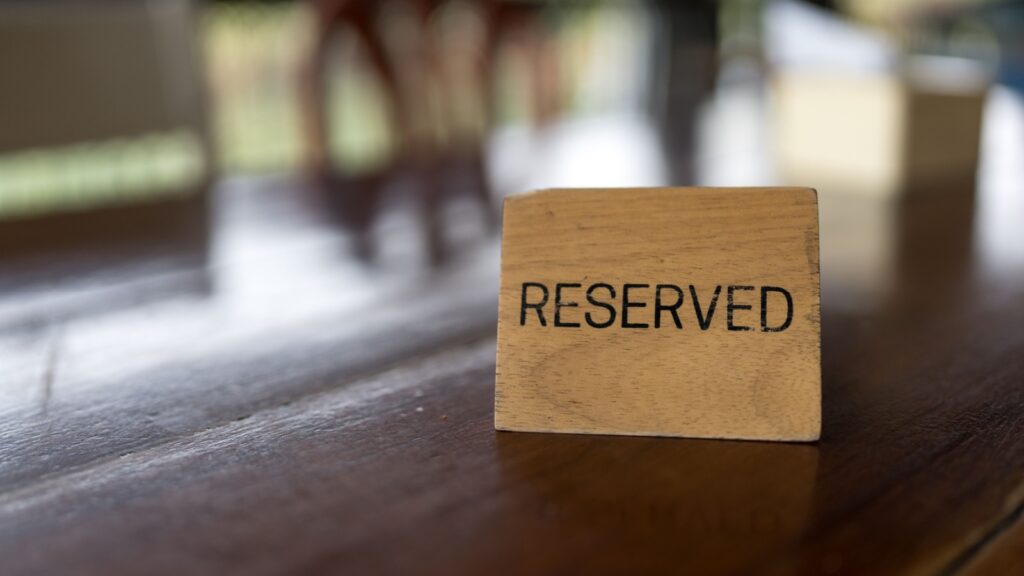
Certain restaurants force you to put down a deposit or agree to a minimum spend when you book a table. It’s particularly common in major cities & high-demand areas, and should you miss the reservation, you’ll have to pay a charge. Showing up still involves you having to meet a required dollar amount.
In theory, such an idea makes sense because it discourages no-shows, yet many diners feel as though it changes the experience of going out. You can no longer reserve a table for free. Now, it feels a lot more like you’re prepaying for entry to a restaurant.
Pay-to-book middlemen
That’s not all for restaurant reservations. It has become quite common for third-party sellers to list restaurant reservations for sale without the restaurant’s involvement, meaning that people sometimes have to pay to secure a time slot before they’ve even ordered food. In fact, lawmakers in places like New York have addressed the problem directly. It’s that widespread.
Such a tactic doesn’t make a lot of sense from a diner’s perspective because they’re quite literally paying someone for access to the table. Sure, the restaurant isn’t the one setting the fee. But it’s an extra cost that you’re paying before your dinner has even started.
Cake cutting and plating fees for outside dessert

Be careful about bringing your own birthday cake to a restaurant. Some of them will actually charge a per-person cutting fee, which is supposed to cover things like slicing & cutlery, as well as clean-up. A few restaurants will charge you a modest fee. But there are a few places that aren’t so modest, and you’ll have no option other than to pay for it once they’ve served the cake.
It can be as simple as the staff bringing in the cake and cutting it, then you see there’s a new line on the bill. Yes, really. In some cases, the total fee itself can be more than the cost of what a dessert order would’ve been in the first place.
Upcharges for tiny substitutions and extras
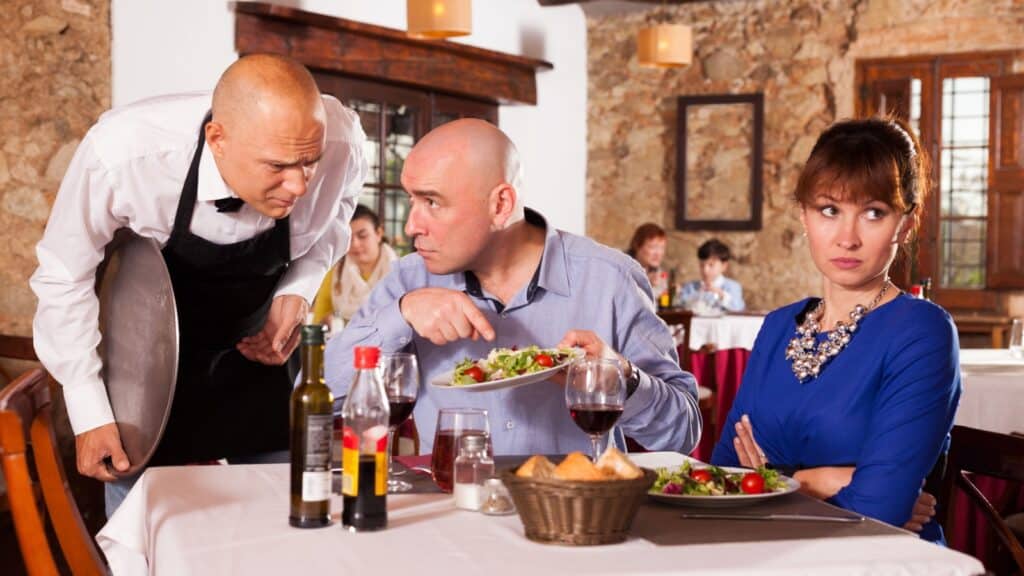
Swapping fries for a side salad or changing one topping can cost you, even when you’re actually asking for something to be removed. Any slight adjustments can be enough to trigger alteration fees that, really, don’t seem worth it. Why should you be charged extra for requesting that the chef not give you a certain topping?
It’s not fair. Diners who are annoyed about such a change say their annoyance isn’t so much about the amount, but rather, it’s more about how many separate charges can appear from seemingly minor changes. They’re not happy about it at all.
Paid-for bread or chip baskets

There was once a time when the chips & salsa or bread basket used to be free, and they’d come automatically as soon as you sat down. But not anymore. Several places will charge them as a $4 or $6 starter, and some of the worst offenders will still bring them to you without asking. It’s only later that you realize that the “complimentary” starter wasn’t so complimentary after all.
Many people are bothered by it because they don’t think it’s right to be paying for something that used to be a basic part of the restaurant experience. The ritual itself has stayed the same. Yet, somehow, the price of it hasn’t, and diners are the ones who have to suffer.
Automatic gratuity added for smaller parties

Yes, you might be a table of two ordering dinner & splitting a dessert. But you’ll have to pay the same cost as a large group, thanks to the 18% gratuity that comes with your bill, regardless of the fact that you might’ve simply been on a regular night out. A few restaurants won’t even tell you about it until you get the final bill.
For many diners, losing the choice of whether to add an extra tip seems unfair, especially when the service they received is average at best. Having that amount locked in makes the entire experience of going out a lot more expensive.
Charging full price for half portions

In the past, smaller plates used to get you noticeably smaller prices, yet some restaurants have recently decided that these smaller portions shouldn’t be much cheaper than the full entrée. They’ll apply that kind of thinking even to kids’ meals. In the end, the serving is reduced, and the presentation is simpler, but the price hardly changes.
People who’ve ordered this way have said that it no longer feels like a value option because you’re not really getting anything that justifies the cost. They expect the price to be drastically different, rather than a mere token discount that’s not worth it.
Restocking fees for takeout packaging and condiments
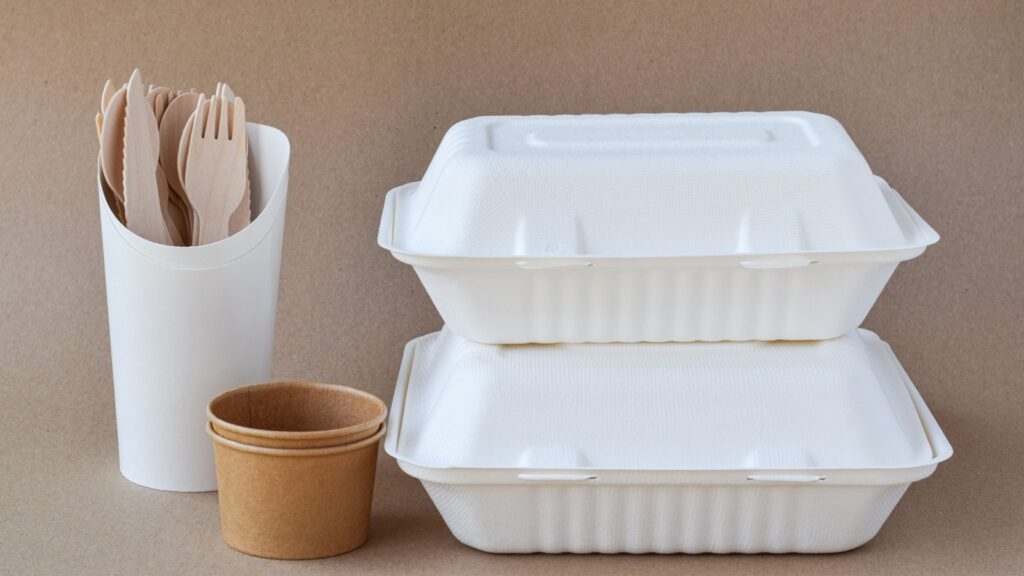
Sadly, seeing packaging charges on a takeout bill is no longer surprising, whether they’re container fees or utensil fees. Some places actually charge a sauce cup fee. Rather than receiving a single total for the meal, you’ll see a bunch of small add-ons that come from the materials that the restaurant used to pack your dinner.
Seeing all those prices listed separately annoys some customers, regardless of the fact that the amounts themselves are quite small. The meal hasn’t changed, and only the presentation has. It’s no wonder that so many Americans have decided that these costs aren’t worth it anymore.
8 Reasons Why Americans Are Done With Tipping

The whole concept of tipping has changed over the years. More & more Americans are sick of tipping workers, and they’ve decided to put an end to it all. Here are eight reasons why they’re feeling that way.
8 Reasons Why Americans Are Done With Tipping