
There’s something quietly powerful about a small collection of reliable recipes that just keeps working, year after year. Not the flashy ones from social media that disappear after a season, but the dependable ones you come back to when you’re tired, short on time, or just craving something real. Honestly, I think a lot of home cooks underestimate how much confidence grows from mastering just a handful of foundational dishes.
There are a core set of recipes that form the foundation of home cooking, and mastering a few of them can make you feel more confident in the kitchen and more capable of preparing a variety of delicious meals. The six recipes below are the kind that quietly become second nature the more you cook them. So let’s get into it.
1. Whole Roast Chicken: The One That Teaches You Everything
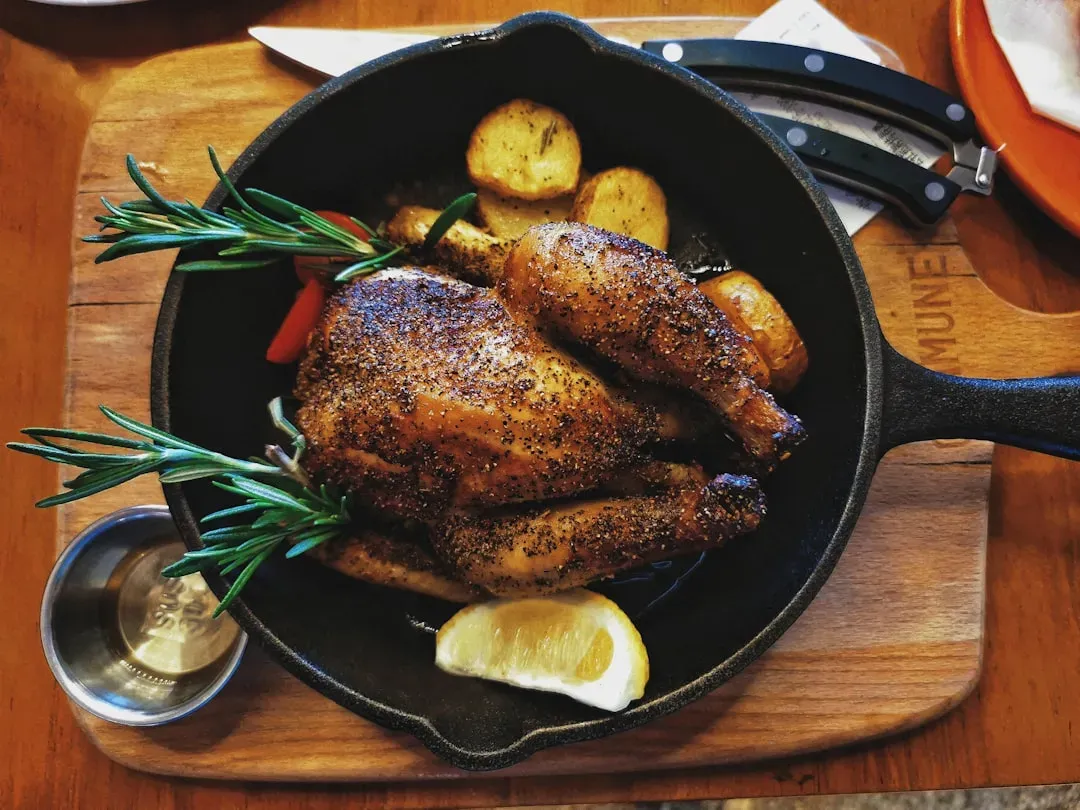
1. Whole Roast Chicken: The One That Teaches You Everything (Image Credits: Unsplash)
Few dishes in a home cook's life feel quite as satisfying as pulling a perfectly golden bird out of the oven. It sounds intimidating the first time. It really isn't. A whole chicken requires only a handful of ingredients like oil or butter, salt, pepper, and herbs, yet it feels surprisingly impressive and is just as good made for yourself mid-week as it is for a dinner party.
Letting the chicken rest before carving makes all the difference between perfectly juicy chicken and dry, disappointing results. Resting allows the juices to redistribute throughout the meat for the most tender and flavorful chicken every time. Roasting a whole chicken is a near-weekly occurrence for many experienced home cooks. It's relatively hands-off, it feeds a family of four with leftovers for lunch the next day, and the bones can be used to make homemade chicken stock.
2. Homemade Tomato Sauce: The Humble Foundation of a Hundred Meals
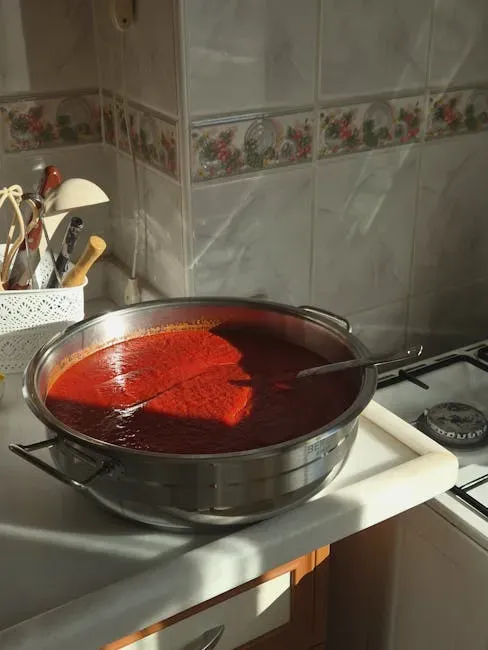
2. Homemade Tomato Sauce: The Humble Foundation of a Hundred Meals (Image Credits: Pexels)
Think of a great tomato sauce as the Swiss Army knife of home cooking. It works on pasta, pizza, braised meats, shakshuka, baked eggs, and more. The key to a truly exceptional homemade tomato pasta sauce is patience. Tomatoes taste flat when rushed, and slow reduction transforms acidity into natural sweetness and complexity without any added sugar required.
This kind of sauce gets even better after a day in the fridge, making it perfect for meal prep or freezing for future pasta nights. Although tomato sauce is quite simple, using quality ingredients matters, and letting your sauce cook low and slow for hours will give you the most beautifully rich and savory result. It's one of those recipes that rewards you more every time you make it.
3. Scrambled Eggs: Small Recipe, Enormous Skill Gap
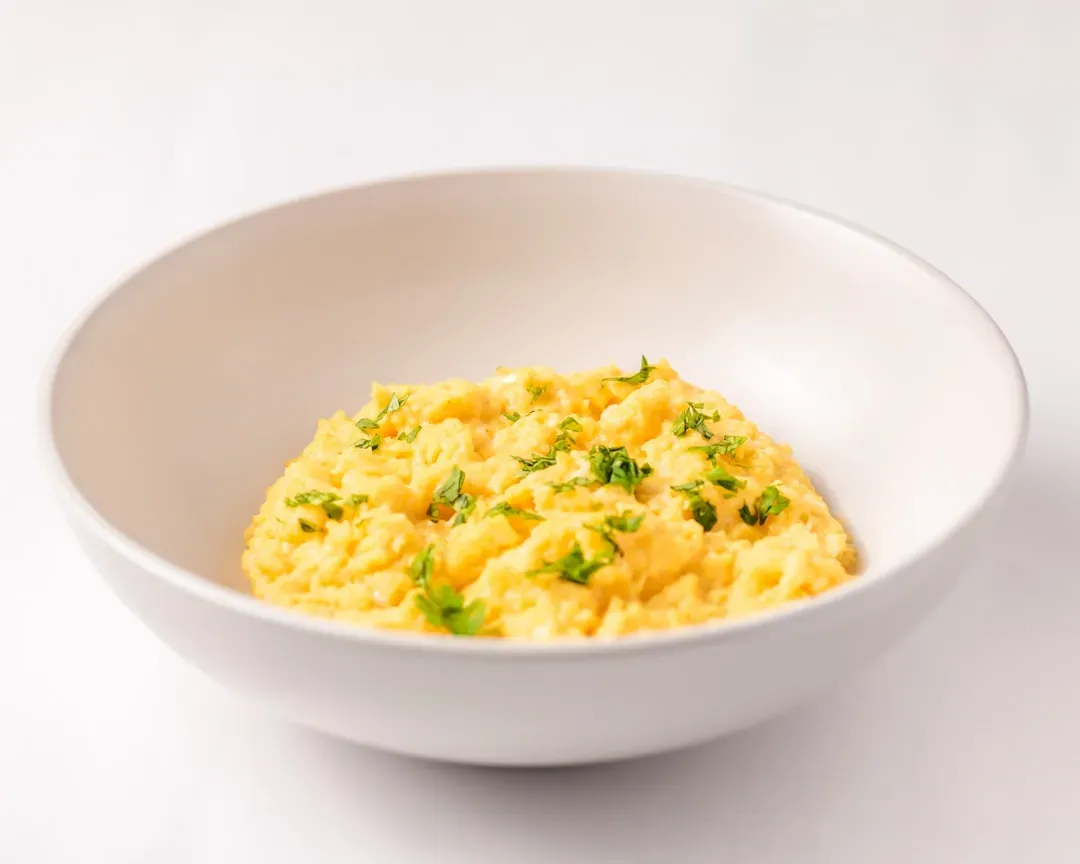
3. Scrambled Eggs: Small Recipe, Enormous Skill Gap (Image Credits: Unsplash)
Here's the thing about scrambled eggs. Nearly everyone makes them. Very few people make them well. They're deceptive in their simplicity, and learning to do them properly is one of the most genuinely useful cooking skills you can have. They require minimal ingredients, are ready in less than five minutes, and are relatively easy on the wallet.
The core techniques involved are seasoning, heat control, and assessing doneness. Those three skills, once internalized through eggs, transfer directly to dozens of other recipes. Low and slow is the secret most people skip, because they're impatient. A nonstick pan, a silicone spatula, and the discipline to keep the heat gentle will get you to soft, creamy, custardy scrambled eggs that bear almost no resemblance to the rubbery, overcooked version so many people grew up eating.
4. A Simple Vinaigrette: The Recipe That Transforms Everything It Touches
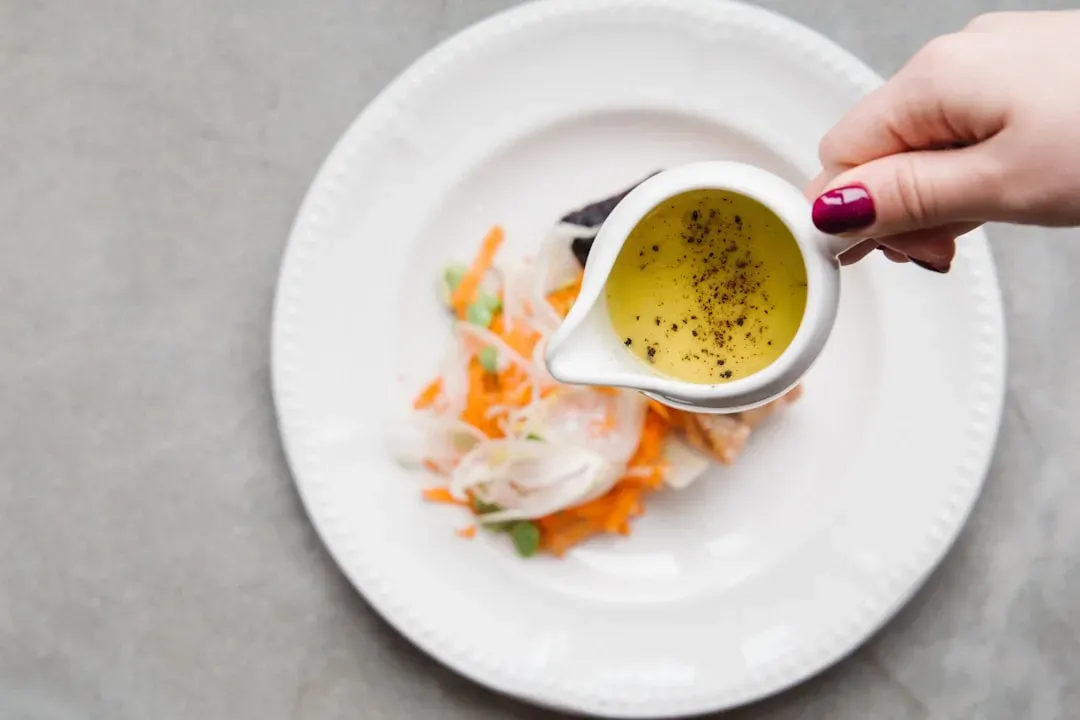
4. A Simple Vinaigrette: The Recipe That Transforms Everything It Touches (Image Credits: Unsplash)
A good vinaigrette can transform a simple pile of greens into something truly special. One key advantage of having a basic vinaigrette recipe in your back pocket is that once you understand the ingredient ratios, you can improvise freely, adding shallots, garlic, fresh herbs, flavored oils or vinegars, or even a little tahini.
A tangy homemade dressing is so much better and healthier than bottled dressing, and all you need is olive oil, lemon juice or vinegar, and dried herbs. The classic ratio is roughly three parts oil to one part acid, though many experienced cooks adjust it based on the greens or the occasion. Think of it less like a recipe and more like a formula you eventually stop measuring. It becomes instinct, and that's the whole point.
5. A Hearty Soup or Stew: The Recipe That Feeds and Forgives
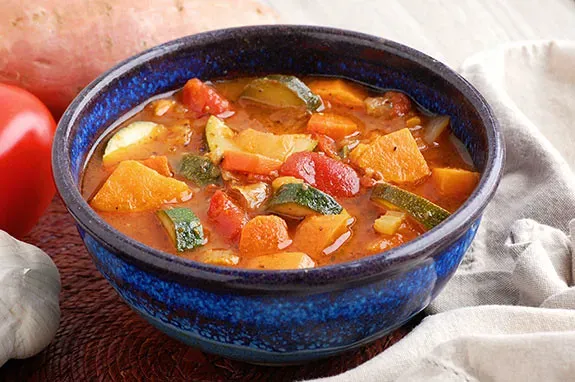
5. A Hearty Soup or Stew: The Recipe That Feeds and Forgives (paleogrubs, Flickr, <a href="https://creativecommons.org/licenses/by/2.0/" target="_blank" rel="noopener">CC BY 2.0</a>)
Soups and stews are perhaps the most forgiving category in all of home cooking. Slightly too much of one herb? It probably still works. Forgot to add something? Often unnoticeable. Simmering at a gentle temperature is perfect for cooking dishes that need time to develop rich flavors, such as soups, stews, curries, and sauces. It is especially helpful for tenderizing meats and blending spices, and unlike boiling, it prevents food from breaking apart.
Trends in recent years have confirmed that home cooks love sheet pan dinners and slow-cooked chili and roasts, with soups consistently making most-loved lists. A solid base recipe, think a good chicken soup or a bean and vegetable stew, gives you a framework you can adapt endlessly based on what's in the fridge. That kind of flexibility is enormously valuable on a busy weeknight when dinner needs to happen fast.
6. A Basic Baked Good: Why Every Home Cook Benefits From at Least One Bread or Cake
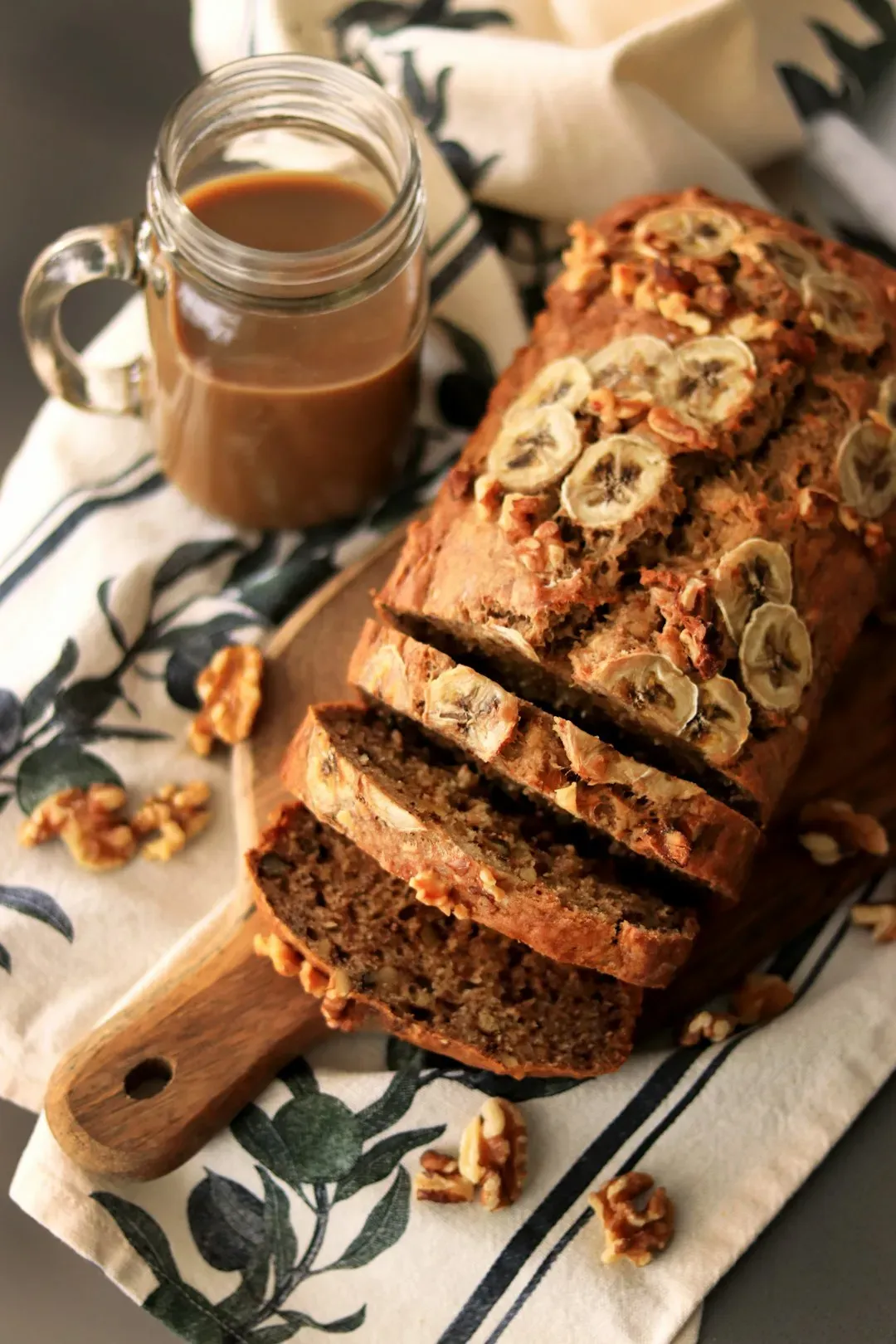
6. A Basic Baked Good: Why Every Home Cook Benefits From at Least One Bread or Cake (Image Credits: Unsplash)
Baking uses steady, indirect heat to cook food all the way through. The oven surrounds ingredients with dry air, creating structure, lift, and even browning. While baking is central to pastry, it also plays an important role in savory cooking. It is one of the most precise dry-heat methods, where temperature, time, ingredient preparation, and even airflow all influence the final product.
Starting with something simple, like a banana bread or a basic loaf, teaches you ratios, the importance of not overmixing, and how oven temperature variation affects results. According to a review of data by the Institute of Food Technologists, the most common recipes searched on the internet include banana bread, pancakes, chicken, pizza dough, brownies, and crepes, which tells you something profound about what people actually want to learn to make. Baking also teaches patience in a way other cooking methods don't quite match, and patience, it turns out, is one of the most transferable cooking skills of all.
Why These Six Recipes Matter More Than You Might Think
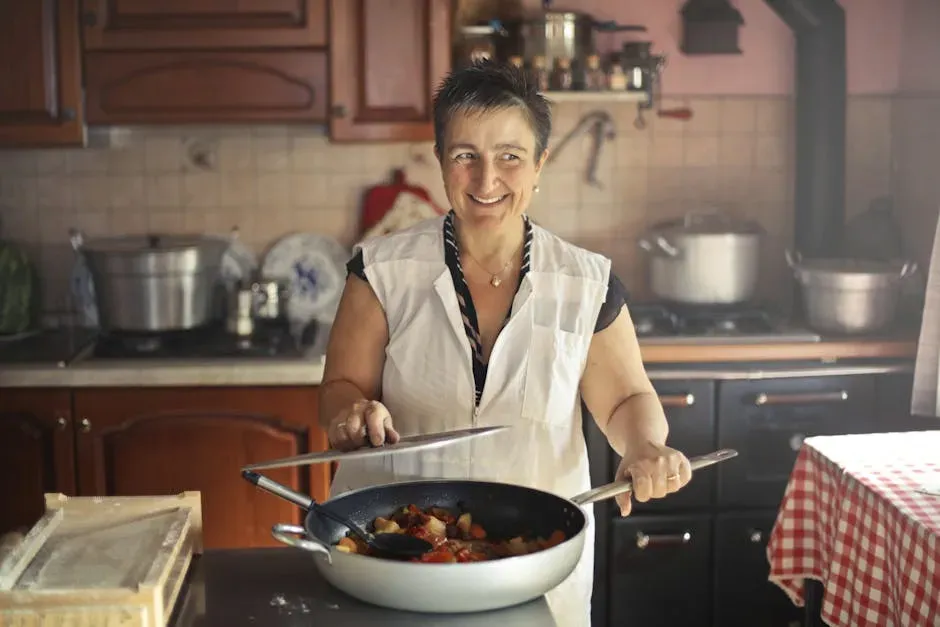
Why These Six Recipes Matter More Than You Might Think (Image Credits: Pexels)
Rising food costs have turned cooking into a financial strategy, with roughly a third of all home cooking survey respondents saying their top reason for making meals at home is to save money, and this shift is especially marked among those aged 30 to 44. Beyond finances, there's a meaningful confidence effect. Mastering a few essential recipes can make you feel more confident in the kitchen and able to prepare a variety of delicious meals.
Each of these six recipes is more than just a dish. It's a vehicle for a skill set. Roast chicken teaches roasting technique and heat management. Tomato sauce teaches patience and layering flavor. Scrambled eggs teach heat control. Vinaigrette teaches balance. Soup teaches improvisation. Baking teaches precision. Together, they cover nearly the full spectrum of what home cooking actually requires day to day. Research shows the vast majority of people find cooking to be more stress-relieving than stressful, and more than half view dinner as a time to connect with friends or family. That connection starts with knowing what you're doing in the kitchen.
Building Confidence: The Real Reason These Recipes Work Long-Term
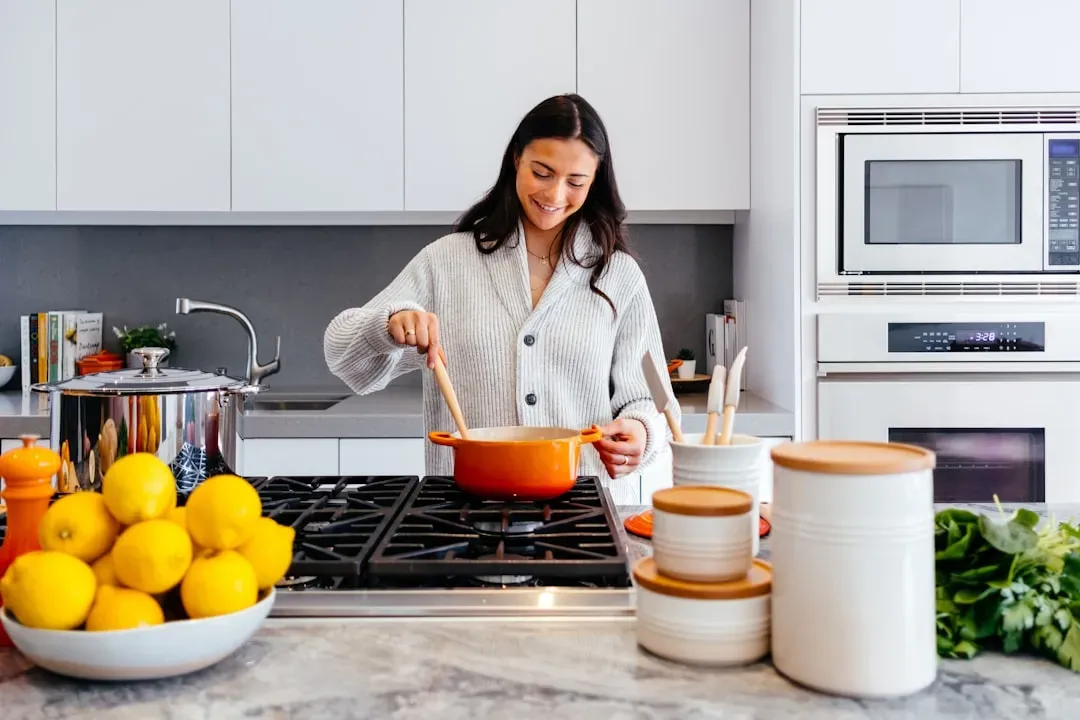
Building Confidence: The Real Reason These Recipes Work Long-Term (Image Credits: Unsplash)
If you are new to cooking, or just need a refresher on the basics, a focus on foundational recipes is designed to help you feel more confident in the kitchen. Once you have a handle on a few basic concepts and techniques, you can easily build upon them to create new and exciting dishes without a second thought. It's like learning enough chords on a guitar to start playing songs. You don't need to know everything to start making something beautiful.
Recipe ruts are a real barrier to cooking, with well over half of adults saying that being bored with the same recipes is one reason they expect to cook less in the coming months. The answer to that isn't learning fifty new recipes. It's understanding your core six well enough to start varying them. A roast chicken becomes a braised chicken. A tomato sauce becomes a shakshuka. A soup becomes a stew, then a curry. The versatility lives in understanding the underlying logic, not just following the steps.
Conclusion: The Power of a Small, Well-Chosen Collection
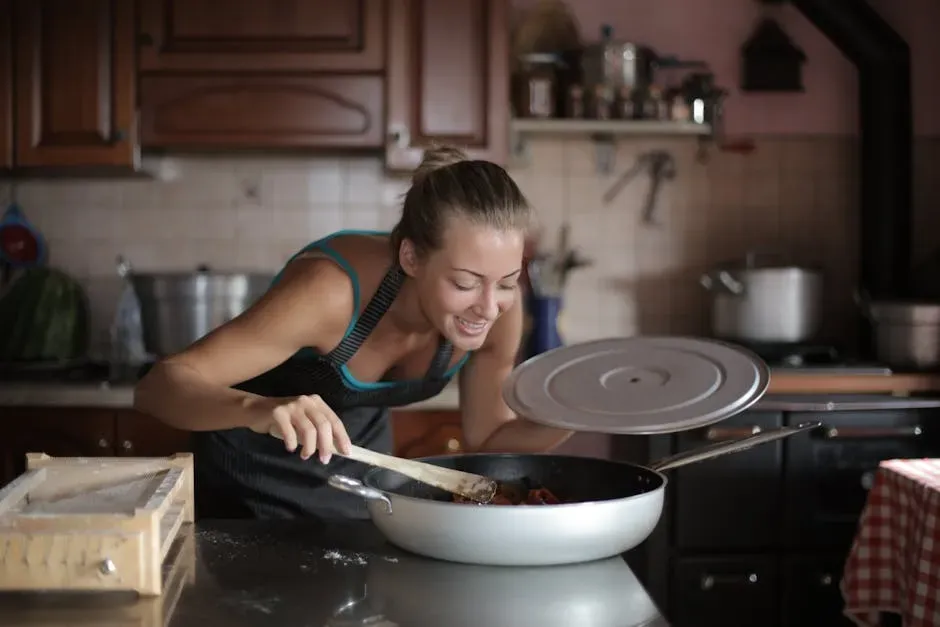
Conclusion: The Power of a Small, Well-Chosen Collection (Image Credits: Pexels)
There's nothing glamorous about mastering six recipes. It doesn't make for a dramatic social media moment. What it does do is give you a kitchen that actually works for you, on a Tuesday night when you're tired, on a Sunday when you want to impress people, and every ordinary evening in between. The recipes above aren't trendy. They're just genuinely, reliably useful.
Let's be real: most great home cooks aren't cooking with a hundred recipes in rotation. They have a small, trusted collection they know deeply, and they build from there. Start with whichever of these six feels most approachable, make it a few times until it feels easy, and then move to the next. Before long, you'll have a repertoire that can handle almost anything a weeknight throws at you. Which one would you start with?