
Rising costs have become one of the defining financial pressures of the mid-2020s, touching every household regardless of age, income, or life stage. Half of U.S. consumers across all generations say rising daily living expenses are a current challenge, making everyday costs the top financial concern. Yet how people respond to that pressure varies enormously depending on where they are in life.
Younger adults are reshaping how they work, live, and spend. Older generations are rethinking retirement timelines and housing decisions they thought were long settled. What’s emerged isn’t one story but a dozen different ones, each shaped by a generation’s specific mix of assets, debts, and expectations. Here’s how each cohort is actually adapting.
1. Gen Z Is Leaning Hard Into Side Hustles

1. Gen Z Is Leaning Hard Into Side Hustles (Image Credits: Pexels)
In 2025, roughly seven in ten Gen Zers have a side hustle, with nearly two thirds preferring multiple income streams over a traditional nine-to-five. Rising costs, job instability, and digital platforms are fueling this shift. Unlike past generations who picked up extra work for leisure spending, this cohort is using it for survival basics.
On average, Gen Z earns close to a thousand dollars per month from side hustles, while content creators make somewhat less. Unlike in previous generations, where side gigs were seen as extra income for leisure, Gen Z is using their additional earnings for rent, groceries, student loan payments, and savings. The gig economy isn't a lifestyle choice for many of them. It's the floor beneath their feet.
2. Millennials Are Rethinking Homeownership Entirely

2. Millennials Are Rethinking Homeownership Entirely (Image Credits: Unsplash)
Americans, especially those who have not built up equity in recent years, are struggling because home prices have risen massively since the pandemic, far outpacing wage growth. While home prices have increased by more than 40 percent since 2018, wages have increased by only 28 percent over the same period. For millennials, this math simply doesn't work out.
With the rise of high-end rentals, co-living spaces, and even van life, today's renters often feel they're living more authentically and affordably than friends stretched thin by homeownership. Some even invest the money they'd otherwise spend on down payments into stocks, retirement accounts, or side hustles. Renting is no longer a stepping stone for many in this generation. It has quietly become the plan itself.
3. Baby Boomers Are Downsizing to Offset Rising Property Costs

3. Baby Boomers Are Downsizing to Offset Rising Property Costs (Image Credits: Unsplash)
Many retirees who have seen their home values increase are looking to downsize and take the additional profits from their existing homes. The baby boomer generation is considering downsizing in considerable numbers to offset the silent killer of rising housing costs. Property taxes in particular have become a genuine burden for those on fixed incomes.
A recent report indicated that baby boomers made up the largest share of home sellers in 2024, accounting for nearly half of all sellers. Moving to smaller homes or lower-cost regions frees up equity and reduces ongoing expenses. An Alliance for Lifetime Income study reveals that more than half of Boomers turning 65 from 2024 through 2030 have assets of $250,000 or less, which may mean many rely mainly on Social Security in retirement after exhausting their savings. Downsizing, then, isn't just about lifestyle preference. It's a financial necessity.
4. Gen X Is Desperately Playing Catch-Up on Retirement Savings

4. Gen X Is Desperately Playing Catch-Up on Retirement Savings (Image Credits: Unsplash)
Seventy percent of Gen Xers say they fear running out of money in retirement more than death. That percentage tops both Millennials at 66 percent and Boomers at 61 percent. The anxiety is well grounded in the numbers. The median Gen Xer has saved just $150,000 for a retirement that could last 30 years, according to a Natixis Investment Managers analysis from 2024.
Gen Xers, in particular, worry that the rising cost of living will affect their retirement plans, according to the 2024 Q4 Quarterly Market Perceptions Study from Allianz Life Insurance Company of North America, with 81 percent expressing this concern. In response, many are maxing out catch-up contributions. For those 50 and older, the IRS allows catch-up contributions of an additional $7,500 in 401(k) plans for 2025, which is a powerful tool for Gen X to close the savings gap.
5. Gen Z Is Moving Back Home to Save on Housing

5. Gen Z Is Moving Back Home to Save on Housing (Image Credits: Unsplash)
Financial pressure is forcing serious lifestyle changes across generations. Large numbers of Gen Zers are moving back home with parents or rooming with friends just to manage basic expenses. This isn't an embarrassing fallback. For many it's a calculated financial decision. One in three U.S. adults between the ages of 18 and 34 now live with their parents, with the share ranging from over 44 percent in New Jersey to just over 12 percent in North Dakota, revealing a wide geographic divide.
From 2020 to 2024, typical U.S. rents increased by nearly 29 percent, while median household income rose far more slowly, leaving nearly one third of American households cost-burdened. For young adults, the traditional markers of financial stability, like leaving home, renting, and eventually buying a first home, have shifted from expected milestones to far-off aspirations. Living at home, for now, buys time to save.
6. Millennials and Gen Z Are Embracing Secondhand Shopping
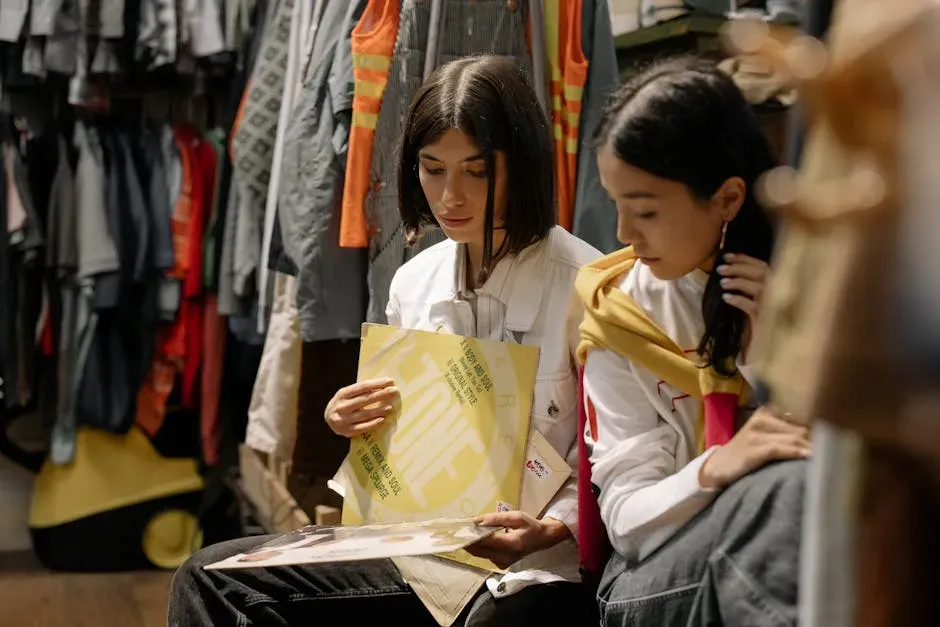
6. Millennials and Gen Z Are Embracing Secondhand Shopping (Image Credits: Pexels)
Sticker shock is steering more Gen Z shoppers toward resale, building off an already sizable base. Sixty-eight percent already buy secondhand, up three percentage points year over year, per ThredUp's 2025 Resale Report. Tariffs on imported apparel have added fresh urgency to the trend, making resale not just an ethical choice but an economic one.
According to PwC's analysis of nearly a million consumer transactions, Gen Z cut overall spending by 13 percent between January and April 2025, particularly in categories like apparel, accessories, and electronics. Secondhand marketplaces have stepped in to fill that gap. Supply is following demand, with 76 percent of retailers without a resale program saying they are considering launching one.
7. Older Gen Z Is Prioritizing High Savings Rates Despite Lower Incomes

7. Older Gen Z Is Prioritizing High Savings Rates Despite Lower Incomes (Image Credits: Unsplash)
PYMNTS Intelligence found that the 43 million Americans who are Gen Z working adults saved nearly 30 percent of their income over a recent six-month period. That's a bigger portion than all other age groups. In absolute dollar terms, the amounts are smaller, but the discipline is real and deliberate.
Over the last 12 months, roughly seven in ten Gen Zers took steps to improve their financial health, such as putting money toward savings or paying down debt. Still, the pressure is real. Building an emergency fund remains difficult for Gen Z, with over half not having enough emergency savings to cover three months of expenses. Saving a larger percentage of a smaller paycheck only goes so far when rent consumes much of it first.
8. Gen X Is Cutting Discretionary Spending to Cover Day-to-Day Costs

8. Gen X Is Cutting Discretionary Spending to Cover Day-to-Day Costs (Image Credits: Pexels)
The typical Gen X American spent close to $97,000 in 2024, far above the average consumer, according to U.S. Bureau of Labor Statistics data. Inflation and rising living costs are making things tough for consumers of all ages, and Gen X is no exception. Half of them struggle to afford basic day-to-day expenses for housing, food, and healthcare.
To meet these financial commitments, roughly a quarter of Gen X investors are taking on credit card debt, while more than a third are reducing nonessential expenses. The sandwich generation reality runs deep here too. Gen X is the most likely generation to be simultaneously supporting both children and aging parents. There's very little budget room left over when squeezed from both directions.
9. Boomers Are Re-Entering the Workforce After Retirement

9. Boomers Are Re-Entering the Workforce After Retirement (Image Credits: Pexels)
No matter their age, most Americans believe they will have to work in some capacity during their retirement years. Some will phase into retirement slowly rather than quit cold turkey, while others see no end in sight. An AARP Foresight 50+ Survey updated in February 2026 found that in the past six months, between six and seven percent of retirees have "unretired" and re-entered the labor force.
Fidelity estimates that a 65-year-old couple retiring in 2024 will need about $315,000 just to cover healthcare costs in retirement. That figure alone is enough to push many back into some form of paid work. Part-time roles, consulting, and seasonal work have all become common ways for older adults to supplement Social Security income that rarely covers actual living expenses.
10. Millennials Are Deploying Multiple Cost-Cutting Strategies Simultaneously

10. Millennials Are Deploying Multiple Cost-Cutting Strategies Simultaneously (Image Credits: Unsplash)
Younger consumers are more likely to seek out ways to manage their living costs, with roughly one in five millennials, bridge millennials, and Gen Zers deploying four or more strategies simultaneously, while one quarter of baby boomers and seniors have taken no action at all. Cutting back on dining out, switching grocery stores, and canceling subscriptions often happen all at once.
Nearly two thirds of Gen Zers focused on reducing expenses, with roughly four in ten cutting back on dining out and about one in four shopping at more affordable grocery stores. To offset growing expenses, two thirds of Gen Z reported in the 2024 Better Money Habits survey that they were making lifestyle changes including cutting back on dining out and skipping events with friends. These aren't minor adjustments. They represent a fundamental restructuring of daily life.