
Something is moving beneath the surface of everyday life, and it’s moving quicker than most people assumed it would. The forces shaping how younger generations work, spend, vote, and think about the future are not simply evolving gradually. They’re accelerating, colliding, and in some cases reversing assumptions that felt settled just a decade ago.
From the collapse of traditional career ambitions to a mental health crisis hiding in plain sight, the generational shift of the 2020s is revealing itself in hard numbers. What follows is a look at where the data is most surprising and what it actually means for the decades ahead.
The Five-Generation Workplace Has Never Existed Before

The Five-Generation Workplace Has Never Existed Before (Image Credits: Pexels)
For the first time in history, five generations, each with unique technological and formative experiences, are currently working side by side. That alone is a remarkable fact. It means a single office might hold someone who grew up with rotary phones and someone who has never known life without a smartphone.
By 2034, roughly four out of every five workers in advanced economies will comprise Millennials, Gen Z, and the first Gen Alphas to become adults. The implications for management, communication, and company culture are significant. Organizations that treat all workers as a single, uniform audience are already falling behind.
Climbing the Ladder Is No Longer the Goal

Climbing the Ladder Is No Longer the Goal (Image Credits: Unsplash)
Gen Zs and Millennials prioritize career progression, yet many are not motivated by reaching leadership positions. They’re focused on work-life balance and learning and development. Making money is important to them, but so is finding meaningful work and well-being. This isn’t apathy. It’s a recalibration of what success looks like.
Gen Zs are more focused on work-life balance than climbing the corporate ladder, with only six percent saying their primary career goal is to reach a leadership position. That figure is striking. The entire architecture of corporate motivation, built around promotion, title, and seniority, is increasingly irrelevant to the people entering the workforce right now.
Gen Z Is Walking Out the Door – and Employers Don't See It Coming

Gen Z Is Walking Out the Door – and Employers Don't See It Coming (Image Credits: Unsplash)
About a third of Gen Z employees plan to switch jobs within the next six months, up from about a quarter the previous year. That’s nearly one in three early-career professionals preparing to leave. The pace of that jump in just one year is what makes it notable.
Fewer than a third of employers believe their Gen Z employees are actively job hunting, and only a small fraction think more than half of their workforce is considering switching. This underestimation reflects a potential empowerment disconnect between what Gen Z feels they need to succeed and what employers think they’re offering. The gap isn’t just about pay. It’s about being genuinely heard.
Mental Health Has Become the Defining Crisis of a Generation

Mental Health Has Become the Defining Crisis of a Generation (Image Credits: Unsplash)
Nearly all Gen Z youth, close to ninety-four percent, report experiencing mental health challenges in an average month, according to a 2025 poll by Blue Shield of California. Deloitte’s 2025 global survey found that roughly four in ten Gen Z respondents report feeling stressed or anxious most or all of the time. Nearly half rate their mental well-being as fair or poor.
Gen Z is also driving a notable surge in therapy uptake. Nearly half say they are currently in therapy, a substantial increase since 2022. The preference for telehealth is part of this, with six in ten preferring virtual care over in-person visits, which removes some of the access and stigma barriers that kept earlier generations out of treatment. They’re not just suffering more. They’re also seeking help more actively than any generation before them.
Social Media Is Becoming Less Trusted – Even by Heavy Users
Social Media Is Becoming Less Trusted – Even by Heavy Users (Image Credits: Unsplash)
Fewer teens now credit social media as a support system. The share who say social media platforms make them feel like they have people who can support them through tough times has declined to just over half in 2024, down from two-thirds in 2022. That’s a significant erosion of trust in just two years.
Around two-thirds of Gen Z have taken a social media break specifically for their mental health, the highest intentional disconnection rate of any generation. There’s a genuine tension here. Most Gen Z youth spend four or more hours daily on social media, and nearly two-thirds say it is their primary source of news and information. Awareness of the problem and the ability to step away from it are, for now, two very different things.
The Political Map of Young Voters Is Being Redrawn

The Political Map of Young Voters Is Being Redrawn (Image Credits: Unsplash)
In Europe, voters from Generation Z swung from favoring the Greens in the 2019 European Parliament elections to supporting parties of the right in 2024. In the United States, while Generation Z might still support some left-wing causes, they have shifted noticeably toward the right since 2020 as their priorities change. This is one of the more dramatic reversals in recent political data.
One of the most striking polling findings in recent years is the significant gap in attitudes between Gen Z men and women on social issues like gender equality. In certain countries, this gap is beginning to be reflected in voting patterns, with young men playing a key role in the rise of populist parties, while young women are becoming even more progressive. Rather than a unified “youth vote,” what’s emerging is a deeply split young electorate.
Gen Z's Financial Picture Is More Complicated Than It Looks

Gen Z's Financial Picture Is More Complicated Than It Looks (Image Credits: Pexels)
Gen Z is ahead of other generations when it comes to investing, with a large increase in those holding stocks and shares since 2017. Over the same period, there’s been a notable drop in those without savings or investments at all. These trends show a generation that’s thinking ahead about their financial futures, balancing caution with ambition.
Still, the structural disadvantages are real. In 2025, the share of first-time homebuyers dropped noticeably, and the average age of those buyers reached a record high of 40. Just a third of today’s 27-year-olds own their homes, compared to roughly four in ten Baby Boomers who owned homes at the same age. Younger generations are investing earlier but entering property ownership later, a paradox that will likely define their financial trajectory for decades.
The Great Wealth Transfer Is Already in Motion

The Great Wealth Transfer Is Already in Motion (Image Credits: Unsplash)
America stands at the edge of the most dramatic shift in personal finance ever measured: a generational transfer of nearly 124 trillion dollars in assets over just 25 years. According to a wealth transfer report from Cerulli Associates published in mid-2025, a combination of demographic and economic forces will see a record amount of wealth move from Baby Boomers to heirs and charities by 2048.
Millennials, despite delayed life milestones and entry into the workforce during the Great Recession, are set to inherit 46 trillion dollars, more than any other demographic, by 2048. How they choose to deploy that capital will matter enormously. Nearly three-quarters of Millennial and Gen Z investors already hold ESG assets, compared to only about a quarter of older investors, which suggests the priorities driving those trillions won’t mirror those of the generation that accumulated them.
AI Is Reshaping What It Means to Be Young and Starting Out
AI Is Reshaping What It Means to Be Young and Starting Out (Image Credits: Unsplash)
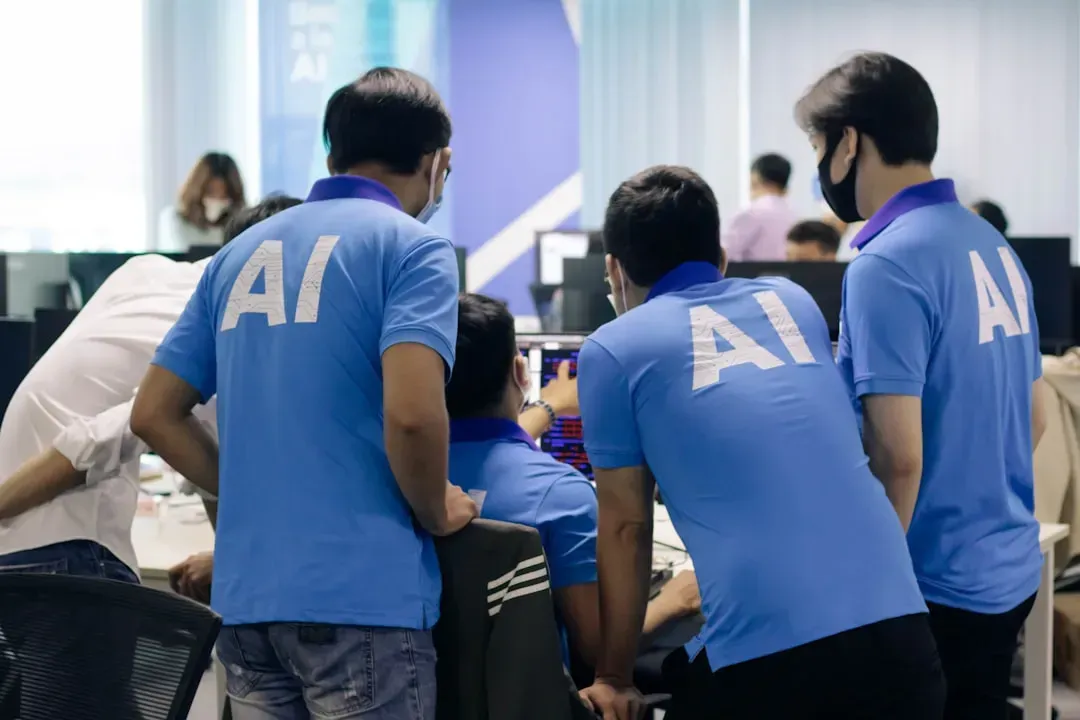
In 2025, the unemployment rate for recent college graduates jumped noticeably as companies increasingly use AI to automate entry-level tasks like data analysis, writing, and research. A Wall Street Journal analysis highlighted how AI is affecting an already fragile market, with recent graduates accounting for a shrinking share of new hires. The traditional career ladder, where you paid your dues in junior roles before advancing, is being disrupted before Gen Z has even had a chance to climb it.
Gen Z leads in the educational use of AI, with more than six in ten using it for learning, which contrasts sharply with older generations’ focus on workplace applications. Gen X and Millennials primarily use AI for professional tasks. The generational divide in how people relate to AI, fear of replacement versus tool of advancement, is one of the clearest fault lines running through today’s workforce. How it resolves will shape the next twenty years of economic life more than almost any other single variable.
Generation Alpha Is Already Watching – and Waiting

Generation Alpha Is Already Watching – and Waiting (Image Credits: Unsplash)
It’s estimated there are approximately two billion members of Generation Alpha across the globe in 2025. But Gen Alpha is no longer the youngest generation. 2025 marked the beginning of Generation Beta, who were born from 2025 to 2039. The generational conveyor belt doesn’t pause.
Generation Alpha, born from 2010, will be even more tech-savvy than those before them. They’ll expect workplaces to be fully integrated with technology. Their views will be influenced by Millennials’ entrepreneurial spirit and Gen Z’s problem-solving approach. Whatever challenges are shaping Gen Z today, Generation Alpha is absorbing them as background noise, forming expectations and worldviews that will only become visible when they arrive in full force over the next decade.