
Few coins in modern American history carry as much intrigue packed into a single year as the 1982 Lincoln cent. Most people assume a penny is just a penny. Dig deeper, and you’ll find that 1982 is arguably the most complex year ever for this humble coin, full of hidden variety, surprising history, and life-changing value hiding in plain sight.
Whether you’ve got a jar of old change gathering dust on your dresser or you’re a seasoned numismatist, there’s something genuinely fascinating happening with these coins. The story involves rising commodity prices, a mid-year switch at the U.S. Mint, rare mistakes that now sell for tens of thousands of dollars, and a treasure hunt that is very much still ongoing. Let’s dive in.
Why 1982 Was the Last Year for True
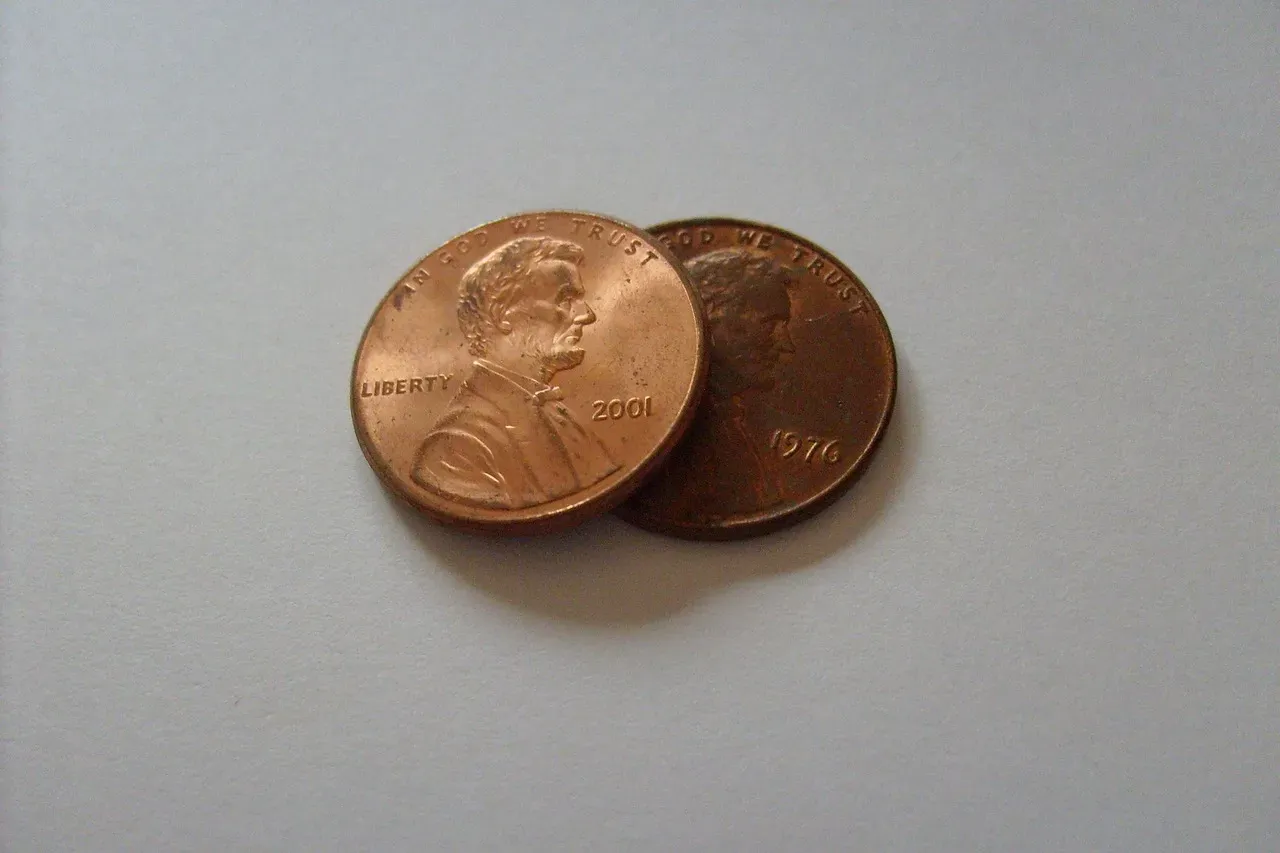
Why 1982 Was the Last Year for True (Image Credits: Pixabay)
In the early 1980s, copper prices soared, and by 1981 to 1982, each coin cost more than one cent to produce. That's the kind of economic paradox that keeps government accountants up at night. The reason for the change was purely economic: by the early 1980s, the price of copper had risen so much that the metal in a penny was worth more than one cent, a situation known as having a negative seigniorage, and it's a major problem for any government mint.
In 1982, rising production costs forced the U.S. Mint to move away from the traditional 95% copper composition to a cheaper copper-plated zinc core, and this transition happened mid-year, creating several of the 1982 Lincoln cent varieties we see today. Think of it like a factory switching from steak to chicken halfway through the lunch rush. All cents before 1982 are solid copper and cents after 1982 are copper-coated zinc, and cents of 1982 are the only ones in question.
The Two Distinct Metal Compositions
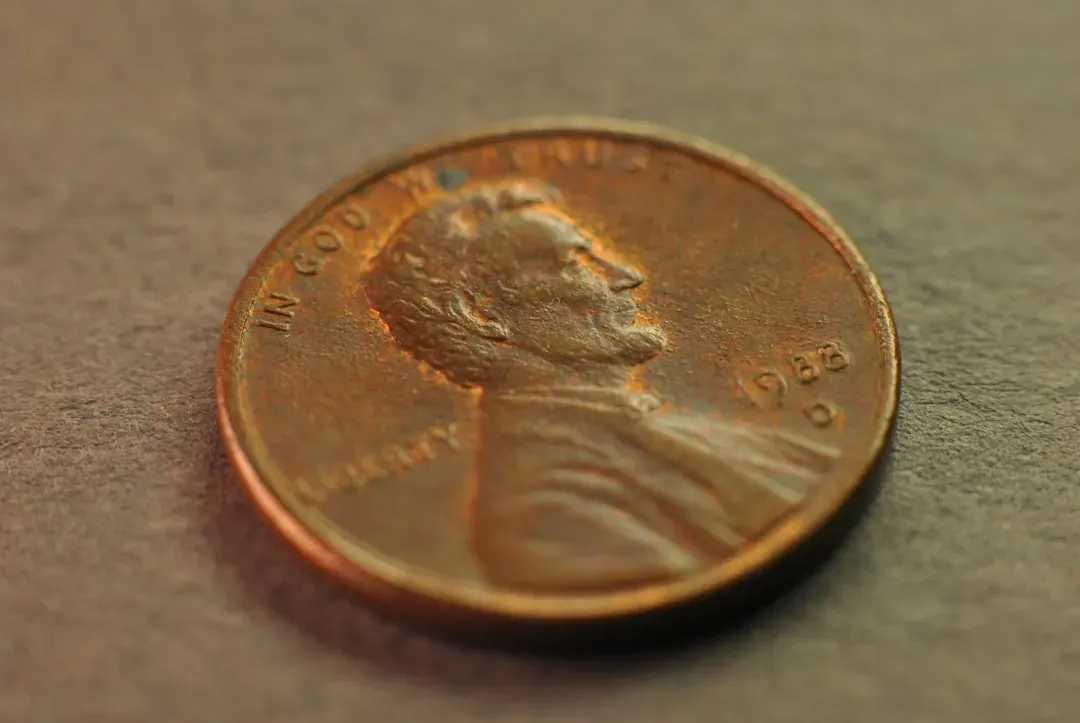
The Two Distinct Metal Compositions (Image Credits: Unsplash)
Bronze copper cents weigh 3.11 grams and contain 95% copper, and when dropped on a hard surface, they produce a clear, higher-pitched ring. Zinc cents weigh 2.5 grams and produce a duller clunk when dropped. Honestly, this is one of those things you have to experience yourself. The difference in sound is subtle but real.
Before mid-1982, the penny was made of 95% copper and 5% zinc. After mid-1982, the penny switched to a composition of 97.5% zinc with a 2.5% copper plating, and this change was implemented to reduce costs amid rising copper prices. This is why a modern penny that gets a deep scratch will often reveal a silvery-gray color underneath. That tiny gray scratch tells you everything about when your coin was born.
Seven Official Varieties in a Single Year
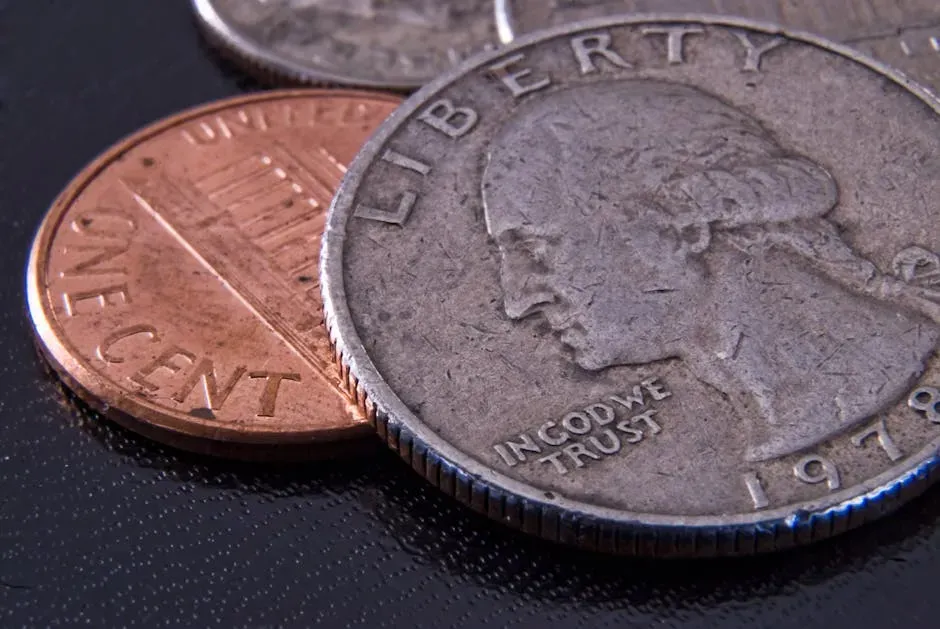
Seven Official Varieties in a Single Year (Image Credits: Pexels)
The metal composition change, along with minor design variations, created several different types of 1982 pennies to collect, and counting various combinations of metal content, mint marks, and date sizes, there are 7 different types of 1982 pennies. When you include the 1982-S proof penny and some minor error varieties, the number rises to well more than a dozen. That's extraordinary for any single calendar year.
It was a year of profound change at the United States Mint, resulting in seven official 1982 Lincoln cent varieties, and one legendary transitional error that shouldn't exist. Philadelphia Mint's 1982 output represents the most diverse group in the transitional year series, encompassing five distinct varieties that span both composition types and design changes, and collectors must weigh and visually examine each coin to determine exactly which variety they hold.
Large Date vs. Small Date: What's the Difference?
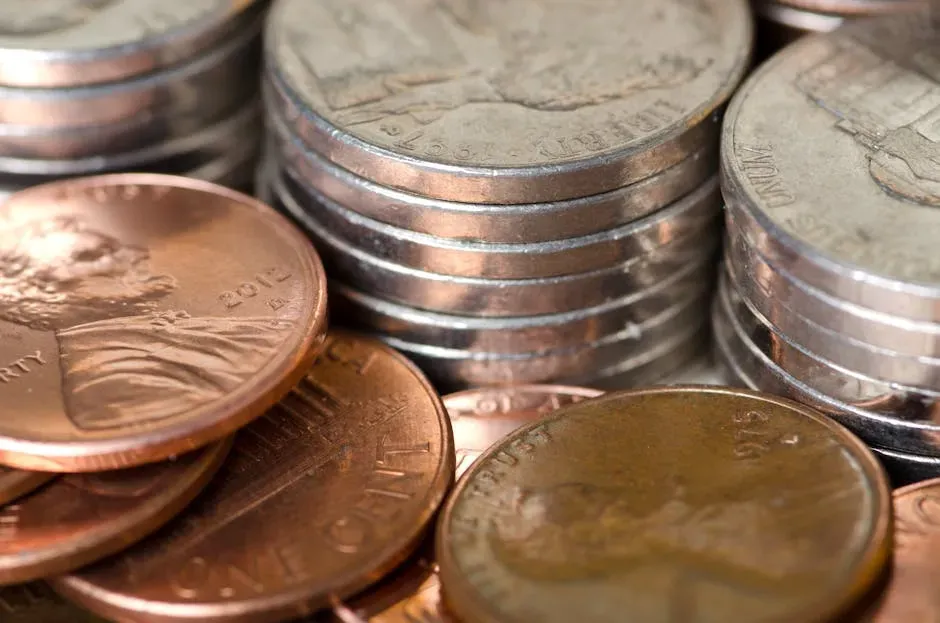
Large Date vs. Small Date: What's the Difference? (Image Credits: Pexels)
As a result of trouble striking the new copper-coated zinc planchets, the new obverse featured design changes like the small date variety. On the small date variety, the date, as well as the words LIBERTY and IN GOD WE TRUST, were made smaller. In addition to reducing the size, the letters and numbers were made slightly more delicate, and the numbers in the date were moved further away from the rim of the penny.
One of the best ways to distinguish is to look at the number "2" in the date. The large date "2" has a thick, fat base with no curve, while the small date "2" has a delicate base with a slow curve at its base. It's a surprisingly subtle difference when you first look. Side-by-side comparison under good lighting is genuinely the best approach for a beginner.
How to Tell Copper from Zinc at Home
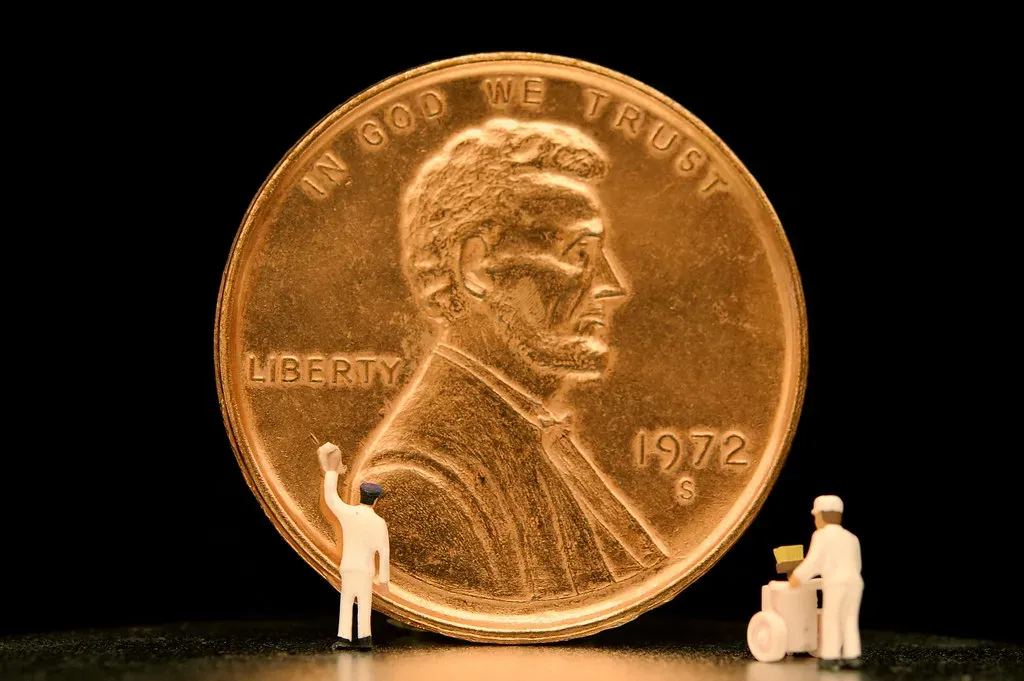
How to Tell Copper from Zinc at Home (JD Hancock, Flickr, <a href="https://creativecommons.org/licenses/by/2.0/" target="_blank" rel="noopener">CC BY 2.0</a>)
A digital scale accurate to 0.01 grams is the most reliable identification tool, and the 0.61-gram difference between compositions is large enough to identify reliably even with basic digital scales that cost just a few dollars. Do not try to identify composition by sight alone, as the copper plating on zinc coins makes them look nearly identical to bronze coins.
Here's the thing: the look-alike problem is real. If you're in a pinch and don't have a coin scale handy, you can tell whether or not a penny is made primarily from copper if it rings upon hitting a hard surface, such as a table, because copper coins ring on impact while zinc cents just click. It's a fun party trick, but for anything serious, grab a scale. While some collectors suggest dropping the coin to hear the ring of copper versus the clunk of zinc, physical impact can damage the coin's surface and lower its technical grade.
The Rarest of Them All: The 1982-D Small Date Copper Penny
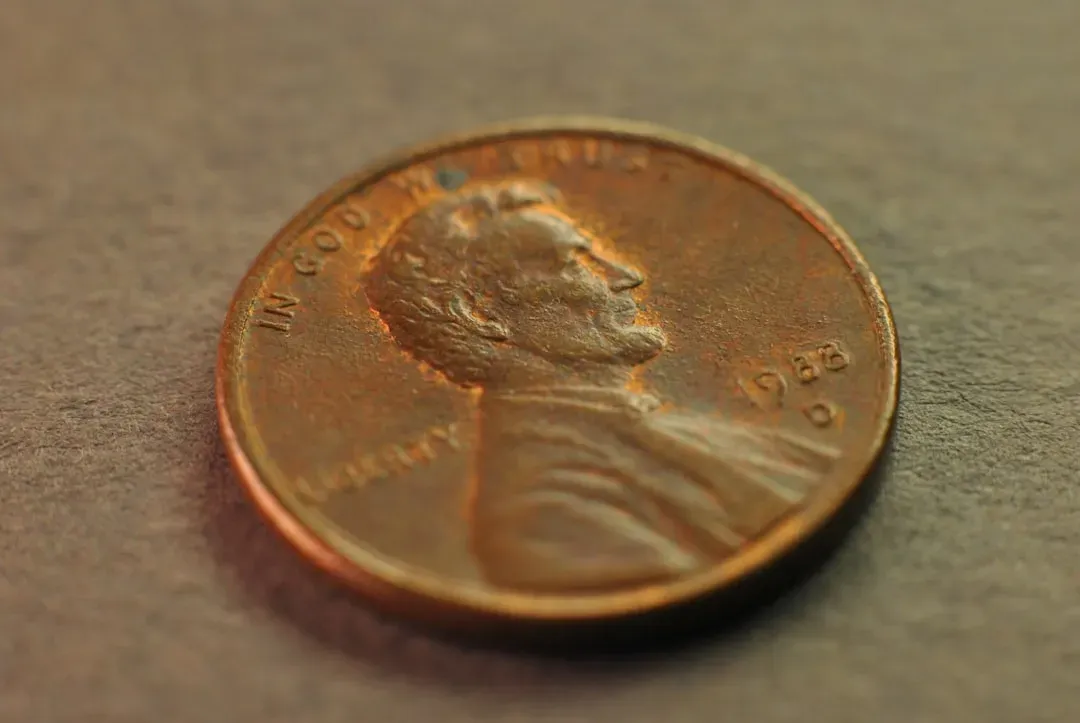
The Rarest of Them All: The 1982-D Small Date Copper Penny (Image Credits: Unsplash)
It's theorized that the 1982-D Small Date copper penny was created when a brass planchet, or prepared coin blank, was left in the Mint's coin hopper by accident and was inadvertently fed into the coining presses. At least two were unknown until the first one was discovered by Paul Malone on November 23, 2016, while he was sorting his 1982 pennies. It was the first-ever reported discovery of a 1982-D Small Date penny, and what's amazing is that it took nearly 35 years for it to be found.
The first known 1982-D Small Date copper penny sold for $18,800 at a Stack's Bowers auction on August 3, 2017. A second one was discovered a short while later and sold for $10,800 in an April 25, 2019, Heritage Auctions sale. Both coins have light wear and were found in circulation. Let that sink in. Two coins that look like ordinary pocket change, each worth the price of a used car.