
Self-care has always been a moving target. What felt revolutionary five years ago can quietly become background noise, and sometimes what looked like a genuine lifestyle shift turns out to be a passing phase dressed up in wellness language. The industry has grown at a staggering pace, with the global wellness market now worth measurably more than it was before the pandemic, touching nearly every corner of daily life from diet to sleep to digital habits.
The shift happening right now, though, is less about adding new rituals and more about letting go of ones that never quite delivered. The backlash against stressful, high-tech wellness is reaching real cultural force. Wellness experiences are embracing what humans actually are: imperfect, emotional, relational, and sensory, with offerings pivoting to meaning over measurement, catharsis over clinical data, and self-expression over self-surveillance. Here are eleven self-care trends quietly fading out – and what’s taking their place.
1. Extreme Juice Cleanses and "Detox" Protocols
1. Extreme Juice Cleanses and "Detox" Protocols (Image Credits: Pexels)
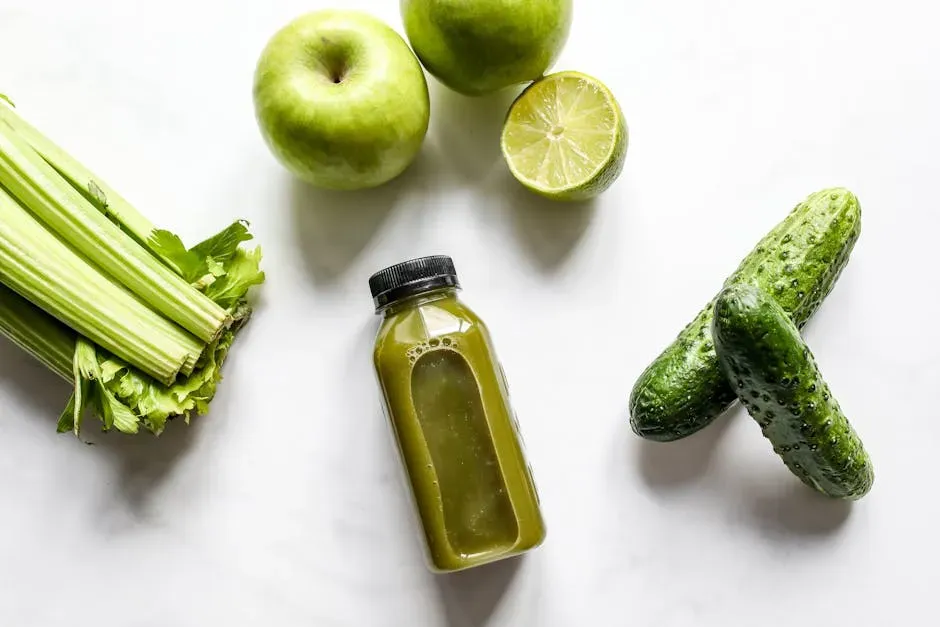
The juice cleanse had a long run. For years, a three-to-seven day liquid fast was treated as a seasonal reset button, a way to "flush out" accumulated toxins after a period of indulgence. The appeal was intuitive, even if the science was shakier than the marketing suggested. Experts are now turning away from unsubstantiated "detox" protocols, extreme cleanses, and other dramatic claims. The reality is that the liver and kidneys are already doing the job these products claim to perform.
The belief that the body has accumulated hidden toxins that can be "flushed out" with the right action, supplement, or protocol remains persistent – but the forms it takes are constantly evolving, adapting to current fears and trends rather than standing on solid evidence. What's replacing it is a quieter, more durable approach: a focus on holistic gut health, with trends like "fibermaxxing," fermentation, and microbiome-supportive products gaining serious traction, driven by peer-reviewed research linking gut health to metabolic function, immunity, mental health, and chronic inflammation.
2. The 10-Step Skincare Routine
2. The 10-Step Skincare Routine (Image Credits: Unsplash)
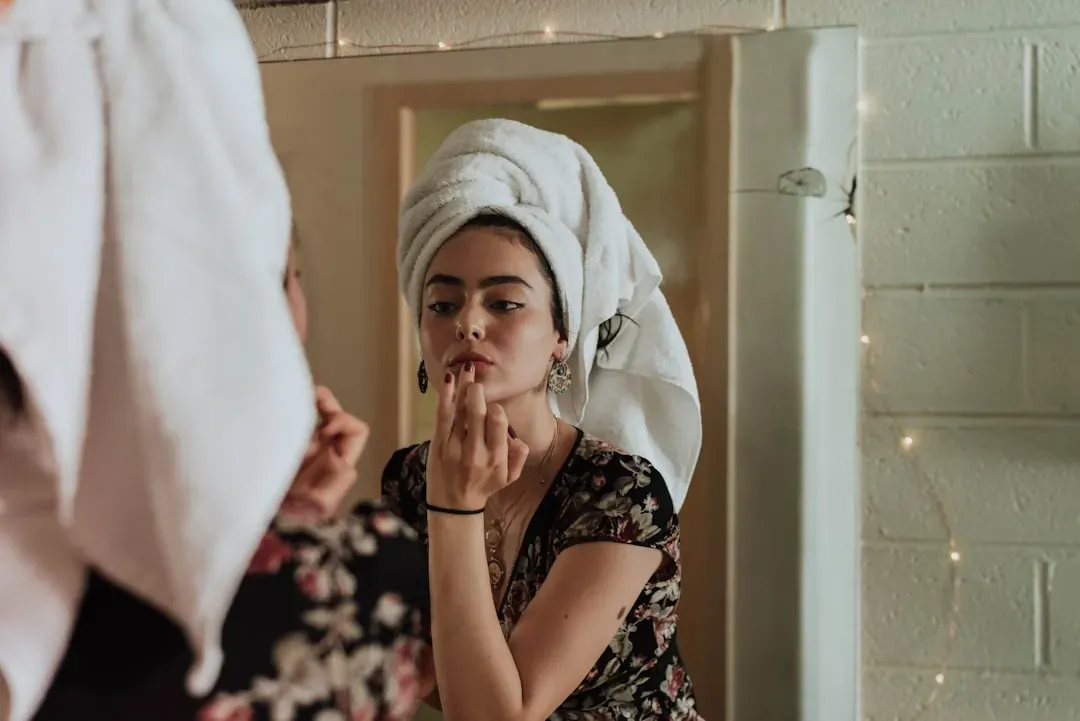
Multi-step skincare became something of a badge of honor, with routines stretching to ten or even twelve products layered in careful sequence. Social media amplified it, shelf space expanded, and bathrooms filled up fast. The problem was that more steps don't always mean better skin – and in many cases, the opposite proved true. When the skin's ecosystem is disrupted through over-cleansing, harsh actives, or environmental stress, concerns such as acne, eczema, rosacea, and sensitivity often follow.
In 2026, we're seeing a clear move toward simple, minimalist skincare routines. People are moving away from long, drawn-out, multi-step approaches to simpler, gentler routines focused on barrier health and fewer irritants. The term "skinimalism" has resurfaced as a genuine philosophy rather than a marketing slogan, with dermatologists advising that a good cleanser, sunscreen, and one targeted active ingredient can outperform an overcrowded shelf of products. People want evidence-based yet personalized, sustainable care. Microbiome-friendly skincare and treatments are gaining popularity, with the idea being to support and strengthen the skin with ingredients that mimic the natural skin environment.
3. Hustle Culture Wellness (5 AM Routines and Productivity-First Self-Care)

3. Hustle Culture Wellness (5 AM Routines and Productivity-First Self-Care) (Image Credits: Unsplash)
For a while, self-care got co-opted by productivity culture. Waking at 5 AM, cold showering, journaling, meditating, working out, and still being at your desk by 7 – this kind of hyper-optimized morning became aspirational content. Trends like the 75 Hard Challenge exemplified what many are now moving away from: all discipline, all the time. After the year many had in 2025, the appetite shifted toward something more about grace.
There was once a time when self-care was something you earned – after burnout, after breaking down, after pushing yourself to some limit. As we look at 2026, the conversation feels different. The quest for fulfillment is no longer about radical transformations, but about repeating simple daily gestures of self-care. Small, sustainable actions are winning over dramatic, unsustainable performance rituals. The goal is no longer optimization – it's livability.
4. Obsessive Sleep Tracking and "Sleepmaxxing"
4. Obsessive Sleep Tracking and "Sleepmaxxing" (Image Credits: Pexels)
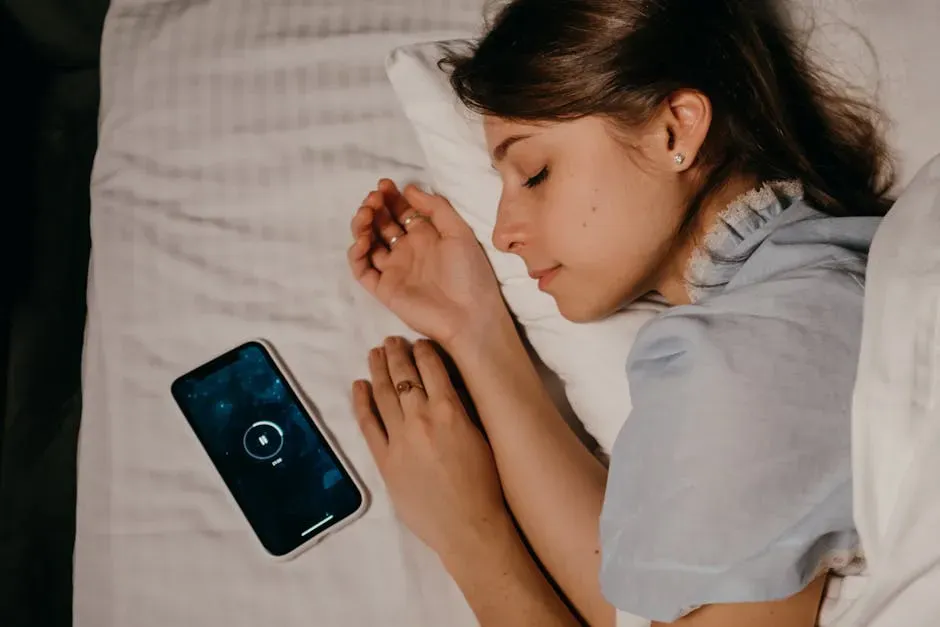
"Sleepmaxxing" was everywhere in 2024 – mouth taping, temperature control gadgets, multi-supplement stacks, and obsessing over every micro-metric from REM percentage to HRV scores. Trends such as sleepmaxxing took off in 2024, with users sharing their tips on how to get a good night's sleep. The irony is that the anxiety produced by tracking sleep too closely can actually disrupt the very rest people are chasing.
The focus isn't on logging eight hours; it's on making the time you do sleep count. While 2025 saw a new wearable, app, or supplement popping up daily promising to help improve your sleep, more sound sleep might come from doing less, not more. Sleep optimization in 2026 is less about tracking every single metric and more about protecting circadian rhythm and nervous system regulation. The shift is toward protecting the conditions for good sleep rather than engineering it into submission.
5. Toxic Positivity as Self-Care
5. Toxic Positivity as Self-Care (Image Credits: Pexels)
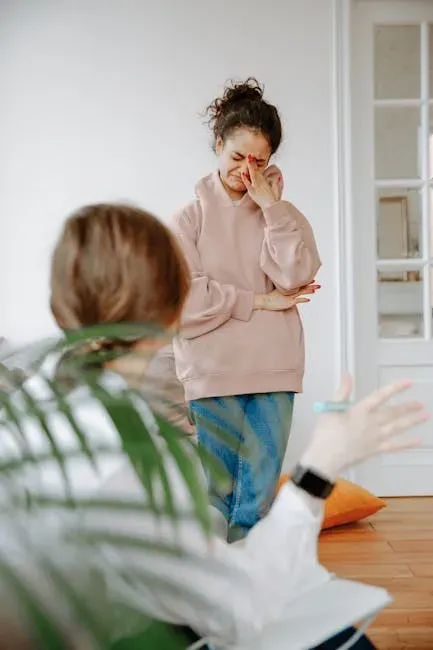
The idea that maintaining a relentlessly upbeat attitude was a form of self-care had a strong cultural moment. Gratitude journals were everywhere, affirmation culture boomed, and any acknowledgment of difficulty was framed as a mindset problem to be corrected. Wellness culture is finally saying goodbye to toxic positivity. Suppressing difficult emotions under a veneer of forced optimism is increasingly understood to be its own form of mental health risk, not a remedy.
What's replacing it is something closer to emotional honesty. In 2026, emotional wellness isn't just reactive – it's proactive, preventive, and treated like physical fitness. Breathwork, mind-body practices centered on nervous system regulation, resilience, and emotional balance are all rising as legitimate tools. The goal isn't to feel positive all the time. It's to build the capacity to feel, process, and recover – which requires acknowledging the full range of human experience.
6. Solo Wellness as the Default Mode
6. Solo Wellness as the Default Mode (Image Credits: Unsplash)
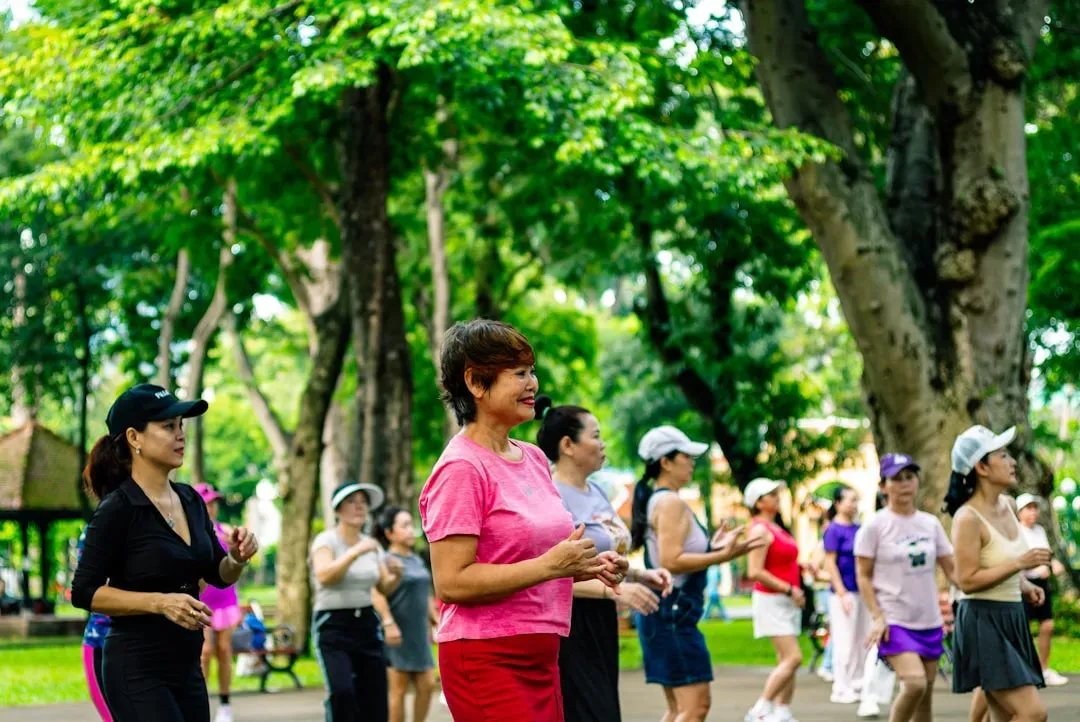
Self-care, almost by definition, was treated as a solitary endeavor. You retreated from the world to restore yourself – a bath alone, a walk with headphones in, a solo meditation app session before bed. The peak of the "wellness girl" era encouraged self-isolation. In 2026, wellness is getting a plus one. People aren't treating self-care like a solo sport anymore – we're ditching solo wellness for in-person connection.
In 2026, researchers and wellness leaders are documenting a clear shift: women are ditching solo optimization for real-life connection, seeking spaces where they can belong, be seen, and move together. Modern wellness emphasized self-work – self-care, self-regulation, self-mastery. These have value. Without shared experience, though, they can quietly deepen isolation. Community-based fitness, group retreats, and wellness membership clubs are all rising to fill the gap left by individualized routines.
7. Generic Supplement Stacking
7. Generic Supplement Stacking (Image Credits: Pexels)
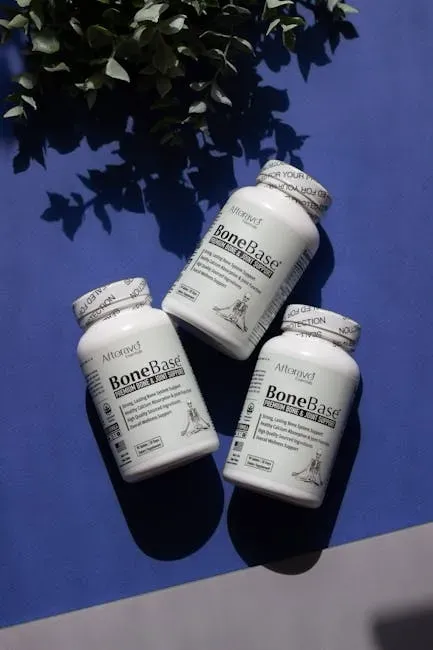
Viral supplement stacks became a kind of wellness shorthand. A capsule for energy, one for sleep, one for focus, one for gut health, one for collagen – often purchased based on social media trends rather than any personal health data. Roughly half of shoppers now rank clinical effectiveness as the top factor in their supplement purchases, compared with only about a fifth who care most about "clean" or "natural" labels. Meanwhile, more than three-quarters of consumers say they are concerned about misleading health claims in supplements.
Manufacturers are responding by investing in advanced testing to prove their supplements deliver science-backed health gains, driving the supplement testing market from $2.4 billion in 2025 to an expected $3.6 billion in 2030. Precision is now the expectation. People are upgrading annual bloodwork to include advanced panels that track hormones, inflammation, metabolomics, and biological age, making precision nutrition and data-driven supplement plans increasingly common. The era of blindly following a TikTok stack is giving way to targeted, test-based approaches.
8. High-Stimulant Energy Drinks as a Wellness Tool
8. High-Stimulant Energy Drinks as a Wellness Tool (Image Credits: Pexels)
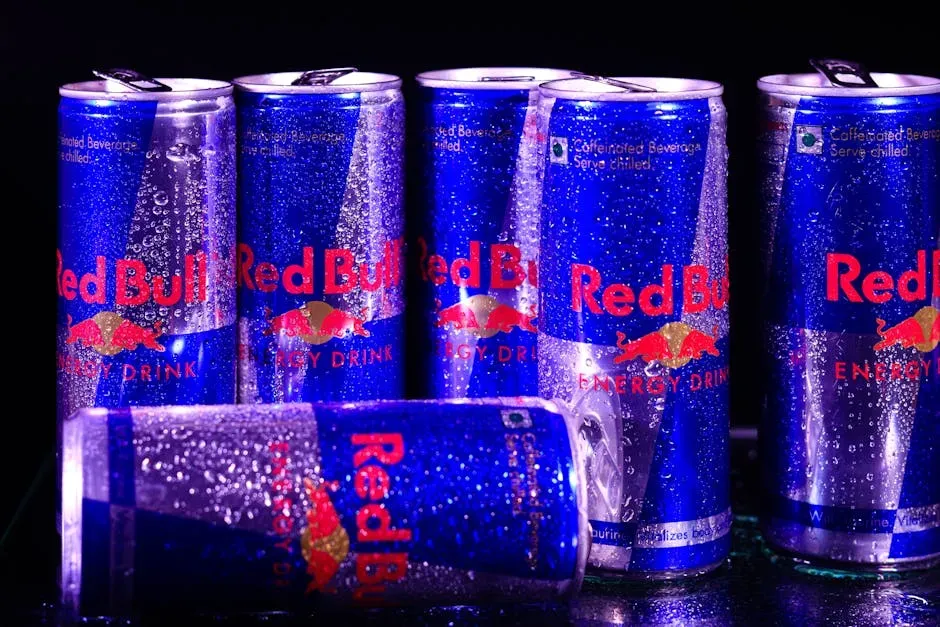
Energy drinks were quietly adopted into wellness routines under the premise that performance equals self-care. The problem is that most of the leading products delivered energy through stimulant overload – a jittery, crash-prone spike that worked against sleep quality, anxiety management, and the very nervous system regulation people were trying to achieve. In 2025, consumers sent a clear message: they want to feel energized – but never overstimulated. The heart-racing, jitter-inducing caffeine highs of old-school energy drinks are officially out.
Clean caffeine sources like matcha, guayusa, tea extracts, and L-theanine–enhanced blends are dominating beverage pipelines. 2026 energy products focus on clarity, mood balance, and mental endurance rather than sheer stimulation. Expect sparkling "focus waters," low-caffeine matcha blends, and adaptogenic energy shots promising both performance and calm. The desired feeling has fundamentally changed: less wired, more steady.
9. Passive Recovery Rituals (Bath Bombs and Bubble Baths as the Whole Strategy)
9. Passive Recovery Rituals (Bath Bombs and Bubble Baths as the Whole Strategy) (Image Credits: Pexels)
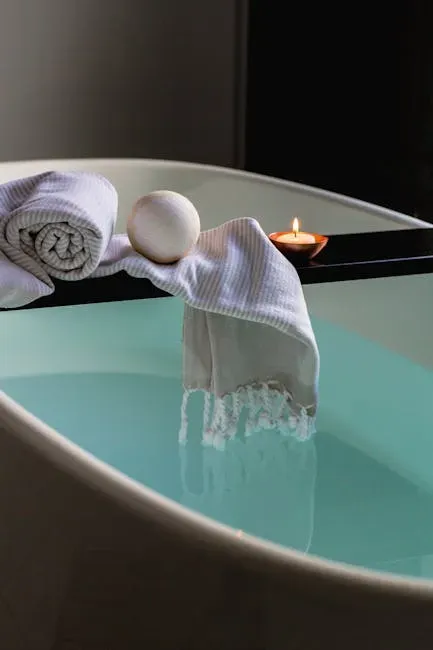
The bath bomb became the emblem of a generation's self-care shorthand. Drop, soak, repeat. There's nothing wrong with a warm bath – it genuinely supports relaxation and nervous system regulation – but treating it as a complete wellness strategy was always a bit thin. In 2026, the ultimate status symbol won't be working harder – it will be recovering smarter. After years of hustle culture, people are realizing that their energy, focus, and joy are finite resources that deserve real care.
Recovery modalities like cryotherapy, red light therapy, infrared sauna, and lymphatic drainage are moving from elite athlete circles into mainstream wellness routines. Consumers are learning that recovery isn't passive – it's performance for life. It's how we recharge our systems, calm inflammation, regulate stress hormones, and restore balance so we can live fully. Recovery has become an active practice, not an afterthought with fizzing color.
10. One-Size-Fits-All Wellness Programs
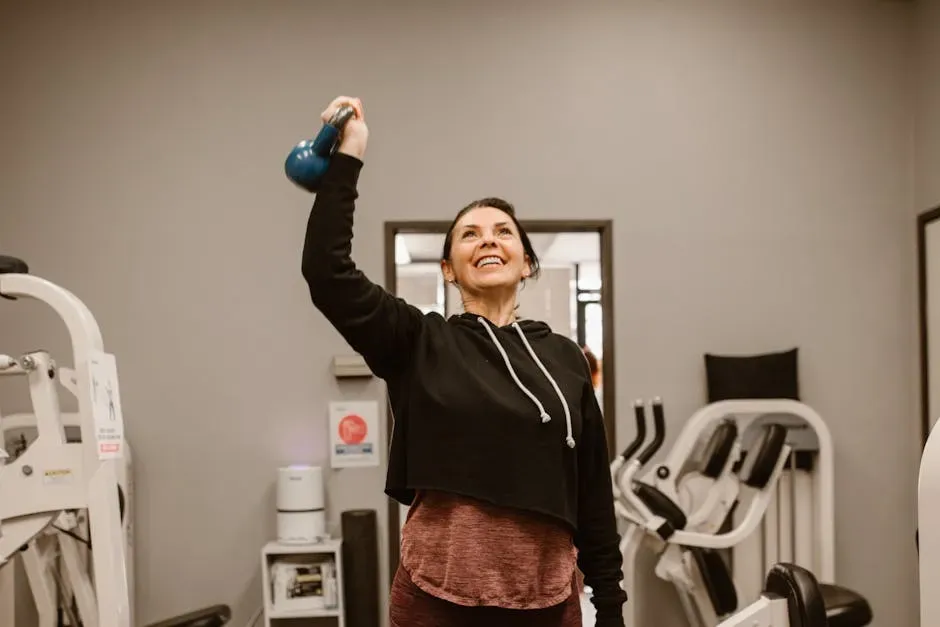
10. One-Size-Fits-All Wellness Programs (Image Credits: Pexels)
For years, wellness programs – in gyms, at workplaces, through apps – were built on generic frameworks. Everyone got the same calorie targets, the same step counts, the same generic stress management tips. In 2026, the "one-size-fits-all" approach is losing ground. Instead, consumers and brands are embracing customization powered by AI, data analytics, sensors, and digital tools. What works for one body, one hormonal profile, and one lifestyle simply doesn't transfer wholesale to another.
AI-driven platforms now perform diagnosis, recommend, or even formulate products tailored to individual skin type, scalp condition, or biomarker profile. The "hyper-personalization" trend is visible across the wellness industry, combining genomics and real-time feedback using interconnected devices. In 2026, wellness is moving beyond the collective, becoming smarter, science-based, and highly personalized. The expectation has shifted: real self-care should actually match the person doing it.
11. Metric Overload and Constant Biometric Self-Surveillance
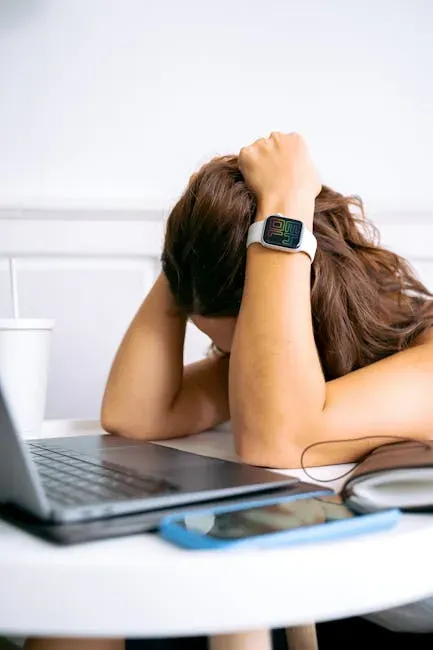
11. Metric Overload and Constant Biometric Self-Surveillance (Image Credits: Pexels)
Wearables opened up something genuinely useful – the ability to understand patterns in sleep, recovery, and movement. Then, fairly quickly, the tracking became compulsive. As health data multiplied, many experienced analysis paralysis rather than clarity, overwhelmed by constant self-tracking and fear of "getting it wrong." While longevity research, diagnostics, and health technology have undeniably expanded human potential, optimization without integration is proving costly.
Many guests at wellness retreats arrive overwhelmed by wellness itself: conflicting advice, endless supplements, constant tracking, and perpetual inadequacy. Simplicity isn't about minimalism for aesthetics – it's about the power of doing less, better. Reducing cognitive and emotional load so there's actually space to feel what's working. The over-optimization backlash marks a decisive cultural pivot away from peak wellness and toward something far more human. The fastest-growing spaces in wellness are now prioritizing nervous-system safety, emotional repair, and pleasure over metrics. Turns out, sometimes the best self-care move is simply to put the device down and trust how you feel.
Self-care at its most useful has always been about sustainability – practices that genuinely support the body and mind over time, rather than trends that demand constant effort for diminishing returns. The patterns fading out right now share a common thread: they prioritized performance, appearance, or marketability over actual wellbeing. What's rising in their place is quieter, more evidence-based, and far more personal. That's not a bad direction for the field to be heading.