
Older homes have a habit of making people feel something that newer construction rarely achieves. There’s a weight to the rooms, a sense that the walls and floors have absorbed decades of life. That’s not sentiment talking – it’s craftsmanship, proportion, and material quality that simply aren’t part of standard building practice anymore.
Old houses offer character and craftsmanship that can’t be duplicated today. The temptation during a renovation is to modernize everything in sight, but designers increasingly push back on that impulse. Some of the most valuable things in an older home are also the most overlooked. Here are eleven features worth holding onto.
Original Hardwood Floors
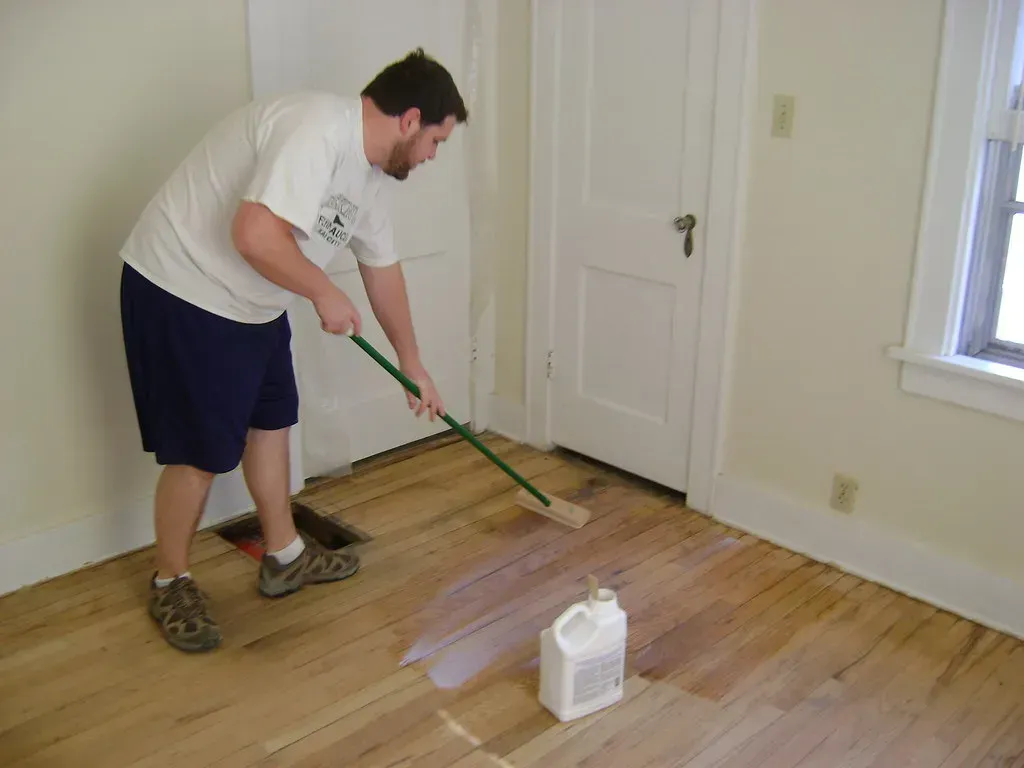
Original Hardwood Floors (Hey Paul Studios, Flickr, <a href="https://creativecommons.org/licenses/by/2.0/" target="_blank" rel="noopener">CC BY 2.0</a>)
There’s a reason original hardwood floors are so coveted in vintage homes – they combine timeless beauty with remarkable durability. Unlike modern laminate options, these floors can be sanded and refinished multiple times, restoring their luster and highlighting their unique grain patterns. The wood used in homes built before the mid-20th century was often old-growth timber, denser and tighter-grained than anything available today.
Original hardwood floors, even those hidden under carpet for decades, can often be refinished to their former glory. Solid wood doors, plaster crown moldings, or vintage doorknobs may just need a deep clean or minor repair. Refinishing rather than replacing is almost always the smarter call, both financially and aesthetically.
Crown Molding and Decorative Trim
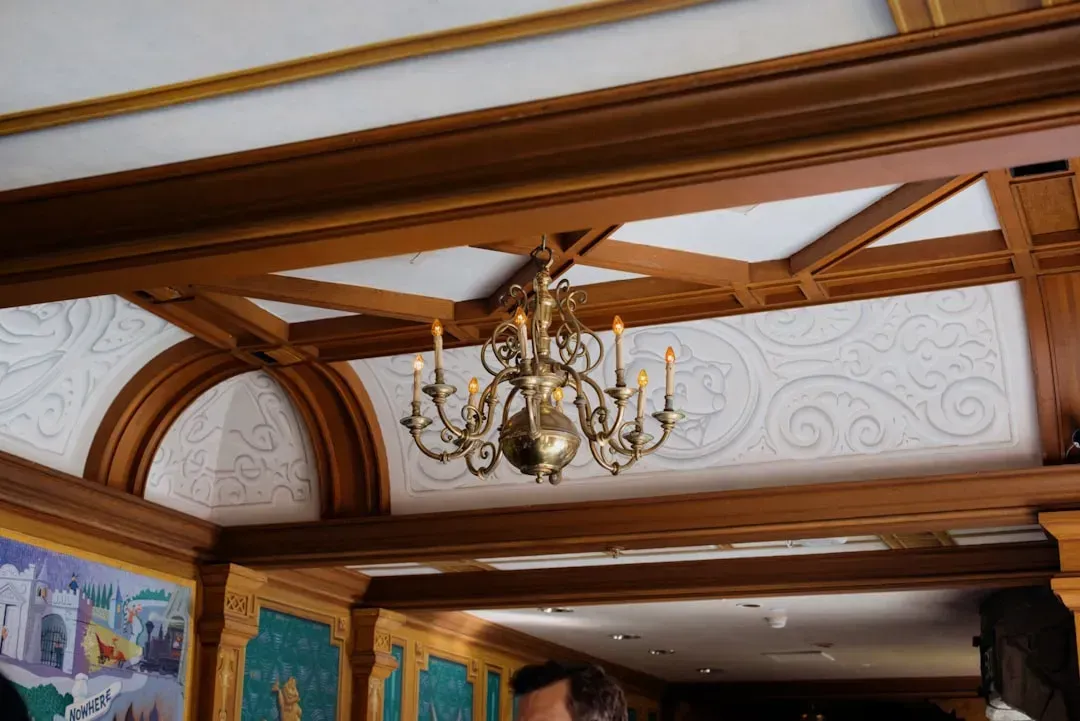
Crown Molding and Decorative Trim (Image Credits: Unsplash)
The intricate details of crown molding and decorative trim are a testament to the artistry found in older homes. Unlike today’s simpler, mass-produced trims, vintage moldings showcase hand-carved patterns and elegant profiles that beautifully frame ceilings and doorways. Preserving these elements enhances a home’s architectural richness and visual interest.
Designers are seeing a renewed appreciation for moldings – larger baseboards, crowns, and architraves – that bring a layered, curated sensibility back into the home. Wood paneling is also making a major return, particularly in entryways and transitional spaces. What was once dismissed as fussy or old-fashioned is now recognized for what it always was: considered design.
Plaster Walls
Plaster Walls (Image Credits: Unsplash)
Older homes often come with intricate details that modern construction lacks, such as hand-carved woodwork, original plaster walls, and vintage sconces. These details, while sometimes in need of repair, offer an unmatched level of craftsmanship. Plaster walls are also denser than drywall, which means better sound insulation and a surface that holds paint with noticeably more depth and richness.
Designers who specialize in historic homes consistently flag plaster as one of the first things homeowners want to remove and one of the hardest things to replicate convincingly. Opting to refurbish or restore finishes and architectural details instead of replacing them with modern ones is the smarter path. With careful planning and attention to the imperfect details, you can renovate a home while preserving its character and charm.
Original Fireplaces and Mantels
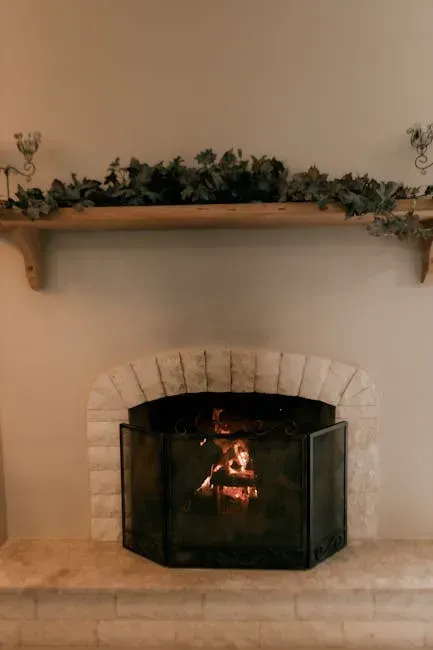
Original Fireplaces and Mantels (Image Credits: Pexels)
A carved fireplace mantel is often the centerpiece of a vintage living room, offering both architectural drama and a tangible link to a home’s history. These mantels, with their intricate details and craftsmanship, elevate the entire space and provide a natural gathering point. Stripping one out to make a room feel “cleaner” almost always produces the opposite effect.
Since old homes usually have been through a handful of renovations, searching for clues as to what is original and worth saving is essential. Salvaging historic elements can be a huge savings. In a recent project, one design firm refinished and relocated four 1910s fireplaces to create focal points in various rooms. The fireplace anchors a room in a way that very little else can.
Built-In Shelving and Cabinetry
Built-In Shelving and Cabinetry (Image Credits: Unsplash)
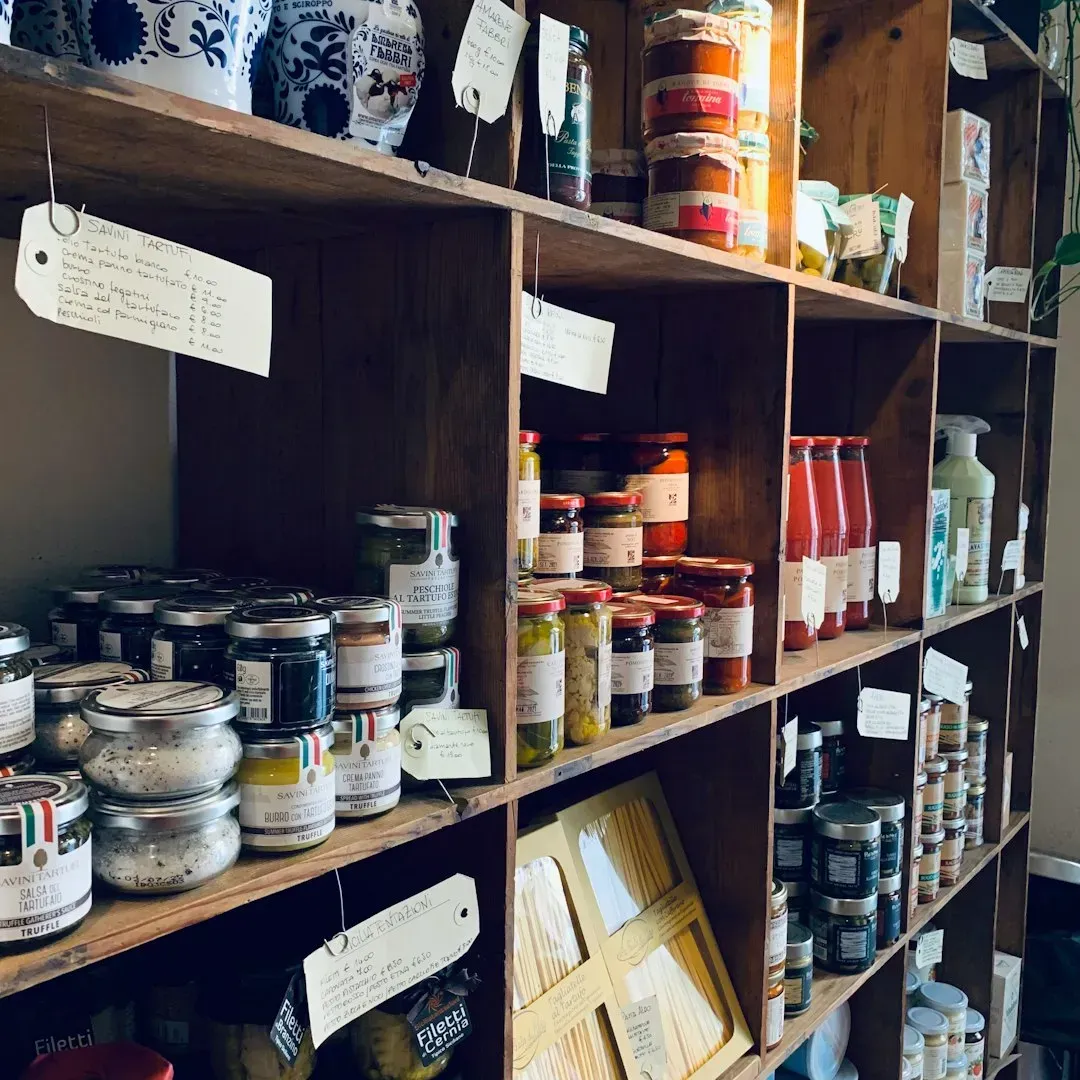
Built-in cabinets and bookcases bring both practicality and vintage charm to older homes. Unlike standalone furniture, these custom features maximize storage and display space while blending seamlessly with the architecture. Their thoughtful craftsmanship and unique details are hard to replicate today.
During the Arts and Crafts movement at the beginning of the 20th century, built-in or “permanent” furniture that fit the home’s architecture and created a unified look became all the rage. Prior to that, and after the 1920s, an eclectic assortment of moveable furniture pieces was more typical. Today, built-in shelving around a fireplace is fashionable and provides the same cohesive look that made it popular over a century ago.
Transom Windows
Transom Windows (Image Credits: Unsplash)
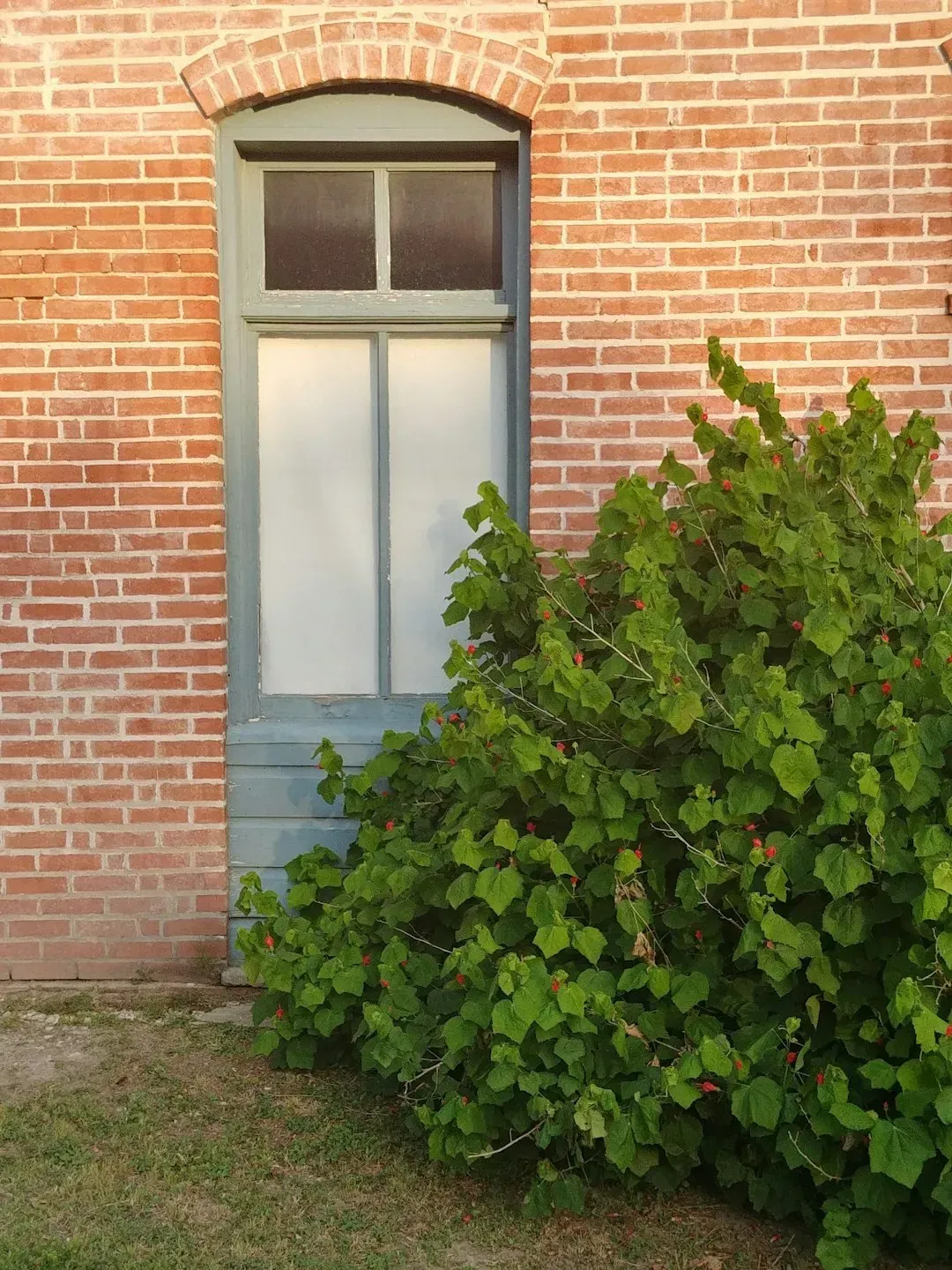
Placed above the transom and operated with a long pole, transom windows have been around since 14th century Europe. They let light into adjacent rooms and, when open, allow for cross-ventilation – functions that make them useful today in houses of all architectural styles. In an era when natural light is treated as a premium design element, removing these windows makes very little sense.
Transom windows positioned above doors were originally designed to boost natural light and improve air flow between rooms. They’re also a defining character feature of Victorian, Craftsman, and Colonial Revival homes. Pulling them out doesn’t modernize a space so much as erase the thing that made it distinctive.
Wainscoting and Beadboard
Wainscoting and Beadboard (Image Credits: Pexels)
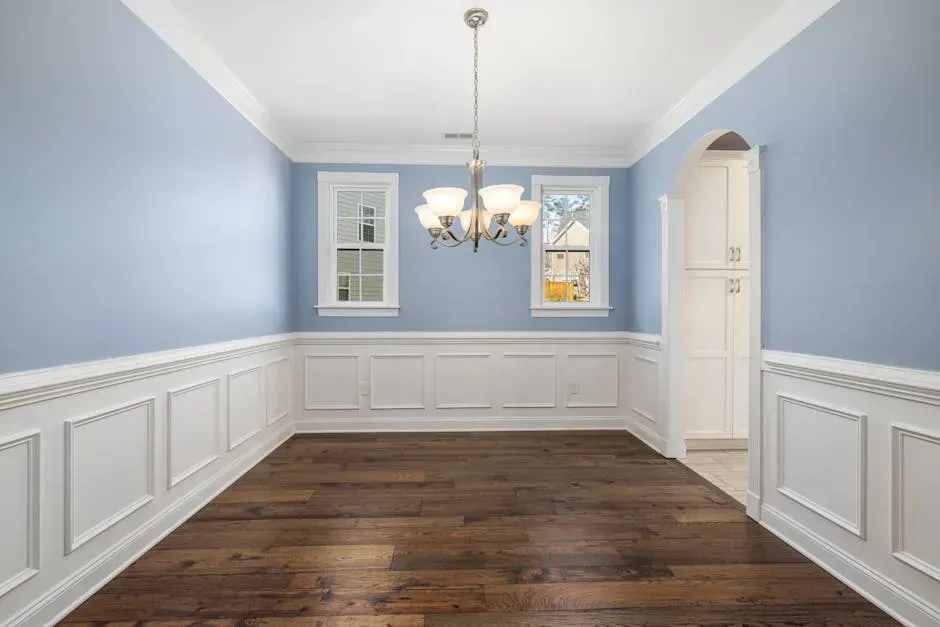
Wainscoting and beadboard bring both protection and personality to walls. These classic paneling styles were originally installed to guard plaster walls from scuffs and wear, especially in high-traffic areas. Unlike plain drywall, wainscoting and beadboard provide texture and depth, creating a cozy, tailored look that stands out in any room.
Wainscoting is an excellent option for defining a dining nook or elevating a hallway. Its classic lines blend seamlessly into period properties, subtly enhancing depth and elegance without feeling out of place. It also happens to be one of the most practical wall treatments ever devised, protecting vulnerable lower sections from daily wear while adding genuine visual weight to a room.
Stained Glass Windows
Stained Glass Windows (Image Credits: Pexels)
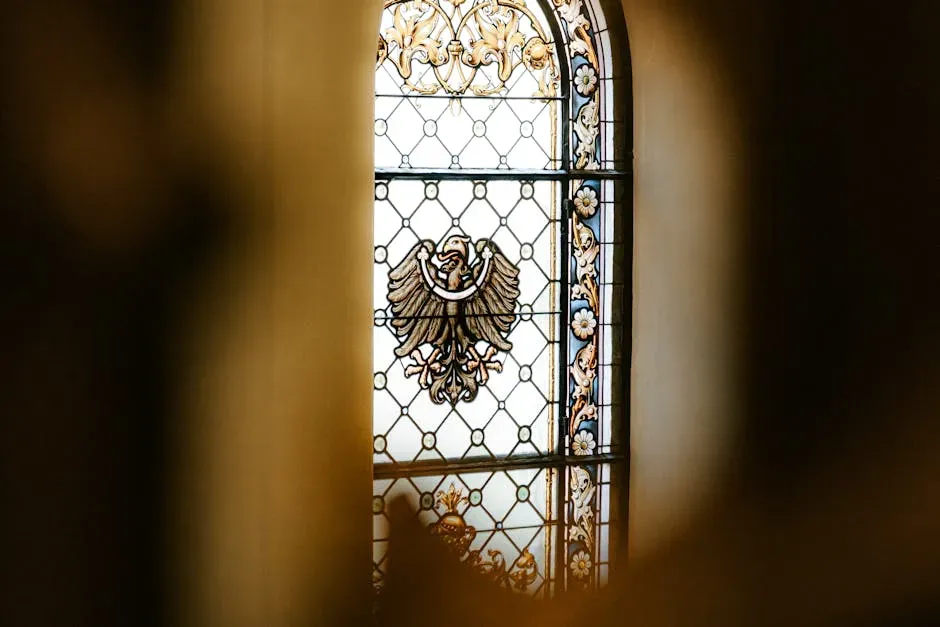
Stained glass windows are a true work of art, infusing homes with vibrant color and intricate design. Commonly found in entryways, stairwells, or bathrooms, these windows cast beautiful patterns of light that shift throughout the day. Rarely included in modern construction, original stained glass adds a sense of history and craftsmanship that’s hard to replicate.
The handmade quality of antique stained glass is genuinely irreplaceable. Each panel was crafted individually, which means the colors and textures carry an organic variation that modern reproductions can’t match. Preserving these windows honors their artistry and the unique stories they tell. Even one original stained glass window can become a defining feature of an entire floor plan.
Archways and Interior Curved Details
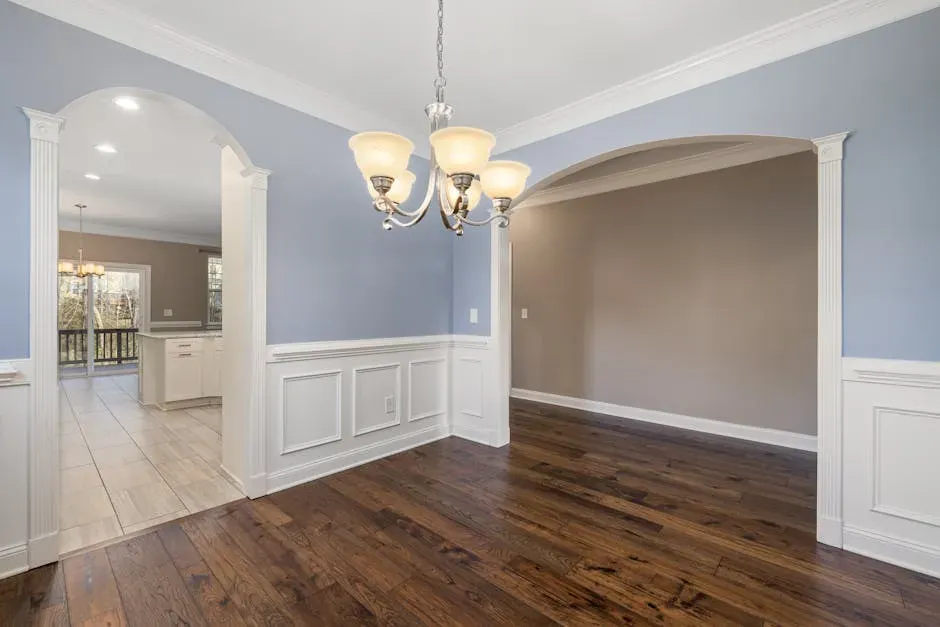
Archways and Interior Curved Details (Image Credits: Pexels)
Archways are visually appealing ways to separate rooms that soften corners and bring a classic charm to a home. They were standard in many homes built from the 1920s through the 1950s, acting as elegant transitions between rooms without requiring a door. Squaring them off or drywalling them over is a loss that’s difficult to reverse cleanly.
Architectural arches, limewash and plaster walls, and accent ceilings bring softness, depth, and character to new builds and renovations. The fact that designers are now adding arches to brand-new construction is perhaps the clearest possible signal that removing original ones from older homes runs counter to where design sensibility is heading.
Original Solid Wood Doors
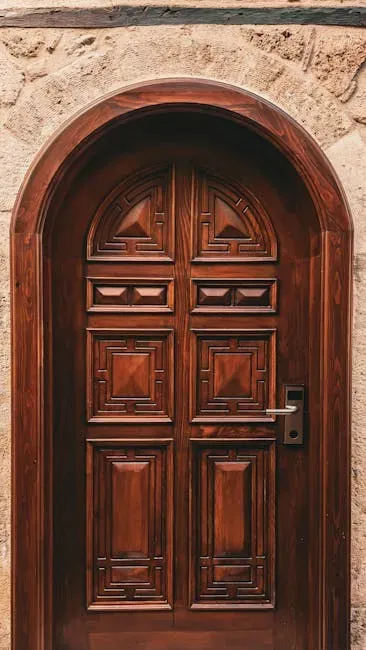
Original Solid Wood Doors (Image Credits: Pexels)
Solid wood doors offer unmatched durability, weight, and sound insulation, often featuring detailed panels and classic hardware. In contrast, many modern homes use hollow-core doors, which lack substance and longevity. The difference in weight alone when you open and close one is immediately noticeable. They feel permanent, because they are.
For interior doors, using solid wood doors as opposed to hollow-core is strongly preferred by preservation-minded designers. They also recommend using doors with a little more heft, which gives them a more historic feel. Replacing original solid wood doors with hollow-core versions to save money is one of the most common renovation regrets designers encounter.
Period Tilework
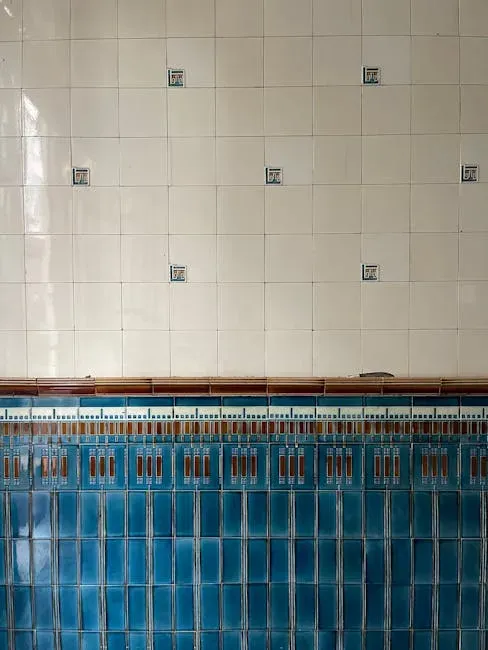
Period Tilework (Image Credits: Pexels)
Art Deco and midcentury tilework brings a bold, colorful flair to vintage bathrooms, kitchens, and entryways. These geometric patterns and vibrant hues create a lively atmosphere, standing in stark contrast to the muted, neutral tiles popular in modern design. Preserving these original tiles not only honors their era but adds unmistakable character to a home.
Vintage or unique tiles can serve as the main character in a bathroom or kitchen space. By incorporating these storytelling materials into a home renovation, you can curate a rich space that tells a unique story. There’s growing recognition among designers that original tilework – once ripped out in favor of white subway tile – is now far more interesting than what replaced it. The pendulum has swung, and original period tiles are genuinely prized again.
The broader takeaway from designers is fairly consistent: older homes were built with genuine materials, real craftsmanship, and a considered sense of proportion that contemporary construction rarely matches. By taking great care to be sensitive to the bones and architecture, you can bring attention to features you would not typically find in homes built today and make your home stand out from the rest. Rather than stripping everything down to the basics and starting anew, embracing and cherishing what’s already there can make what’s old feel fresh and inviting. The features worth keeping are almost always the ones that feel hardest to let go of in the first place.