
There’s a number that stops most new parents cold the first time they see it. Not the hospital bill, not the price of a stroller, but the monthly invoice from a licensed daycare center. Across America in 2026, childcare costs have increased between five and eight percent since 2024, continuing a decade-long trend, with the average American family now spending roughly $1,230 per month on infant daycare alone, making childcare one of the largest household expenses after housing.
The gap between states is striking. Costs vary dramatically by state: a family in Mississippi might pay around $650 a month, while a family in Massachusetts pays around $2,100 a month for the same quality of care. The states at the top of that list are not just expensive. In many cases, they’re actively unworkable for average families without outside help. Here’s a state-by-state look at who ranked worst, and why.
The National Baseline: A Benchmark Nobody Meets

The National Baseline: A Benchmark Nobody Meets (Image Credits: Pexels)
The federal definition of affordable childcare is seven percent or less of annual household income. The cost of center-based infant or toddler childcare does not meet this definition in any state. That’s a remarkable thing to sit with. Not one state qualifies as affordable by the government’s own standard.
The national average price of childcare jumped to $13,128 annually in 2024 from $11,582 in 2023, a difference of $1,546. This cost outpaced inflation by seven percent, and in 45 states plus Washington D.C., the average annual price of childcare for two children in a center exceeded annual mortgage payments. For single parents, the numbers grow even harder to absorb. It would take roughly a third of a single parent’s median household income just to afford the national average price.
Washington D.C.: The Most Expensive Place to Raise an Infant

Washington D.C.: The Most Expensive Place to Raise an Infant (Image Credits: Pexels)
Washington D.C. has the most expensive childcare of any state at $24,243 per year, or about $2,020 per month. The cost of infant childcare every month in the District is about as much as rent for a one-bedroom apartment. That comparison isn’t an exaggeration. It’s a straight financial parallel between two of a family’s biggest fixed costs, sitting side by side.
For single parents in the District, center-based infant care consumes more than half of their median household income, with annual costs reaching roughly $25,480. In Massachusetts, a similar share of a single parent’s income goes toward care, at approximately $24,005 annually. These figures make D.C. effectively a two-income-required zone for anyone hoping to keep an infant in licensed care.
Massachusetts: Strict Rules, Sky-High Prices
Massachusetts: Strict Rules, Sky-High Prices (Image Credits: Unsplash)
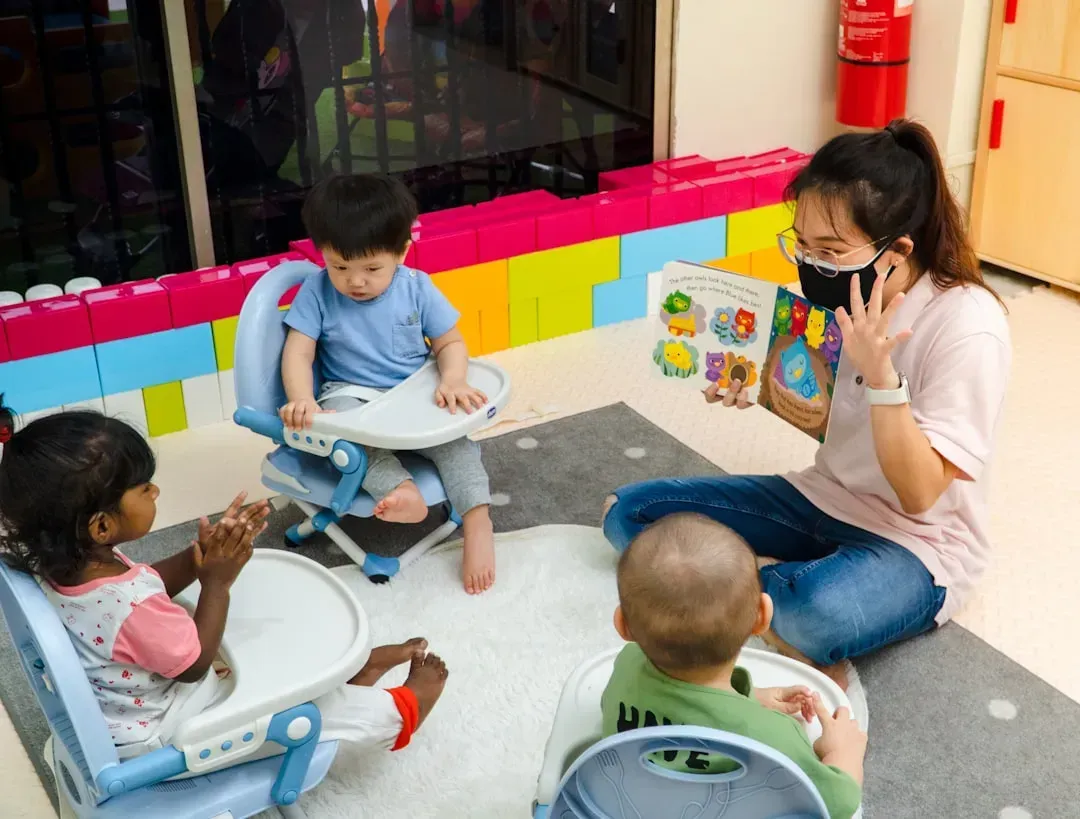
Massachusetts has the second-most expensive childcare in the U.S., costing roughly $20,913 annually. The state consistently tops nearly every national ranking for childcare costs, regardless of which methodology analysts use. Massachusetts consistently ranks as the most expensive state for childcare, partly because of strict staff-to-child ratios of one caregiver to three infants, compared to one to four in most states, combined with a high cost of living and extensive training requirements for caregivers.
New York ranks as the most expensive state for childcare in some analyses, with families paying on average $21,826 annually for center-based infant care. The difference between New York and Massachusetts rankings often comes down to which metric is weighted most heavily: raw dollar cost, or share of income. Massachusetts tops overall child-rearing cost estimates at $44,221 per year, reflecting both high childcare prices and some of the steepest housing costs in the country, with Connecticut close behind at $41,808.
Hawaii: The Highest Income Share in the Nation

Hawaii: The Highest Income Share in the Nation (Image Credits: Unsplash)
Hawaii tops the income-share ranking, where families spend around 13.5 percent of their income on childcare, with Vermont at 13.2 percent and Oregon at 12.9 percent close behind. These states significantly exceed the national median and point to higher cost-of-living pressures or limited childcare availability. Hawaii’s situation is compounded by the island economy, where importing goods, services, and qualified staff all carry a premium.
For married couples in Hawaii, center-based infant care amounts to roughly 17 percent of median household income, with annual costs hitting approximately $22,585. Hawaii ranks among the most expensive states for childcare, and the cost gap between center-based and family-based care is particularly striking. For single parents, center-based childcare requires roughly 42 percent of their income, and family-based care still uses 36 percent.
California: A Two-Tier Crisis
California: A Two-Tier Crisis (Image Credits: Unsplash)
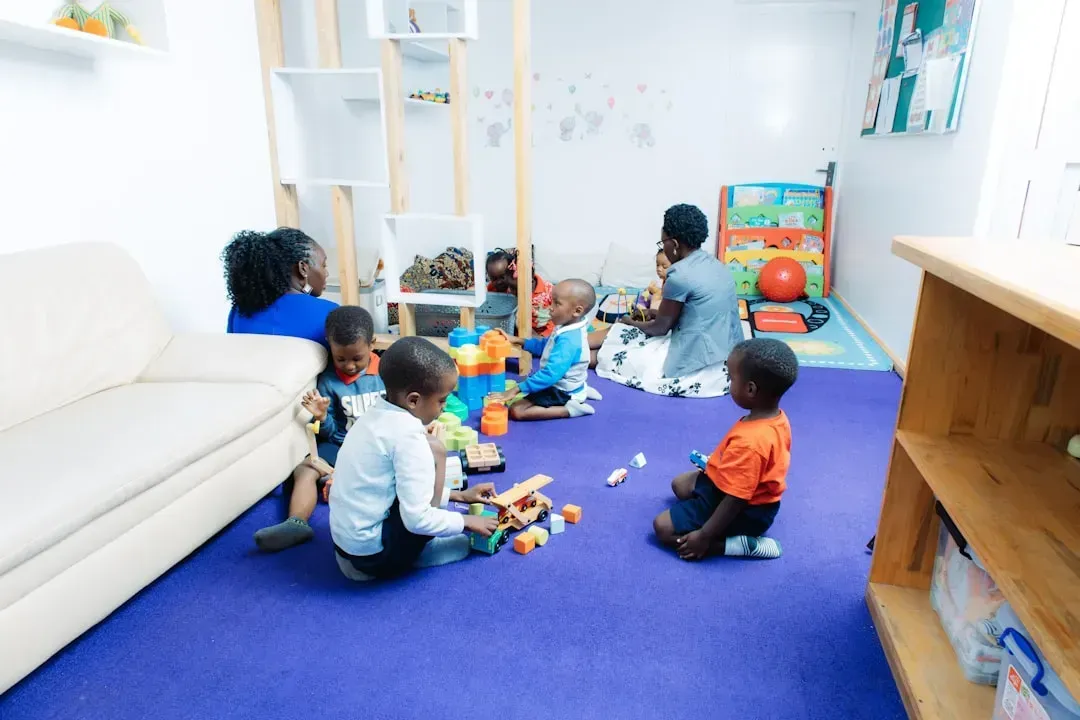
California’s childcare crisis is well-documented. Bay Area families face the highest in-state costs, while Central Valley families pay significantly less, with city-level prices ranging from over $2,800 a month in San Francisco to around $1,100 in Fresno. The statewide average masks a geography problem as much as an affordability one.
California ranks among the most expensive states for childcare in 2025, with the average annual cost for center-based infant care at $18,201. For married couples, center-based care requires roughly 15 percent of their median income. For single parents, the burden is heavier still, with center-based care consuming nearly half of a single parent’s income in the state. In high-cost states like California, Massachusetts, and Hawaii, childcare and mortgage payments together can consume more than 70 percent of a median household’s income.
Oregon and Washington State: The Pacific Northwest Squeeze

Oregon and Washington State: The Pacific Northwest Squeeze (Image Credits: Pexels)
Annual costs of infant care in Oregon average around $19,500, with childcare in Portland reaching an average of $2,890 per month. Oregon consistently ranks among the most burdensome states when looking at cost relative to income. In fact, California, Oregon, and Maryland were the three states where childcare was found to consume the highest share of a married couple’s median income in 2024, each at roughly 16 percent.
Washington State ranks among the most expensive states for childcare, with average annual costs for center-based infant care around $16,380 and family-based care at $12,672 per year. For married couples, center-based care requires about 13 percent of their income, while family care still demands around 10 percent. Waitlists make the problem worse than the price alone suggests. In Oregon, the state-subsidized childcare program reportedly has tens of thousands of families waiting for a slot, meaning cost and scarcity are both factors.
Colorado: The Inland Outlier
Colorado: The Inland Outlier (Image Credits: Unsplash)
Colorado ranks among the most expensive states for childcare, with the average annual cost for center-based infant care at $19,573, while family childcare comes in at $12,750. For married couples in Colorado, center-based care requires roughly 16 percent of their income. Colorado’s rise up these rankings is relatively recent and linked to rapid population growth in Denver and surrounding metro areas driving up wages, rent, and operating costs for providers.
Single parents in Colorado face significant financial strain, as nearly half of their income would be needed for center-based infant childcare. Family childcare is somewhat more manageable, using about a third of their income. Families in Colorado pay far above average for childcare, with costs approaching $35,779 for two children annually, compared to states like Texas and Florida that fall below the national average.
Maryland: High Earners, Higher Bills

Maryland: High Earners, Higher Bills (Image Credits: Pexels)
The District of Columbia is the most expensive place for families overall, but Maryland is close behind, with average costs reaching $40,832 annually for two children in full-time center-based care, outpacing California and Washington State. Maryland’s high household income figures can make these costs look more manageable on paper. In practice, the raw dollar amount still ranks among the most punishing in the country.
According to the 2024 Child Care Affordability Analysis from Child Care Aware of America, Maryland ranks third nationally for least affordable center-based infant care, with annual costs of $25,321 representing nearly 16 percent of a married couple’s median income and nearly half of a single parent’s income. The combination of proximity to D.C., a high cost of living, and limited subsidy coverage makes Maryland a difficult market for families trying to piece together a childcare budget.
Connecticut: New England's Hidden Pressure Point

Connecticut: New England's Hidden Pressure Point (Image Credits: Unsplash)
Connecticut ranks as the second most expensive state overall for raising a child, with annual costs reaching $41,808, a figure driven by a similar cost structure to Massachusetts. On childcare specifically, Connecticut’s costs are shaped in part by its proximity to New York City. In Fairfield County especially, proximity to New York City drives up costs considerably.
Single parents in Connecticut face a significant financial burden, with roughly 45 percent of their income going toward center-based care, and about 35 percent toward family-based care. Even with family care as a more affordable option, childcare still takes a substantial portion of their income. Connecticut has one of the highest costs of living in New England and limited state-funded relief programs compared to neighboring Massachusetts, leaving most middle-income families to cover the bulk of expenses out of pocket.
New York: The City Effect on Statewide Numbers
New York: The City Effect on Statewide Numbers (WeNews, Flickr, <a href="https://creativecommons.org/licenses/by/2.0/" target="_blank" rel="noopener">CC BY 2.0</a>)
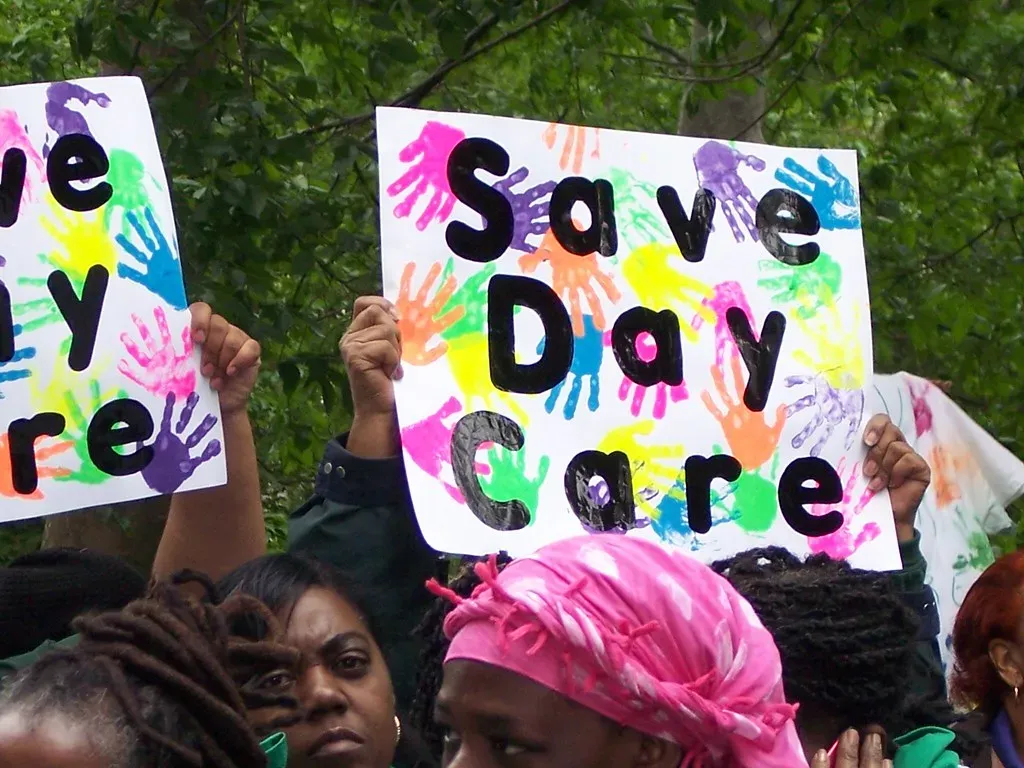
New York City and its suburbs dominate the state’s averages. In Manhattan and Brooklyn specifically, families can expect to pay between $2,200 and $3,000 a month for quality infant care. Upstate families pay considerably less, but the metro area pulls the statewide average into the top tier nationally. New York ranks as the most expensive state for childcare in several analyses, with annual costs averaging $21,826 for center-based infant care and $18,200 for home-based family care.
For married couples in New York, childcare costs represent a significant portion of household income. Center-based care can consume roughly 18 percent of median income, while for single parents, center-based care takes up a staggering 63 percent, with family childcare still consuming 53 percent. New York City’s childcare affordability crisis disproportionately impacts single parents, with more than nine in ten of them unable to afford any care regardless of setting or age group.
The Subsidy Gap and the "Missing Middle"

The Subsidy Gap and the "Missing Middle" (Image Credits: Pexels)
Childcare subsidies only cover the full average cost of infant care in Hawaii, Indiana, and South Dakota. In roughly half of all states, the gap between the subsidy rate and the actual cost of care exceeds $400 per month. That gap is where most working families end up: earning too much to qualify for assistance, but not enough to absorb the full bill without strain.
Even for married families, childcare costs in every state exceed the federal affordability benchmark of seven percent of family income, a threshold set by the U.S. Department of Health and Human Services. Researchers point to a combination of staffing shortages, low wages for childcare workers, rising insurance premiums, and the closure of smaller childcare centers as sustained drivers of cost increases. More than half of the U.S. population now lives in a childcare desert, defined as an area where there are at least three children for every licensed childcare slot.
What's Actually Driving These Costs Up

What's Actually Driving These Costs Up (Image Credits: Pexels)
The five-year increase in childcare prices from 2020 to 2024 is 29 percent. Over the same period, overall consumer prices rose by 22 percent, meaning childcare prices grew by seven percentage points more than general inflation. The industry is structurally expensive by design. One large reason childcare is so expensive is that it is a very involved, labor-driven industry, with regulated ratios, licensing requirements, and overhead that do not compress easily.
Childcare professionals in a center earn an average of $33,140 per year, and depending on the state, it would take between 44 percent and over 100 percent of a childcare professional’s annual wage just to afford center-based care for two children. That tension, where the people running these facilities often can’t afford the very service they provide, captures the structural contradiction at the heart of America’s childcare market. The primary source of public childcare funding in the U.S. comes from the Child Care and Development Block Grant, but in its current state, only one in six eligible children receives the subsidy.