
The pitch was simple enough: go where the people are. Move somewhere with millions of residents, endless events, rooftop bars, coworking spaces, and a social life practically delivered to your door. It seemed logical that density would equal connection. Turns out, that equation doesn’t always work the way you’d hope.
Plenty of people move to major cities chasing exactly this promise. Some find what they came for. Others discover that proximity to millions of strangers doesn’t translate into genuine friendship or a sense of belonging. Here’s an honest account of why city life, for all its genuine appeal, eventually pushed me toward the exit.
1. Being Surrounded by People Made Me Feel More Alone, Not Less
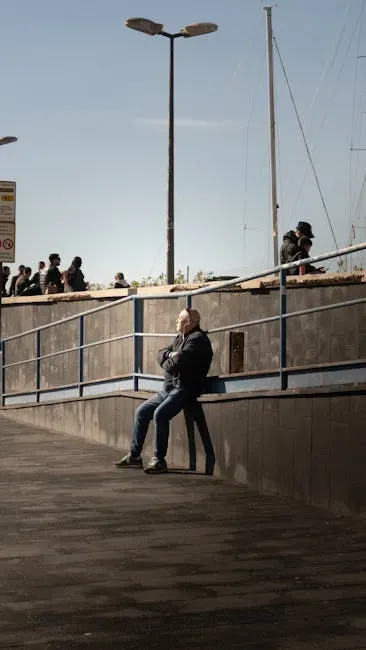
1. Being Surrounded by People Made Me Feel More Alone, Not Less (Image Credits: Pexels)
A study published in Scientific Reports shows that cities pose certain risks, with overcrowding and population density actually associated with higher levels of loneliness. That seemed counterintuitive at first. How can you feel lonely on a street packed with thousands of people? But that’s precisely the point – proximity isn’t intimacy, and the sheer volume of faces moving past you each day can make you feel invisible rather than included.
Individuals are physically close to each other but socially isolated in cities. Sociologist Georg Simmel argued that to cope with the pressures of urban life, urban populations adopt an “indifferent attitude,” and this emotional distance often results in less empathy and less sociability. After a few months, I recognized that pattern in myself. I’d stopped making eye contact on the subway. I’d started tuning out.
2. The Loneliness Is Remarkably Common – Nobody Talks About It

2. The Loneliness Is Remarkably Common – Nobody Talks About It (Image Credits: Unsplash)
Census data from 2024 showed that about two in five Americans said they deal with loneliness sometimes, usually, or all the time. That’s a striking number, and it doesn’t get smaller when you look at specific cities. More than half of New Yorkers report feeling lonely at least some of the time. So the thing I thought was a personal failure was actually one of the most widespread experiences in urban life.
Loneliness is stigmatized as a sign of social failure or weakness in many urban cultures, which reinforces isolation by discouraging people from talking about their emotions or asking for assistance. That silence makes it worse. You assume everyone else has packed calendars and a tight circle, while you’re the only one eating takeout alone on a Thursday.
3. The Cost of Living Ate My Social Budget Alive

3. The Cost of Living Ate My Social Budget Alive (Image Credits: Pexels)
Skyrocketing housing costs in urban cores have pushed many people to seek more space and better value in suburban or rural areas. For me, it wasn’t just about the rent. It was the way the cost of everything added up until socializing itself felt financially draining. A round of drinks, dinner with new acquaintances, a gym membership to meet people – it all compounded fast.
Most city residents acknowledge that rising cost of living is a major stressor, with housing, rent, children’s education, healthcare, groceries, and fuel all adding up. Living in cities comes with an abundance of amenities and job opportunities, but there is always an inevitable hidden cost that one needs to bear. When you’re spending most of your income just keeping a roof over your head, building a social life starts to feel like a luxury you can’t quite afford.
4. The Transient Population Meant Friends Kept Leaving
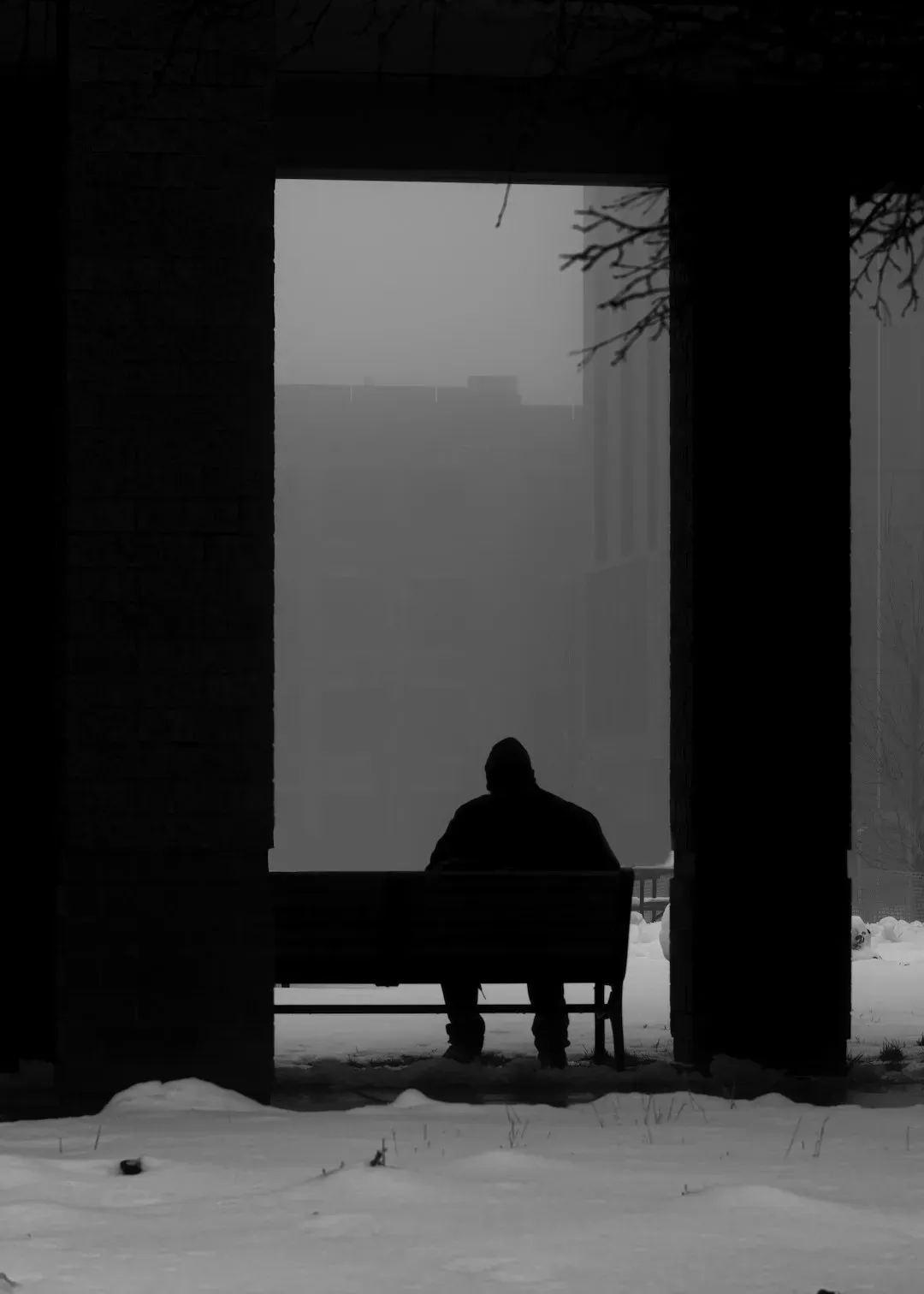
4. The Transient Population Meant Friends Kept Leaving (Image Credits: Unsplash)
A large population of non-natives – and even expatriates – can make people feel ungrounded, while young people often leave after a few years to settle down in the suburbs. It can be hard to form a solid group of friends when people are always coming and going. Every time I felt a genuine connection forming, someone announced they were relocating to a cheaper city or moving back closer to family.
Loneliness in cities is fuelled by factors like segregation, housing inequality, economic disparity, and transient populations, all of which erode social connection. That constant churn is exhausting in a way that’s hard to describe until you’ve lived it. You invest in people, you build something fragile, and then the city reshuffles the deck again.
5. The Noise Never Stopped
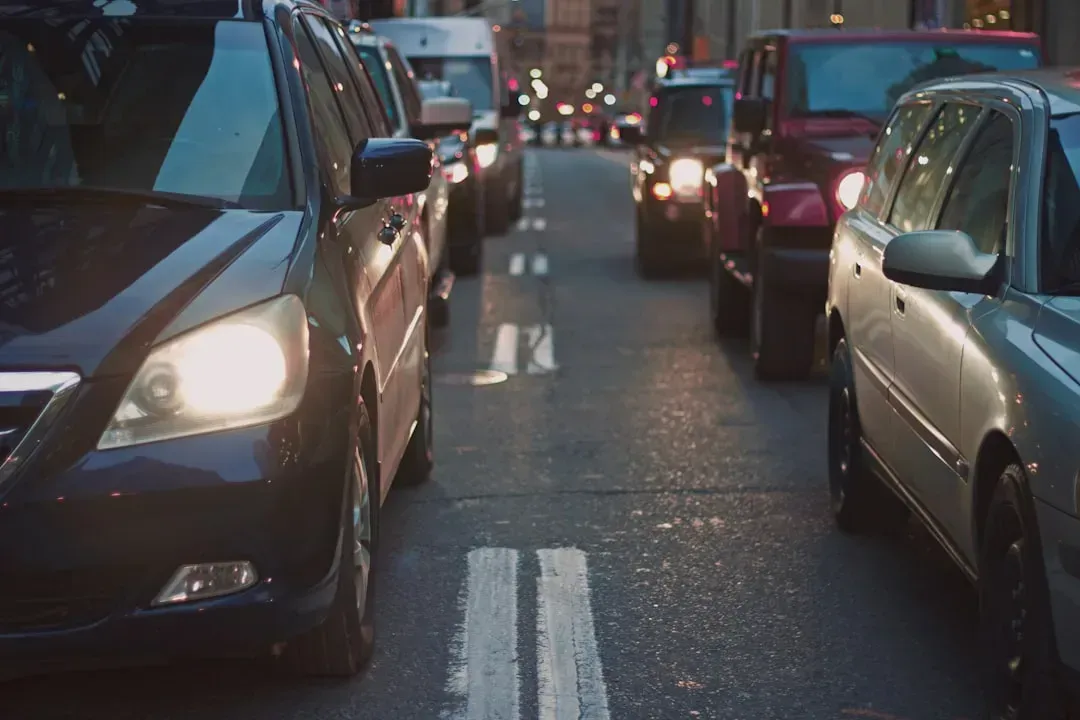
5. The Noise Never Stopped (Image Credits: Unsplash)
Among the potentially contributing factors to poorer mental health in urban areas are air pollution and other exposure to toxins, increased noise, lack of open space, crime and social inequalities, and the stress of sensory overload. I underestimated this badly. The noise wasn’t just an inconvenience. It was a constant background tax on my nervous system, one I barely noticed paying until I visited somewhere quiet and felt the difference in my body immediately.
Noise activates the sympathetic nervous system, leading to fragmented sleep and reduced total sleep time. Researchers in the European Union have identified traffic noise as the second leading cause of environmental health risk after air pollution, contributing to a loss of one million life years annually according to the World Health Organization. Poor sleep and constant low-grade stress are not a foundation for showing up to social events with any real warmth or energy.
6. The Architecture Made Connection Harder Than Expected
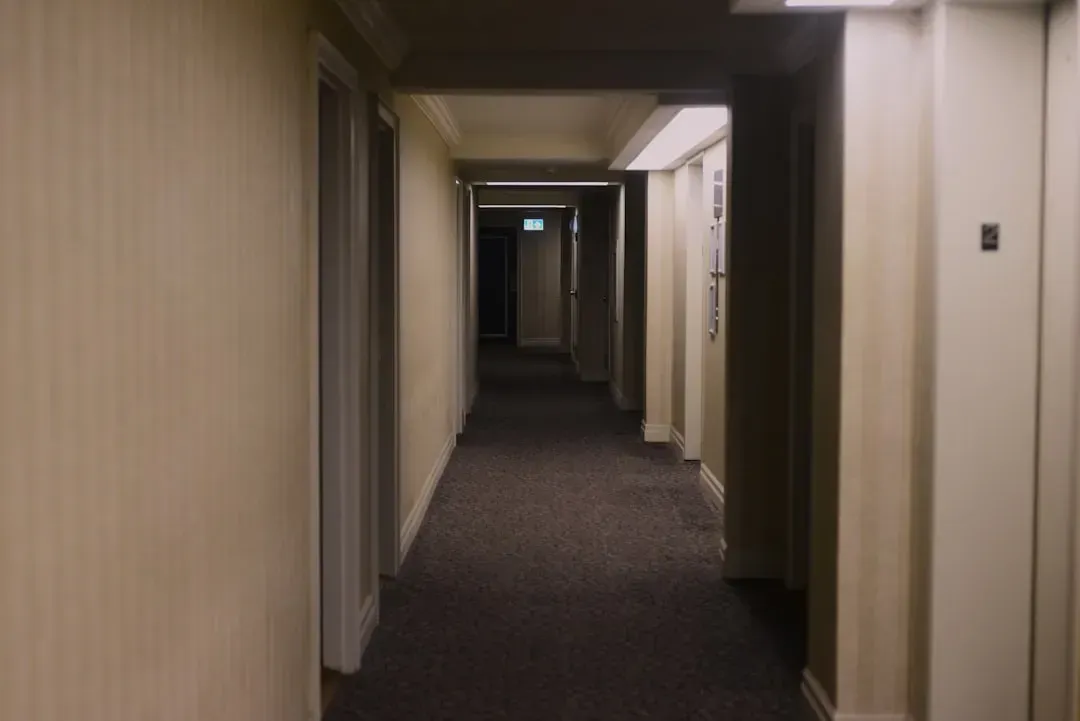
6. The Architecture Made Connection Harder Than Expected (Image Credits: Unsplash)
High-rise buildings can cause disorientation and depression, while large low-income housing complexes can make residents feel isolated from, and inferior to, the rest of the city. There’s something in this observation that held true for me personally. My apartment building had dozens of units and I knew exactly zero of my neighbors by name after six months. The hallways were designed for transit, not for conversation.
Social isolation is more common in cities, particularly large cities, and among those who live in apartments rather than houses, which are an inevitable solution to greater urban density. The physical design of where you live shapes how much you bump into people in a low-stakes, organic way. Apartment living tends to eliminate those casual doorstep moments that, in smaller places, quietly become the seeds of actual friendship.
7. My Mental Health Declined in Ways I Didn't Anticipate
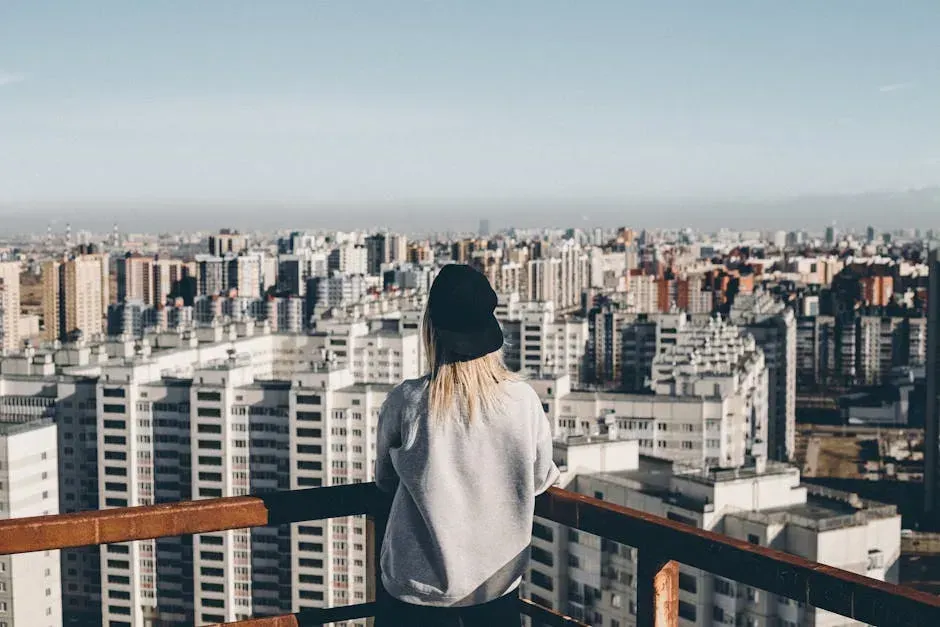
7. My Mental Health Declined in Ways I Didn't Anticipate (Image Credits: Gallery Image)
The risk of developing depression is about one fifth higher in urban dwellers than those living outside the city. Meanwhile, the risk of developing psychosis is significantly higher in urban than rural dwellers, and the risk of developing generalized anxiety disorder is also notably higher in urban than rural residents. I’m not claiming the city caused a diagnosis. What I noticed was subtler – a persistent low-level dread that I’d never quite felt before, and a growing difficulty unwinding at the end of the day.
Five key urban factors are consistently reported as negatively affecting mental health: housing issues, traffic and transportation challenges, neighborhood characteristics, cost of living, and employment-related stress. All five of those were present in my daily life, stacked on top of each other. Eventually the cumulative weight started showing up in mood, sleep, and an increasing urge to simply get out.
8. Smaller Places Offered What the City Promised But Couldn't Deliver
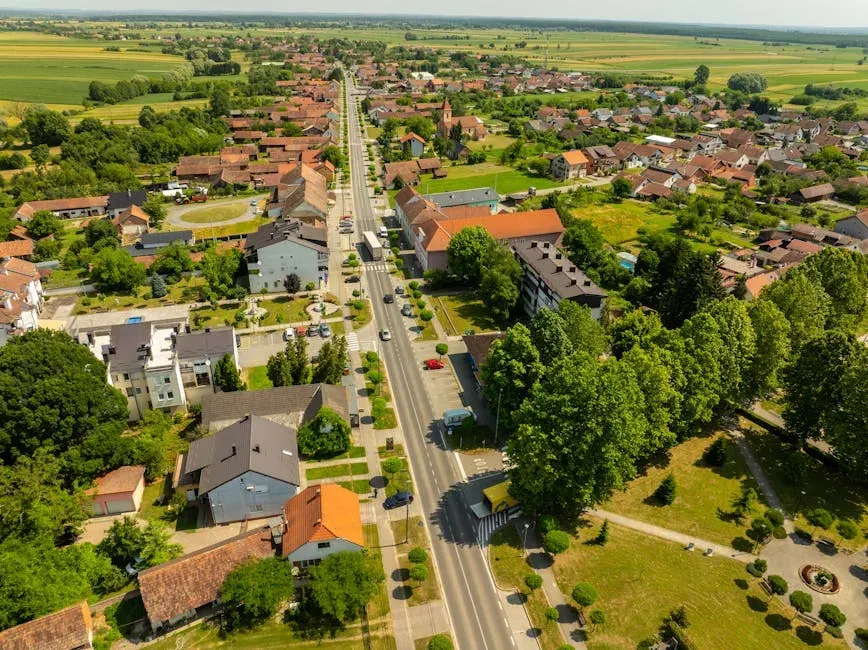
8. Smaller Places Offered What the City Promised But Couldn't Deliver (Image Credits: Pexels)
Access to outdoor activities, lower crime rates, and a slower pace of life are enticing many people to make the leap away from major cities. The sense of community found in smaller areas often fosters deeper connections among residents, leading to a more supportive environment. This wasn’t just a romantic notion. The pace genuinely changes the quality of interaction. Conversations feel less rushed. People have more time, and it shows.
A clear pattern continues to show an exodus from megacities, where skyrocketing costs of living and population densities are the norm, in favor of smaller, more breathable cities and towns with lower costs of living, easier access to the outdoors, and vibrant, self-contained cultural scenes. CNBC has reported that roughly a third of Gen Z and about a quarter of millennials relocated to smaller towns and rural areas during and after the pandemic, with key reasons including being closer to family and friends, more affordable living, and the ability to work remotely. I wasn’t alone in finding the tradeoff worth making.
The big city delivered on some of what it promised. The museums, the restaurants, the sheer variety of a place that never fully sleeps. What it couldn’t give me was something quieter and harder to manufacture: the feeling of actually mattering to the people around me. That, it turned out, was easier to find somewhere smaller.