
Luxury hotels occupy a curious position in the economy. They’re insulated from financial turbulence in ways that budget properties simply aren’t, which means the guests who do walk through the doors are, by most measures, doing well. The luxury sector is propelled by affluent guests who are less sensitive to price increases and seek value from premium offerings like wellness retreats and farm-to-table restaurants. Still, not every guest in a five-star lobby is in a five-star financial position. Some are stretching to be there – and after years of managing front-of-house operations, you learn to notice the quiet signals.
This isn’t about judgment. It’s about observation. The divide between budget and mid-market travelers scaling back and the luxury segment maintaining momentum is real – but economic stress hits middle-income travelers hardest. Occasionally, that stress travels with them right into our most expensive suites. Here are six specific patterns that tend to surface.
1. They Skip the Minibar and Room Service Entirely, Every Day
1. They Skip the Minibar and Room Service Entirely, Every Day (Transferred from en.wikipedia to Commons by Liftarn using CommonsHelper., <a href="https://commons.wikimedia.org/w/index.php?curid=12031096" target="_blank" rel="noopener">Public domain</a>)
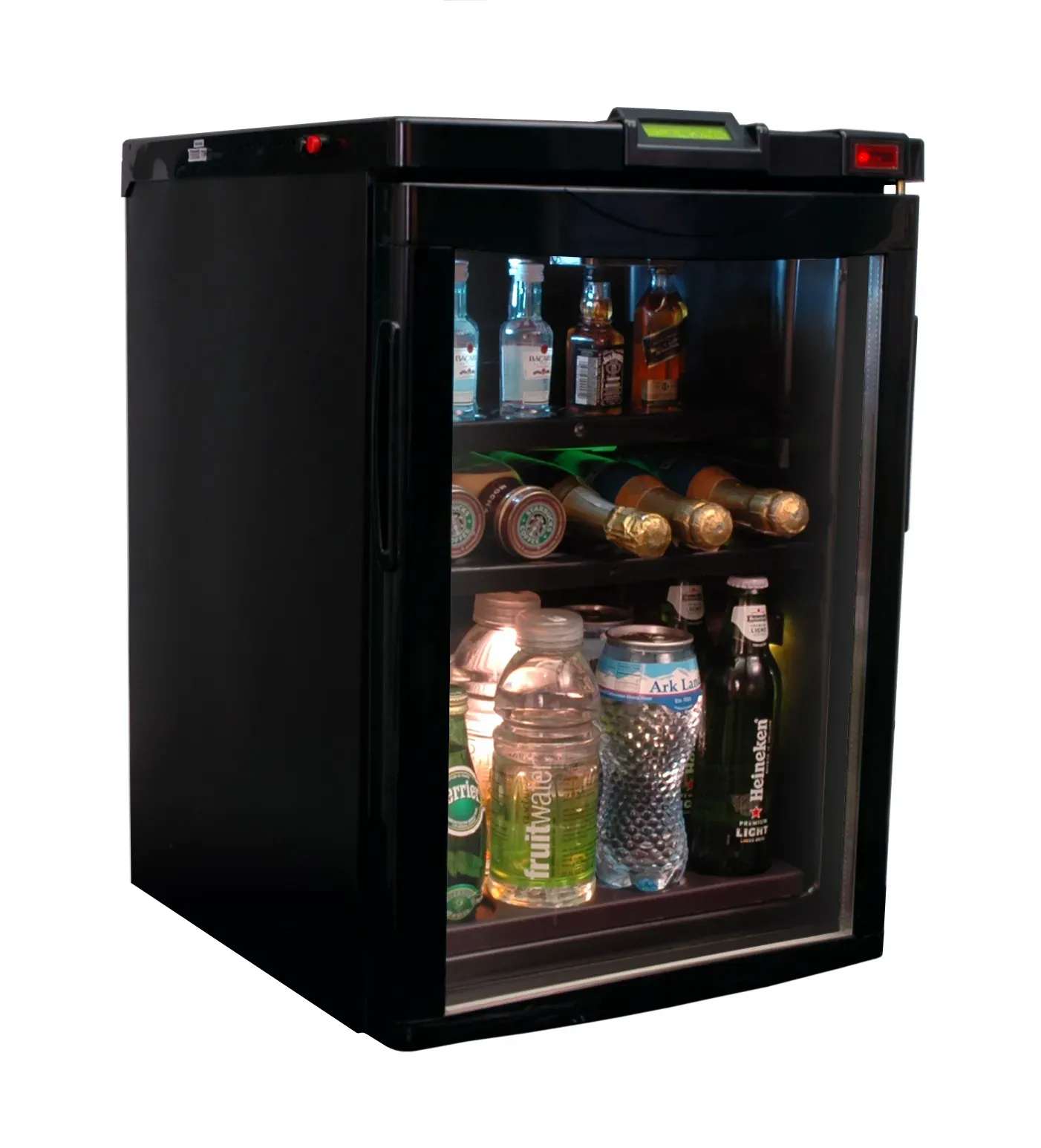
A guest who uses the minibar or orders room service once during a multi-night stay is making a choice. A guest who avoids these amenities completely, every single day, across an extended booking is often making a different kind of calculation. High-end hotel guests typically treat in-room dining and curated snack selections as part of the experience they paid for – not as a separate expense to avoid.
Finances are expected to impact traveler behavior when guests reach their destinations. Survey respondents who said they feel financially worse off are less likely to splurge on excursions, ticketed events, or small-group experiences. The minibar goes first, quietly. When a guest repeatedly waves off the room service menu, asks twice about pricing before ordering a bottle of water, or sends anything chargeable back untouched, it's worth noting – not to embarrass, but to calibrate how we can serve them better.
2. Multiple Card Declines During Check-In or at the Bar

2. Multiple Card Declines During Check-In or at the Bar (Image Credits: Pexels)
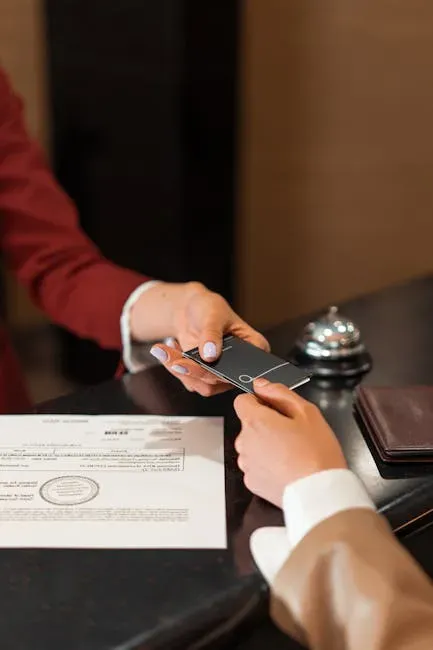
A declined card at check-in happens occasionally for legitimate reasons: fraud alerts, travel notifications not sent to the bank, international cards with daily limits. One decline, followed by a smooth resolution, is unremarkable. What raises a flag is when a guest cycles through two or three cards before one clears, or when a casual bar tab requires several attempts to settle. Front desk staff are trained to handle these moments discreetly, but the pattern is hard to miss.
Total US credit card debt reached $1.21 trillion in Q2 2025, up from $1.0 trillion at the end of 2022. That broader reality filters through to individual guests in concrete ways. Consumer credit card debt has surged to $1.21 trillion, with a $27 billion quarterly jump – highlighting depleted household cash reserves, particularly among low- and middle-income households. When someone is managing several maxed-out cards, a luxury hotel stay can become the moment those limits actually surface.
3. They Book the Entry-Level Room but Pepper Staff with Upgrade Requests
3. They Book the Entry-Level Room but Pepper Staff with Upgrade Requests (Image Credits: Unsplash)
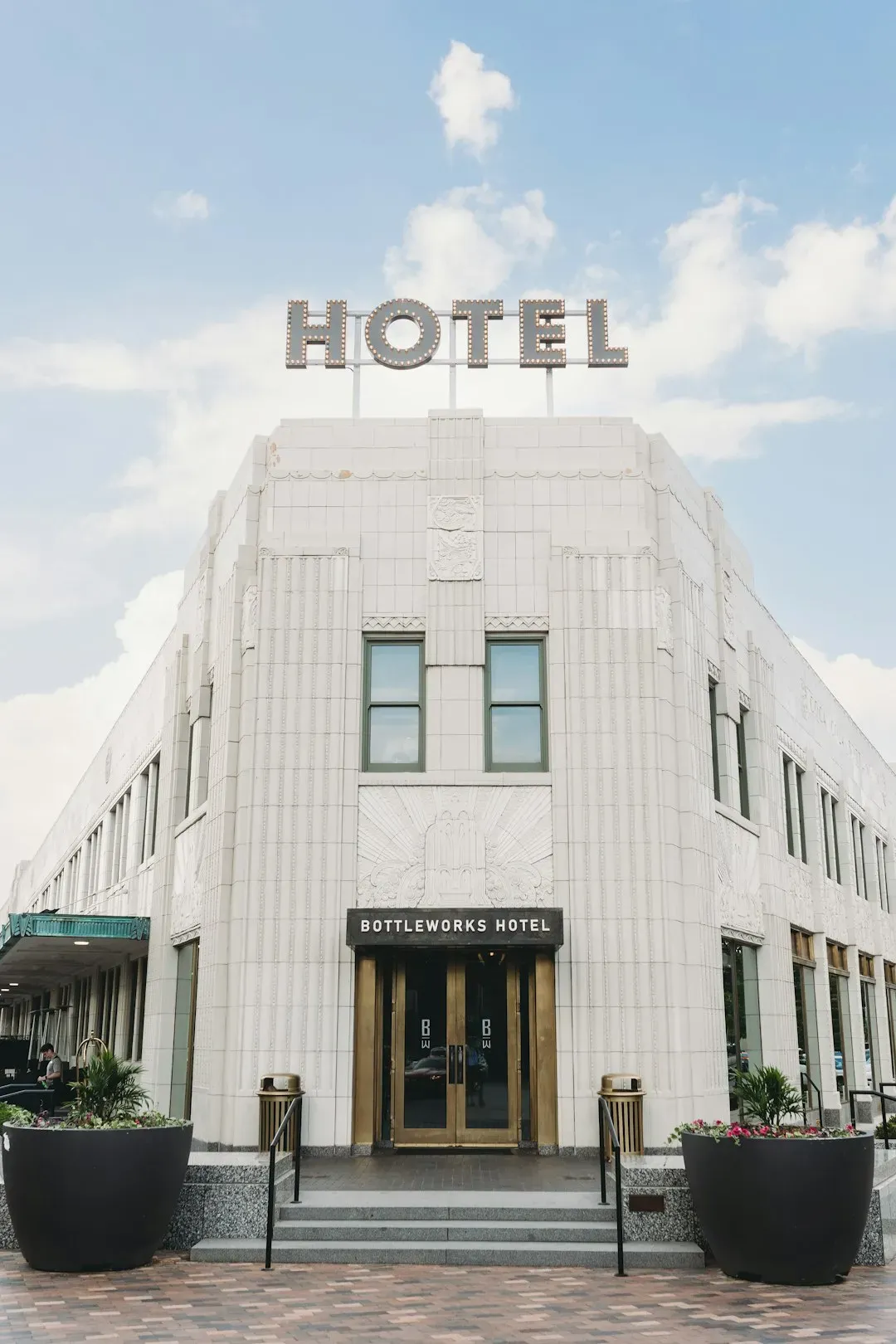
There's a certain type of guest who books the hotel's lowest available rate – sometimes through a third-party discount platform – and then spends the first two days asking for upgrades, better views, corner suites, or rooms on higher floors at no extra charge. Occasionally this is simply a savvy traveler who knows how to ask. More often, it reflects someone who genuinely wants the full luxury experience but couldn't budget for it at full price.
Nearly one in three respondents said their financial situation is worse than a year ago, up from 26% in 2024. Even high earners are trading down, opting for shorter stays, fewer flights, and less luxurious lodging. Guests who feel the gap between where they're staying and what they can comfortably spend will sometimes try to close that gap through persistence rather than payment. It rarely works, but it reveals the tension underneath the stay.
4. Unusual Anxiety Around the Final Bill and Pre-Authorization Holds

4. Unusual Anxiety Around the Final Bill and Pre-Authorization Holds (Image Credits: Unsplash)
Standard practice at any luxury hotel includes a pre-authorization hold on the guest's card at check-in. For most guests, this is a formality they barely notice. For guests under financial strain, it can become a source of visible anxiety. We've had guests ask, sometimes more than once, exactly how large the hold will be, when it drops off, and whether it can be reduced. Some guests specifically request not to have incidentals added.
Travel continues to hold a treasured place in holiday plans, but many Americans are holding their wallets a little closer. Financial concerns appear to lie at the root of several indicators of a softer season, despite continued enthusiasm for travel. That financial worry doesn't disappear once someone books a premium hotel. It shows up in how they react to holds, resort fees, and itemized folios. When a guest asks the concierge to itemize every charge before checkout rather than at checkout, there's often a very practical reason behind the request.
5. They Bring Their Own Food and Supplies from Outside
5. They Bring Their Own Food and Supplies from Outside (Image Credits: Pexels)
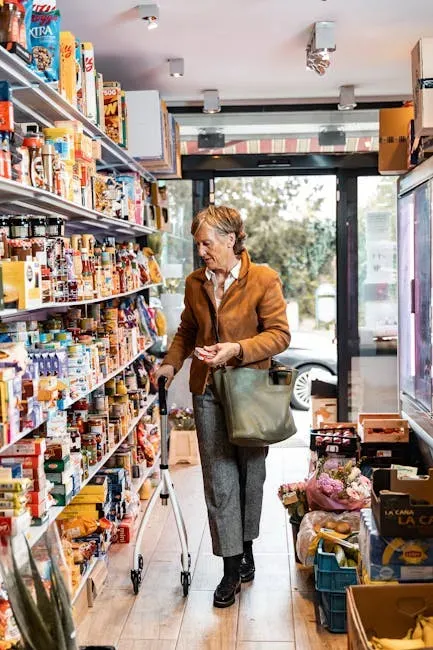
This clue is subtle but fairly consistent. A guest who arrives with a small bag of groceries – bottled water from a supermarket, snacks, maybe a bottle of wine from a discount store – isn't necessarily doing anything wrong. People have dietary needs, preferences, and habits. However, when this pattern combines with other signals (no room service, card anxiety, frequent questions about charges), it points toward someone who's actively managing costs in a setting where costs are meant to be an afterthought.
As the market leaves the "revenge travel" splurge trend behind, travelers approach their trips with sharper eyes and higher standards. Guests were more value-conscious than ever. Bringing outside provisions into a luxury hotel is one of the clearest expressions of value-consciousness at this end of the market – and it tends to stand out precisely because so few guests do it. Housekeeping sometimes finds entire meals laid out on the desk, bought from a grocery store two blocks away, untouched by anything from our kitchen.
6. Shortened Stays After a Strong Start or Sudden Early Departure
6. Shortened Stays After a Strong Start or Sudden Early Departure (Image Credits: Pexels)
A guest who booked five nights and quietly asks about checkout procedures on day two, or who suddenly shortens their reservation without a compelling stated reason, sometimes tells us more than they intend to. Unexpected business calls or family emergencies do happen. Still, a pattern of last-minute stay reductions – especially combined with some of the earlier clues – often reflects someone whose financial buffer ran out faster than their original plan assumed.
Though travelers plan to take an average of 3.1 summer trips this year, up from 2.3 in 2024, a higher percentage this year plan to take a trip of three nights or fewer. Of travelers who plan to reduce their travel spend, the most common method is by taking shorter trips, followed by staying at budget hotels and staying with family and friends. When the original itinerary becomes unaffordable mid-stay, shortening the trip is the most elegant exit available. We see it more often than guests probably realize, and we always handle it without comment.
Recognizing these signals isn't about scrutinizing guests or making assumptions. It's about understanding the full picture of who is actually in the building, so staff can extend the right kind of help – quietly, professionally, and without making anyone feel small for being there.