
There’s a particular kind of silence that follows a man who has something real to say but swallows it anyway. Not because he doesn’t feel it, not because he lacks the words, but because he’s spent years being told, directly or otherwise, that saying it out loud comes at a cost. That cost might be ridicule, a strange look from a friend, or the quiet shift in how people see him afterward.
For generations, messages like “be strong,” “don’t cry,” and “man up” have been deeply ingrained in many men, creating an internal script that equates vulnerability with weakness and emotional expression with a lack of masculinity. This societal conditioning can lead men to suppress their true feelings, build emotional walls, and struggle to connect authentically with themselves and others. What follows are ten things many men carry quietly, wishing they could finally just say them.
1. "I'm Lonely, Even When I'm Not Alone"
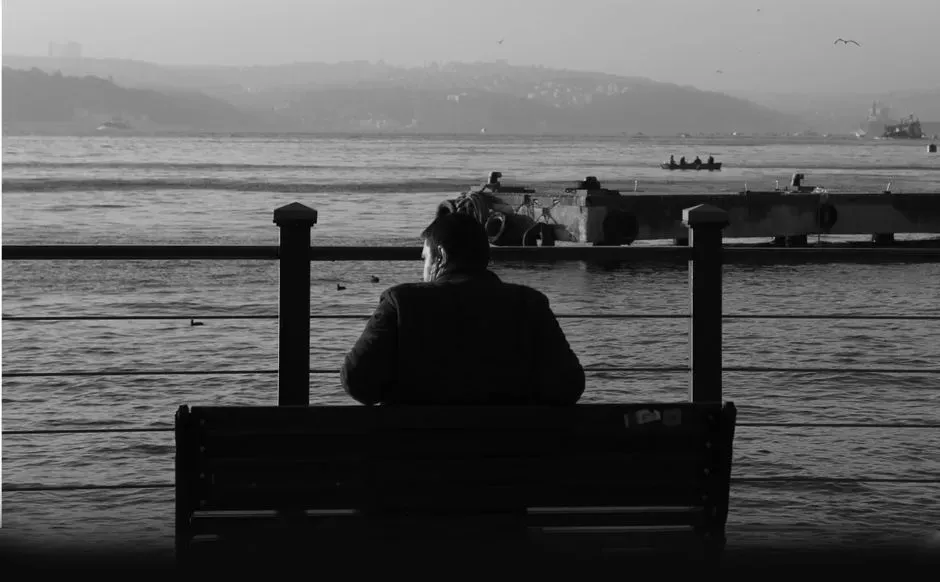
1. "I'm Lonely, Even When I'm Not Alone" (Image Credits: Pexels)
A 2024 study by the Survey Center on American Life found that only roughly a quarter of men reported having six or more close friends. Polling a similar question in 1990, Gallup had put this figure at over half. The same study found that about one in six men now report having zero close friends, more than a fivefold increase since 1990. These are stark numbers, and they point toward a loneliness that isn’t always visible from the outside.
The Making Caring Common survey found that while men and women gave similar answers to general loneliness questions, men were more likely to report feelings of disconnection or irrelevance. That distinction matters. A man can be surrounded by people, married, employed, socially active, and still feel like nobody truly knows him. Saying so, though, feels almost impossible when the expectation is that he should be fine.
2. "I Need Emotional Support Too, Not Just Solutions"

2. "I Need Emotional Support Too, Not Just Solutions" (Image Credits: Unsplash)
Men will frequently meet their friends for a beer, but their conversations often stay at a safe distance, covering sports, politics, work, and anecdotes that allow them to reinforce their masculine status. When they do broach personal struggles, it’s far more common for their friends to follow the script, offering solutions but not emotional support. This leaves many men feeling unheard even in the moments when they do try to open up.
While men and women experience love differently, research suggests that men lean more on their partners for emotional support and intimacy, potentially leading to them putting more effort into relationships and finding it more challenging to cope with breakups. The irony is that the very thing men most need, someone to simply listen, is the thing they’re least likely to ask for by name.
3. "I'm Scared, and I Have Been for a While"
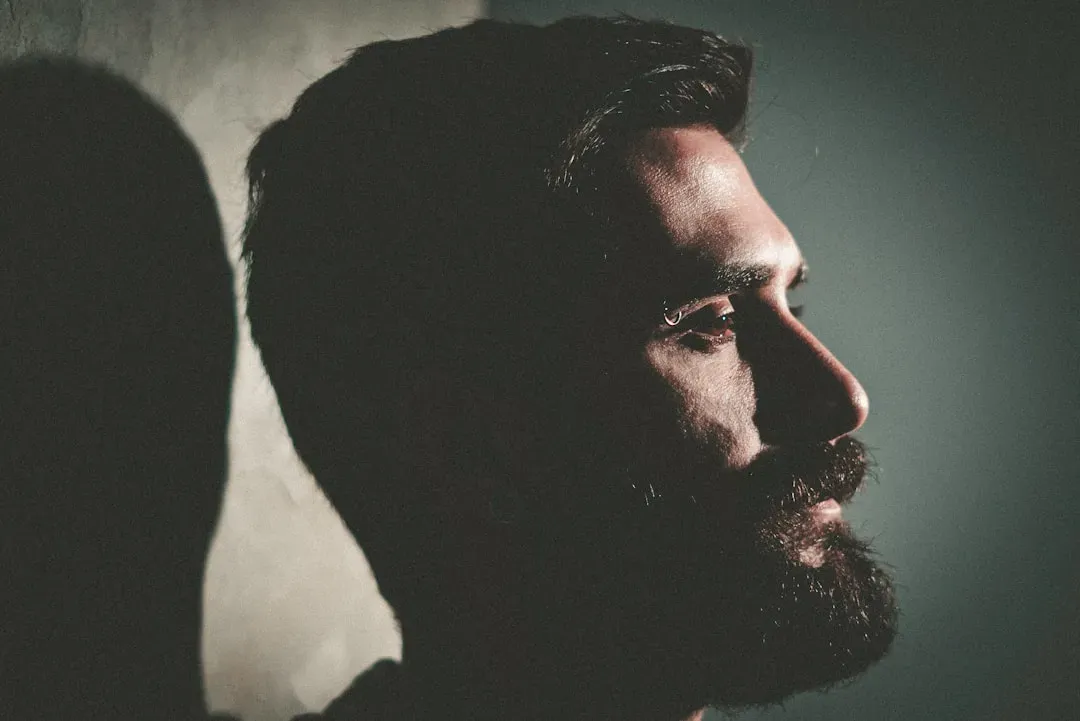
3. "I'm Scared, and I Have Been for a While" (Image Credits: Unsplash)
Traditional masculinity often frames emotional openness as weakness. Vulnerability, including expressing grief, fear, or doubt, is considered acceptable only in rare, dramatic moments: a eulogy, the birth of a child, a national tragedy. Fear that sits somewhere between those dramatic moments, the slow grind of financial worry, relationship dread, health anxiety, gets no permission slip.
Traditional masculine norms, including emotional repression, self-reliance, and “being strong,” may conceal distress, delay treatment, and help explain higher burdens of addiction, violence, and suicide alongside lower recorded diagnoses of affective and anxiety disorders. The silence around fear isn’t just uncomfortable. Over time, it becomes genuinely dangerous.
4. "Compliments Mean More to Me Than I Let On"
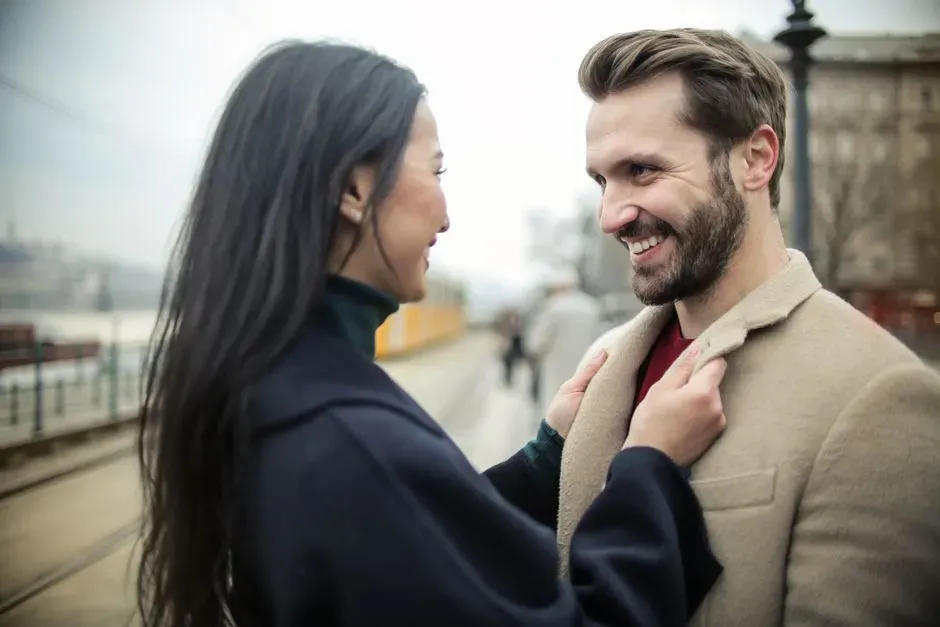
4. "Compliments Mean More to Me Than I Let On" (Image Credits: Pexels)
Women tend to receive more emotional support, compliments, and care than men do. Men are socially expected to be stoic and stone-faced regardless of what happens, which often means their emotional needs get overlooked while others receive support. It’s a gap that shows up in small, quiet ways every day.
A man who hears that he did a good job, that he looks well, that someone noticed his effort, often carries that quietly for much longer than people realize. Compliments actually mean a lot to men, even the small ones. The fact that so few men feel safe admitting this says more about the culture around them than it does about them.
5. "I Don't Always Want to Be the Strong One"

5. "I Don't Always Want to Be the Strong One" (Image Credits: Unsplash)
A core belief many men still hold is that vulnerability equals weakness. Men are not raised to be intimate; they’re raised to be competitive performers. When strength is the only permitted mode, the weight of it accumulates. Nobody asks how the strong one is doing, because the assumption is that he doesn’t need to be asked.
If a man doesn’t feel like he can open up or be vulnerable, chances are he’s suppressing all of those emotions and falling into a cycle of resentment and mistrust. The wish to lay down that weight, even briefly, to say “I’m tired of holding it together” without being seen as falling apart, is something many men share and almost none say aloud.
6. "I'm Struggling With My Mental Health"

6. "I'm Struggling With My Mental Health" (Image Credits: Pixabay)
Traditional masculine norms contribute to emotional suppression and a heightened stigma around seeking help, leading men to underreport mental health issues and avoid professional support. Fear of judgment and societal perceptions of weakness further deter men from reaching out. The result is a quiet epidemic of men managing poorly while insisting they’re managing fine.
In 2024, mental health treatment was less prominent for males than females. Men are also more than three times as likely as women to die from what researchers now call “deaths of despair,” a term covering deaths from suicide, overdose, and alcohol-related illness. Behind those numbers are men who never found the words or the safe moment to say they weren’t okay.
7. "I Wish My Friends Would Just Check In on Me"
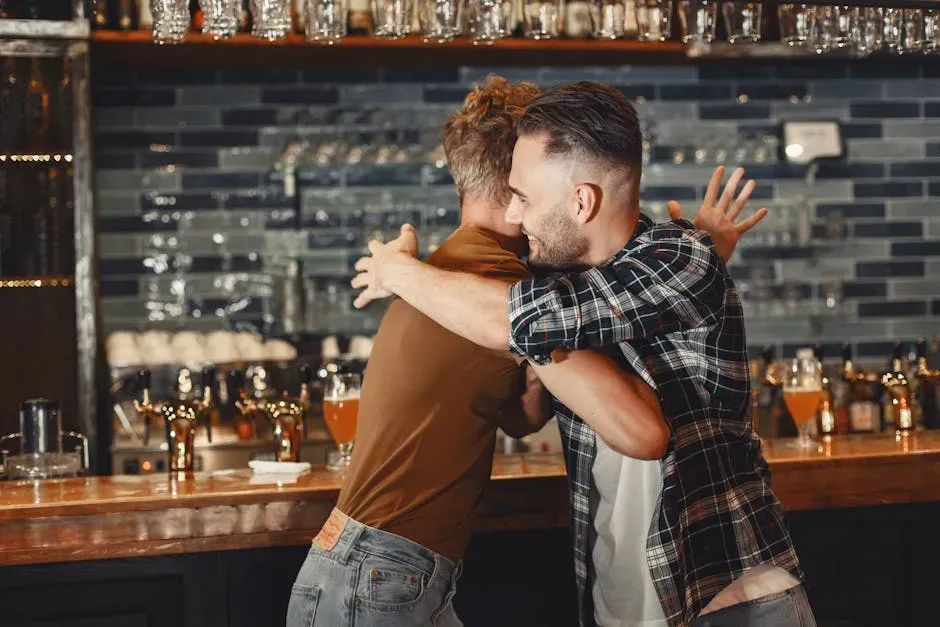
7. "I Wish My Friends Would Just Check In on Me" (Image Credits: Pexels)
Men who have close friends don’t communicate with them as often as women do. Higher shares of women than men say they send text messages, interact on social media, and talk on the phone or video chat with a close friend at least a few times a week. The friendship is real, often deeply valued, but the maintenance of it gets left unattended.
A Pew Research Center 2025 study found that nearly three quarters of men would first turn to a spouse or partner for help, while they reach out to friends or relatives far less often than women do. Many men want to be checked on. They want a friend to call first for once. Saying so, though, can feel like admitting a need they’ve been taught to have no business having.
8. "I Don't Feel Like I'm Enough"
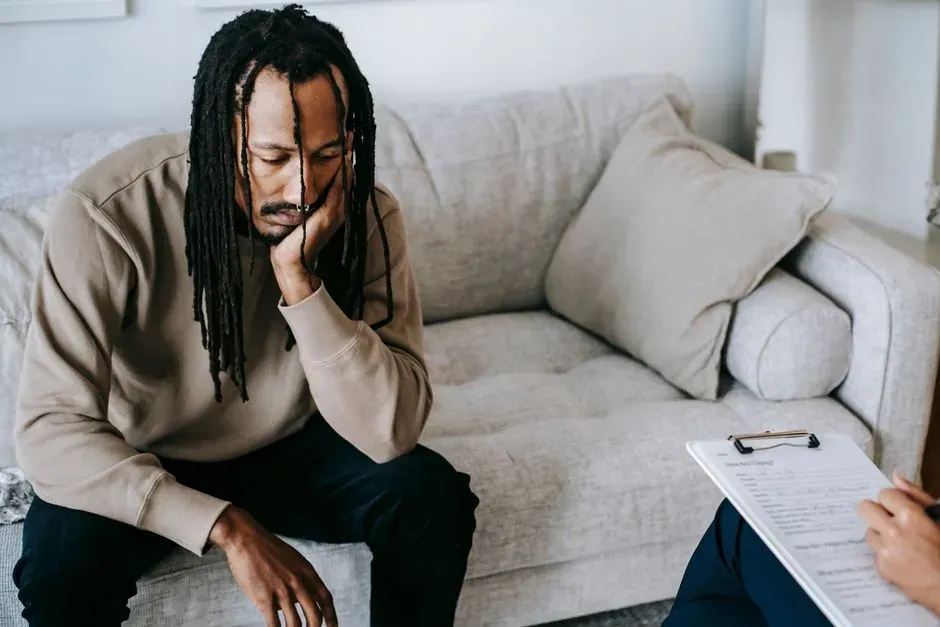
8. "I Don't Feel Like I'm Enough" (Image Credits: Pexels)
In a therapeutic context, men are often able to identify what is really going on beneath their behavior: they don’t feel good enough, they feel hurt, and they are scared. These feelings rarely surface in everyday conversation because they strike at the root of how many men define their value, through competence, productivity, and quiet self-sufficiency.
A 2024 study found that men struggle with changing power dynamics and traditional gender roles, and some experience psychological distress when their partners achieve greater professional success. The pressure to measure up, as a provider, a partner, a father, is constant and rarely acknowledged. Saying “I’m not sure I’m enough” feels like too exposed a confession to make without armor.
9. "I Genuinely Don't Know How I Feel"
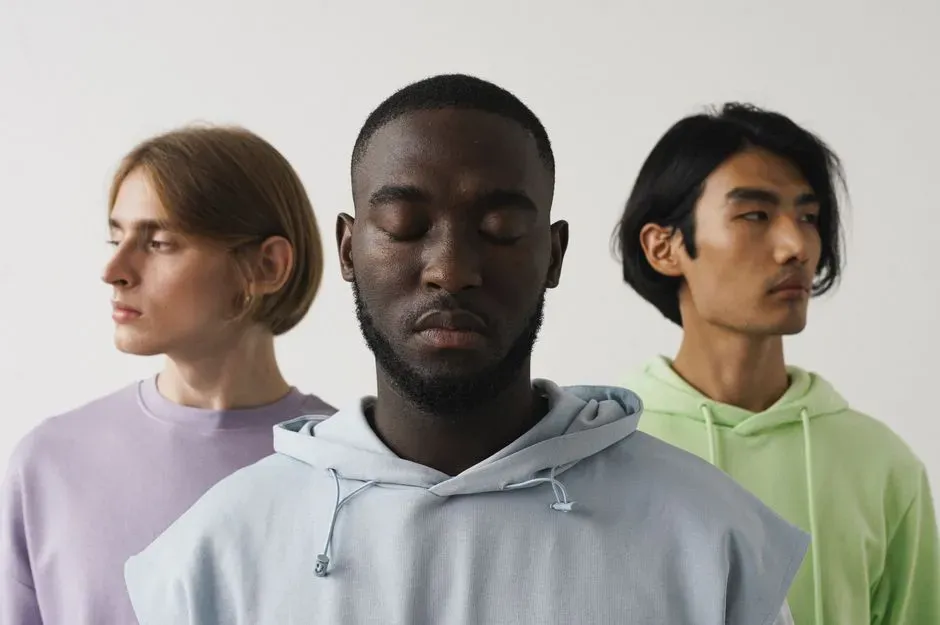
9. "I Genuinely Don't Know How I Feel" (Image Credits: Pexels)
The mistake society keeps making is expecting emotional fluency from people who were never taught the language. Men aren’t emotionally stunted. They’re underfed. Many act as though men have some internal defect when they’re emotionally distant, when the reality is they’ve been deprived of real connection for years, sometimes decades. Naming emotions requires practice and a language that many men were never given.
Psychologist Avrum Weiss explains that men are socialized to suppress compassion, empathy, nurturance, tenderness, vulnerability, and intimacy because these traits are coded as feminine. When the whole vocabulary of inner life gets suppressed early enough, men can genuinely reach adulthood without reliable access to what they’re experiencing. That isn’t weakness. It’s a gap that was created long before they had any say in it.
10. "I Want Deeper Connections, Not Just Surface-Level Ones"
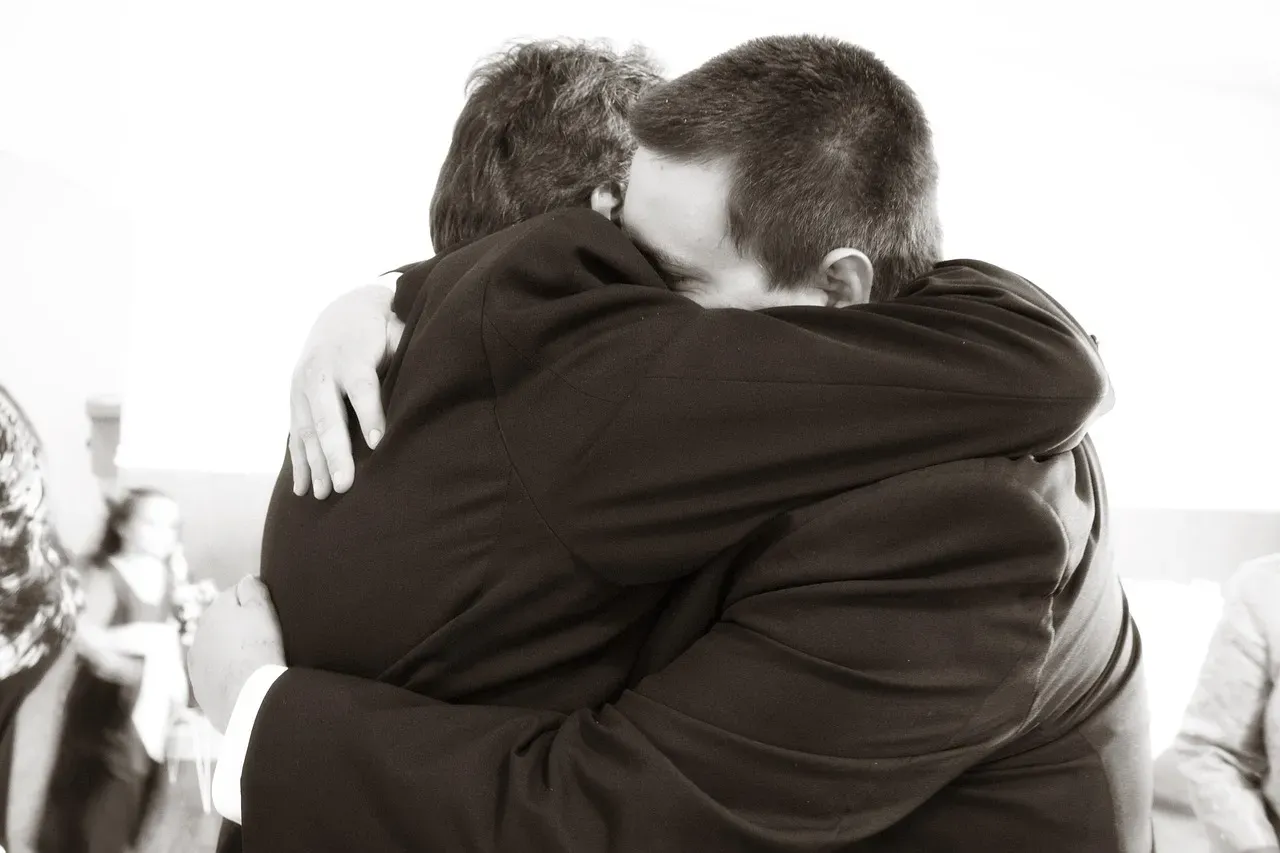
10. "I Want Deeper Connections, Not Just Surface-Level Ones" (Image Credits: Pixabay)
A 2023 Equimundo study found that two thirds of young men aged 18 to 23 said they felt that “no one really knows me.” That statistic lands differently when you sit with it. Not “I don’t have friends,” but “the people around me don’t actually know who I am.” That’s a longing for something real, something most men never say out loud.
Younger men are starting to push back against older norms. A 2025 study by the National Research Group finds nearly half of young men between the ages of 13 and 30 want emotionally vulnerable role models, not just stoic heroes. There’s a growing appetite for honest, meaningful connection among men. The shift is real, even if the words for it still come slowly and the social permission to speak them remains unevenly distributed.
The things on this list aren’t rare feelings. They live inside a vast number of men who move through the world looking composed while carrying more than they ever let on. The question worth sitting with isn’t just why men don’t say these things. It’s what kind of environment we’re collectively building, or failing to build, that makes saying them feel like such a risk in the first place.