
Parenting has never been static. What counted as responsible, caring, or even safe child-rearing a few decades ago can look remarkably different from what pediatricians recommend today. Some shifts have been gradual, shaped by accumulating research. Others happened with surprising speed when a single public health campaign or a landmark study rewrote the rules almost overnight.
What’s striking isn’t just that practices changed, but how confident each generation was that it had things right. Every era believed it was doing best by its children. Looking across these seven areas helps clarify how much context, culture, and science all shape what we consider “good parenting” at any given moment.
1. How Babies Are Put to Sleep

1. How Babies Are Put to Sleep (Image Credits: Unsplash)
For most of the twentieth century, the standard advice was to place infants on their stomachs to sleep. The logic seemed reasonable at the time: if a baby spit up, they wouldn't choke. Up until the early 1990s, parents were told to place their newborns on their stomachs to prevent choking when they spit up. Then the science shifted decisively. In 1992, the American Academy of Pediatrics recommended that babies sleep on their backs or sides to reduce the risk of SIDS.
The results of that change were measurable and fast. Since the "Safe to Sleep" campaign was launched in 1994, the incidence of SIDS has declined by more than half. Today, the guidance goes further than just sleep position. Soft objects including pillows, blankets, quilts, bumper pads, and toys must be kept out of the sleep space entirely, while room sharing without bed sharing can reduce SIDS risk by as much as half and is recommended for at least the first six months.
2. Physical Discipline and Spanking
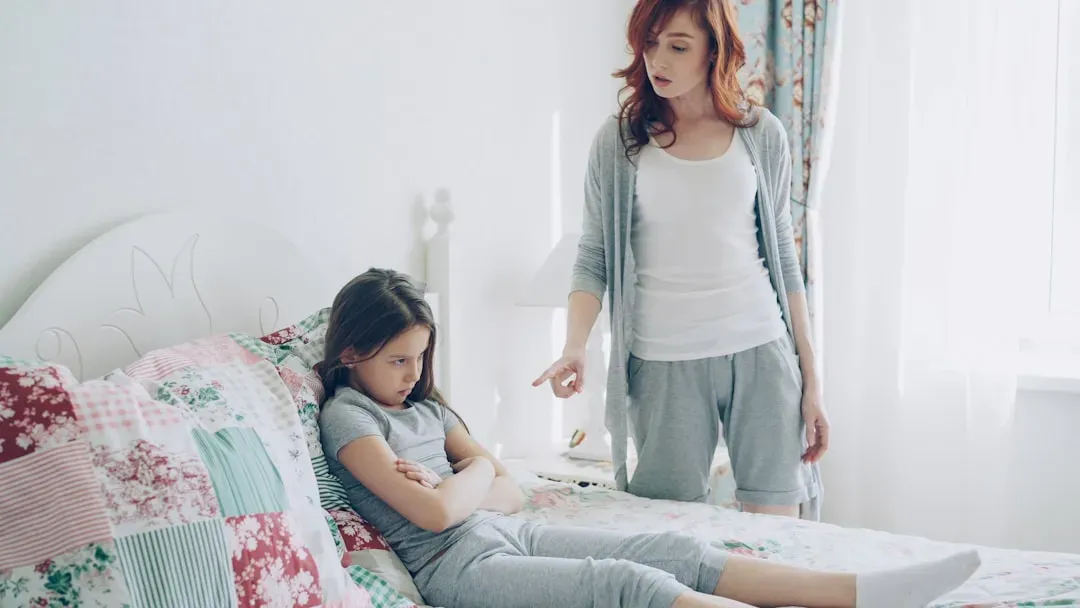
2. Physical Discipline and Spanking (Image Credits: Unsplash)
For most of human history, physical punishment was not just accepted, it was expected. Hitting, spanking, or using a belt were seen by many parents as straightforward tools for shaping behavior. Research has found evidence of a societal trend toward less use of physical discipline techniques by parents over recent decades. The science behind that trend is unambiguous. Across countries, cultures, and income levels, research consistently shows that physical punishment leads to worse outcomes for children.
The United Nations Committee on the Rights of the Child views physical discipline as a violation of children's human rights, and between 65 and 70 countries have banned physical punishment of children in all settings, including the home and school. The generational shift in attitudes is real, though uneven. Social changes that lead to reductions in parents' use of corporal punishment could lead children to have less positive attitudes about spanking, and those shifts in childhood might lead to reductions in rates of abuse and maltreatment in the next generation of parents.
3. Warmth, Strictness, and Parenting Style
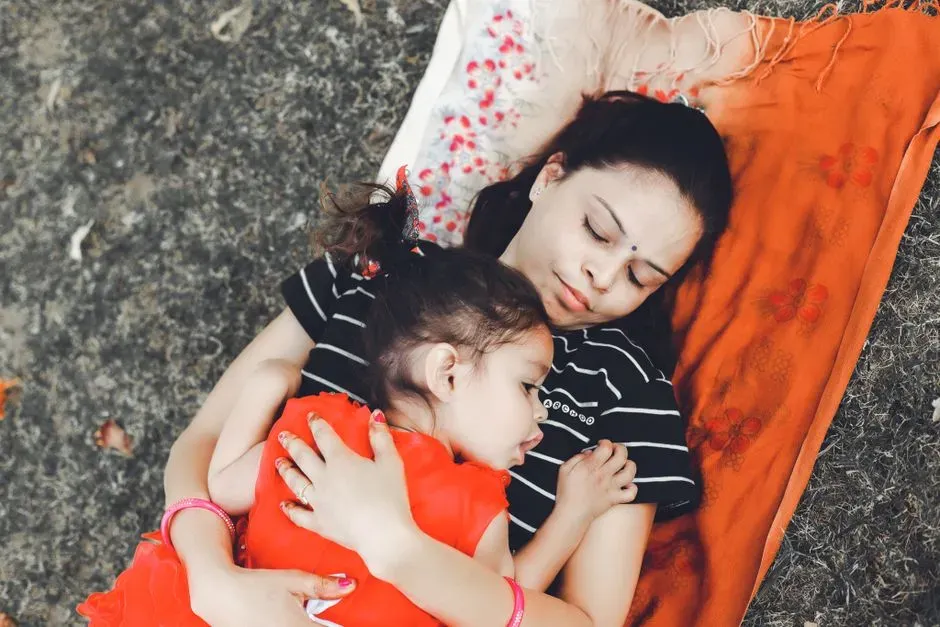
3. Warmth, Strictness, and Parenting Style (Image Credits: Pexels)
Earlier generations often prized visible authority over emotional warmth. Children were expected to be seen and not heard, and displays of affection were sometimes considered indulgent or even counterproductive to building character. That balance has clearly shifted over time. Research shows an increased tendency toward parental warmth across generations, with parents using more affection and reasoning but less indifference, alongside a decreased tendency toward parental strictness.
This isn't just a cultural feeling; it shows up in multi-generational data. Despite cross-generational differences in parenting practices, a common pattern has emerged between parenting styles and psychosocial adjustment: indulgent parenting was related to equal or even better self-concept and well-being than authoritative parenting, while parenting characterized by non-warmth was related to poor outcomes. The old assumption that firmness was the highest form of care has largely given way to an understanding that warmth and emotional availability carry significant weight in how children develop.
4. Screen Time and Digital Boundaries

4. Screen Time and Digital Boundaries (Image Credits: Pexels)
Previous generations had no screen time to manage, of course. The parenting rule that emerged in the early digital age was simple: limit it, cap it, cut it off. The idea was that less screen time automatically meant a healthier child. For decades, parents relied on one simple rule of limiting screen time, with the idea being that less meant happier, healthier kids. In 2026, many parents are discovering that simply setting strict limits isn't enough.
The current thinking, supported by updated guidance from major pediatric organizations, is more nuanced. Children are growing up in an increasingly digital world that affects sleep, learning, and mental health, making screen time limits alone no longer enough, according to new guidance from the American Academy of Pediatrics, which covered hundreds of studies on digital media and health effects over the last twenty years. What matters now is how kids use screens, what content they engage with, and the habits they form around technology. The conversation has moved from raw time to quality, context, and digital literacy.
5. Mental Health, Emotions, and the "Toughen Up" Rule

5. Mental Health, Emotions, and the "Toughen Up" Rule (Image Credits: Unsplash)
For much of the twentieth century, a child crying, struggling emotionally, or expressing anxiety was often met with a directive to get over it. Emotional resilience was supposed to come from exposure to hardship, not from being helped to process it. Vulnerability, particularly in boys, was frequently treated as something to be corrected rather than supported.
Millennials are rewriting the parenting playbook, ushering in a new era of open communication and emotional intelligence with their kids. Many millennial parents are taking a different path than their parents did, seeking advice from the internet, juggling work and family obligations, and navigating conversations around mental health. Where previous generations viewed emotional discussion as unnecessary or soft, today's parents increasingly treat emotional literacy as a skill worth actively cultivating. The shift isn't just cultural preference; it reflects a growing body of developmental research on how emotional regulation is learned.
6. Free Play, Independence, and Supervision

6. Free Play, Independence, and Supervision (Image Credits: Pexels)
Children in earlier generations roamed neighborhoods, came home when the streetlights came on, and largely managed their own time and conflicts from a young age. The concept of unstructured, unsupervised play was simply called childhood. Starting roughly in the 1980s, this began to change as parental anxiety around safety increased, giving rise to what researchers and journalists eventually labeled "helicopter parenting."
The pendulum has since drawn serious scrutiny from child development researchers who argue that over-supervision may limit problem-solving ability, risk tolerance, and emotional independence. Rather than punishing or dismissing a child's feelings, modern positive discipline encourages parents to use challenging moments as opportunities to teach self-regulation, helping children develop greater awareness of their reactions and the situations that trigger them. The emerging consensus is that children need room to fail, adapt, and figure things out without a parent immediately intervening, though finding that balance remains one of the genuinely hard parts of raising kids today.
7. Cultural Awareness and What Parents Are Expected to Teach
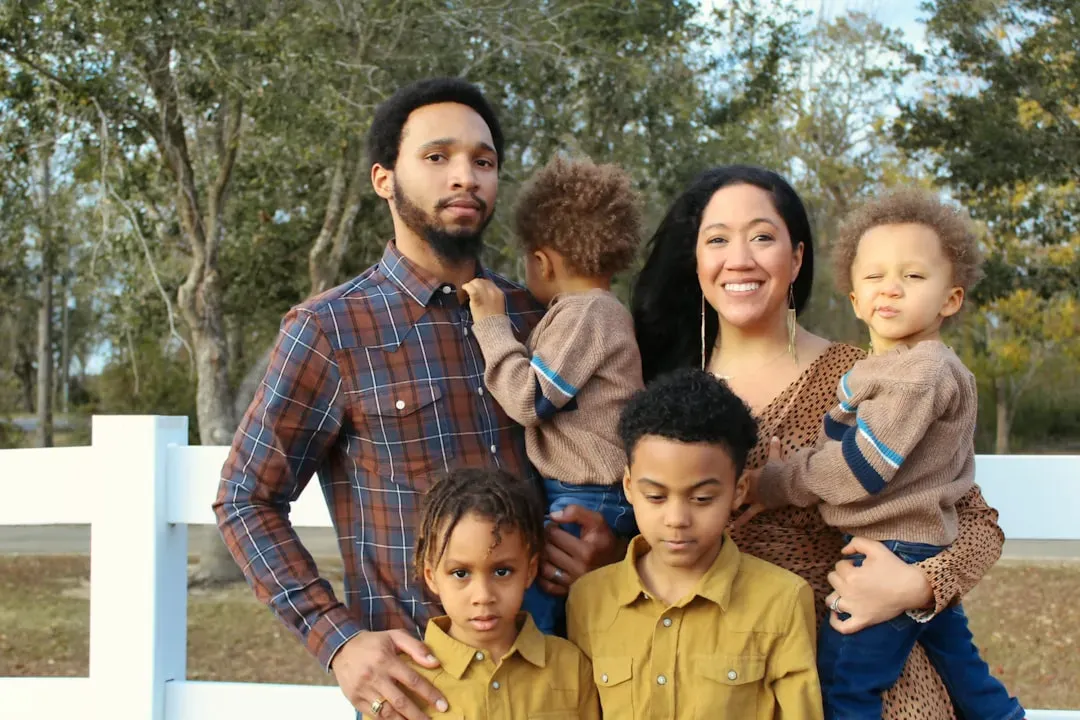
7. Cultural Awareness and What Parents Are Expected to Teach (Image Credits: Unsplash)
For earlier generations, many parents considered cultural education to be the school's job, or simply not a priority at home. The assumption in many households was that children would absorb the dominant cultural narrative and that exposure to difference was incidental rather than intentional. That expectation has changed substantially. According to recent data, roughly four out of five parents want their children exposed to more cultural diversity than they experienced growing up, and nearly nine out of ten emphasize respect for cultural differences with their children.
Around two thirds of parents are actively seeking resources to teach their children about different cultures, with parents increasingly becoming cultural teachers who spark curiosity by celebrating differences and helping children find their place in a diverse world. This is a genuine generational departure. Where previous parenting "rules" were often focused inward on family values and individual behavior, today's parents are increasingly thinking outward, treating cultural awareness and empathy as core competencies worth nurturing from an early age.
Across all seven of these areas, one pattern holds: parenting rules are not fixed truths. They're shaped by the best available science, the anxieties of an era, and the values a society chooses to prioritize. The generation raising children today inherited some ideas that were genuinely harmful, discarded them based on evidence, and built new ones that will likely be refined by the generations that follow. That process of revision isn't a failure of parenting. It's probably the most honest definition of progress.