
Most of us believe we’re decent judges of character. We read tone, posture, and word choice and feel reasonably confident about what someone means. What we consistently miss, though, happens in a fraction of a second – a flicker of emotion crossing a face before the social mask slides back into place. These are micro-expressions, and they operate almost entirely outside a person’s conscious control.
Facial micro-expressions are involuntary spontaneous movements of the face that typically appear in high-stakes situations where a person attempts to conceal a certain emotion from being known. Psychologist Paul Ekman identified these involuntary micro-expressions as lasting just 1/25th to 1/5th of a second – fast enough that the untrained eye simply blinks and moves on. His cross-cultural research identified seven universal micro-expressions – happiness, sadness, anger, fear, surprise, disgust, and contempt – that are expressed identically across all human cultures, including isolated tribes with no exposure to Western media. Understanding even a few of them changes how you read a room entirely.
1. The One-Sided Lip Raise: Contempt
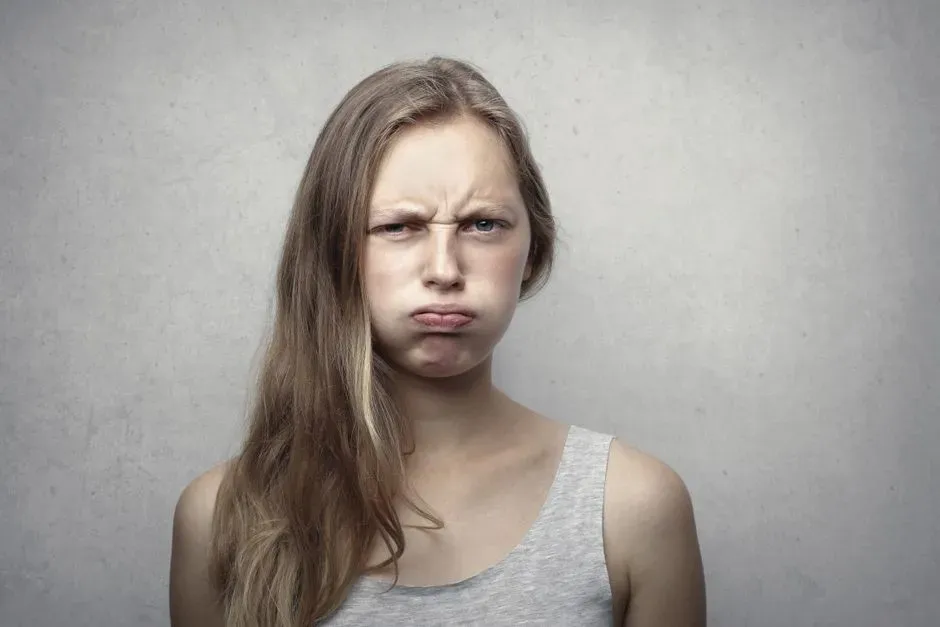
1. The One-Sided Lip Raise: Contempt (Image Credits: Pexels)
When it comes to contempt, there is only one micro-expression to look out for: one side of the mouth is raised. Interestingly, this is the only universal emotion micro-expression that is asymmetrical. It can look deceptively similar to a casual smirk, which is exactly what makes it so easy to miss – or misread. When we see contempt on someone else, it signals to our brain that the other person greatly dislikes what was said or what's happening around them. It can also be perceived as an "I'm better than you" signal.
Contempt is the only asymmetrical micro-expression, characterized by a single raised lip corner. Dr. John Gottman's research indicates this specific expression predicts divorce with over 90% accuracy in married couples. That's a striking figure for something so small. If this expression surfaces regularly between two people, the emotional gap between them is likely far wider than their words suggest.
2. The Inner Brow Raise: Sadness

2. The Inner Brow Raise: Sadness (Image Credits: Pexels)
The expression of sadness is difficult to feign because of the inner-brow raise in addition to lip-corner depressing that occurs with sadness. Only a few people can raise their inner brows on demand, but this inner-brow raise occurs in everyone who experiences a genuine feeling of sadness. That involuntary quality makes it one of the most reliable signals in the entire set. Sadness is the hardest micro-expression to fake and also one of the more difficult ones to spot, because the micro-expressions aren't big.
When someone is sad, there is also a dropping of the upper eyelids, a loss of focus in the eyes, and a slight pulling down on the lips in the corners and the jaw. Together, these features create a heaviness in the face that's hard to manufacture convincingly. Someone who is genuinely holding back emotion will often show this cluster for just a fraction of a second before composing themselves.
3. The Flat Eyebrow Raise: Fear
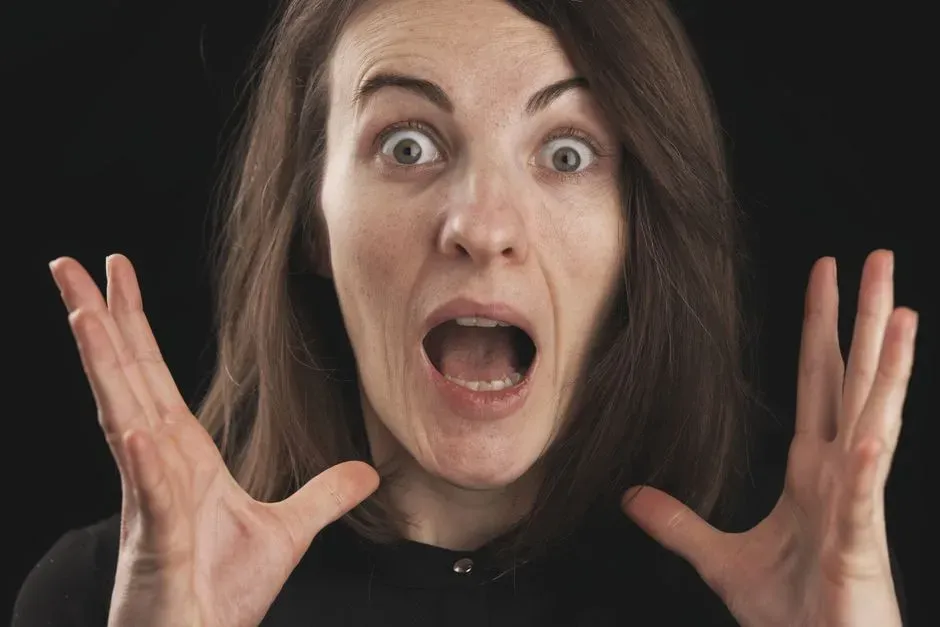
3. The Flat Eyebrow Raise: Fear (Image Credits: Pexels)
Fear can be distinguished by the eyebrows being raised and drawn together in a flat line, wrinkles forming in the centre of the forehead, the upper eyelid being raised, the eyeball having the upper white showing, the mouth being open, and lips being tensed and drawn back. The key distinguishing feature here is the flatness of the brows. This is what separates fear from surprise, which can look quite similar at a glance. Surprise and fear result in similar facial expressions, but there is a lot more tension in a scared person's face.
The expression of fear is designed to be a warning signal, triggered in situations where historically there was a threat of danger. When we feel fear, our eyebrows are raised and pulled together, our lower lids are tensed, and our lips are slightly stretched horizontally. The horizontal lip stretch is subtle but consistent – it's a reflex the body produces almost automatically when it perceives threat, even social threat.
4. The Nose Wrinkle with Upper Lip Raise: Disgust

4. The Nose Wrinkle with Upper Lip Raise: Disgust (Image Credits: Unsplash)
We tend to tense the middle of the face when we are disgusted. This causes the nose to wrinkle and the upper lip to raise, exposing the top row of teeth. The signal is visceral and ancient – a biological reflex originally evolved to reject spoiled food or toxic smells. Today it flashes across the face in response to ideas, people, and proposals that the brain registers as repellent. The face of disgust can be identified by a narrowing of the eyes, the upper lip raised, the top row of teeth exposed, the nose wrinkled, and the cheeks raised.
What makes disgust worth watching in conversation is how quickly it disappears. Someone might disagree with a statement verbally in measured, polite terms, while their upper lip briefly curled half a second before they even began to speak. Micro-expressions occur when a person attempts to conceal their true emotion. When they consciously realize that a facial expression is occurring, the person may try to suppress it because showing the emotion may not be appropriate or could be due to a cultural display rule.
5. The Duchenne Smile: Genuine Happiness
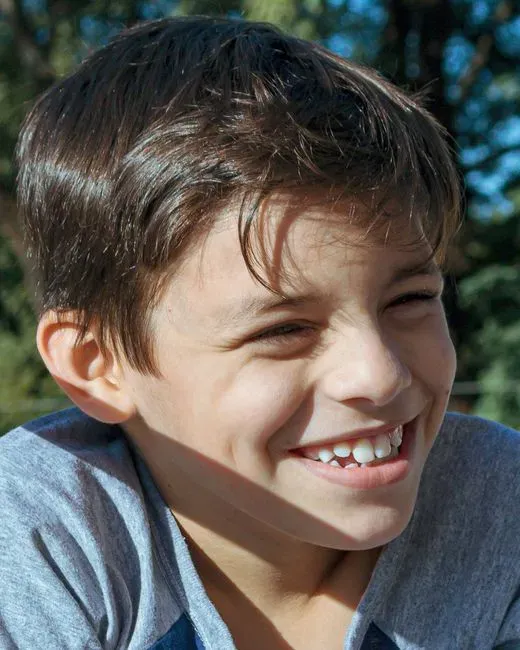
5. The Duchenne Smile: Genuine Happiness (Image Credits: Pexels)
True happiness can be identified by the corners of the lips being drawn back and up, a wrinkle line that runs from the outer nose to the outer lip, cheeks being raised, lower eyelids may be wrinkled, and crow's feet out on the outside of the eyes. People often try to fake happiness or a smile, but research says when people are really happy, they smile with the Duchenne Smile. The name comes from French neurologist Guillaume Duchenne, who first identified it in the 19th century. The most evidence-backed cue here is the genuine (Duchenne) smile: real enjoyment usually shows in the eyes – crow's feet and the orbicularis oculi – not just the mouth.
While roughly seven in ten people can fake the eye crinkle associated with a Duchenne smile, genuine happiness typically builds and fades slowly. Asymmetrical or "snapping" smiles often indicate manufactured rather than felt emotion. Speed and symmetry are the giveaways. A real smile takes a beat to arrive and another beat to fade. A performed one tends to switch off too cleanly, like a light turning off rather than dimming.
6. The Lowered Brow with Pressed Lips: Anger
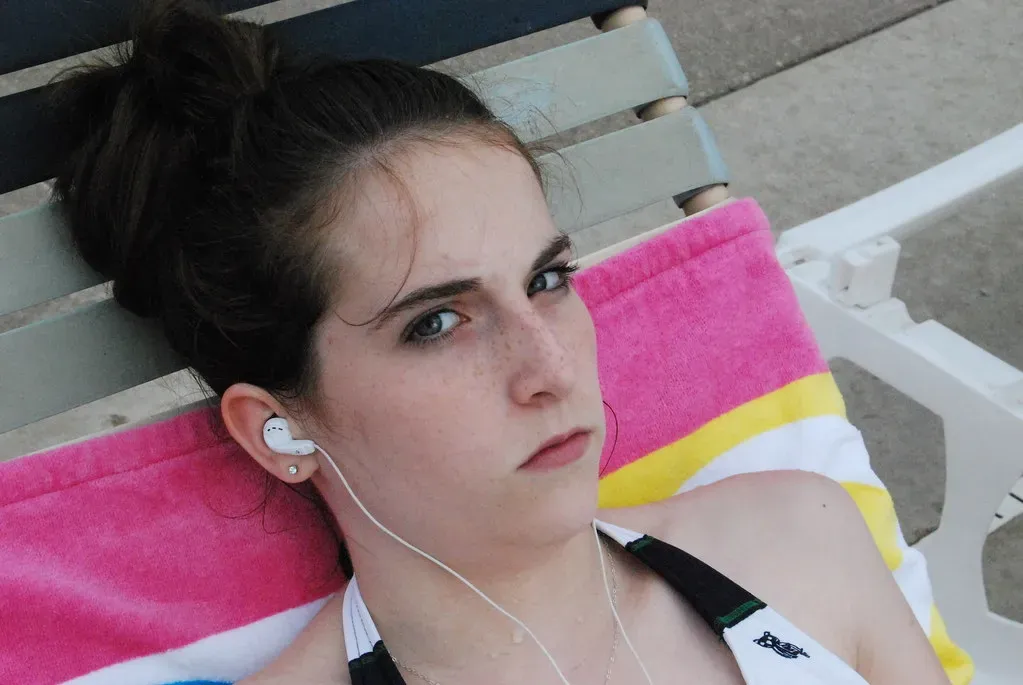
6. The Lowered Brow with Pressed Lips: Anger (k4dordy, Flickr, <a href="https://creativecommons.org/licenses/by/2.0/" target="_blank" rel="noopener">CC BY 2.0</a>)
The micro-expressions to look out for to detect anger are lowered eyebrows that are drawn together, vertical lines appearing above the eyebrows, tense lower lip, eyes in a direct stare, lips pressed together, dilated nostrils, or the lower jaw pushed forward. Unlike many other micro-expressions, anger often lingers slightly longer because it tends to build rather than flash. Still, a controlled person will suppress it quickly – often within fractions of a second. While macro-expressions are voluntary and easily recognized, micro-expressions are involuntary, rapid, and can reveal concealed emotions.
Pressed lips are particularly telling when they appear without any corresponding verbal anger. A person who disagrees but stays quiet may press their lips together for a brief moment – a muscular attempt to hold back an emotional response. The jaw push is another reliable signal: it's an ancient threat display the body produces automatically under provocation, regardless of what the face above it is trying to express.
7. The Arched Eyebrow with Jaw Drop: Surprise
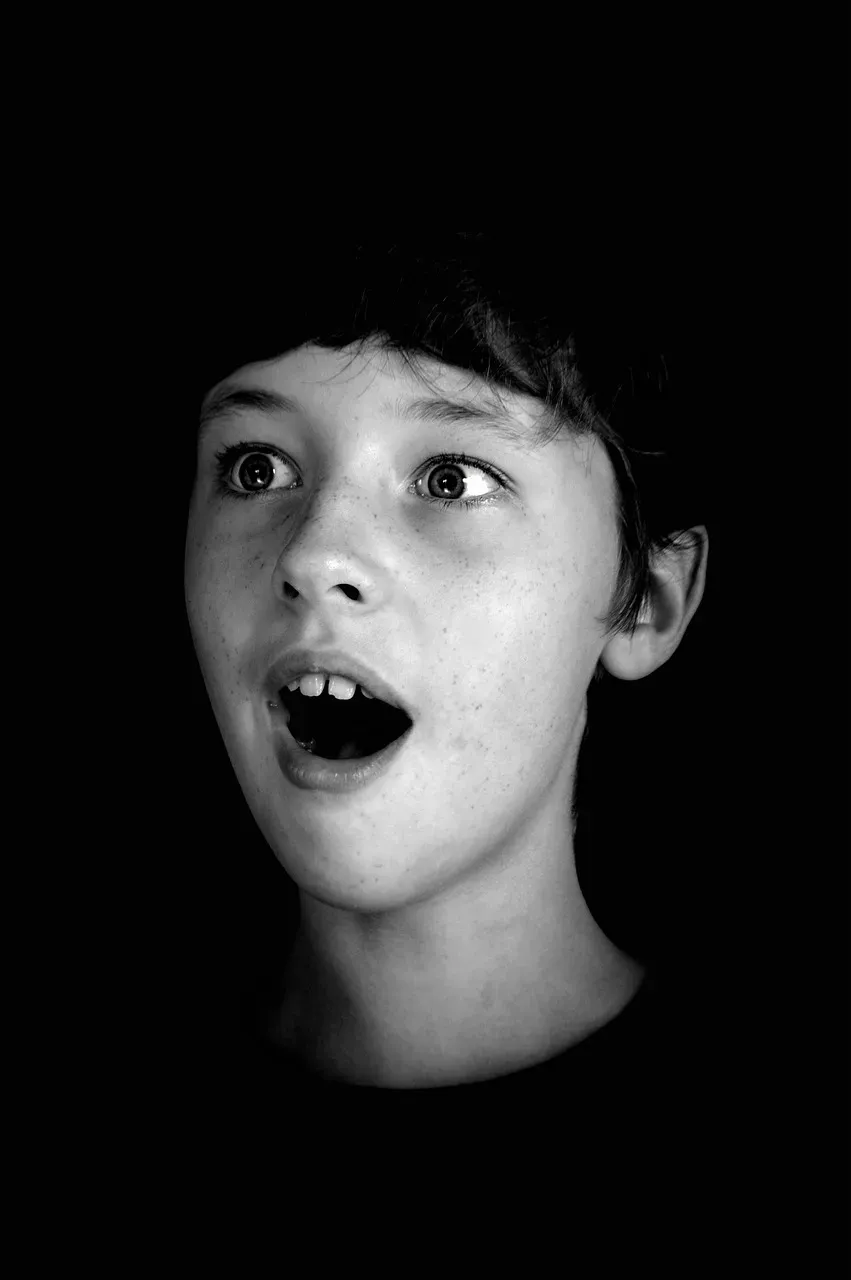
7. The Arched Eyebrow with Jaw Drop: Surprise (Image Credits: Pixabay)
The eyes underneath will widen and the person's jaw is likely to drop during genuine surprise. Surprise may encompass the inner brow raiser, the outer brow raiser, the upper lid raiser, and jaw drop. These elements combine to create maximum sensory intake – the eyes open wide to gather more visual information, the jaw drops to enable faster breathing. It's a fleeting reset in the system. If a person is surprised, they are likely to be loose around the mouth and jaw.
The critical thing to observe with surprise is whether the eyebrows arch upward in a rounded curve, as opposed to the flat, pulled-together brows of fear. Rounded arching signals genuine surprise; flattened, drawn-together brows suggest something closer to alarm. The difference is subtle on paper but distinct in person once you know what you're looking for. Surprise also tends to be the briefest of all micro-expressions, fading into a secondary expression almost immediately.
8. The Rapid Blink Cluster: Stress and Discomfort
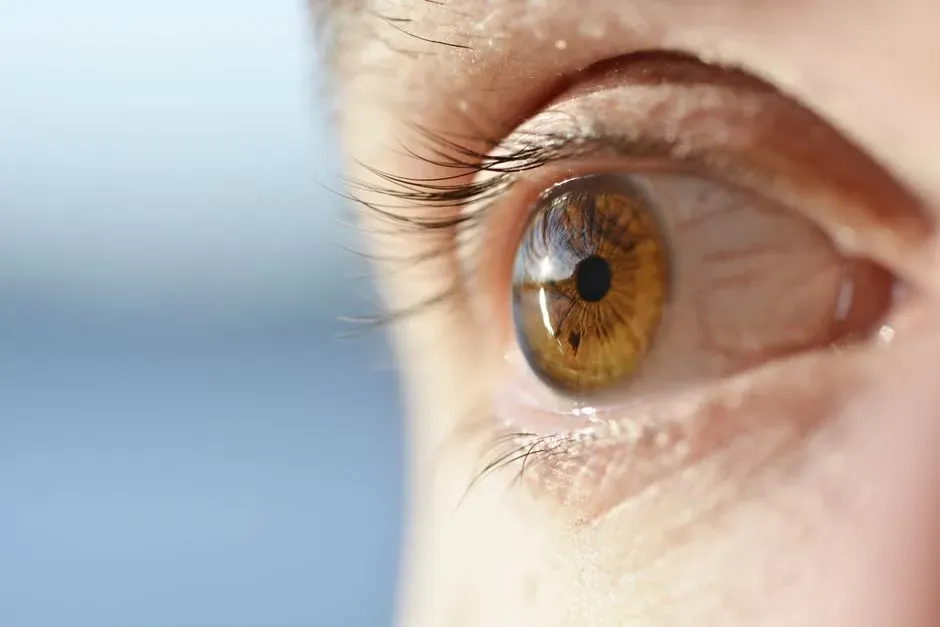
8. The Rapid Blink Cluster: Stress and Discomfort (Image Credits: Pexels)
Rapidly blinking eyes portray distress and discomfort. This is one of the more underrated signals in the catalogue – not one of the seven universal expressions per se, but a reliable autonomic response the nervous system produces under pressure. Micro-expressions are facial movements with extremely short duration and small amplitude, which can reveal an individual's potential true emotions and have important application value in public safety, medical diagnosis, psychotherapy, and business negotiations. Blink rate is part of that picture.
Under calm conditions, most people blink somewhere between fifteen and twenty times per minute. When cognitive load or emotional tension spikes, that rate tends to accelerate sharply. A sudden cluster of rapid blinks during a specific question or topic signals the brain is under pressure – often the kind produced by anxiety, deception, or an uncomfortable truth being carefully managed. Context always matters, but a blink cluster paired with other micro-expressions is worth noting.
9. The Lip Press with Nostril Flare: Suppressed Strong Emotion
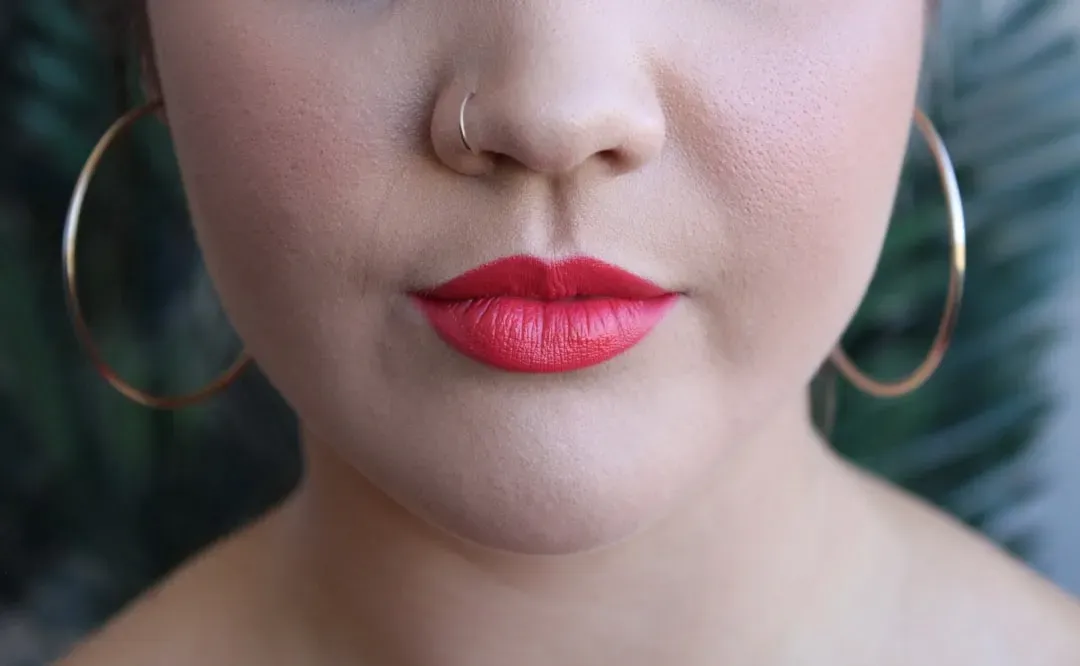
9. The Lip Press with Nostril Flare: Suppressed Strong Emotion (Image Credits: Unsplash)
Nostril flare is associated with anger, excitement, and exertion. When it appears alongside pressed lips, the combination typically signals that a strong internal reaction is being actively held back. The Facial Action Coding System (FACS) catalogs 46 individual facial muscle movements and remains the gold standard for objective facial expression measurement in research and technology. Within the FACS framework, the nostril flare and lip press together constitute a recognizable cluster that often signals controlled agitation.
This pairing is especially common in professional settings where open emotional display is considered inappropriate. Someone in a meeting who receives unwelcome news may briefly press their lips together while their nostrils flare almost imperceptibly – the body voicing what the person has decided not to say aloud. Using FACS, human coders can manually code nearly any anatomically possible facial expression, deconstructing it into the specific Action Units and their temporal segments that produced the expression. That level of precision reveals just how much information a face communicates in silence.
10. The Asymmetrical Smile: Masked or Mixed Emotion

10. The Asymmetrical Smile: Masked or Mixed Emotion (Image Credits: Unsplash)
Genuine smiles are typically symmetrical. Both sides of the face engage equally because real emotion affects our whole face uniformly. An asymmetrical or lopsided smile, by contrast, often indicates that the emotional display is at least partially constructed. When someone gives that crooked, half-hearted smile while saying something supportive, their face is literally divided – part of them is going through the social motions, while the other part can't quite commit to the performance.
This expression is particularly common when someone is being polite about something they privately disagree with, or when they feel obligated to appear enthusiastic about an outcome they didn't want. Even congenitally blind individuals – those blind since birth – make the same facial expressions, even though they have never seen other people's faces, which underscores how deeply biological these signals are. The asymmetrical smile is essentially the face telling two stories at once, and with practice, both are readable.
Reading faces isn't about catching people out. It's about understanding what's actually happening beneath the surface of a conversation, which is often richer, more complicated, and more honest than the words alone. Since micro-expressions change rapidly and are difficult to detect, manual recognition is a significant challenge – but awareness alone sharpens perception considerably. The more you observe without judgment, the more clearly you begin to see what people are genuinely feeling, not just what they've decided to show.