
There’s a certain kind of cultural whiplash that happens when a millennial parent visits their boomer mom and dad. The house smells faintly of a mystery casserole, the TV is on at full volume, and somewhere in the kitchen, leftover meat is sitting out on the counter just… existing. Meanwhile, the millennial is quietly spiraling. What was utterly normal in a 1970s or 1980s household can feel like a five-alarm emergency to a generation raised on Google, pediatric guidelines, and an endless scroll of parenting content.
For boomers, many of the parenting habits they grew up with were just “the way things were.” But to today’s millennial parents, those same habits feel shocking – sometimes even dangerous. It isn’t about being soft or oversensitive. It’s about knowing more, and sometimes knowing more means you can never quite un-know it. Here are 13 things boomer parents did at home without a second thought that millennials today find genuinely hard to replicate.
1. Letting Kids Roam the Neighborhood Alone for Hours

1. Letting Kids Roam the Neighborhood Alone for Hours (Image Credits: Unsplash)
From the 1940s through the 1980s, children often left home after breakfast with little more than a vague instruction: “Be back before dinner.” Neighborhoods were informal safety nets, and kids were free to navigate them without phones or GPS trackers. Kids roamed neighborhoods, built forts in the woods, and invented games without adult oversight. Parents expected them home for dinner, but in between, anything went.
For millennial parents, the idea of letting kids roam unsupervised feels terrifying. Many track their kids’ locations through apps, require helmets for every bike ride, and schedule playdates rather than letting kids wander off. Opportunities for children’s free outdoor play have been greatly reduced in recent decades, an evolution closely linked to rapid changes in society, including a significant increase in children’s participation in supervised activities.
2. Smoking Indoors Around the Kids

2. Smoking Indoors Around the Kids (Image Credits: Pexels)
Parents smoked everywhere – in the car with the windows up, at the dinner table, and even in hospital waiting rooms. The health risks of secondhand smoke weren’t widely acknowledged until much later, with the first major reports emerging in the 1980s. Back then, ashtrays were as common as TV trays in every home. It was just part of the domestic landscape, as unremarkable as a kitchen table or a coat rack.
Some boomer-era parents even kept a guest ashtray in the house in case a visitor wanted to light up, complaining about the smoke smell once the person was gone but feeling it would have been rude to ask them to take it outside. A millennial parent today would sooner dismantle the living room than allow cigarette smoke anywhere near their child. The science on secondhand smoke exposure is now iron-clad, and the idea of a smoke-filled station wagon full of kids belongs firmly in another era.
3. Using Physical Discipline as a Routine Parenting Tool

3. Using Physical Discipline as a Routine Parenting Tool (Image Credits: Unsplash)
For many boomers, spanking wasn’t just accepted – it was expected. A swat with a belt, paddle, or wooden spoon was a standard form of discipline, and most households had their preferred “tool.” Teachers, too, were often permitted to use corporal punishment in classrooms. At the time, it was seen as an effective way to keep kids in line.
Research has since shown that physical punishment often does more harm than good. It may stop unwanted behavior in the short term, but it tends to create fear, resentment, and even long-term behavioral problems. Younger parents see spanking very differently – what boomers called discipline, millennials and Gen Z often see as abuse. Today, the American Academy of Pediatrics advises against spanking, and many parents try to avoid this type of discipline entirely.
4. Raising "Latchkey Kids" Without a Second Thought
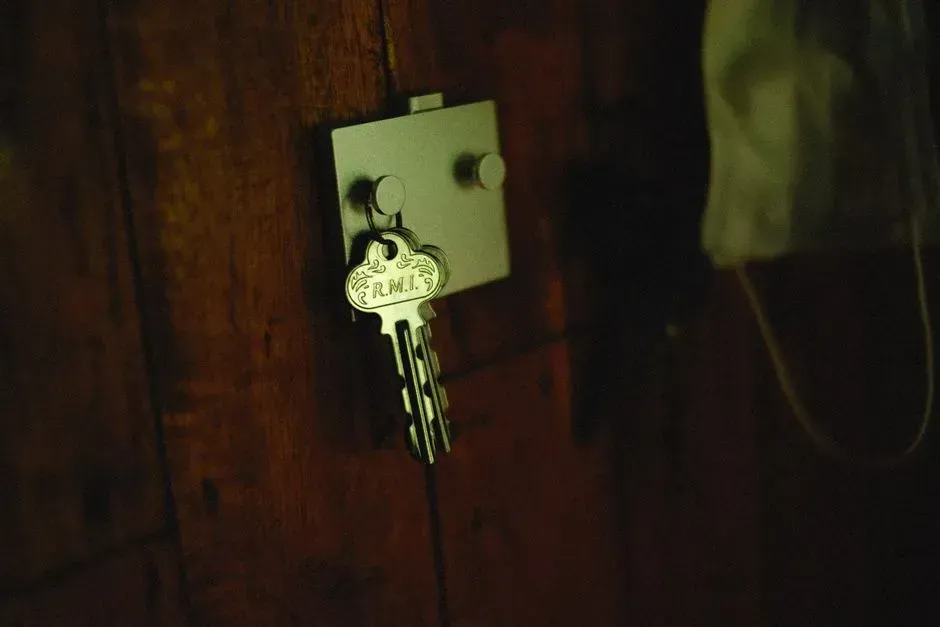
4. Raising "Latchkey Kids" Without a Second Thought (Image Credits: Pexels)
If you were eight or nine in the 1970s, there’s a good chance you had a key hanging around your neck. After school, you let yourself in, made a sandwich, and maybe flipped on the TV until your parents came home. This “latchkey kid” phenomenon was so common that it became part of the cultural identity of an entire generation. Responsibility wasn’t optional – it was just part of life.
The rise of the latchkey kid became especially visible in the United States during the 1970s and 1980s, when increasing numbers of dual-income households or single-parent homes meant children returned from school to empty houses. Many kids carried house keys, prepared snacks, and entertained themselves until their parents finished work. Today, leaving an elementary schooler alone for hours would raise eyebrows – or possibly spark a call to child services. After-school programs, babysitters, and tightly scheduled activities fill those hours instead.
5. Silencing Children at the Dinner Table
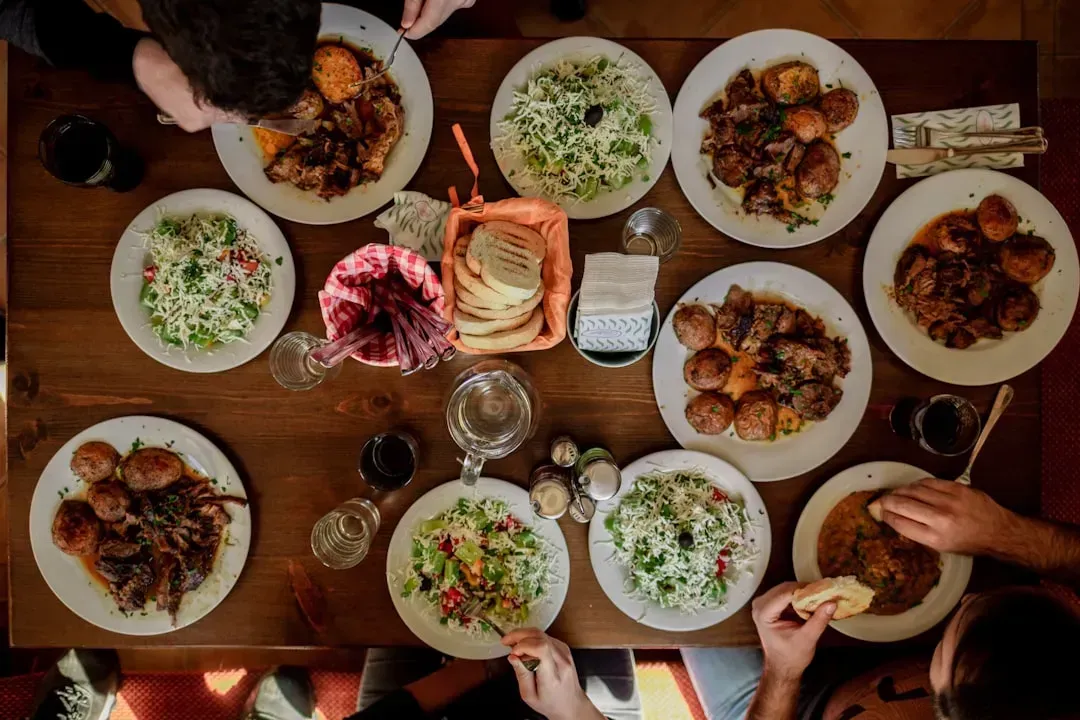
5. Silencing Children at the Dinner Table (Image Credits: Unsplash)
Back then, kids often grew up under the rule that children should stay quiet when adults were around. Talking back, asking too many questions, or even joining in on adult conversations was seen as disrespectful. Many kids learned to sit silently at the dinner table while their parents carried the discussion. This style of parenting reflected a larger cultural emphasis on hierarchy and obedience.
Boomer parents grew up in the “children should be seen and not heard” era, and they were split on how they handled their own interactions with their kids. Millennials have swung firmly in the other direction. Modern parents are more likely to encourage their kids to share opinions and feelings. Dinnertime today might involve everyone – even a six-year-old – contributing stories, questions, or ideas. To a millennial mom or dad, the idea of silencing a child’s voice feels like stifling their growth and self-worth.
6. Leaving Kids in the Car Alone on Quick Errands
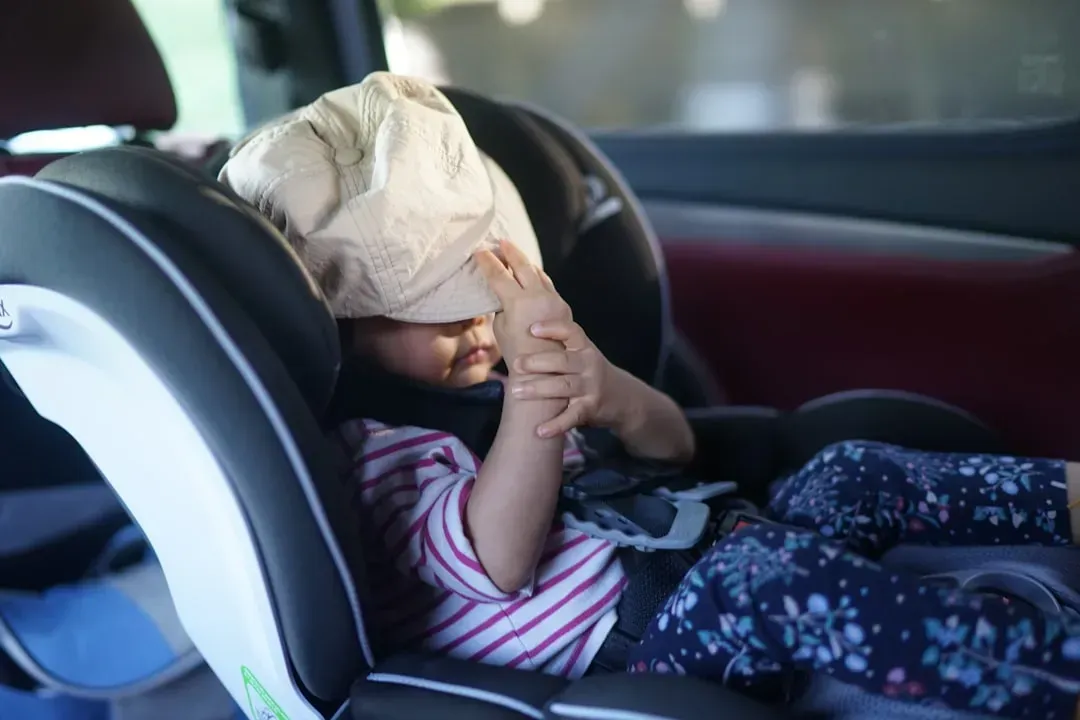
6. Leaving Kids in the Car Alone on Quick Errands (Image Credits: Unsplash)
Boomer parents thought nothing of running into the grocery store for ten minutes while kids waited in the car. It was a practical solution, not a reckless one, and virtually every family did it. What was once considered ordinary in the 1960s, 70s, and 80s now raises eyebrows, sparks debates on parenting forums, and in some cases could even get parents in trouble with the law. Today, laws in many U.S. states explicitly prohibit leaving young children unattended in vehicles.
For millennials, the calculus is immediate and visceral – heat, strangers, anything could go wrong. The anxiety isn’t irrational, either. Awareness of the genuine dangers has grown substantially compared to what was known in the boomer era. What’s especially fascinating is that our data and best practices have gotten so much better over time. Parents in the 80s had no idea that crib bumpers were dangerous, just like their parents didn’t know that using whiskey as a sleep aid probably wasn’t the best idea. We know better, and yet we’re burdened by the overwhelming amount of knowledge and potential dangers around us.
7. Letting Kids Ride Without Car Seats or Seat Belts

7. Letting Kids Ride Without Car Seats or Seat Belts (Image Credits: Pexels)
Kids stretched out across the back seat for naps, knelt on the seats to wave at other drivers, or piled into the bed of a pickup truck for a joyride. Today, even short trips mean car seats, booster seats, airbags, and safety checks. Parents wouldn’t dream of letting a kid climb around the back while the car is moving. This shift shows how dramatically our culture has redefined “normal.”
Statistically, crime has been falling since the 1990s – but car safety tells a different story of genuine progress. Just the invention of backup cameras and airbags alone has changed car accident mortality rates drastically, along with car seat safety and seat belts. As one commenter put it, “It’s called survivor bias. You see it in all the boomer posts: ‘We didn’t wear seat belts and we lived to tell about it!’ But some of their peers DIDN’T live to tell about it. Enough of them were seriously injured or killed that it was worth passing laws about seatbelts and car seats.”
8. Applying Casual, Unvetted Home Remedies to Everything

8. Applying Casual, Unvetted Home Remedies to Everything (Image Credits: Unsplash)
Boomer households were full of folk remedies passed down through generations – butter on burns, whiskey on gums for teething babies, running a fever “out” without any medical intervention. These weren’t born of negligence but of limited access to information and a deep trust in what grandma had always done. Medical knowledge simply hadn’t filtered into daily domestic life the way it has today. Boomers raised their kids without Google or video baby monitors, while millennials are drowning in information overload and social media pressure.
Millennials, by contrast, will Google a low-grade fever at 2 a.m. and spiral through seventeen tabs before sunrise. As one person put it, “Google just gives us too much information and it scares us.” Another added, “I swear social media has made me wayyyy more of an anxious mom.” The information is genuinely useful, but access to it has created a generation of parents who find it almost impossible to trust instinct alone.
9. Keeping Food Out at Room Temperature for Hours
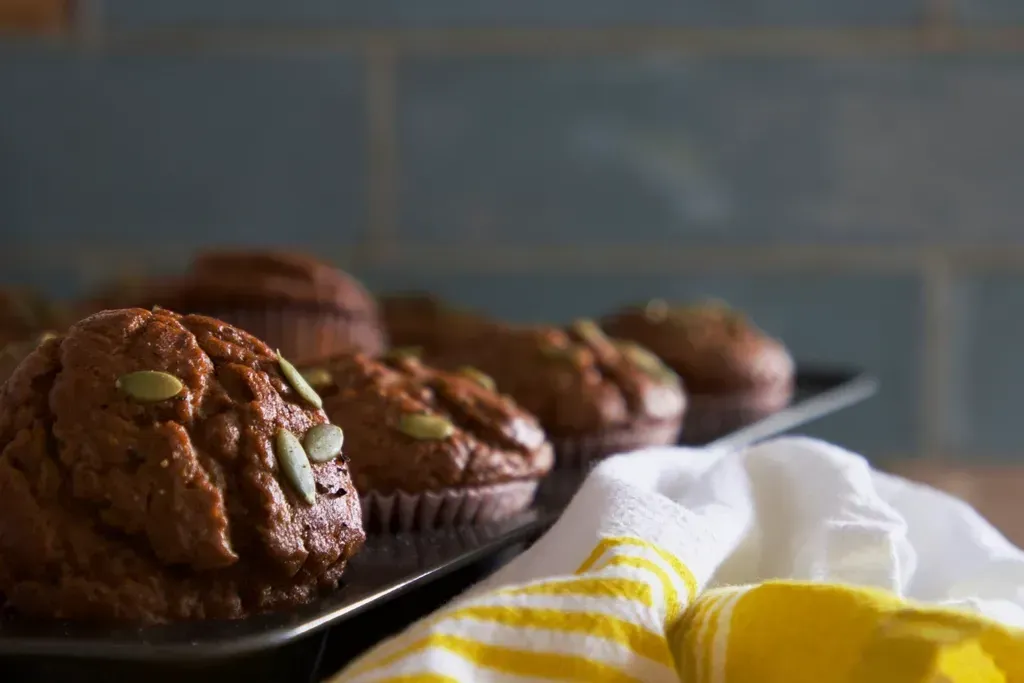
9. Keeping Food Out at Room Temperature for Hours (Image Credits: Rawpixel)
Many on social media mention boomers following questionable food safety storage practices after cooking. For example, boomers will offer day-old meat that’s been stored in the microwave or has just been sitting out overnight rather than in the refrigerator. In the boomer household, leftovers on the stove all day were just dinner waiting for you. Nobody called it dangerous – it was just lunch.
Some of the more risky practices include storing fresh produce or cooked food with raw meat, or using potentially contaminated utensils to stir food. The USDA suggests using clean hands and utensils for cooking and eating and keeping raw meat separate from other foods. Millennials who grew up watching food safety documentaries or reading about E. coli outbreaks are simply not built to leave a chicken casserole on the counter until dinner without hearing a quiet alarm going off in their heads.
10. Making Kids Finish Everything on Their Plate
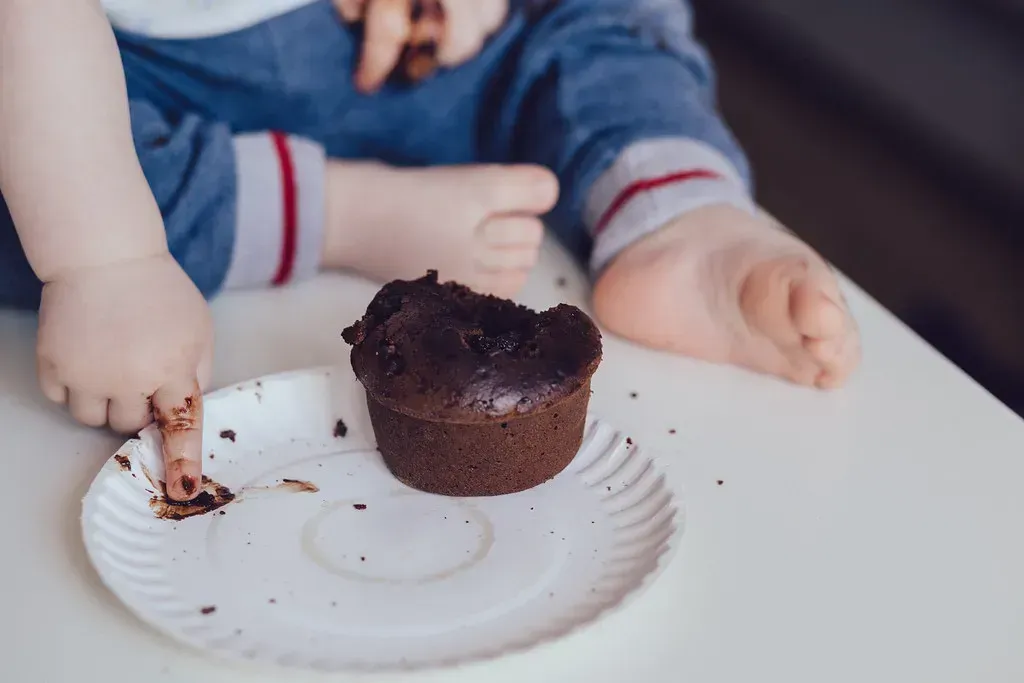
10. Making Kids Finish Everything on Their Plate (Image Credits: Flickr)
The “clean plate club” was a boomer-era institution. Wasting food was genuinely considered a moral failure, shaped in part by post-war scarcity and economic anxiety. Children were expected to eat every last bite, regardless of whether they were full, and saying otherwise risked a stern look or worse. The habit was borne out of times of scarcity, but there’s nothing wrong with saving leftovers to eat later rather than forcing kids to eat more.
There’s no reason to force children to finish everything on their plates if they’re full. Doing so only teaches them to ignore their own body’s signals and to please adults, according to the Mayo Clinic. Millennials are far more tuned in to concepts like intuitive eating and hunger cues, even for toddlers. The idea of overriding a child’s fullness signals to avoid food waste now reads not as thrift but as a blueprint for disordered eating.
11. Relying Entirely on a Single Family Doctor Without Question

11. Relying Entirely on a Single Family Doctor Without Question (Image Credits: Unsplash)
Boomer parents trusted the family doctor the way people trust gravity. You went in, the doctor spoke, you went home and did exactly what you were told. Seeking a second opinion or cross-referencing advice felt disloyal, even subversive. That relationship was authoritative by design, and most parents genuinely didn’t question it. Boomers favor an authoritative style over the millennials’ gentler and more questioning approach, which leads to a ton of conflict within families.
Many millennials are taking a different parenting path than their parents did, seeking advice from the internet, juggling work and family obligations, and navigating conversations around mental health. They arrive at pediatric appointments with printed articles, curated questions, and occasionally a second opinion already booked. Sometimes seeking too much parenting information online from untrustworthy platforms can cause a burden of choice as parents try to navigate the right decision for their children – but at least they’re asking.
12. Enforcing Strict Gender Roles for Chores and Behavior
12. Enforcing Strict Gender Roles for Chores and Behavior (Image Credits: Unsplash)
In the boomer home, the division was often clear-cut: girls helped in the kitchen, boys mowed the lawn. Emotional expression was equally segregated – boys were told to toughen up, girls were praised for being quiet and sweet. These weren’t seen as limitations but as preparation for adult life. Millennial and Gen Z moms and dads now encourage kids to explore interests freely, regardless of gender. Boys who cry aren’t shamed – they’re supported.
It’s generally thought boomers didn’t know much about – or ignored – mental health, while millennials are all about therapy, emotional intelligence, and so many feelings talks. Millennials who grew up feeling boxed in by rigid gender expectations are often fiercely committed to not repeating that pattern. Assigning kitchen duty by gender or telling a son to “man up” when he’s upset isn’t just outdated to them – it’s something they’re actively trying to undo in themselves.
13. Letting the Neighborhood Discipline Your Kids Too

13. Letting the Neighborhood Discipline Your Kids Too (Image Credits: Pexels)
Raising a child was seen as more of a community effort than it is today, which resulted in perfect strangers doling out discipline. “Scolding someone else’s child. I remember getting corrected by strangers.” And for some, those were the lessons that stuck the most. A neighbor, a shopkeeper, a relative’s friend – any adult in the vicinity had informal authority, and parents generally backed them up without a second thought.
Today, a stranger correcting someone’s child in public is practically a social incident. Millennials are deeply protective of their children’s emotional safety and tend to view unsolicited discipline from outsiders as a boundary violation rather than a village kindness. Both generations have differing views on parenting, with boomers favoring an authoritative style over the millennials’ gentler approach, which leads to a ton of conflict within families. That tension is perhaps nowhere more visible than in this moment – when grandma reaches over to correct a grandchild and the millennial parent freezes, caught between two entirely different worlds.
None of this is really about which generation got it right. Both boomers and millennials were doing their best with the information, culture, and resources they had. Millennials are rewriting the parenting playbook, ushering in a new era of open communication and emotional intelligence with their kids. Whether that’s progress, overcorrection, or simply a different kind of imperfect is something only the next generation will be able to judge – probably from their own therapy sessions, or their own parenting forums, or wherever they process things in 2045.