
Every generation unsettles the one that came before it. The Baby Boomers alarmed their parents, Millennials alarmed the Boomers, and now Gen Z is doing the same in a remarkably public, data-rich way. What’s different this time is the speed and scale of the shift. The behaviors that define this cohort aren’t just quirks – they reflect entirely new relationships with technology, information, identity, and mental health that older generations simply didn’t grow up navigating.
Some of what Gen Z does reads as baffling, even threatening, to older observers. Much of it, on closer inspection, is a rational response to the world they actually inherited. Still, the gaps in habit, expectation, and values between Gen Z and their elders are real, measurable, and growing. These are five of the most striking ones.
Spending Close to Nine Hours a Day on Screens – and Calling It Normal

Spending Close to Nine Hours a Day on Screens – and Calling It Normal (Image Credits: Pixabay)
The average Gen Z individual spends around nine hours per day on screens – a figure that tends to stop older readers cold. That's not nine hours of productive work. It's a mix of mobile use, laptops, and entertainment platforms, with roughly four and a half to five of those hours spent on phones alone. For someone who grew up with an hour of after-school television, these numbers feel almost impossible.
Gen Z logs the highest usage of any generation, averaging four hours of daily social media time specifically – and that figure has climbed sharply in recent years. Gen Z spends over two extra hours per day on screens compared to the global average, making them the most screen-exposed generation. What strikes many older observers isn't just the amount of time – it's the apparent comfort with it. Around three quarters of Gen Z themselves report that they spend too much time on their smartphones, and yet the numbers keep rising. It's a peculiar kind of self-awareness that doesn't necessarily translate into behavior change.
Replacing Google With AI and Social Media Search

Replacing Google With AI and Social Media Search (Image Credits: Unsplash)
For decades, "just Google it" was the universal answer to any question. Gen Z is quietly but decisively moving on. A Q2 2025 survey conducted by Sprout Social revealed that around two in five Gen Z members now turn to social media first for information, officially outpacing the share who default to traditional search engines. Many use TikTok as a search tool or even a recipe finder instead of Google.
The AI shift runs even deeper. Three out of four young adults in the United States used an AI chatbot at least once in the last month – a considerable jump from the roughly three in five who reported ever using ChatGPT in a February 2025 Pew survey. Perhaps most striking: two out of three young adults reported using an AI chatbot as a replacement for Google searches in the last month. By contrast, only about one in five Boomers had ever used a generative AI tool in 2025, which gives a sense of just how wide the generational divide has become on something as basic as looking things up.
Talking About Therapy the Way Previous Generations Talked About the Gym
Talking About Therapy the Way Previous Generations Talked About the Gym (Image Credits: Unsplash)
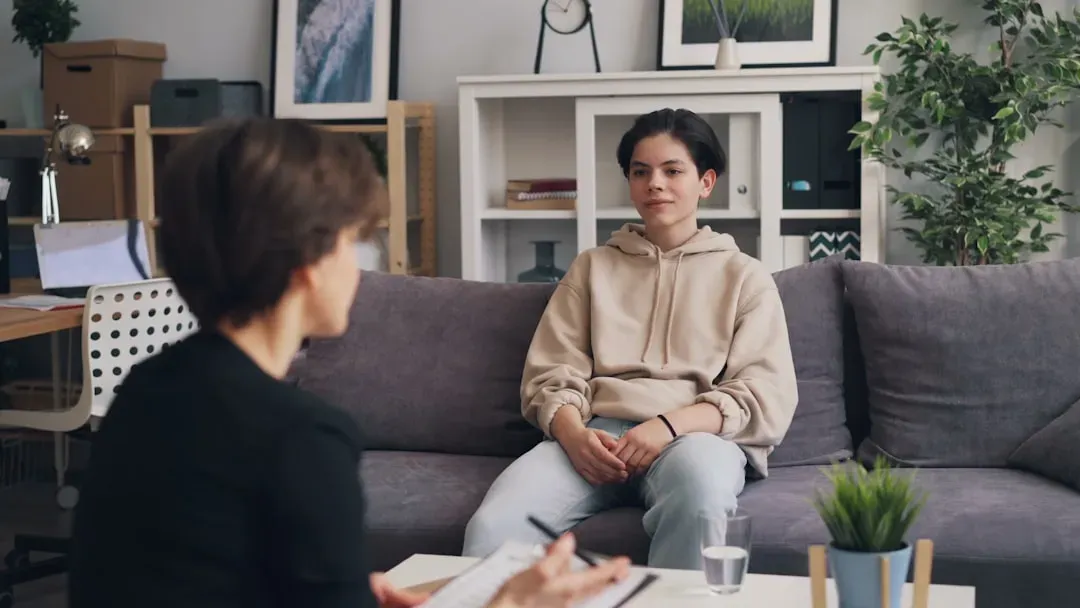
For older generations, therapy was either a private matter or a source of stigma. Gen Z has almost entirely flipped that script. Over two in five Gen Z members report currently going to therapy – a 22 percent increase since 2022. Among those in therapy, around four in five openly tell others that they are going to a therapist – a level of transparency that would have been nearly unthinkable for Boomers or Gen X.
When asked who is best at discussing mental health, 87 percent of Gen Zers chose themselves, while the majority of Millennials agreed – 59 percent of Millennials felt Gen Z was the best at discussing mental health. There's a generational pride in this openness. Digital mental health tools see the highest engagement from Gen Z, with 22 percent of the generation using these programs compared to just 15 percent of Gen X and Baby Boomers. What older generations read as oversharing or fragility, Gen Z tends to frame as simple practicality – taking care of the mind the same way you'd take care of the body.
Trusting Strangers on TikTok More Than Traditional Institutions
Trusting Strangers on TikTok More Than Traditional Institutions (Image Credits: Pexels)
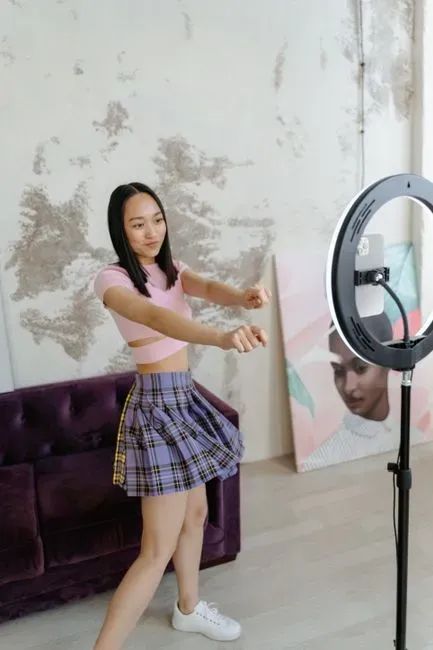
One of the stranger cultural realities of the past few years is that a 19-year-old with a ring light can carry more influence over Gen Z purchasing, voting, or health decisions than a doctor, a bank, or a news anchor. Around 97 percent of Gen Z uses social media as their main source of shopping inspiration, and the pull of peer-driven, creator-led content runs deeper than pure commerce. Gen Z has the lowest institutional trust of any generation, according to Deloitte – a fact that alarms educators, health authorities, and financial institutions in equal measure.
Over half of Gen Z trust recommendations made by influencers more than brand advertisements. That's not irrational on its face – traditional advertising is openly persuasive, while a creator's review can feel more honest. Gen Z trusts the real-life experiences of other consumers more than brand marketing, and around four in five say they trust online reviews as much as personal recommendations. The concern older generations have is less about the trust itself and more about the verification – there's rarely a governing body checking whether the advice holds up.
Normalizing a Non-Linear Life Path – No Marriage, No Mortgage, No Rush
Normalizing a Non-Linear Life Path – No Marriage, No Mortgage, No Rush (Image Credits: Pexels)
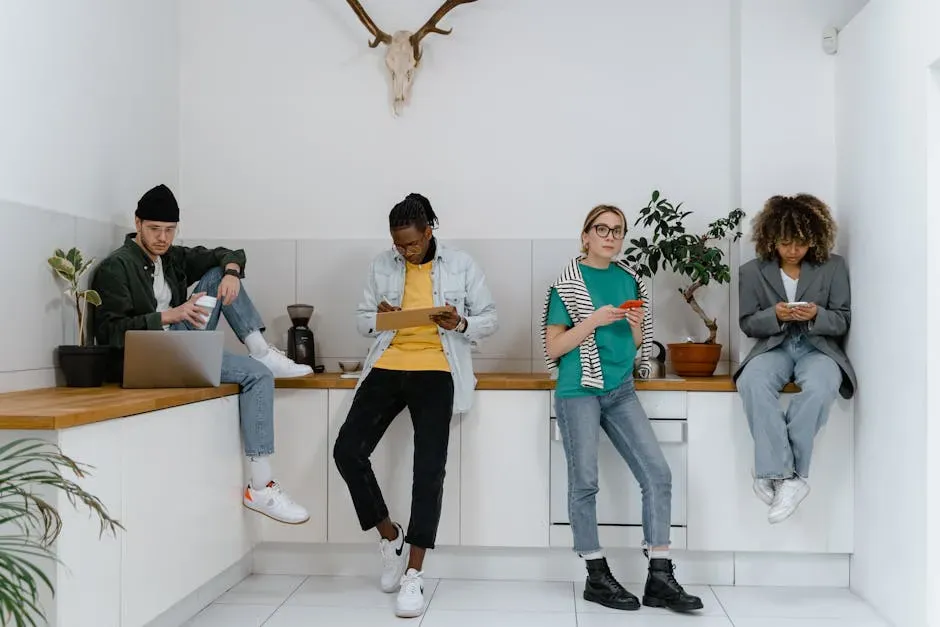
Previous generations largely followed a familiar sequence: education, steady job, marriage, home ownership, children. Gen Z is dismantling that conveyor belt piece by piece – not always by choice, but increasingly by preference as well. The 2026 Ipsos Generations Report finds that while six in ten Gen Z still expect one day to own their own home and more than half expect to get married, longstanding demographic changes and developing economic stresses are disrupting the traditional life cycle. The aspirations are there, but the timeline has stretched dramatically.
Many Gen Zers say they feel that older Americans fail to understand their struggles – particularly how much harder life is economically for Gen Zers than it was for their parents and grandparents at the same age. The delay isn't purely financial, though. Around two in three Gen Z workers prefer hybrid work as their ideal situation, and many describe traditional career ladders as an outdated model for their circumstances. Shaped by a global pandemic, economic instability, and relentless digital comparison, Gen Z is confronting unprecedented challenges – while also actively seeking solutions, turning to therapy, prioritizing well-being, and redefining what career success even means.
What looks to older generations like drift or avoidance often reflects something more deliberate: a generation rewriting the terms of adulthood in real time, using the tools and information available to them, and refusing to pretend the old playbook still applies. Whether that unsettles or inspires may depend less on age than on how closely you're paying attention.