
Walk through any open house this year and you’ll notice something odd. The features sellers spent years bragging about, the ones that used to justify a higher asking price, are now the reasons buyers walk right past a listing. Real estate data from Zillow, Realtor.com, and independent cost-value studies all point to the same pattern: taste has shifted faster than a lot of homeowners realized.
What follows isn’t guesswork or a stylist’s opinion. It’s based on listing analytics, resale value research, and buyer behavior tracked through 2025 and into 2026. Some of these features were considered upgrades not too long ago. Now they’re quietly costing sellers money and time on market.
1. Formal dining rooms with built-ins
1. Formal dining rooms with built-ins (Image Credits: Unsplash)
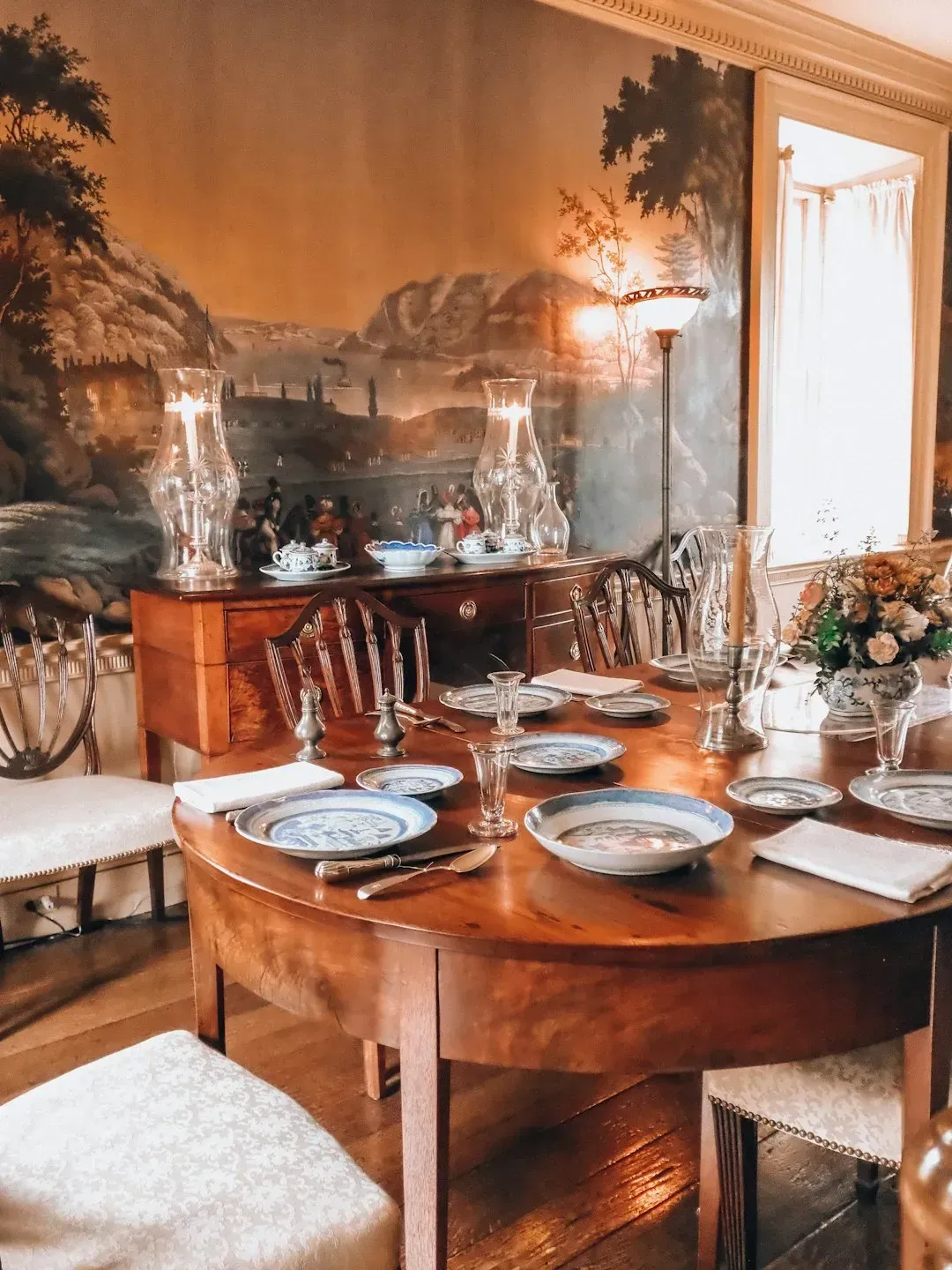
The dedicated dining room, once a fixture of nearly every suburban floor plan, is losing its appeal fast. The dedicated dining room is rapidly becoming a casualty of the work-from-home revolution and a preference for casual entertaining, with buyers looking at a room used only for special occasions and seeing wasted potential that could be a home office or a playroom instead. The modern buyer wants flexibility, not a room that sits empty eleven months out of the year.
The numbers back up the shift. A trend report released by Realtor.com in late 2025 revealed that listings featuring formal dining rooms with built-ins saw a notable drop in buyer engagement compared to homes without them. Sellers holding onto that formal setup might want to think about converting the space before listing rather than after.
2. Wall-to-wall carpet
2. Wall-to-wall carpet (Image Credits: Pexels)
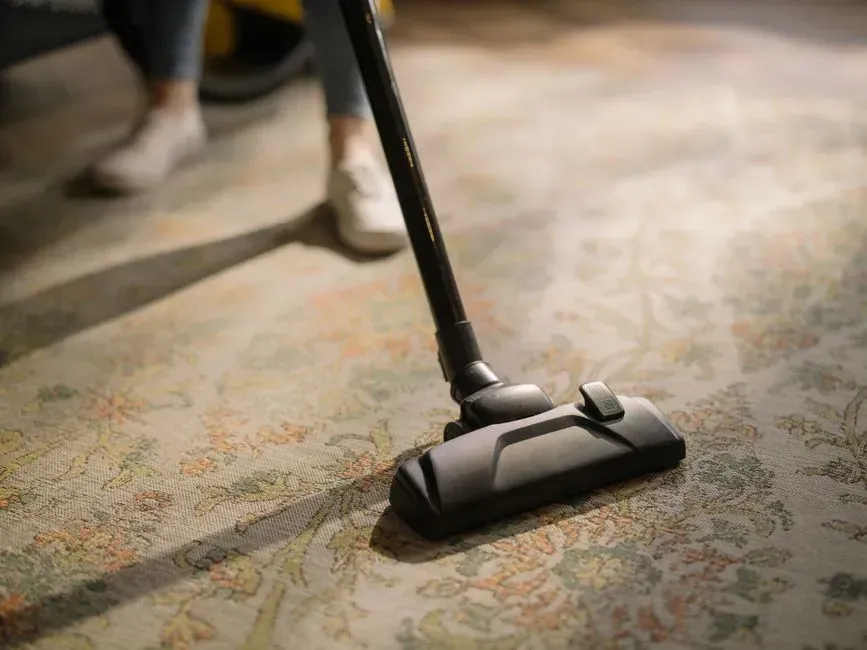
Carpet used to signal comfort. Now it signals cleanup. The comfort of soft carpet underfoot is no longer enough to outweigh the hygiene and maintenance concerns it raises, with buyers viewing homes in 2026 often seeing wall-to-wall carpet as a liability that must be ripped out due to allergens and pet odors, while hard surface flooring with area rugs offers the cleanliness and versatility modern buyers want.
The financial case is just as clear as the emotional one. According to the 2026 Cost & Value Guide by HomeGuide, carpet generally adds zero value to a home’s resale price and is often seen as a deduction, whereas hardwood floors typically yield a 70 to 80 percent return on investment. A seller clinging to old carpeting isn’t preserving value, they’re handing buyers a built-in negotiating point.
3. Dark wood cabinets and finishes
3. Dark wood cabinets and finishes (Image Credits: Pexels)
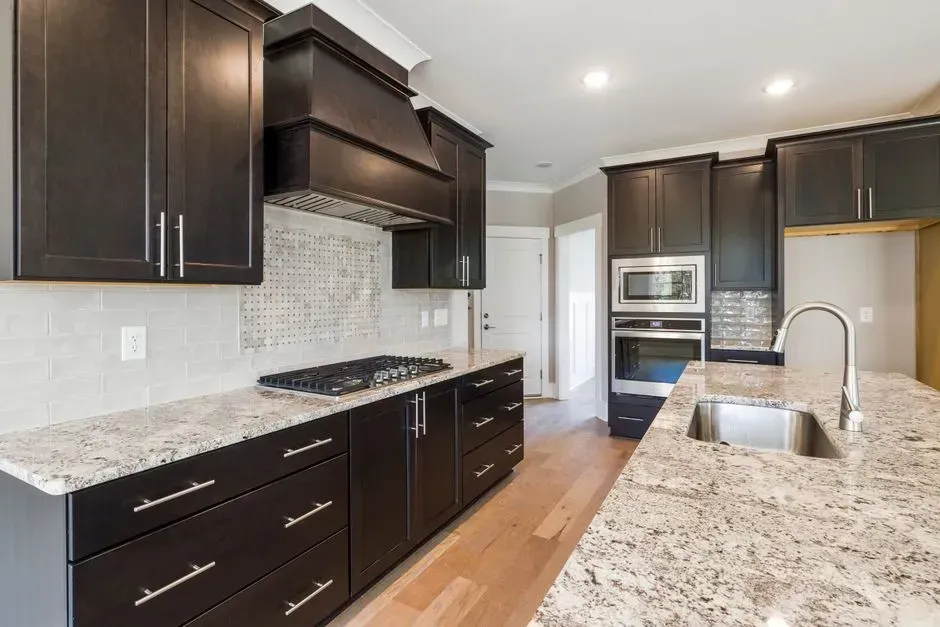
Heavy, dark wood cabinetry once read as luxurious and traditional. These days it just reads as dim. Dark or heavy wood finishes, once a staple in many homes, are becoming less desirable, tending to make kitchens and other spaces feel smaller, more cramped, and less inviting, since dark cabinetry absorbs light and can make an area feel dull and less welcoming.
This isn’t just an aesthetic complaint from picky buyers. As home buyers increasingly prefer bright, open spaces, dark wood finishes may lead to a 3 to 5 percent reduction in property value. Flooring hasn’t escaped the same judgment either, with lighter, neutral tones now favored over the moody stains that dominated kitchen and living room design for the past decade.
4. Outdated or damaged wallpaper
4. Outdated or damaged wallpaper (Image Credits: Pexels)
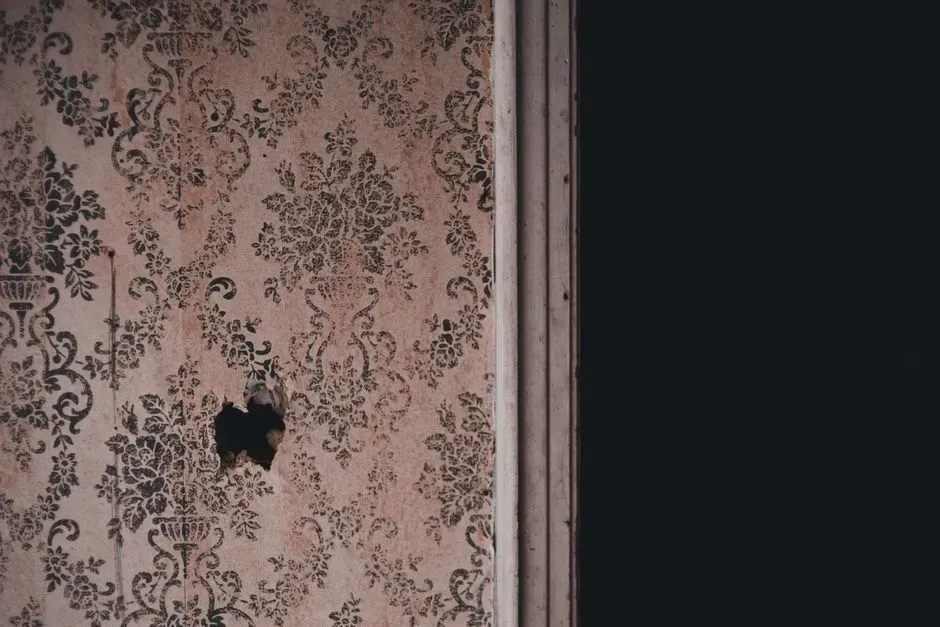
Wallpaper has always been divisive, but in 2026 it’s becoming an active liability rather than a matter of taste. According to a 2025 market analysis from Vancouver Home Hub, homes with outdated or damaged wallpaper can deter buyers, while removing it and applying fresh paint significantly improves buyer perception and offers a strong return on investment. The pattern that felt charming a decade ago now signals deferred maintenance to someone scrolling through listing photos.
Smart sellers aren’t waiting for buyers to bring it up during negotiations. Many are stripping outdated paper and repainting before the listing even goes live, treating it as a cost of doing business rather than an optional upgrade. It’s a relatively cheap fix compared to what it can cost in lost offers.
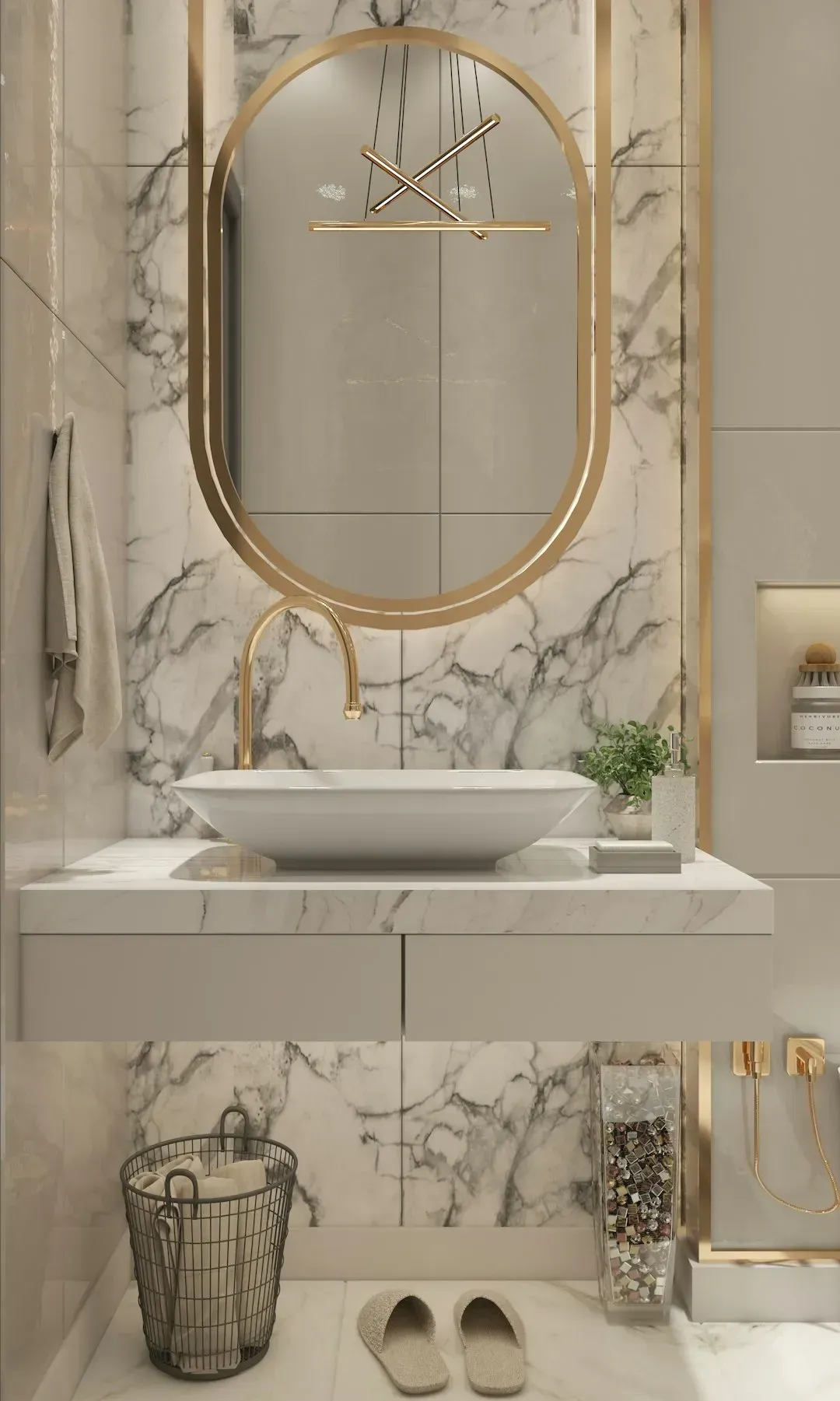
5. Marble bathroom sinks and countertops
5. Marble bathroom sinks and countertops (Image Credits: Unsplash)
Marble has long been shorthand for high-end design, but its practical downsides are finally catching up with its reputation. Buyers are abandoning features that, while visually appealing, may be more trouble than they’re worth, with mentions of marble sinks, known for being incredibly hard to clean and maintain, falling 15 percent in listings.
The porous stone stains easily, etches from acidic products, and demands regular sealing that most homeowners don’t keep up with. Buyers touring homes with worn or stained marble surfaces increasingly see a maintenance headache rather than a luxury feature, especially in primary bathrooms where daily use accelerates the wear.
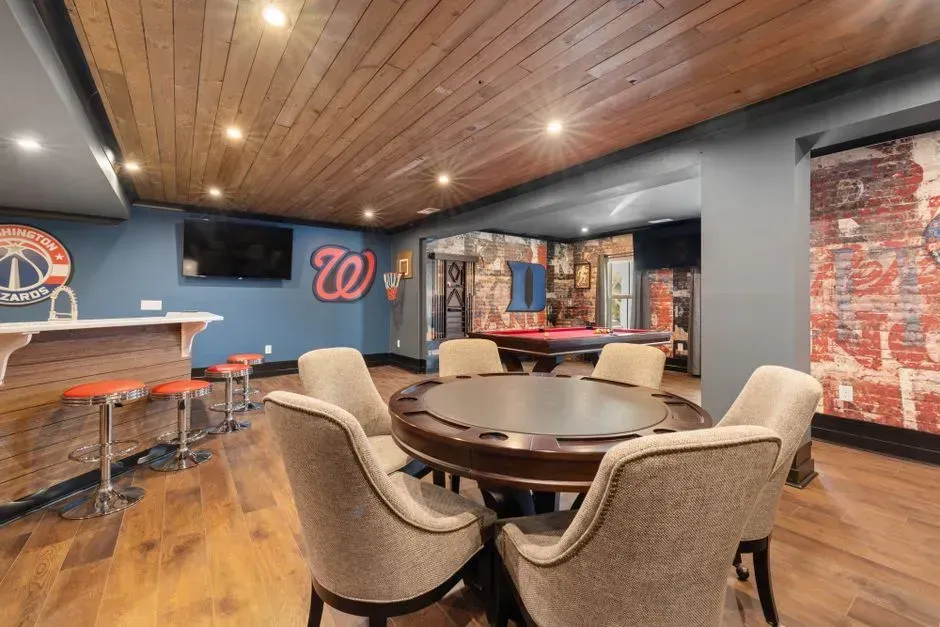
6. Generic man caves
6. Generic man caves (Image Credits: Pexels)
The all-purpose man cave, once a near-universal selling point for finished basements, is losing its broad appeal. While mentions of generic man caves are down 10 percent on Zillow, sporting features like golf simulators, pickleball courts and batting cages are steadily on the rise, highlighting buyers’ desire to personalize their spaces to their own particular interests and needs.
The takeaway isn’t that buyers want less recreational space. It’s that vague, one-size-fits-all rooms with a pool table and a flat screen no longer impress the way they once did. Specificity sells better than a generic hangout room ever did.
7. At-home juice stations

7. At-home juice stations (Image Credits: Unsplash)
A few years ago, a built-in juice bar felt like the height of wellness-driven design. That novelty has faded quickly. While the keyphrase wellness features jumped 33 percent on Zillow and spa-inspired bathrooms rose 22 percent, certain wellness-inspired features are declining in popularity, like at-home juice stations, where mentions of the keyword dropped 19 percent.
The lesson here is fairly simple. Buyers still want wellness-oriented spaces, but they want ones with lasting utility, like spa bathrooms or soaking tubs, rather than single-purpose kitchen add-ons that assume a very specific lifestyle. A juice station only appeals to someone who was already juicing.
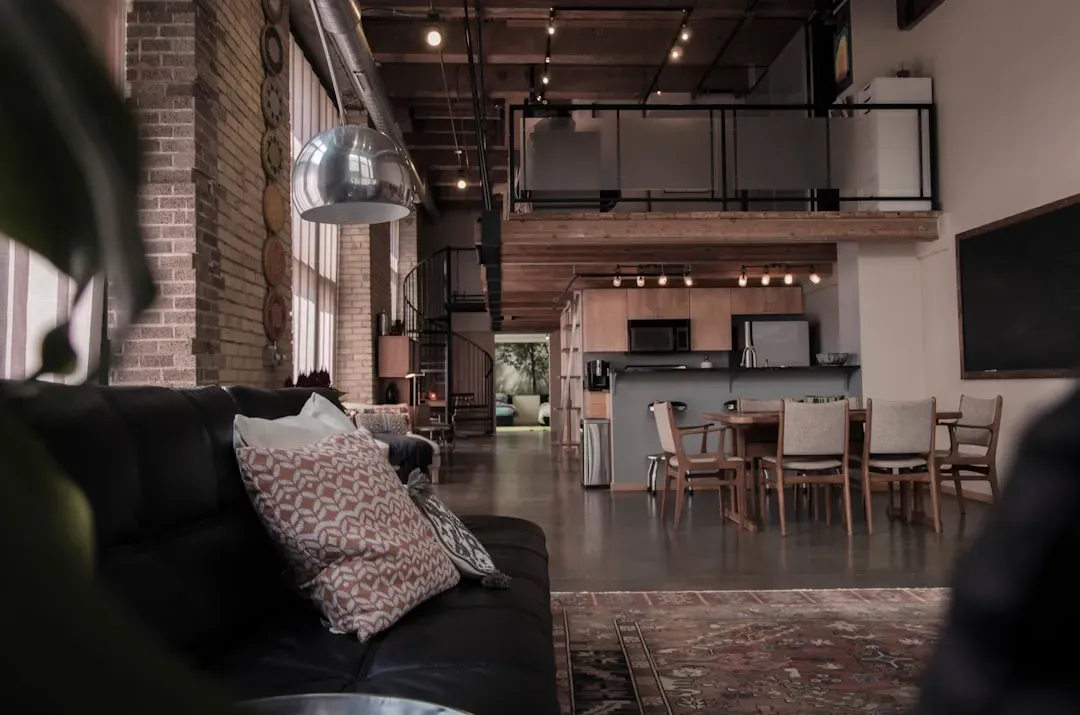
8. Industrial-style interiors
8. Industrial-style interiors (Image Credits: Unsplash)
Exposed brick, raw concrete, and metal beams defined an entire era of urban loft design. That aesthetic is cooling off in 2026. Industrial-style homes, once a major trend, are now falling out of favor with many buyers, as exposed metal beams, raw concrete floors, and unfinished interiors can feel cold and uninviting, with buyers now looking for warmth and comfort instead of features that can make a home feel more like a warehouse.
This shift lines up with broader buyer psychology this year. People touring homes after long workdays and long commutes want spaces that feel soft and lived-in, not spaces that photograph well for a design blog but feel sterile in person. Warmth is winning over edge.
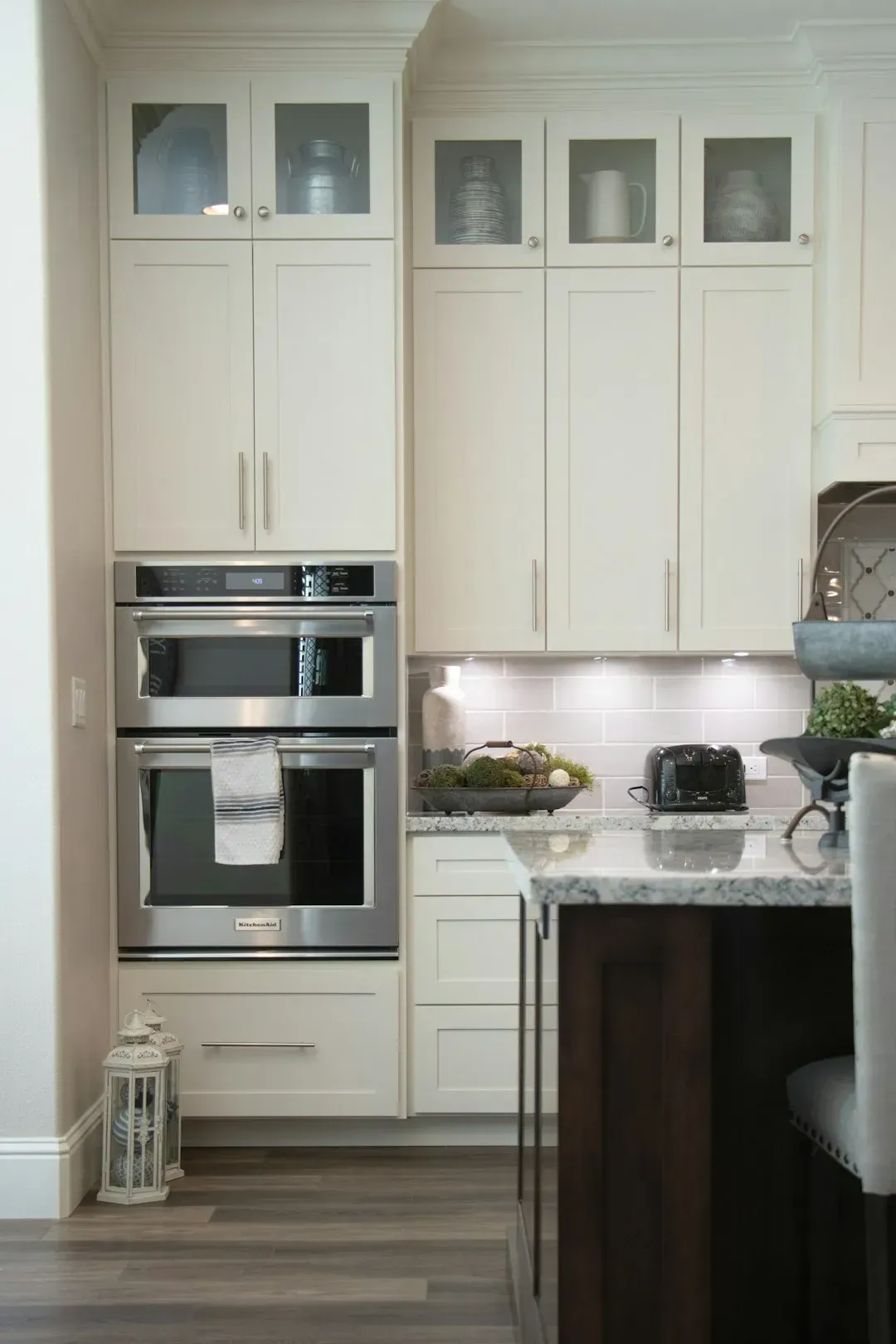
9. Double ovens and oversized redundant appliances
9. Double ovens and oversized redundant appliances (Image Credits: Unsplash)
Double ovens were once a hallmark of a serious home cook’s kitchen. Now they’re often viewed as wasted square footage. Kitchen real estate is precious, and buyers in 2026 are prioritizing pantry space and coffee bars over redundant cooking capacity, with the energy cost of heating a massive appliance for a small meal weighing on eco-conscious shoppers, making it harder to justify the footprint of a double oven when smarter, compact options can do the same job.
This reflects a broader pattern across the kitchen. Buyers increasingly value storage, counter space, and multi-use zones like coffee stations over bulky, single-purpose appliances that only get used a few times a year. A well-organized pantry now often beats a second oven in a buyer’s mental checklist.
Taken together, these nine shifts point to a buyer pool that’s grown more practical and less swayed by the showy features that dominated listings a decade ago. Warmth, flexibility, and low maintenance are outperforming grandeur and specialty rooms across nearly every price point tracked in current listing data. For sellers weighing which updates are worth the money in 2026, the safest bet is usually the one that removes a future buyer’s objection rather than the one that adds a flashy talking point.