
There’s a gap between what most people think of as Southern cooking and what Southern cooking actually was. The biscuits, the fried chicken, the mac and cheese – those are real, and they’re wonderful. But they’ve become so dominant that an entire layer of the South’s culinary past has quietly slipped beneath them.
The South has always been known for its incredible culinary traditions, but beneath familiar favorites lies a fascinating world of forgotten dishes. These lesser-known specialties were once beloved staples at potlucks, Sunday dinners, and seasonal celebrations, only to fade into obscurity over time due to changing tastes, the rise of convenience food, or shifts in dietary preferences. Food historians have been paying closer attention lately, and several of them argue that what’s been lost is worth recovering – not as novelty, but as living, edible history.
Spoonbread: The Soufflé That Southern Tables Forgot
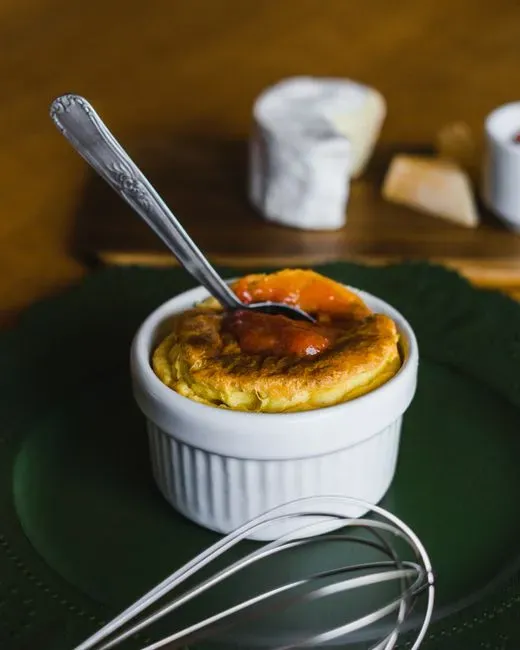
Spoonbread: The Soufflé That Southern Tables Forgot (Image Credits: Pexels)
Spoonbread is a moist cornmeal-based dish prevalent in parts of the Southern United States. While the basic recipe involves the same core ingredients as cornbread – cornmeal, milk, butter, and eggs – the mode of preparation creates a final product with a soft, rather than crumbly, texture. Its name refers to the fact that its consistency is soft enough that it must be served and eaten with a spoon. Although named a "bread," spoonbread is closer in consistency and taste to many savory puddings, such as Yorkshire pudding.
Spoonbread was originally called "Batter Bread," and a recipe for it appears in Mary Randolph's 1824 cookbook, "The Virginia Housewife," which is considered to be the first Southern cookbook by many culinary historians. It's reasonable to conclude that Randolph used recipes from James Hemings, who was enslaved by Thomas Jefferson and was the chef de cuisine at Monticello. Hundreds of years of history and the melding of different groups of people can be tasted in one spoonful – the interesting combination of corn from Indigenous people, the European technique of soufflés, and the expertise of enslaved African Americans who elevated this dish to a refined staple on Southern tables. When industrial cornbread mixes became popular, people started preferring firmer loaves, and spoonbread slowly faded from everyday tables.
Calas: New Orleans' Near-Forgotten Rice Fritters
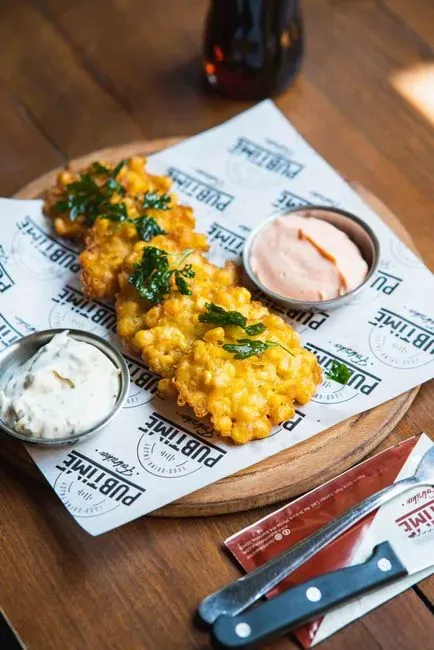
Calas: New Orleans' Near-Forgotten Rice Fritters (Image Credits: Pexels)
Though New Orleans claims the dish proudly today, calas are traditional rice fritters that trace their roots back to West Africa, where the use of leftover rice is part of traditional foodways of countries including Ghana, Sierra Leone, and Liberia. They became a part of the city's street-food landscape back at least as far as 1841. The late Leah Chase, the city's doyenne of Black Creole cooking, recalled that making the fritter was a Sunday occurrence in the household of her youth. Indeed, the fritter became firmly connected to Roman Catholicism; by the mid-nineteenth century it was a staple after-Mass treat.
Calas, like pralines and other street-sold goods, were often sold by the enslaved at the behest of mistresses and masters. In this manner, the cala became a source of funds that allowed the more fortunate of the enslaved to purchase freedom for themselves and their families. As time wore on, calas began to fade from the city's bustling food scene and virtually disappeared as a street food. By 1940, only one calas street merchant remained. Beignets – of French origin – had become the city's signature fritter, popularized through tourism and commercial appeal. Today, a few local cafés are bringing calas back, celebrating them as a heritage breakfast and a link to African and Creole traditions.
Country Captain: A Curried Chicken Dish With a Transatlantic Story
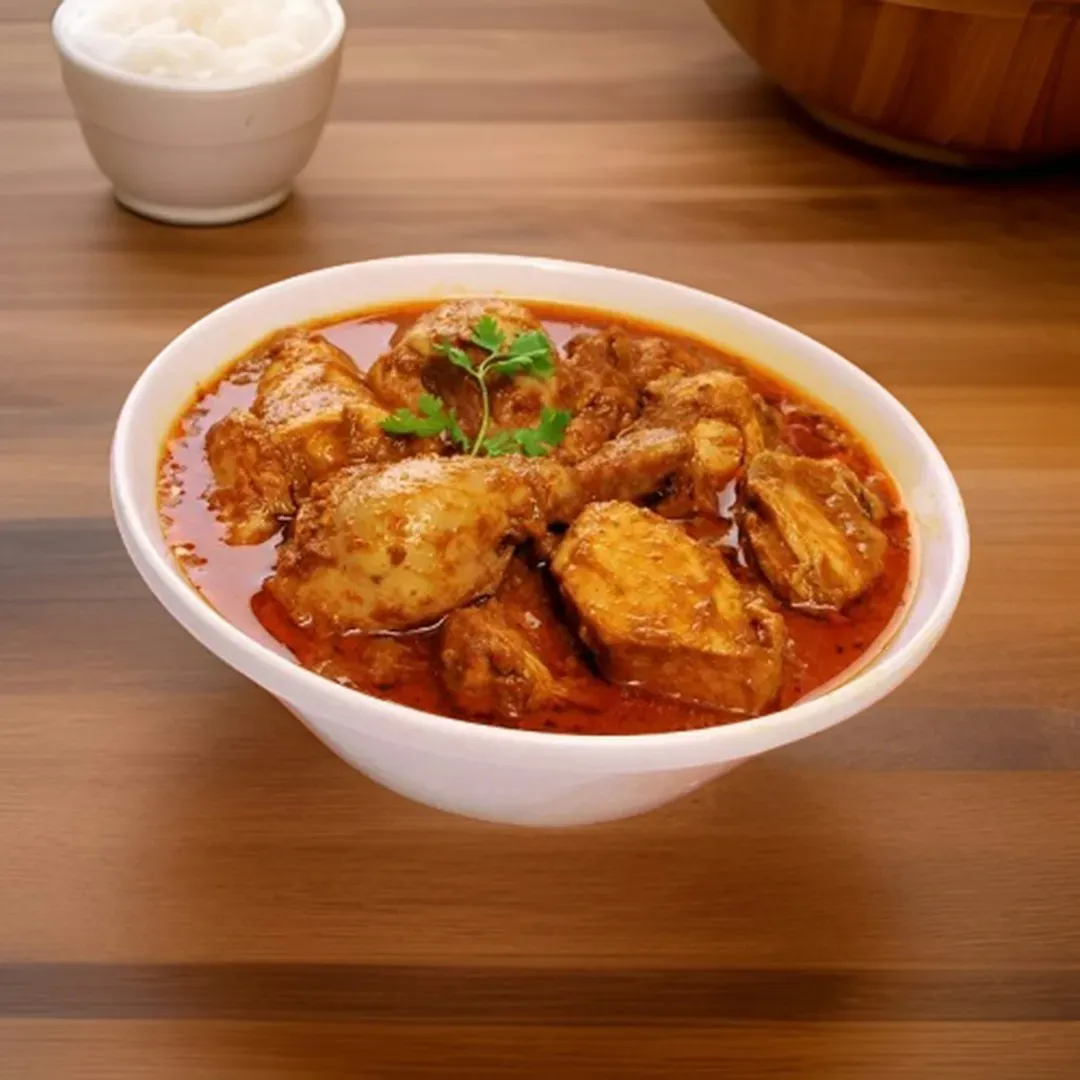
Country Captain: A Curried Chicken Dish With a Transatlantic Story (Image Credits: Unsplash)
Country Captain is a curried chicken dish, often served with rice, popular in the Southern United States. It was introduced to the United States through Charleston, Savannah, New York City, and Philadelphia, but has origins in Anglo-Indian cuisine from the time of the British Raj in India. The earliest documented American recipe for Country Captain appeared in 1857, published in Eliza Leslie's "Miss Leslie's New Cookery Book," where it was described as an East India dish – a curried preparation of stewed chicken served with rice. Leslie's version emphasized its origins in Indian cuisine while adapting it for American kitchens.
Country Captain is a regional dish of curry chicken and rice that dates back to at least the 1920s. It became well known after a Columbus, Georgia cook served the dish to then-President Franklin D. Roosevelt. The dish was included in the U.S. military's Meal, Ready-to-Eat packs from 2000 to 2004, in honor of its being a favorite of George S. Patton. Culturally, Country Captain symbolizes fusion cuisine, blending Anglo-Indian influences with Southern traditions, and continues to appear in celebratory contexts. It has been showcased at events like the Charleston Wine + Food Festival, where chefs reinterpret it alongside other regional specialties to illustrate evolving Southern gastronomy.
Potlikker: The Broth That Should Never Have Been Thrown Away
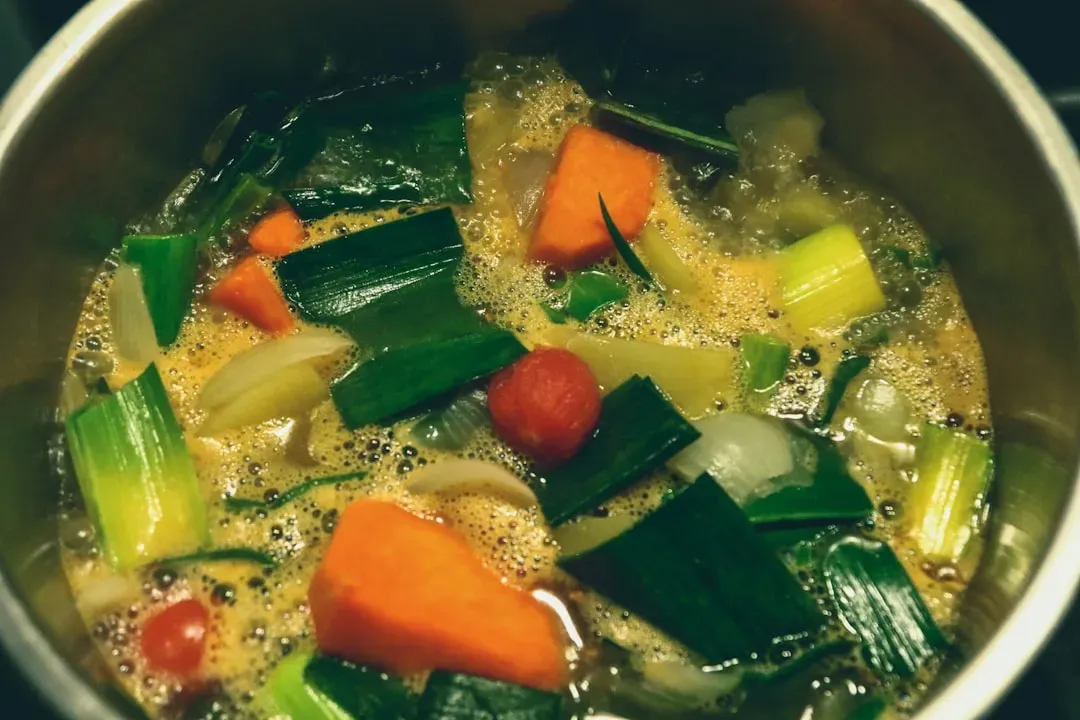
Potlikker: The Broth That Should Never Have Been Thrown Away (Image Credits: Unsplash)
Collard greens simmered with ham hock or bacon have long been a Southern staple. The rich broth, known as "potlikker," was once treasured for dipping or sipping with cornbread. Far from being a byproduct, potlikker was its own reward – the concentrated liquid left behind after slow-cooking greens, deeply flavored with pot liquor from the pork and the bitter earthiness of the vegetables themselves. For generations of Southerners with limited resources, it was as important as the greens themselves.
A single cup of collards provides over 100% of the daily vitamin K requirement, along with plenty of vitamin A and fiber. As faster cooking methods took over, many began tossing out the potlikker – losing a key part of the South's zero-waste cooking tradition. Today, food historians are calling for its return, recognizing both its flavor and nutritional value. The fact that potlikker is essentially a deeply nutritious, zero-waste ingredient makes its disappearance stranger in retrospect, especially now that broth-based and slow-cooked dishes have come back into cultural favor across the country.
Chicken Mull: Georgia's Creamy Communal Stew
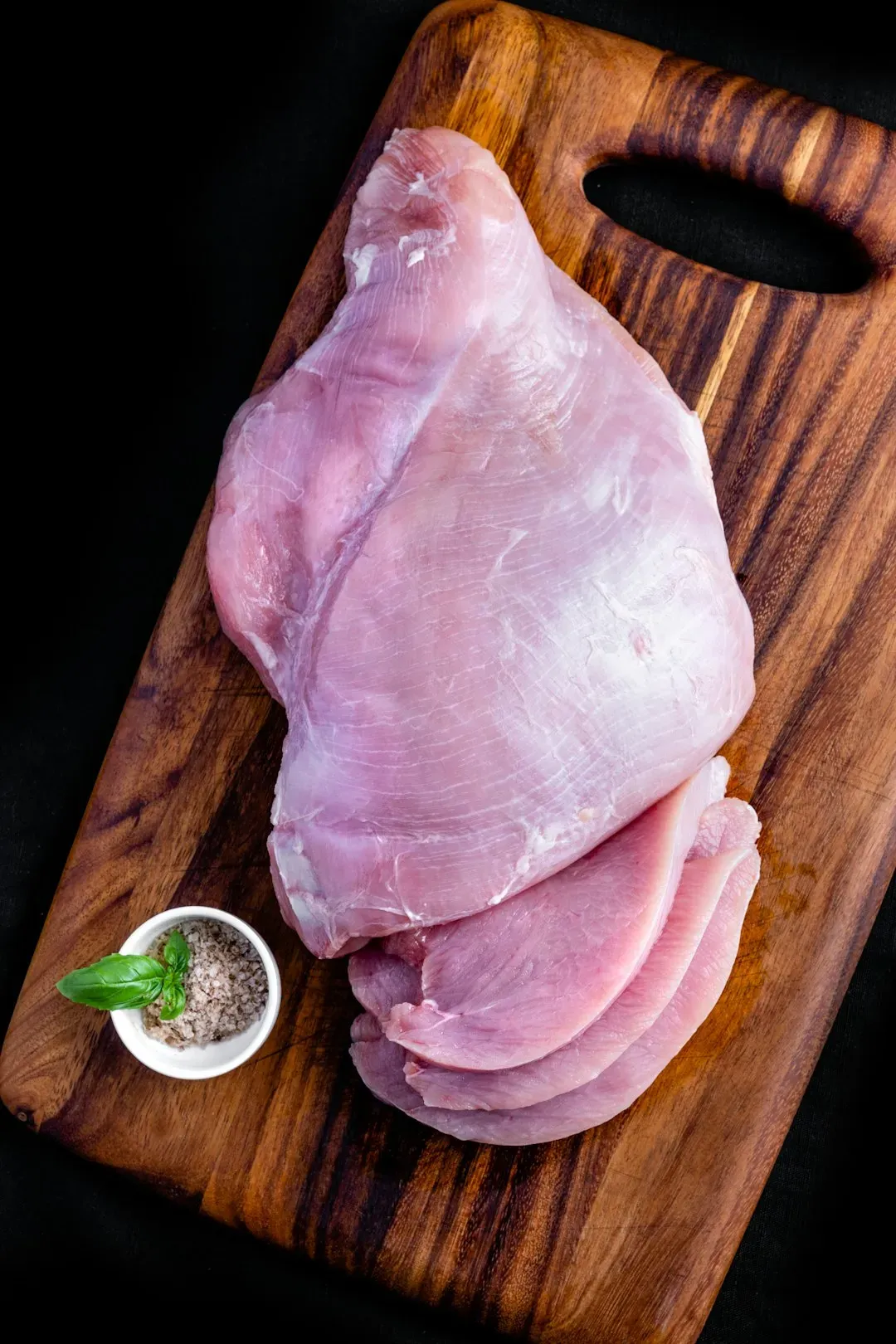
Chicken Mull: Georgia's Creamy Communal Stew (Image Credits: Unsplash)
Chicken mull may not be as well-known as Brunswick stew or gumbo, but a buttery bowlful definitely holds its own when it comes to flavor. It's made with shredded chicken simmered in a rich, creamy broth thickened with crushed saltines and is often considered a traditional barbecue stew prepared in huge communal pots. The dish is closely tied to the inland regions of Georgia, where it was historically prepared in large quantities for church gatherings and community cookouts rather than at the family table.
Today, chicken mull is still served at some Southern eateries, particularly in Georgia, where it's commonly accompanied by saltine crackers. This dish represents the evolution of Southern cooking as traditions moved from coastal to inland regions, adapting local ingredients while maintaining the communal spirit of shared meals. The yellow-hued appearance and rich, comforting flavor make it a perfect candidate for revival at modern gatherings. Its communal origins are, in some ways, its strongest argument for return. In an era when food culture is increasingly focused on shared tables and local identity, a dish that was literally built for community feeding seems hard to argue against.
Tomato Pie: The Summer Dish That Deserves a Year-Round Reputation
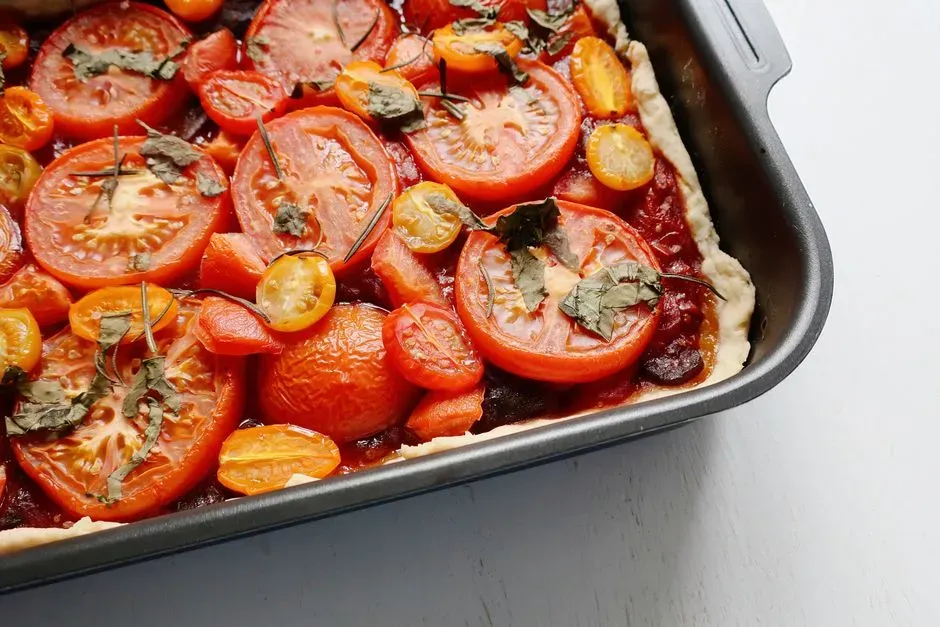
Tomato Pie: The Summer Dish That Deserves a Year-Round Reputation (Image Credits: Pexels)
Tomato Pie, layers of fresh tomatoes, cheese, and mayonnaise baked in a pastry crust, rose to regional popularity during the early 20th-century tomato boom in South Carolina. The dish appeared most frequently in summer months, when tomatoes were in season, and delivered both garden-freshness and creamy comfort to Southern tables. It's the kind of recipe that sounds simple on paper but lands completely differently once made properly – the tomatoes collapse into the crust, the cheese browns at the edges, and the whole thing tastes exactly like a Southern summer afternoon.
The pie faded from menus as canned tomato sauces became standard fare. Historians highlight Tomato Pie's symbolic link to the Southern garden, embodying local abundance and tradition. Today, food historians and culinary experts are calling for a revival of these lost treasures. There's a renewed interest in preserving and celebrating Southern culinary traditions, with farm-to-table restaurants showcasing locally sourced ingredients and chefs reviving forgotten recipes. Tomato Pie fits neatly into that movement – seasonal, unpretentious, and rooted in a very specific place and time.
What connects all six of these dishes is something beyond nostalgia. These dishes tell stories of resourcefulness, cultural exchange, and the rich heritage that makes Southern cooking so special. Recovering them isn't about recreating the past unchanged. It's about understanding what the past was actually made of – and deciding that some of it is too good to leave behind.