
There was a time when the kitchen ran on a set of unspoken rules. You followed a recipe to the letter, prepped everything before touching the stove, and dinner was on the table at six. Generational habits and practical wisdom got handed down through those rules, and for decades they shaped the way most households cooked.
Home cooking has evolved noticeably over the years, shaped by changing routines, wider access to ingredients, and new ways of organising daily life. What once centred on set mealtimes and longer preparation has gradually adapted to busier schedules and more flexible habits. Some of those changes are obvious. Others have crept in so quietly that most people only notice them when someone mentions the old way of doing things.
1. Always Follow the Recipe Exactly
1. Always Follow the Recipe Exactly (Image Credits: Pexels)
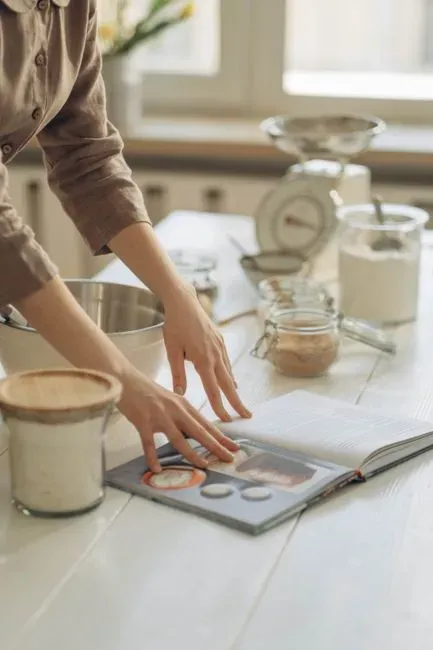
For most of the twentieth century, following a recipe to the letter was considered non-negotiable, especially in households where cooking knowledge was passed down through structured instruction rather than intuition. The precise list of ingredients and step-by-step method wasn't just helpful – it was the rule. As home economics educators agreed with Fanny Farmer's scientific approach to cooking, American recipes began to change at the beginning of the twentieth century. Instead of a vague description of ingredients, recipes began with a complete list of ingredients with the precise amounts needed. The procedure was then laid out step by step.
Today, that rigidity has mostly dissolved. Home cooks increasingly treat recipes as loose frameworks, swapping out ingredients, adjusting quantities by feel, and skipping steps that seem unnecessary. Video tutorials and social media cooking content actively encourage improvisation. The result is a more confident home cook – and far fewer people who feel guilty for leaving out the bay leaf.
2. The Work Triangle Layout
2. The Work Triangle Layout (Image Credits: Pexels)
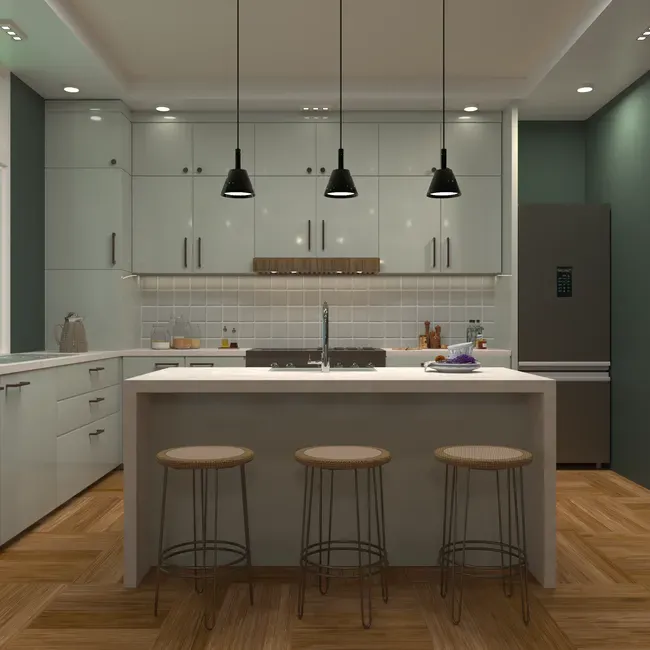
The kitchen work triangle – the design principle that positioned the sink, stove, and refrigerator at three points of a triangle for maximum efficiency – was practically sacred in kitchen planning for most of the last century. It made complete sense when one person cooked alone. With its roots in the early 20th century, the work triangle held sway as the default kitchen layout for the longest time. However, this theory was designed for houses with one primary cook. As more people join in the prep and clean-up, the work triangle doesn't make sense for all kitchens.
As social habits evolve, modern kitchens need to double up as an entertaining zone as well. "So in today's kitchens, a rigid triangle often fights how people actually live and gather." Instead, the zoning method is emerging as a more viable alternative. Zoning divides the kitchen into dedicated areas for prep, cooking, cleaning, and storage, making shared cooking and casual entertaining far easier to manage.
3. Strict Weekly Meal Planning
3. Strict Weekly Meal Planning (Image Credits: Pexels)
Planned weekly menus were once a cornerstone of household organization. Many families posted a handwritten schedule on the refrigerator, and groceries were bought to match it precisely. The logic was sound: less waste, less guesswork, less stress at dinnertime. What once centred on set mealtimes and longer preparation has gradually adapted to busier schedules and more flexible habits.
Rigid weekly plans have given way to something looser. People now shop for core staples and figure the rest out as they go, guided by what looks fresh at the market or what's trending on their phone. Meal kit services, grocery delivery apps, and same-day online orders have made last-minute cooking decisions perfectly manageable. Planning still happens, but it's rarely the structured, day-by-day schedule it once was.
4. Formal Dining at the Table Every Night
4. Formal Dining at the Table Every Night (Image Credits: Unsplash)
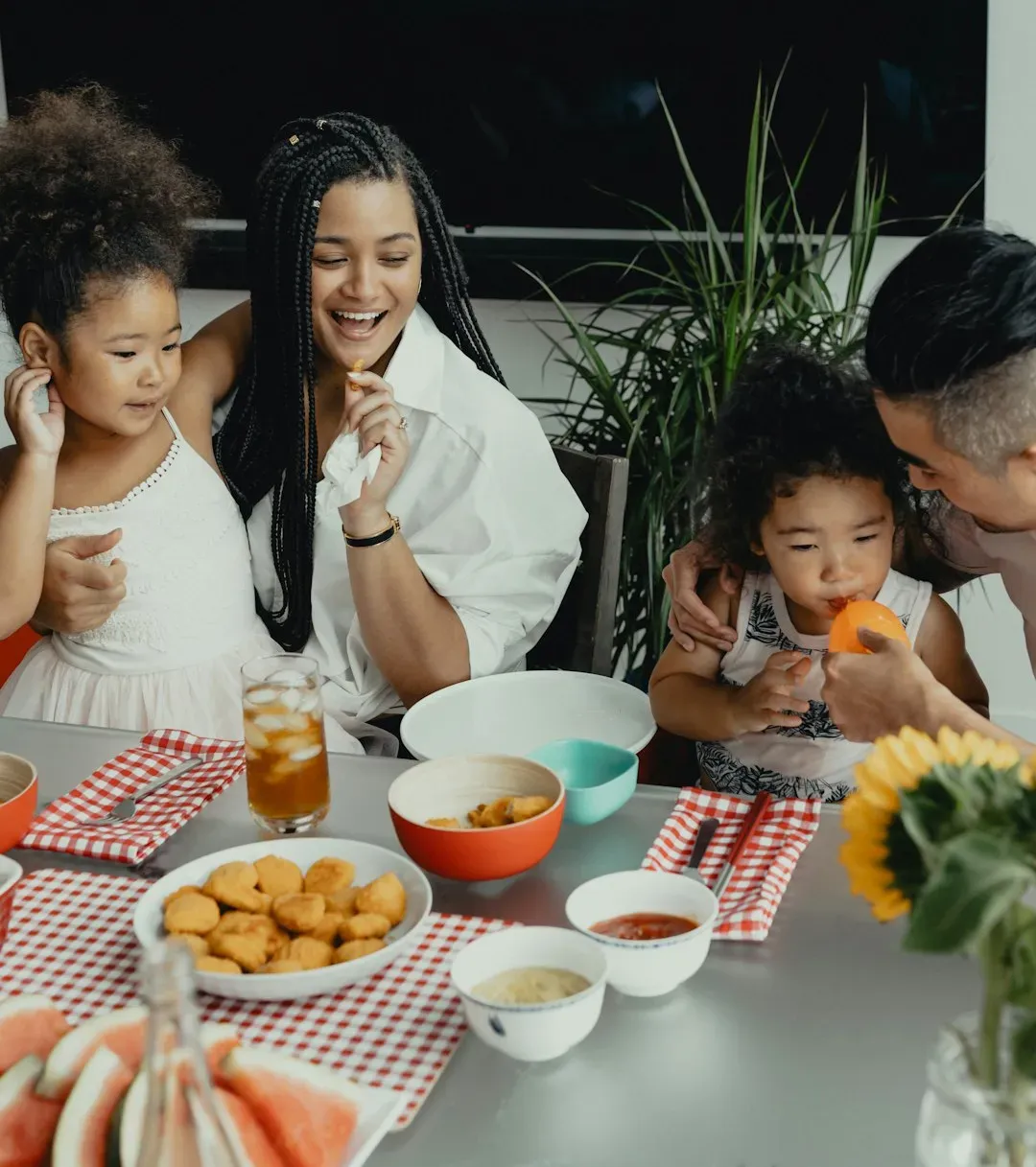
Formal dining at home has become increasingly rare, replaced by relaxed meals eaten wherever feels comfortable – often the sofa, sometimes even standing at the kitchen counter. The china stays in the cupboard for special occasions only. This shift reflects broader cultural changes towards informality and comfort, though some reckon we've lost a bit of ceremony and togetherness that made meals feel more special and intentional.
The expectation that every household member would sit together at a properly set table, at the same time, for every meal has quietly faded. Mismatched schedules, remote work, and the gravitational pull of screens have all played a role. The dinner table still exists in most homes, but it competes now with kitchen islands, coffee tables, and couch cushions in a way that would have seemed odd a generation ago.
5. Mise en Place Before Anything Else
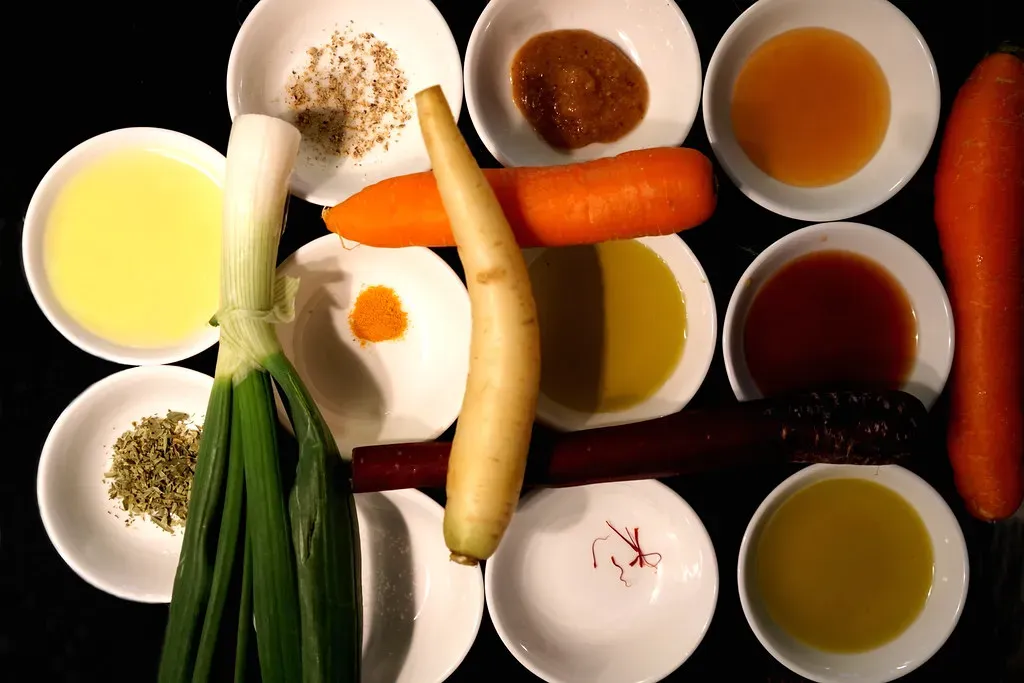
5. Mise en Place Before Anything Else (Rosmarie Voegtli, Flickr, <a href="https://creativecommons.org/licenses/by/2.0/" target="_blank" rel="noopener">CC BY 2.0</a>)
The French culinary principle of mise en place – prepping, measuring, and organizing every ingredient before you turn on a single burner – was drilled into cooks as a fundamental rule. Mise en place is a French culinary term that means "everything in its place." Rather than rushing to prep ingredients mid-recipe, mise en place creates a smooth, intentional flow in the kitchen. It helps cooks stay focused on timing, technique, and flavor, instead of scrambling for tools or ingredients at the last minute.
In practice, most home cooks have quietly abandoned the strict version of this rule. The modern approach is to pull everything out, then prep on the fly as the first components cook. As one experienced home cook observed, mise en place – meaning prepping and measuring all ingredients before starting a recipe – can be a waste of time in a home kitchen setting. For casual weeknight meals, cooking while prepping has simply become the norm.
6. Never Open a Can When You Could Cook From Scratch
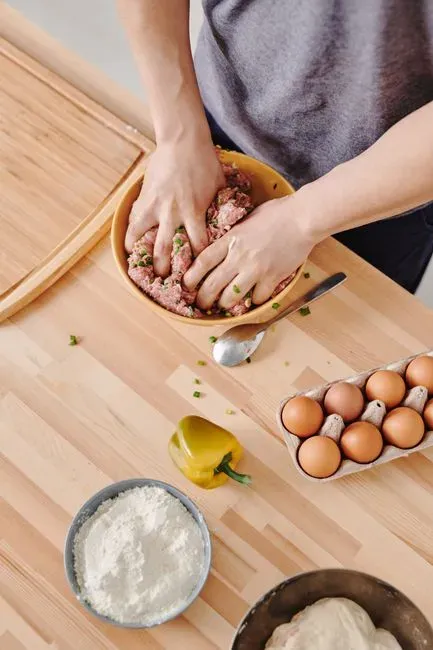
6. Never Open a Can When You Could Cook From Scratch (Image Credits: Pexels)
There was a strong cultural bias, particularly in earlier decades, against using canned or pre-prepared ingredients. Cooking from scratch was a matter of pride, and reaching for a tin of tomatoes or a can of stock was considered cutting corners. Good home cooks were expected to make their own bases, sauces, and stocks. Once upon a time, cooking meant spending hours peeling, chopping, and stirring everything from scratch. Bread was baked at home, stocks simmered for ages, and meals were genuine labour.
Economic pressures and busier lives have pushed people towards efficiency without sacrificing taste. Pre-chopped veg, ready-made sauces, and smart kitchen gadgets have become allies, letting home cooks enjoy home-cooked food without the marathon prep sessions of previous generations. Professional chefs have also helped normalize canned ingredients, openly recommending quality tinned tomatoes or preserved legumes in their own recipes and videos.
7. Keeping Recipe Cards and Handwritten Cookbooks
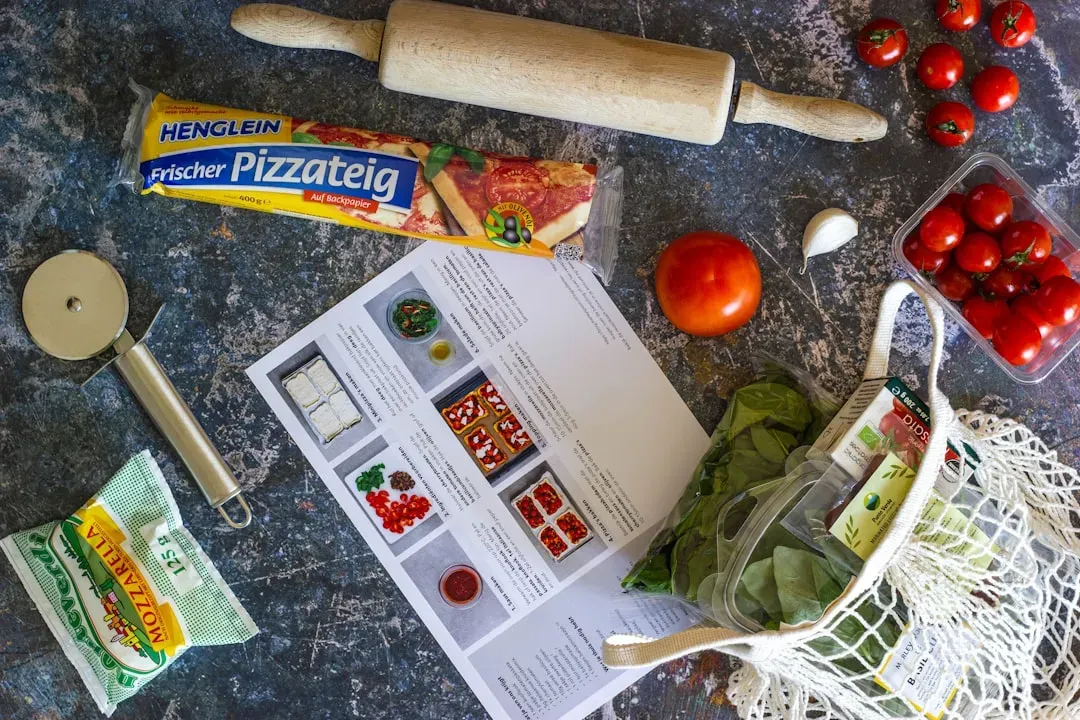
7. Keeping Recipe Cards and Handwritten Cookbooks (Image Credits: Unsplash)
Wooden or metal boxes filled with handwritten recipe cards were once treasured kitchen heirlooms. They held family secrets, magazine clippings, and notes in cursive. Digital recipes, apps, and online videos replaced the tactile charm. The box became a sentimental relic. Every family had their version of it – spattered, dog-eared, and completely irreplaceable.
Now, most recipes live in cloud folders or Pinterest boards. The physical box is more keepsake than tool. Apps like Paprika and Whisk let cooks clip recipes from any website, scale serving sizes automatically, and organize meals by category. It's practical and searchable in a way a recipe box never could be, though something about the handwriting of a grandparent explaining when to add the butter is genuinely hard to replace.
8. Matching Appliances and a Uniform Kitchen Aesthetic
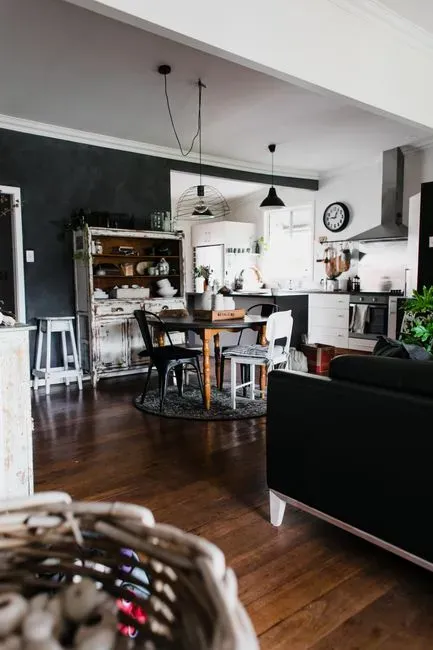
8. Matching Appliances and a Uniform Kitchen Aesthetic (Image Credits: Pexels)
For decades, the dominant kitchen rule was visual uniformity. Appliances should match, cabinet finishes should be consistent, and the whole space should read as a single cohesive unit. This one-size-fits-all mindset meant that everything was designed with cohesion and visual conformity in mind. However, these formulas don't match pace with the modern needs of homeowners.
While symmetry can feel visually pleasing, it can dampen a sense of personality in the space. Modern homeowners are instead throwing the rulebook out by using asymmetry to infuse individuality into their kitchens. Mixing metals, pairing open shelving with closed cabinetry, and combining different countertop materials have all become deliberate style choices rather than signs of a disorganized kitchen.
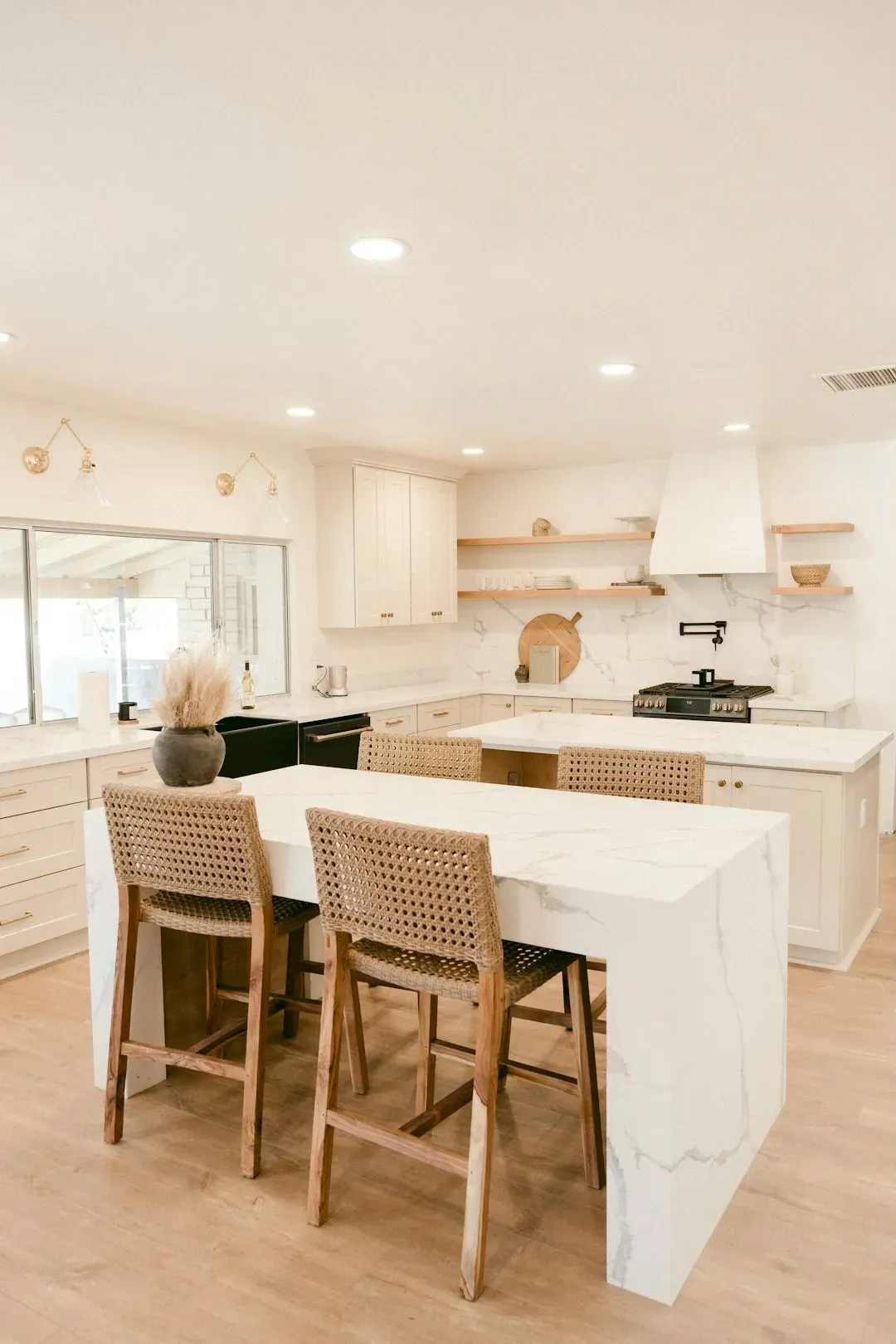
9. The All-White Kitchen as the Gold Standard
9. The All-White Kitchen as the Gold Standard (Image Credits: Unsplash)
One of the most popular kitchen monochrome themes, the all-white kitchen, was popular for years but is now on its way out. In addition to feeling stark and somewhat impersonal, it also tends to be high-maintenance. White kitchens dominated design publications and renovation shows for the better part of two decades, and many homeowners treated the look as a safe default for resale value.
The growing preference for more expressive, warmer-feeling cooking spaces that are focused on efficiency means that people are mixing and matching colors and themes. Earthy tones, colored cabinetry, and warm wood finishes have surged in popularity. 2025 became a year of color in the kitchen, and rather than one or two shades dominating, it has been a truly eclectic mix. The idea that a single neutral scheme is the safest choice has largely lost its grip.
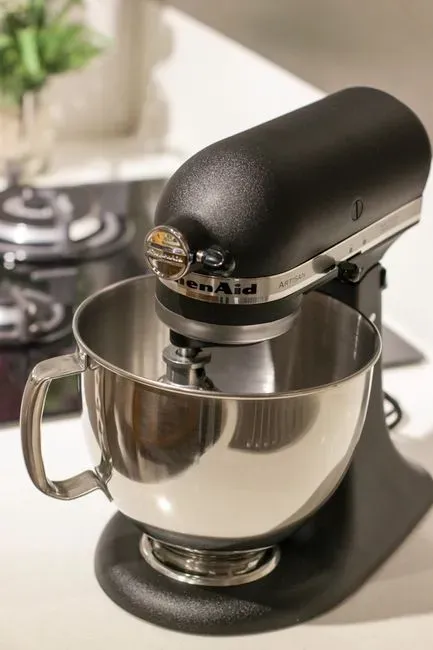
10. Using Single-Purpose Gadgets for Every Task
10. Using Single-Purpose Gadgets for Every Task (Image Credits: Pexels)
There was a golden era of the specialized kitchen gadget – the electric can opener, the fondue set, the dedicated quesadilla maker. Each device promised to make one task easier, and kitchens filled up with them. Modern kitchens are filled with gadgets that promise to save time, improve cooking, or make complex tasks easier. Yet many of these tools end up pushed to the back of cabinets after only a few uses. The excitement of buying a gadget often fades once daily cooking routines return to normal.
Over time, many specialized kitchen gadgets become unnecessary because multipurpose tools perform the same tasks more efficiently. Items such as food processors, introduced for home kitchens in the 1970s and widely popularized after the launch of the Cuisinart processor in 1973, gradually replaced several individual tools. Today, the preference leans heavily toward compact, versatile equipment. A good chef's knife and a cast iron pan will outlast almost any single-purpose machine.
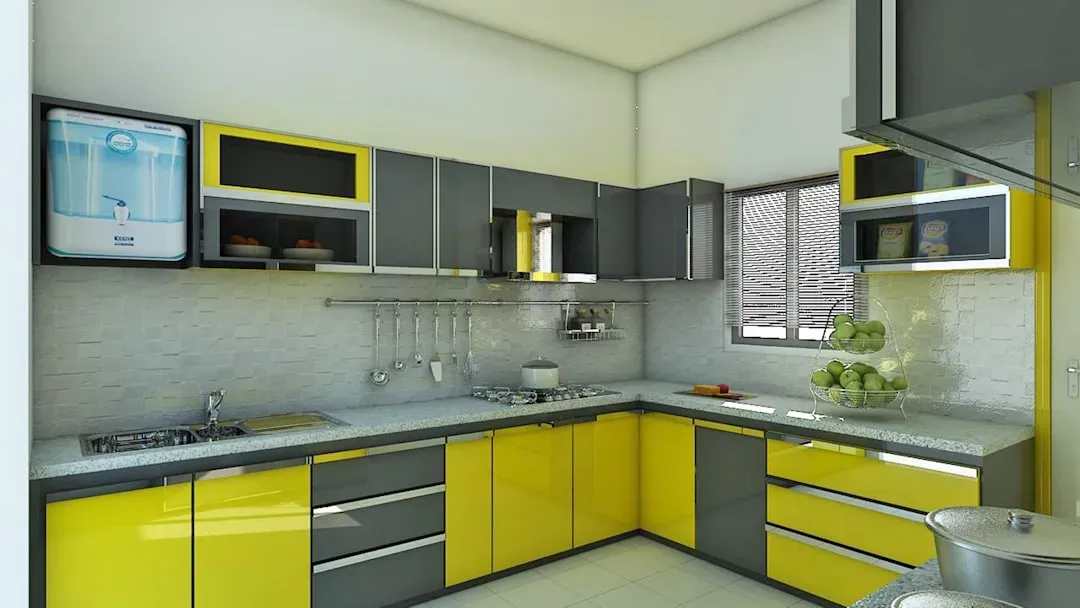
11. The Open-Plan Kitchen as the Default Layout
11. The Open-Plan Kitchen as the Default Layout (Image Credits: Unsplash)
Over the past few years, open-plan kitchens have been favored, creating a larger space that encompasses cooking, dining, and living in one great room. Kitchen renovation rules are almost reversing in 2026, with broken-plan schemes becoming favored once again. For a long stretch, knocking down walls to merge the kitchen with the living space was the automatic answer to any renovation question.
There is a noticeable shift from sprawling spaces to defined rooms and zones for different uses. Kitchen renovation rules are now favoring large kitchens that feel considered and multi-purpose, yet not entirely merged with every downstairs room. Small, intimate eat-in areas are growing in popularity, as is banquette seating. The fully open kitchen made spaces feel larger on paper, but living with one – smells, noise, and all – eventually wore thin for many households.
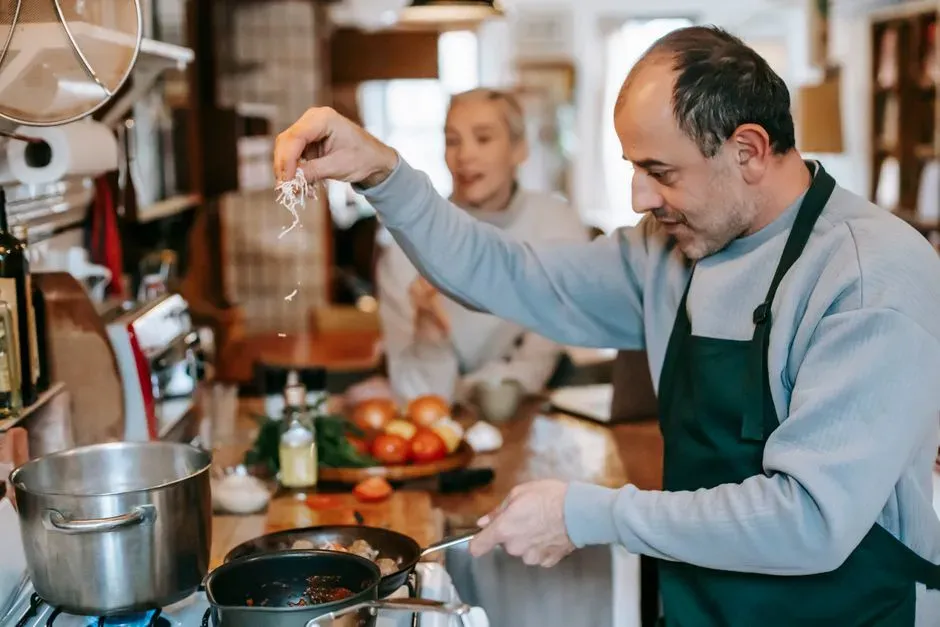
12. Cooking Every Meal Entirely From Scratch, Every Day
12. Cooking Every Meal Entirely From Scratch, Every Day (Image Credits: Pexels)
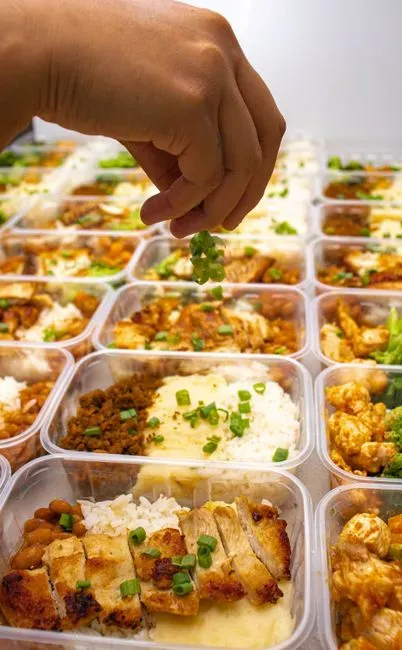
The expectation that a proper home cook prepares everything fresh, from raw ingredients, for every meal was never entirely realistic – but it held real cultural weight. The global pandemic permanently changed cooking habits. Millions of consumers discovered the joy and cost-saving benefits of preparing meals at home. Even after restrictions eased, many households continued these habits due to health awareness, economic considerations, and culinary interest.
People are cooking more for multiple reasons – rising costs, conscious eating, and easier access to cuisines and recipes to suit every diet and budget. From gut-friendly to mood-boosting foods, there is also a growing focus on healthy and natural ingredients. People also want to know what's in their food, looking for more transparency in what they consume. As a result, home-cooked meals are on the rise. The definition of "from scratch" has simply evolved. Batch cooking, pre-marinated proteins, and quality semi-prepared ingredients now sit comfortably alongside fresh produce – and most cooks wouldn't have it any other way.
What's interesting about all twelve of these disappearing rules is that none of them vanished because people stopped caring about cooking well. If anything, the opposite is true. The kitchen has become more central to everyday life, not less. The rules that faded were the ones that didn't hold up when real life got in the way – and the habits that replaced them reflect a more honest, flexible, and arguably more enjoyable relationship with food.